


How Brake Dust Could Be More Harmful Than Car Exhaust—and Why Electric Cars Could Be the Answer
When we think about car pollution, we often focus on the visible exhaust—clouds of smoke that puff from tailpipes, blackening the air. But what if the real culprit isn’t so easy to see? What if the pollution caused by cars is a quieter, more insidious threat that’s hiding in plain sight? Research from 2015 and picked up again at Yale Environment 360 suggests that brake dust—tiny particles that are kicked up from the wear and tear of brake pads—may actually cause more harm to our lungs than exhaust fumes.
Brake Dust vs. Diesel Exhaust: A Hidden Threat
The 2015 study published in Particle and Fibre Toxicology brings this issue into sharper focus. Researchers exposed human lung cells to two sources of pollution: brake dust and diesel exhaust. To their surprise, the brake dust caused more harm to the cells than the exhaust did. The reason? Brake dust contains harmful chemicals, especially copper, which has been shown to aggravate respiratory issues like asthma and other lung diseases.
What’s even more startling is that newer brake pads—made to replace asbestos-containing pads—were found to be even more toxic. While asbestos is a well-known carcinogen, the copper in modern pads is no less dangerous, especially when it’s released into the air as dust. And while some states like California and Washington have passed laws to reduce the amount of copper in brake pads, this type of pollution remains largely unregulated.
Electric Vehicles: A Cleaner, Healthier Future
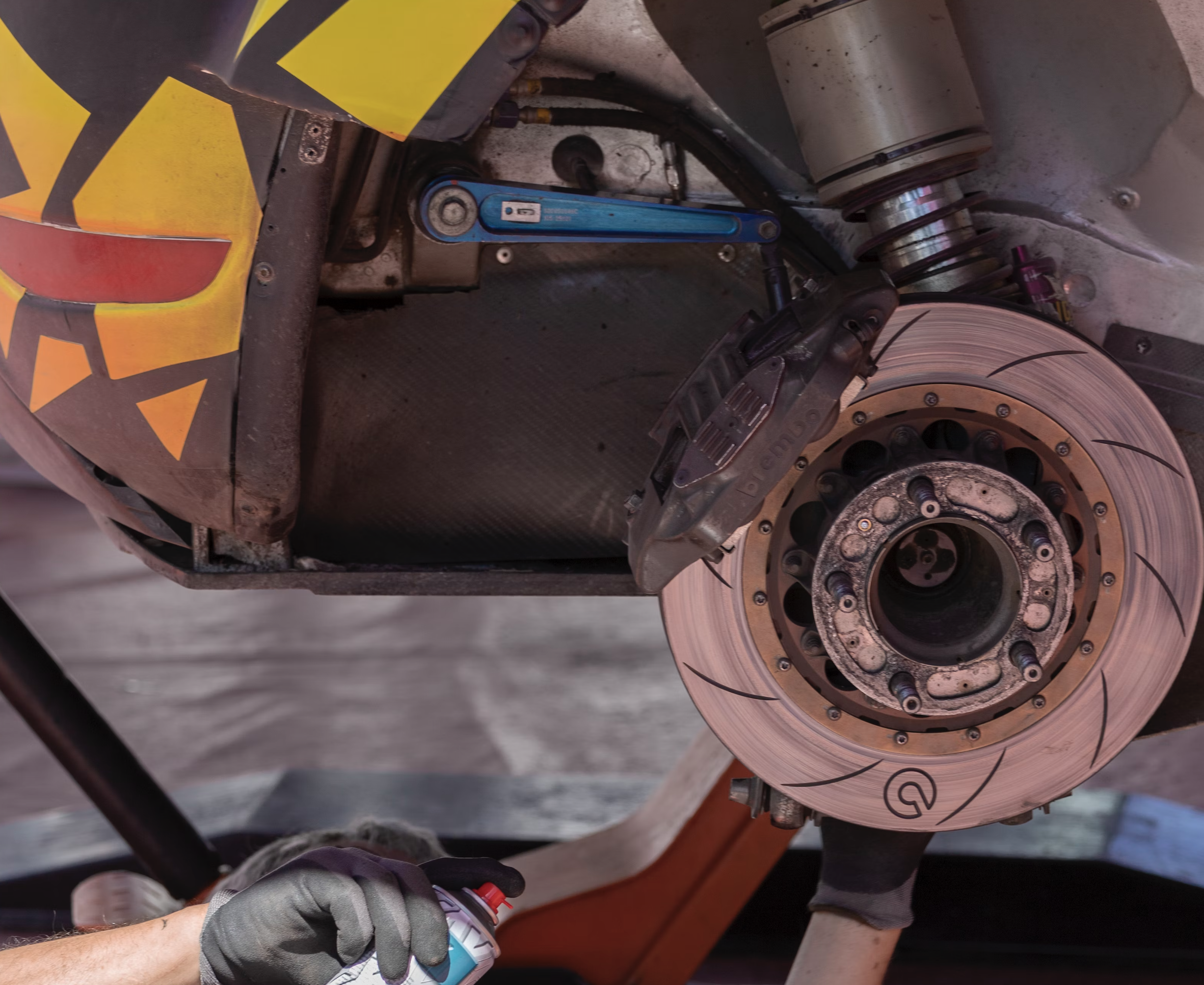
Now, here’s where electric vehicles (EVs) come into play. Unlike their gas-powered counterparts, most electric cars—Teslas included—use regenerative braking. This process allows the car’s motor to harness energy as the vehicle slows, which reduces the need for traditional friction-based brake pads. As a result, EVs generate significantly less brake dust, making them a cleaner option for both the environment and public health.
Beyond the obvious benefits of reducing tailpipe emissions, electric vehicles represent a deeper shift toward sustainability. Regenerative braking not only improves energy efficiency but also helps keep dangerous particles out of the air we breathe. And while the environmental benefits of EVs are often touted for their role in reducing CO2 emissions, it’s important to recognize that they also help mitigate the less visible but equally harmful effects of brake dust.
The Bigger Picture: Why Electric Cars Matter Beyond the CEO of Tesla
In a world that seems increasingly divided, it’s easy to become caught up in personal grievances—whether it’s about corporate leadership of Elon Musk and DOGE, political agendas, or social issues. For some, the decision to buy or keep a Tesla might be influenced by frustration with Elon Musk or other factors. But here’s the thing: our personal feelings about a brand or a CEO shouldn’t overshadow the very real, collective impact electric cars have on the planet.
By choosing an electric car, you’re not just supporting a brand or a CEO. You’re making a statement about the future you want to create. A future with cleaner air, healthier communities, and less pollution. You’re helping reduce harmful brake dust, which poses a hidden health risk to millions of people. And you’re reducing the demand for fossil fuels, contributing to a broader movement toward renewable energy and environmental sustainability.