When I first studied forestry at the University of Toronto with Professor Sandy Smith, I didn’t realize how deeply the school’s ecological roots would shape the way I look at the world. The University of Toronto has always been, at its core, an environmental university. from its forestry program and plant biology labs to courses in sustainable cities.
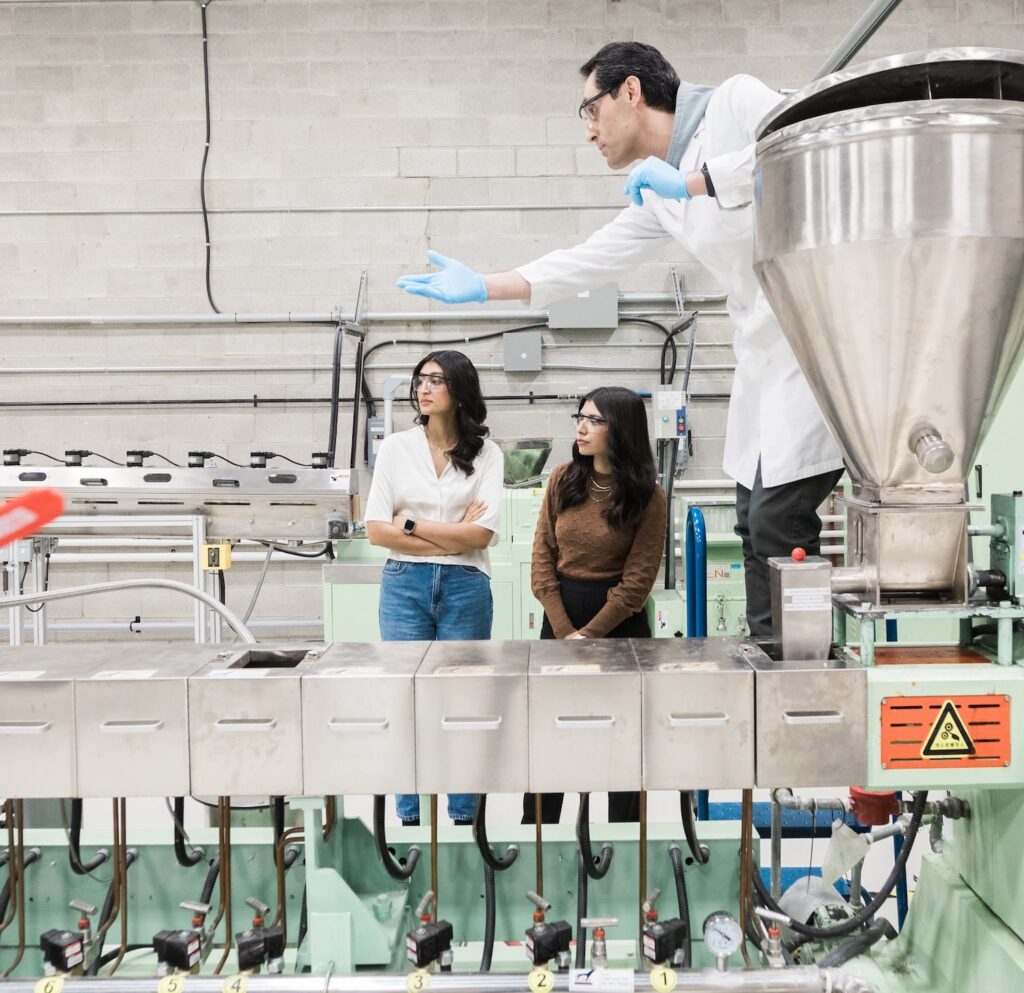
So it’s not surprising that one of Canada’s emerging cleantech companies tackling plastic pollution also began there. Meet erthos, a Toronto-area startup developing plant-based materials designed to replace traditional petroleum plastics and help move the global economy toward a circular model.
The company began as a student project at the University of Toronto, where the founders started exploring alternatives to plastic while studying subjects ranging from environmental economics to plant biology. Their early work focused on whether agricultural byproducts and plant-derived ingredients could replicate the performance of conventional plastics, without leaving behind the same environmental legacy.
What began as a campus sustainability idea has since grown into a cleantech company that uses AI to design bio-based resins that can replace common plastics such as polypropylene or polystyrene, while still working within existing manufacturing systems. One of their recent talks was with Colgate-Palmolive.
erthos works with Budweiser for a plastic cap solution
That compatibility with industry matters. One of the biggest barriers to replacing plastics is the massive infrastructure already built around them. Factories, molds, and production lines are designed for petroleum-based materials. If a sustainable material requires entirely new manufacturing systems, adoption slows dramatically. We see that working with big brands isn’t enough. The pineapple textiles and leather company Pinatex, which uses pineapple waste, emerged to great fanfare and worked with brands like Stella McCartney, but one-off and non-committal marketing opportunity can’t build a business. We need more commitment and responsibility taken by brands such as Colgate-Palmolive, H&M, and all ranges of food and plastics industries.
Sustainable fashion by Stella McCartney. The threads are created by Pinatex, now bankrupt
Can erthos help? It focuses on designing materials that can fit into the systems companies already use, making it easier for brands to transition away from fossil-fuel plastics without rebuilding their supply chains. Getting a product to fit into existing moulds and machines is the key for change from plastics to bio-plastics.
The company combines biomaterials science with advanced data tools, they say, to design plant-based formulations made from renewable ingredients such as plant fibers, starches, and oils. By using AI to test and refine formulations quickly, the goal is to create materials that match the durability and functionality of traditional plastics while reducing environmental impact. See Tipa, a brand that works.
The stakes are enormous. Hundreds of millions of tonnes of plastic are produced globally each year, and only a small portion is recycled. The rest accumulates in landfills, waterways, and ecosystems where it can persist for centuries. Worse even, bits of plastics called microplastics are getting into our lungs, our waterways, our food, our brains.
Startups like erthos are trying to change that equation by addressing plastic at its source, replacing the material itself rather than simply managing the waste it creates.
Today the company works with brands exploring alternatives for packaging, consumer products, and other plastic-heavy industries, helping design materials that can be recyclable, compostable, or derived from renewable feedstocks.
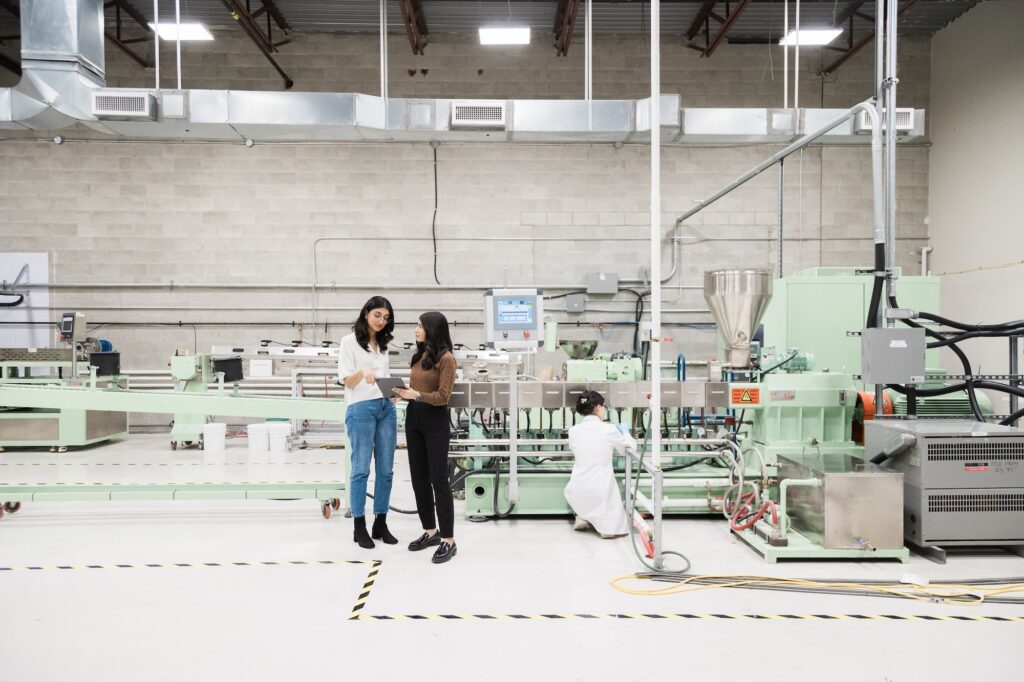
Erthos is a Canadian cleantech startup developing plant-based materials designed to replace petroleum plastics and support a circular economy. Founded in 2019 by Nuha Siddiqui, Kritika Tyagi, and Chang Dong at the University of Toronto, the company combines biomaterials science with artificial intelligence to create sustainable plastic alternatives.
Erthos foundersKritika Tyagi and Nuha Siddiqui are the cofounders of erthos.
Its proprietary platform, ZYA, uses AI to design bio-based resins that can perform like traditional plastics while working within existing manufacturing systems.
Erthos has raised $11.2 million in total funding, including a $6.5 million oversubscribed Series A led by Horizons Ventures, with participation from The51 Food & AgTech Fund, Thrive Venture Fund at BDC Capital, Francis Family Fund, TELUS Pollinator Fund for Good, DcarbonVC, Middle Cove Capital, and earlier investors Golden Ventures and Bee Partners.
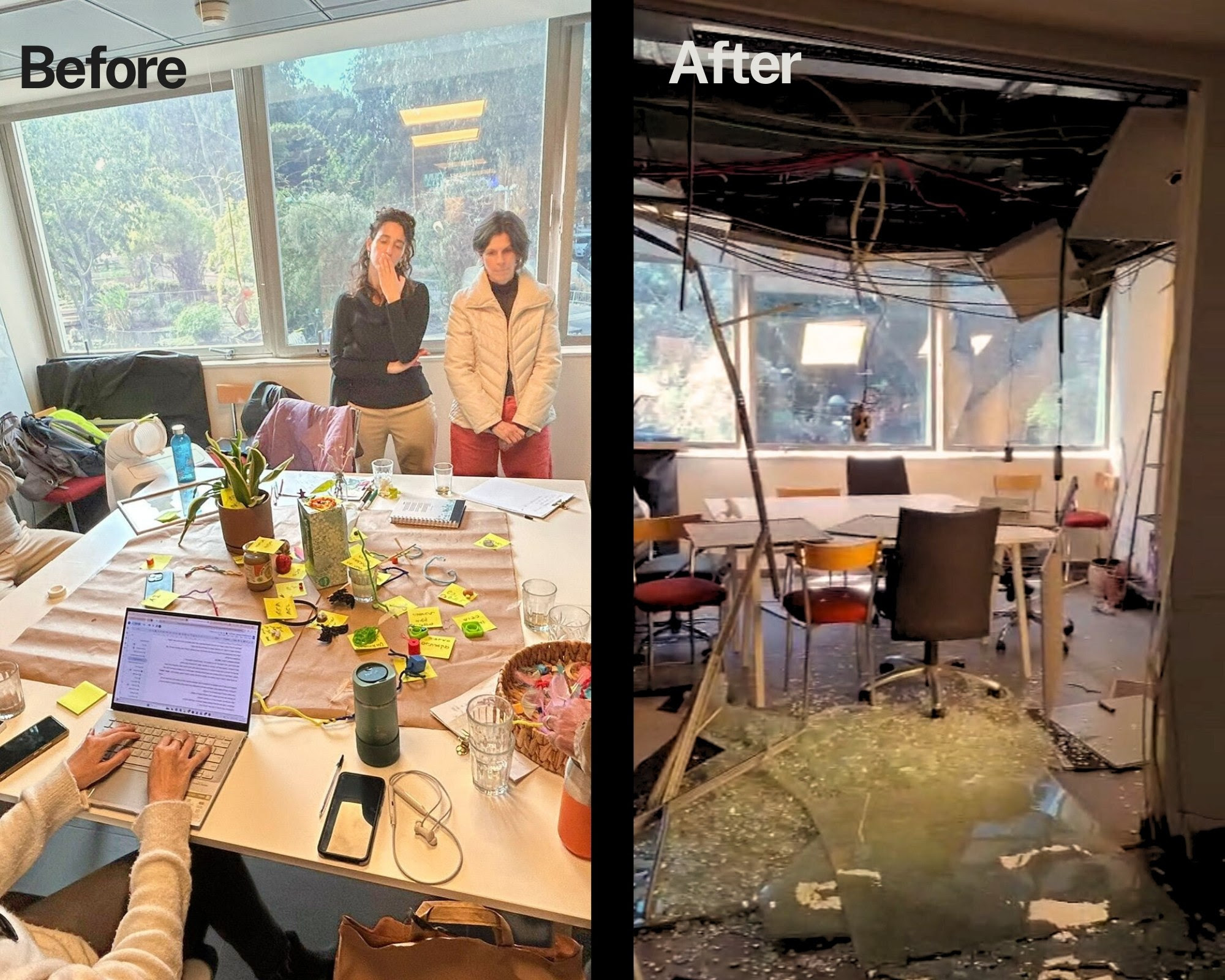
Heschel Center offices destroyed by Iranian missile
The Heschel Center for Sustainability, one of Israel’s most influential environmental organizations, and one which trains generations of sustainable leaders in media, art and politics, saw its Tel Aviv offices damaged during a recent missile attack from Iran, a reminder that even institutions dedicated to protecting the planet are not immune to regional conflict.
As the old Yiddish phrase says: “Mann Tracht, Un Gott Lacht” (Man plans and God laughs). Last Thursday, Tamara and Oded from the center dispatch “as we left our offices for the weekend, we had been looking forward to a busy couple of weeks, including a special event for our alumni community around the regeneration of our Heschel Fellows Program and a webinar exploring the transformative practice of “Commoning” within the education system.
“On Saturday, everything changed. The transition from routine to war has become a familiar, painful and all-too-familiar reality in Israel. As we prepared our families and returned to emergency routines, a missile struck the heart of Tel Aviv.
“Buildings in the vicinity were damaged, including the Heschel Center’s beloved offices… Seeing our workspace, our place of gathering and collaboration, reduced to broken glass and debris is deeply painful.
They add, “We are here to stay, fighting for a world that is more just, sustainable, and democratic. We know that better days will come, and we are grateful to have you by our side as we build that future together.”
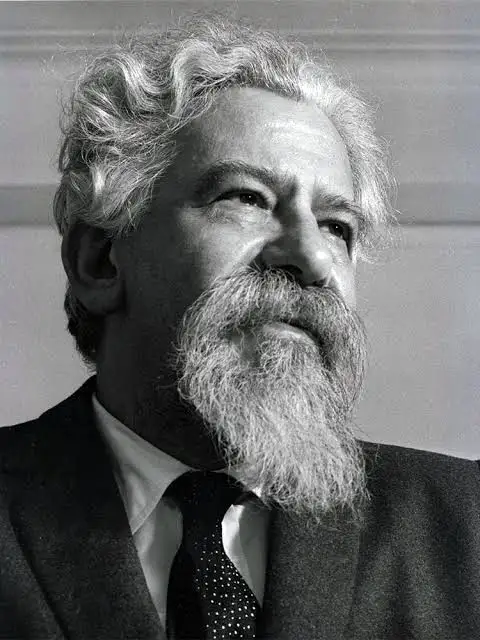
Founded in 1994, the Heschel Center has played a central role in shaping Israel’s modern environmental movement. Named after the Jewish philosopher and environmental thinker Rabbi Abraham Joshua Heschel, the organization focuses on education, policy innovation, and leadership training aimed at building a more sustainable Israeli society.
Our concern with environment cannot be reduced to what can be used, to what can be grasped. Environment includes not only the inkstand and the blotting paper, but also the impenetrable stillness in the air, the stars, the clouds, the quiet passing of time, the wonder of my own being,” once said Heschel.
“I am an end as well as a means, and so is the world: an end as well as a means. My view of the world and my understanding of the self determine each other. Forfeit your sense of awe, let your conceit diminish your ability to revere, and the world becomes a market place for you. The complete manipulation of the world results in the complete instrumentalization of the self.”
Rabbi Abraham Joshua Heschel
For decades the center has served as a bridge between government, academia, grassroots organizations, and young environmental leaders. Through programs such as its environmental fellows initiative, Heschel has trained hundreds of activists, planners, and policymakers who now work across Israel in climate policy, urban planning, and environmental justice.
They’ve trained Rabbi Pearlman, who I’ve interviewed here.
From its Tel Aviv base, now wiped out, the center has helped push forward conversations about sustainable cities, climate resilience, and responsible land use. It has also worked closely with Israeli universities and municipalities to integrate environmental thinking into public policy and infrastructure planning.
The organization has also been active in urban sustainability and climate planning, contributing ideas about how Israeli cities can adapt to rising temperatures, water stress, and population growth. These issues are especially pressing in the Middle East, where environmental challenges often intersect with geopolitical tensions. They don’t consider man outside of the environment, but rather part of it, and what that entails.
Despite the damage to its office, the broader mission of the Heschel Center will continue, according to their update.
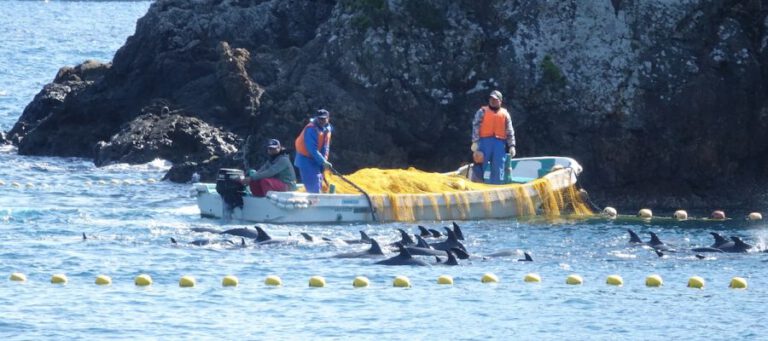
With larger, land-bound animals human encroachment and Middle East warns make it more troubling for the survival of migratory animals on land, air and at sea. A new United Nations report released this week warns that the situation is getting worse, not better. Some of the causes for concern are poisonings, illegal fishing, and wind turbines.
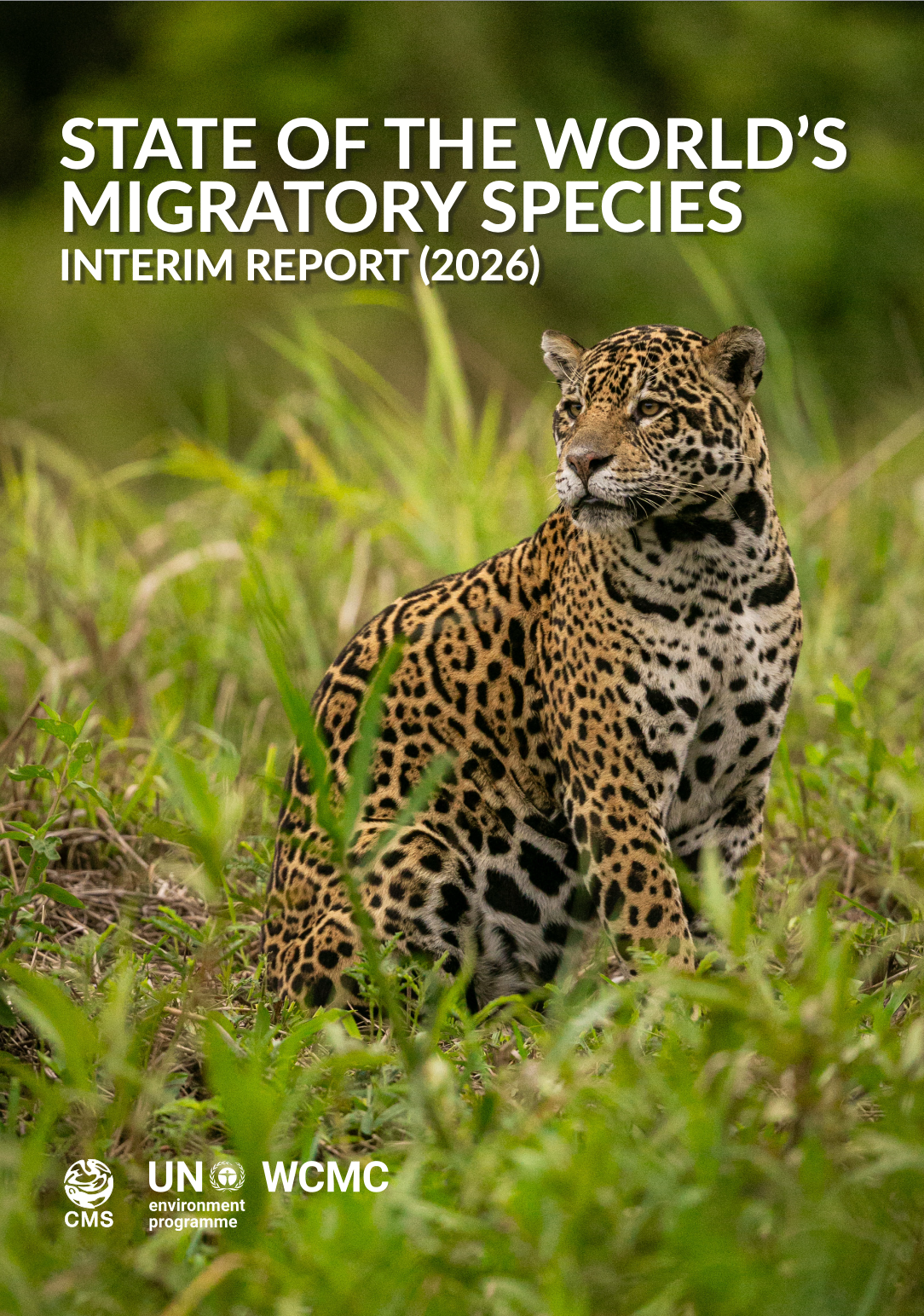
According to the interim update to the State of the World’s Migratory Species, prepared under the Convention on the Conservation of Migratory Species of Wild Animals (CMS), 49 percent of migratory species populations protected under the treaty are now declining, up from 44 percent only two years ago. At the same time, 24 percent of listed migratory species now face extinction risk, a two-percent increase since the last assessment.
The findings arrive just weeks before governments gather in Brazil for the 15th Conference of the Parties (COP15) to the treaty, where conservation policies for migratory wildlife will be debated. The numbers matter, say UN officials, because migratory animals do more than travel. They also swoop in and pollinate plants, transport nutrients between ecosystems, regulate pests which are local and seasonal, and help store carbon in forests and oceans.
Monk seals are numbering only about 1000 but they could be recovering.
“The first global report was a wake-up call,” said Amy Fraenkel, Executive Secretary of CMS. “This interim update shows that the alarm is still sounding. Some species are responding to concerted conservation action, but too many continue to face mounting pressures across their migratory routes.”
Twenty-six species protected under the treaty have moved into higher extinction risk categories since the previous report. Among them are 18 migratory shorebird species, which rely on fragile coastal habitats that are increasingly lost to development, climate change and pollution.
Is there hope? Seven CMS-listed species have improved in conservation status thanks to coordinated international protection efforts, including the saiga antelope, the scimitar-horned oryx, and the Mediterranean monk seal, a marine mammal that once hovered near extinction.
Asiga antelope
Scientists have also made progress mapping the invisible highways animals follow across the planet. And some countries like Canada and Israel have built land bridges over highways so migratory species such as deer and moose can cross dangerous roads. We crossed under such bridges last summer in Canada.
Initiatives such as the Global Initiative on Ungulate Migration, the Migratory Connectivity in the Ocean (MiCO) system, and BirdLife International’s work identifying six major marine bird flyways are helping conservation planners understand how species move across landscapes and oceans. The report can be found here.
Still, many of the places these animals depend on remain unprotected. Researchers identified 9,372 Key Biodiversity Areas important for migratory species, yet 47 percent of the area they cover lies outside protected or conserved zones.
Two threats dominate the global picture: overexploitation of wildlife and the loss or fragmentation of habitats, which disrupt migration routes that may span thousands of miles.
“If we intervene only at the point of crisis, we risk acting too late,” Fraenkel said. “By strengthening governance, monitoring, legislation and community engagement upstream, we can reduce pressure on these remarkable animals and put them on the path to lasting recovery.”
Mediterranean and Middle East waters are a hotspot for threatened sharks
The report confirms that extinction risk for sharks and rays has risen sharply in several regions including the Mediterranean Sea and the Northern Indian Ocean.
Populations of sharks and rays have declined by roughly 50% globally since 1970.
Overfishing and bycatch are the main causes.
Species such as the Oceanic Whitetip Shark (Carcharhinus longimanus) are now Critically Endangered.
The Angelshark (Squatina squatina), once widespread in the Mediterranean, is now fragmented due to overexploitation.
These trends matter for countries around the Mediterranean basin including Israel, Turkey, Egypt, Lebanon and Greece, where coastal habitat loss and fishing pressure are major issues.
Migratory birds in the Middle East
According to the report:
53% of raptor species monitored in the African-Eurasian region are declining.
Major threats include:
habitat loss
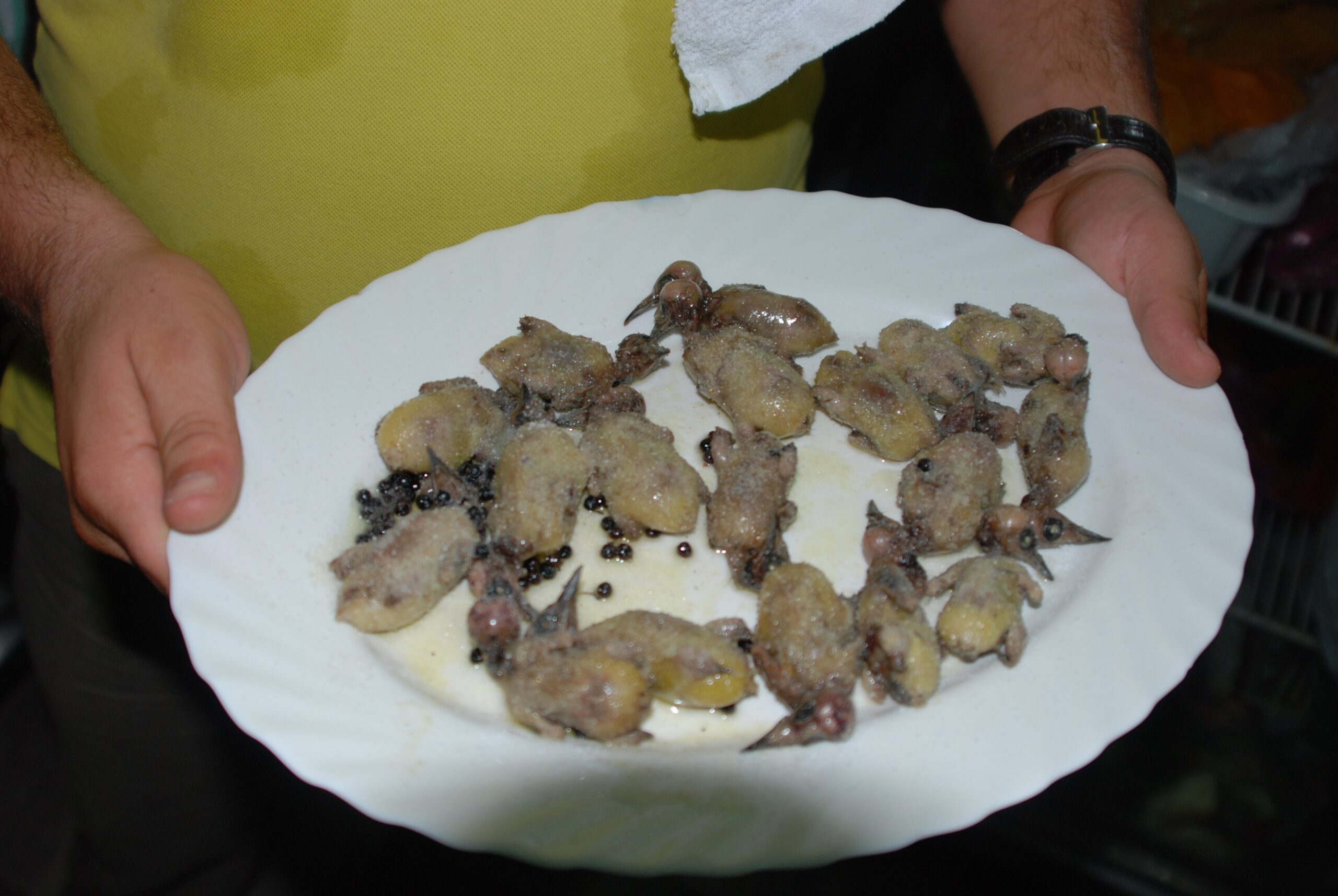
illegal hunting
poisoning
collisions with power lines and energy infrastructure.
The Steppe Eagle (Aquila nipalensis), which migrates through the Middle East from Central Asia to Africa, is now globally Endangered. The report notes that energy infrastructure — power lines and wind installations — is a significant cause of mortality for migratory raptors.
The upcoming COP15 meeting in Campo Grande, Brazil will test whether governments are ready to respond. Have the report ready to send to your local: “We have a baseline. We have better tools. And we have growing public awareness,” Fraenkel said. “The question before governments at COP15 is straightforward: will we match this knowledge with the political will and investment needed to secure the future of the world’s migratory species?”
For more on animal rights abuses in the Middle East see:
In the Veneto region of northern Italy, a kindergarten rises like a small village from the earth. Its roofs are steep and terracotta-colored, its forms simple and geometric, and its courtyards open to sky and garden. The building is called Kinder Rain, designed by the Italian studio AACM – Atelier Architettura Chinello Morandi, and it feels less like a school and more like a small settlement where children can wander, gather, and grow gardens and themselves.
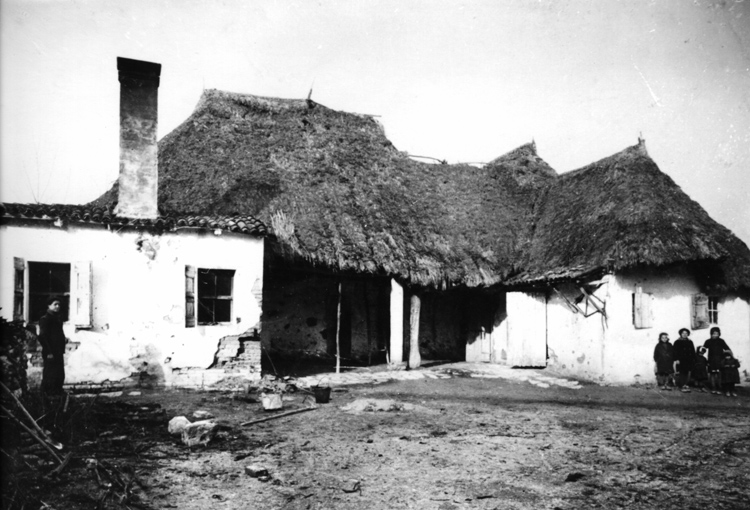
At a time when many educational buildings resemble efficient boxes of steel and glass, and thankfully container houses are out (read here why container houses can be a health hazard) Kinder Rain looks backward to move forward in the way our spirits need. Its design draws inspiration from the Casone Veneto, a traditional rural house once used by farmers and fishermen in the surrounding landscape. These structures were humble but deeply rooted in place: thick clay walls, steep roofs, and forms shaped by weather, agriculture, and the rhythms of everyday life.
A traditional casone via Wikipedia
Kinder Rain reinterprets this vernacular architecture through a series of pyramidal classroom volumes, clustered together like houses in a tiny town. Instead of corridors and rigid classroom grids, the kindergarten is organized around open courtyards and shared spaces.
These spaces function as an architectural commons, allowing children to move fluidly between indoor learning and outdoor play.
The result feels almost like something from a Waldorf-inspired environment, where architecture becomes part of the educational philosophy. Spaces are tactile and human-scaled, encouraging exploration and imagination rather than control. A pigmented concrete bench traces the base of the building, forming a soft threshold between garden and classroom. Children can sit, climb, gather, or simply watch the world from its edge.
Materials play a central role in this atmosphere. The kindergarten is wrapped in a continuous terracotta envelope, referencing the clay tiles and earthy construction traditions of the Veneto countryside. The tones are warm and grounded, connecting the building visually to the surrounding landscape.
Inside, wooden ceilings echo the texture of traditional thatched roofs. A skylight above the central space lets sunlight pour downward through the structure, quietly marking the passage of time during the day. Morning light spills into classrooms, while afternoon shadows stretch across the courtyards.
Kinder Rain, a terracotta, vernacular-inspired play space
Each classroom opens outward into a protected patio, creating semi-enclosed outdoor rooms where lessons can spill into fresh air. These patios blur the boundary between inside and outside, an important idea in early childhood education where nature and play are inseparable.
The spatial logic of Kinder Rain follows an interplay of solids and voids. Pyramidal classrooms provide shelter and focus, while courtyards provide openness and community. At the center lies a shared internal agorà, a gathering space that allows teachers and children to see one another across the building.
The architecture is simple, but its message is powerful. Kinder Rain suggests that schools do not need to dominate their landscape or overwhelm young minds with scale and complexity. Instead, they can grow organically from local traditions and materials.
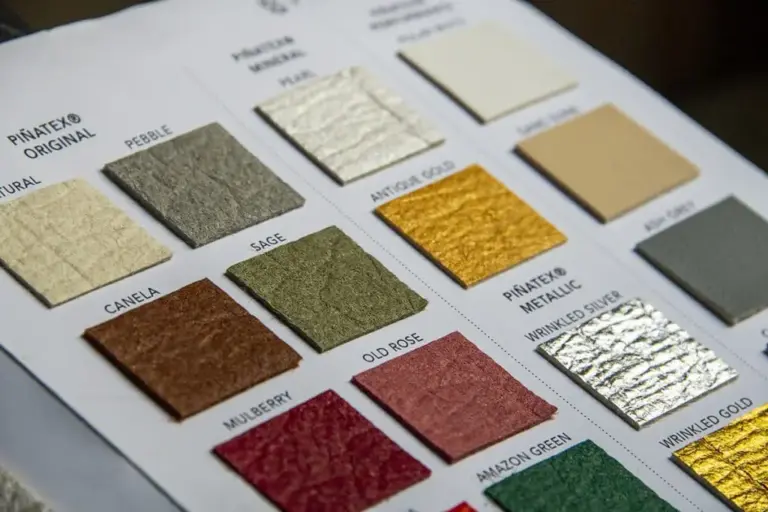
Ananas Anam, the UK-based company behind Piñatex, a plant-based leather alternative made from pineapple leaf fiber, has entered insolvency proceedings after more than a decade in operation. Are bio-materials where dreams go to die?
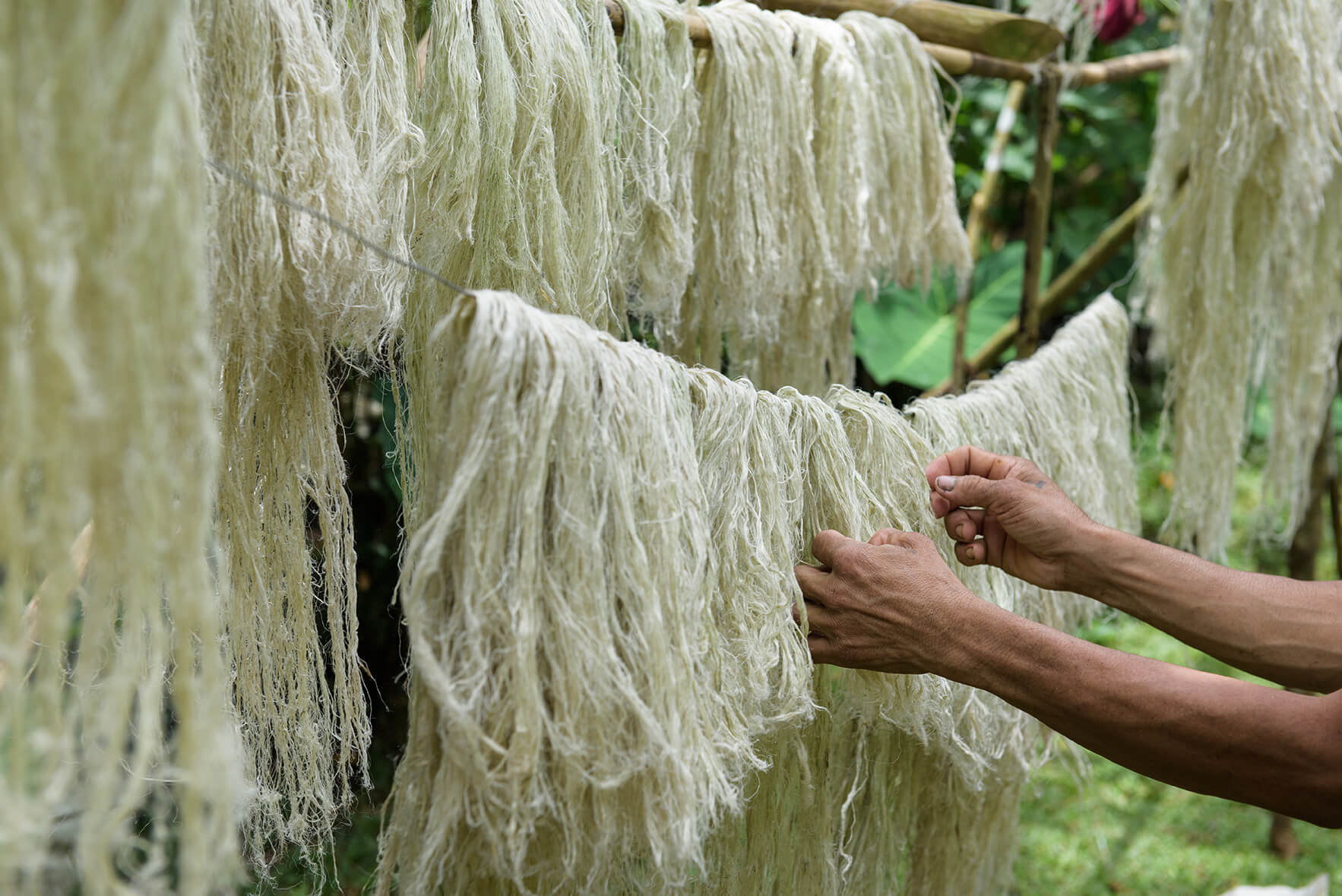
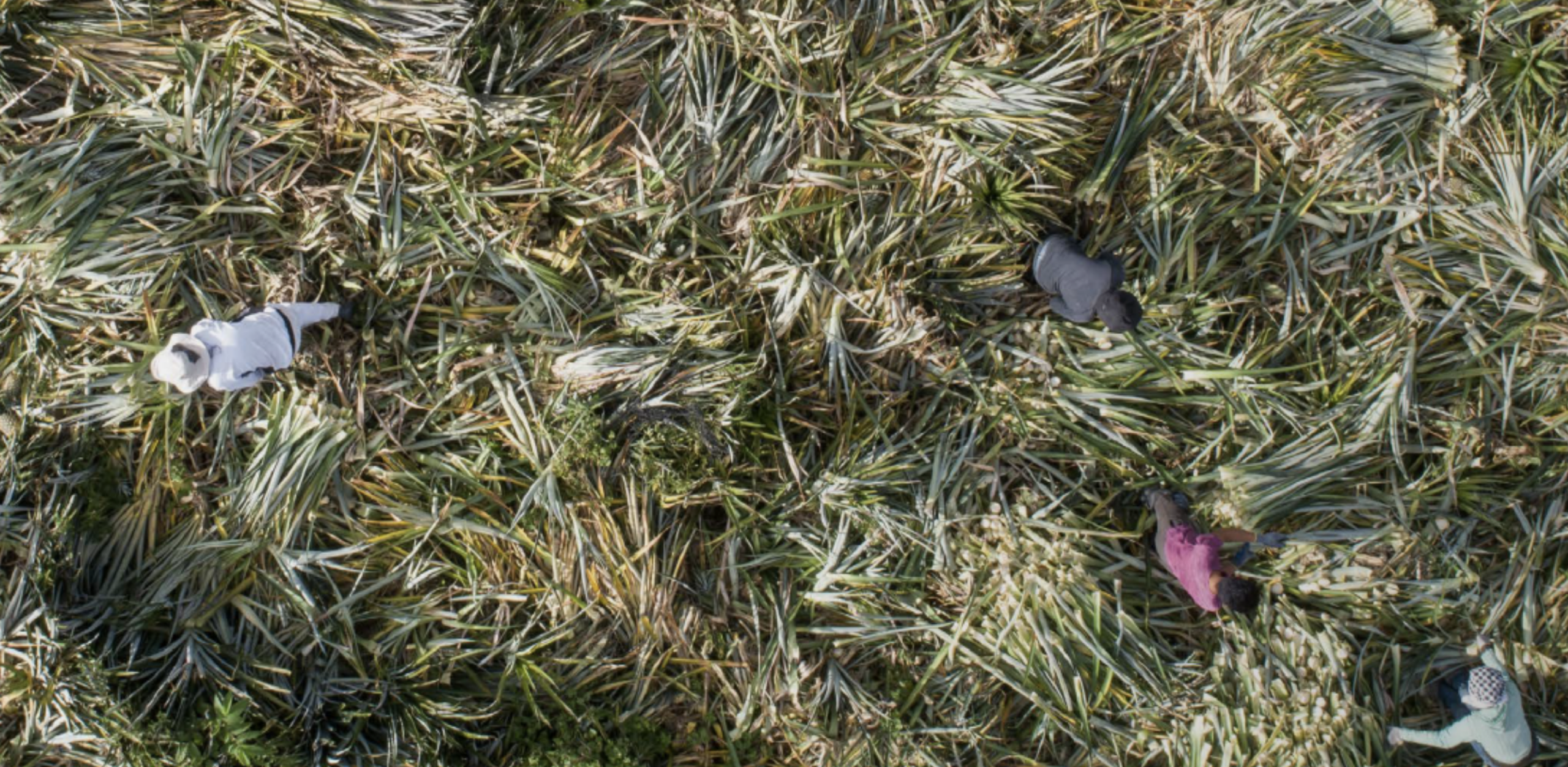
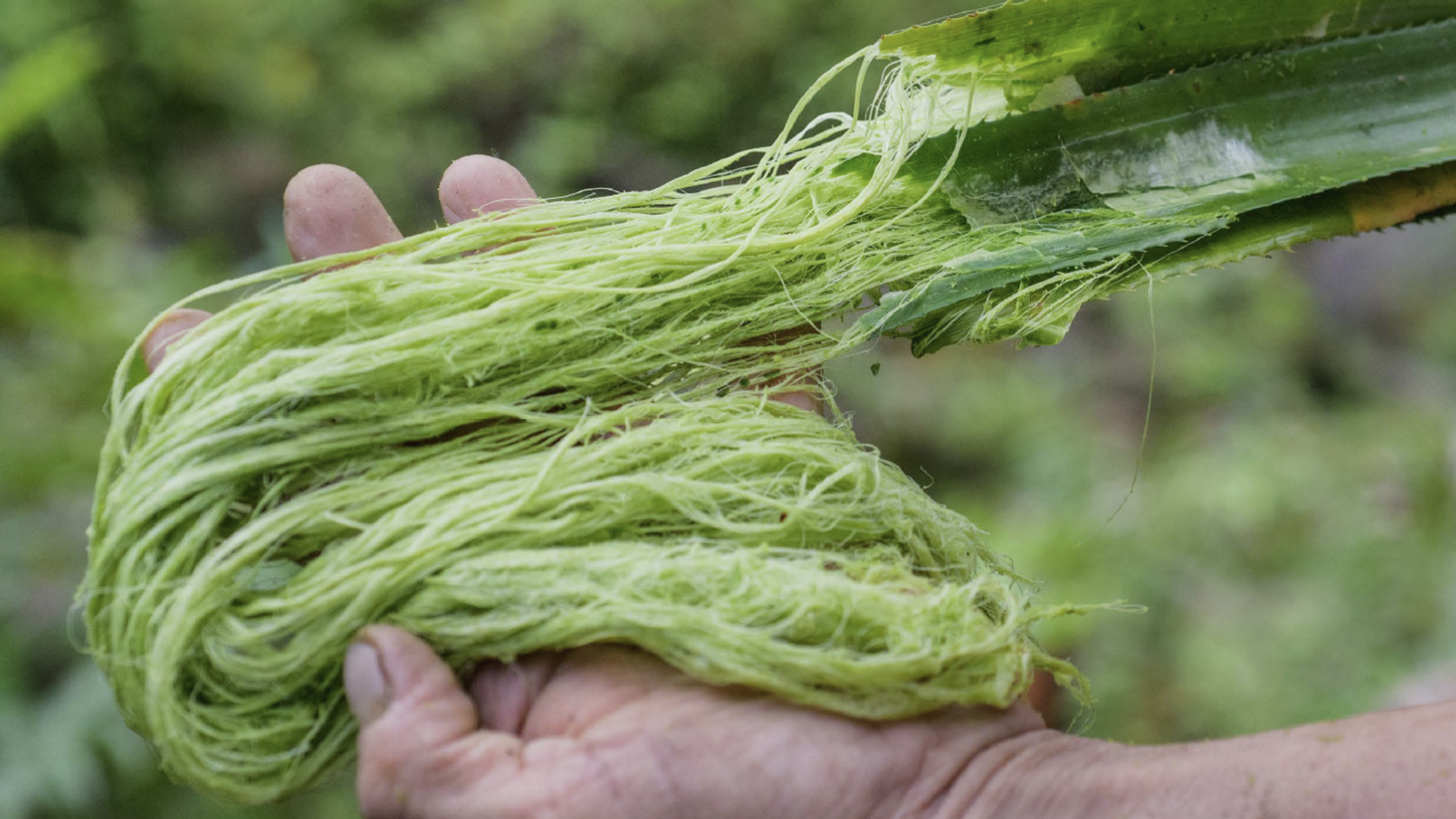
Founded in 2013 by Carmen Hijosa, the company was considered an early pioneer in the “next-generation” sustainable materials movement. Piñatex uses fibers extracted from pineapple leaves, an agricultural by-product typically discarded after harvest, to create a non-woven textile marketed as an alternative to animal leather. (Dead Sea cement bricks apply the same concept).
Pinayarn raw material, from Ananas Anam
Over the years, Ananas Anam secured collaborations with global brands including Nike, H&M, Inditex and Ecoalf. However, according to UK insolvency filings, the company struggled to achieve sustained commercial scale. And Ananas Anam UK formally entered insolvency proceedings last year. This is a business lesson to hopefuls looking to create an impact business.
According to Companies House filings: 2023 turnover: £240,849 (down from £419,849 in 2022); 2023 loss: £1.14 million. The Spanish subsidiary reported €518,515 in revenue in 2023 (down 20.4% year-on-year) and losses of €1.03 million.
Stella McCartney supports the use of sustainable materials without the risk. A smart business model or a parasitic approach to sustainable fashion?
Stella McCartney supports the use of sustainable materials such as Pinayarn, without the risk. A smart business model or a parasitic approach to sustainable fashion?
The filings state that the company required continued external investment and was unable to generate sufficient operational cash flow to sustain growth. Ananas Anam probably should have raised VC or investment capital to scale and grow its dream to make natural waste a viable bio-material that could work in the machinery of today’s textile operations.
Pinatex leather
In late 2024, restructuring firm Leonard Curtis was engaged to assess the company’s financial position. Ananas Anam sought new investors, including discussions with produce company Del Monte, which provided interim funding totaling €300,000, followed by an additional €100,000 from existing investor Compagnie Fruitière. Negotiations for acquisition were ultimately unsuccessful. too bad Del Monte didn’t “buy” the idea for its CSR venture
Scaling Remains a Barrier in Next-Gen Materials
Industry observers note that many alternative material startups face similar commercialization hurdles. While leather from mushrooms sounds exciting along with shoes that decompose, brands often test these innovative materials in limited capsule collections, converting pilot projects into large-volume, long-term supply contracts has proven difficult across the sector. That’s what we see with Stella McCartney. She tests new materials on her collections but she doesn’t take an all-in risk approach.
Sustainable fashion by Stella McCartney and fibers created by Ananas Anam. All the glory and business to the fashion industry?
Ananas Anam had attempted to shift its model from direct brand partnerships to collaborations with textile manufacturers, including Textil Santanderina, and explored outsourcing production while remaining focused on fiber supply.
Pinatex raw material
The broader sustainable materials landscape has also shifted in recent years. Textile recycling technologies have accelerated in response to anticipated European Union eco-design regulations emphasizing recycled content. Some companies developing bio-based materials have found it challenging to compete for investment and manufacturing capacity in this evolving regulatory and commercial environment.
Sustainable fashion at a landfill runway, Stella McCartney
From Pioneer to Precedent
Piñatex was among the earliest widely publicized plant-based leather alternatives and played a significant role in raising awareness of agricultural waste valorization within fashion supply chains.
A Stella McCartney decomposing shoe made with cinammon waste
Its insolvency highlights the persistent gap between innovation and industrial-scale deployment in sustainable materials.
This bra in a co-production by Balena is made from a plastic that decomposes, but is it edible?
Learn from Balena
Vivobarefoot, 3D printed and knitted uppers in collaboration with Balena
The next-generation materials sector continues to evolve, but the case of Ananas Anam underscores a recurring challenge: scaling production, securing stable demand, and achieving financial sustainability remain decisive factors in determining which innovations survive beyond the pilot phase. The company might have better taken the B2B approach, which is seen with Balena, a biomaterial company that provides materials for the shoe industry. They have collaborated with VivoBarefoot and Stella McCartney but never risked having to develop and cater to the consumer directly,
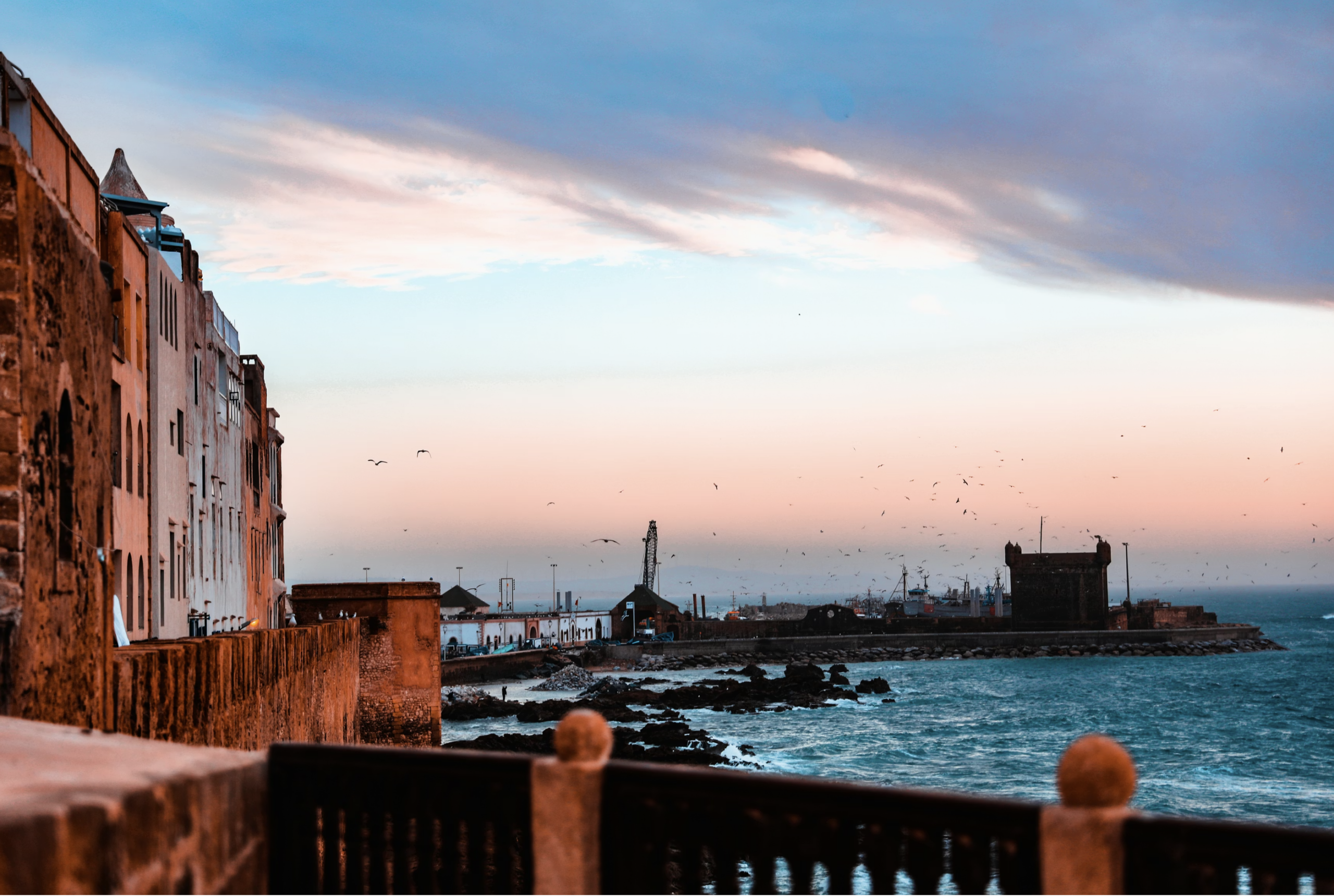
Morocco’s proposed 1,000 MW offshore wind project near Essaouira promises climate leadership and renewable energy for this Magreb country, but along this stretch of Atlantic coast, wind is more than energy. The coastline is culture, economy, and identity. Essaouira is a historic, windy port city on Morocco’s Atlantic coast known for its UNESCO-listed 18th-century Medina, white-and-blue architecture, and the backdrop used in Game of Thrones.
The Essaouira wind project represents a major step for renewable energy in Africa. Scheduled to begin construction in 2029, this project on the Atlantic coast leverages strong, consistent winds of roughly 11 m/s to support the country’s goal of over 52% renewable energy by 2030.
While specific financiers have not yet been fully announced, the project is expected to attract a blend of public and private capital, drawing on several common sources used for large-scale renewable infrastructure in North Africa and Europe.
Essaouira is Morocco’s wind capital. Surfers and kitesurfers rely on its steady trade winds; local schools, rentals, and guesthouses depend on them. Offshore turbines are typically placed several kilometers out at sea, beyond surf breaks, meaning wave formation itself is unlikely to be directly affected. However, construction phases from vessel traffic, cable laying, temporary exclusion zones, all these could disrupt access during key seasons.
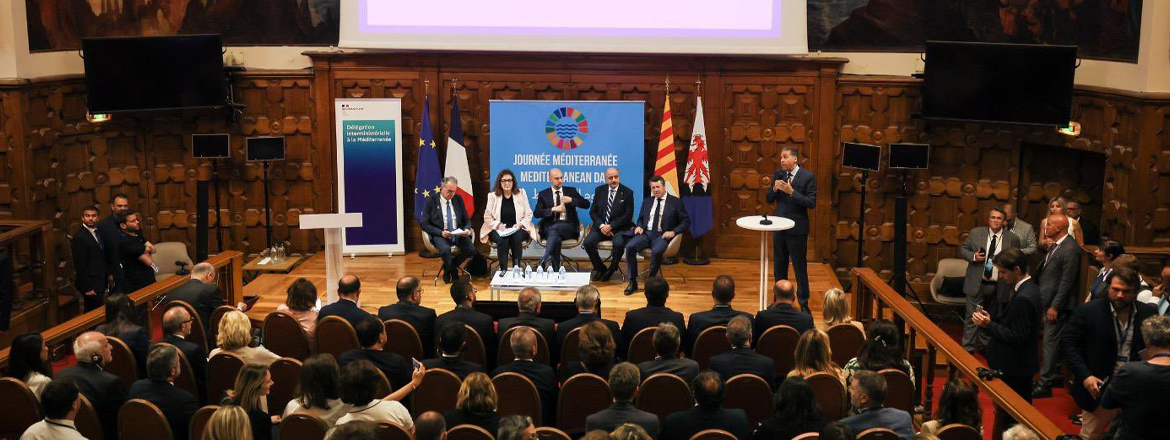
The project, planned to have an installed capacity of 1 GW, will be built near Essaouira, with construction beginning by 2029. This was announced by the Union for the Mediterranean (UfM), which held a session on finance and innovation as sustainable blue economy accelerators during the Mediterranean Day at UNOC3.
Then there is the view: Essaouira’s wide Atlantic horizon is part of its aesthetic appeal, especially during the internationally known Gnaoua World Music Festival, when thousands gather along the seafront. Studies from Europe suggest that visual impact can influence tourism perception, particularly in heritage or festival cities. Developers often mitigate this by pushing turbines farther offshore, reducing skyline dominance.
Coastal ecosystems present a more complex issue. Offshore wind foundations can alter seabed habitats but may also create artificial reef effects that increase marine biodiversity over time. The greater concern often involves bird migration and collision risks.
Scotland offers useful lessons. In projects such as Hywind Scotland, environmental monitoring has shown that careful siting by avoiding major migratory corridors does significantly reduces bird mortality. Developers there use radar tracking, seasonal curtailment (temporarily slowing turbines during peak migration), and pre-construction avian studies to protect seabirds and raptors.
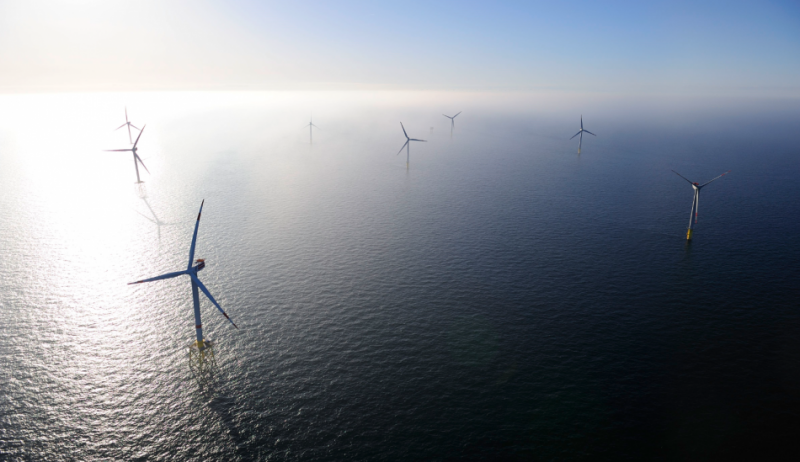
Alphaventus, German offshore wind
Morocco sits along critical migratory flyways between Europe and West Africa. Baseline ornithological data will be essential before construction begins. Noise during pile-driving can also disturb marine mammals; mitigation measures used in the North Sea, such as bubble curtains to dampen underwater sound, could be adapted.
The question is not whether offshore wind and coastal culture can coexist. In Scotland, Denmark, and Portugal, surfers now share horizons with turbines. The question is whether Morocco designs this project with local identity at the table. If done thoughtfully, Essaouira could become a symbol of how renewable energy integrates with living coastlines rather than erasing them.
International best practice increasingly requires community consultation and free, prior, and informed consent processes, particularly when projects affect cultural landscapes. While Morocco does not have the same legal frameworks as some countries with formally recognized Indigenous status regimes, global lenders and European partners often require social impact assessments that include cultural stakeholders.
If the offshore wind project proceeds, inclusive consultation will be critical:
Festival organizers and cultural leaders
Local fishermen’s cooperatives
Tourism operators and surf communities
Environmental NGOs and bird conservation groups
In Canada, energy projects also pay restitution to indigenous people. In Essaouira, the Amazigh (Berber), especially the Chiadma and Haha tribes, are the original inhabitants of the Essaouira region, with Tamazight language and traditions still rooted in the surrounding countryside.
The Gnaoua, descendants of West Africans brought through historic trans-Saharan trade, are not indigenous in origin but are a deeply embedded spiritual and cultural community whose music defines the city’s global identity. Essaouira also once hosted one of Morocco’s most significant Jewish communities, whose legacy remains visible in the historic Mellah despite large-scale emigration in the 20th century after they were persecuted.
Time and again, Mediterranean policy platforms disproportionately center the Palestinian question, subtly redefining a gender and agrifood discussion into a geopolitical one.
A new regional forum on women in agrifood systems is being presented as a Mediterranean-wide platform for gender equality, resilience, and rural justice. Hosted under the institutional umbrellas of CIHEAM and the Union for the Mediterranean, the agenda appears technocratic and inclusive on paper: welcome remarks, keynote evidence on gender gaps, and a panel discussion on justice pathways in rural and agrifood contexts.
But look more closely. While the Mediterranean spans more than 20 diverse countries — from Spain and Italy to Morocco, Israel, Egypt, Türkiye, Greece, Tunisia and beyond — the panel composition again leans toward a familiar narrative axis. The inclusion of Dr. Zeina Jallad of the Palestine Land Studies Center signals that land and political grievance will likely dominate the “justice” framing.
Palestinian rural women face serious challenges, as many religious women are not allowed to work outside the home, as do women farmers in Lebanon’s collapsing economy, Morocco’s drought zones, southern Spain’s migrant labor farms, Israel’s border agriculture, and North African climate-vulnerable regions. Yet time and again, Mediterranean policy platforms disproportionately center the Palestinian question, subtly redefining a gender and agrifood discussion into a geopolitical one.
This pattern matters. When events branded as regional repeatedly foreground one national conflict lens, it risks distorting priorities and narrowing solutions. Women farmers across the Mediterranean face structural gender gaps in land rights, financing, market access, and climate adaptation. Those issues require cross-border cooperation, not selective amplification.
The upcoming International Year of the Woman Farmer 2026 offers an opportunity for genuine Mediterranean solidarity. But that requires balance. If the conversation becomes another stage for symbolic positioning rather than practical agrifood reform, the women most in need — from Andalusia to the Negev to the Atlas Mountains — will once again be sidelined.
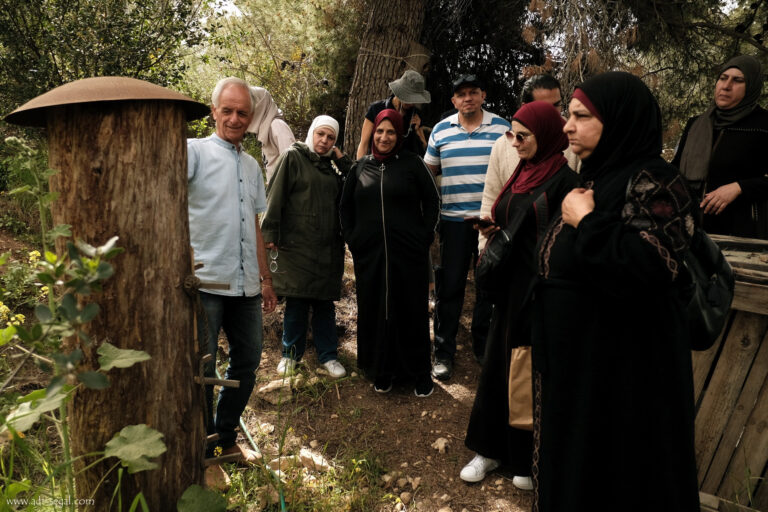
Muslim women learn how to raise bees using the biodynamic method with Bees for Peace
EU and UN funding mechanisms must decide: is the UofM convening for rural transformation — or rehearsing familiar political scripts? I vote for the latter. This time they didn’t put a woman with a hijab on the cover. We know that in many traditional Muslim societies women face restrictions on working outside the home, never mind farming. A panel worth featuring would have been beekeeping for peace, an actual initiative that could help Palestinian women earn income from their rooftops. But the UofM would never dare mention it because the founder of the project is Israeli.
Jordanian-American scientist Omar Yahgi wins with the Nobel Prize for advancing AWG, pulling water from thin air, using chemistry and physics.
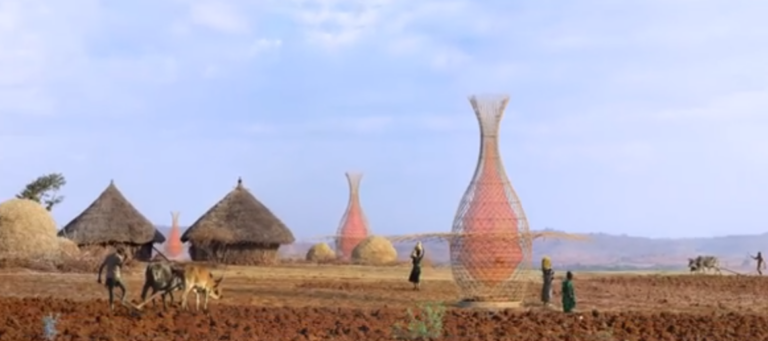
Atmospheric water generators (AWGs) sound like magic: machines that can pull drinking water out of air. The idea is mentioned in the Bible, where the elders would pray for water collected as dew on plants and the catch on turning this into a machine is in the physics. To turn invisible vapor into liquid, you must remove heat, especially the latent heat of condensation. In real machines, that usually means refrigeration (cooling air below its dew point) or heating/desorbing moisture from sorbents. Either way, energy use rises fast as humidity drops. While many solutions exist on the market, the solutions aren’t magic. Too much energy needs to go into the AWG machines to make the water from thin air concept work.
Peer-reviewed assessments put many active AWGs in the rough range of ~0.35 to >1.1 kWh per liter depending on climate and design see this paper. A broader scientific review of atmospheric water harvesting thermodynamics estimates maximum yields around 0.34 to0.73 L/kWh under various assumptions, equivalent to roughly ~1.4 to 2.9 kWh per liter in the “best case” envelope. See PNIH resource. Lab and field results can be lower or higher depending on temperature, humidity, airflow, and heat exchange losses.
The core problems of AWG, water from air generators
Watergen’s Ofer Inbar
Low humidity = tiny water per cubic meter of air. The drier the air, the more air you must process to get a liter, which means bigger fans, larger heat exchangers, and more power.
Cooling penalty. Condensation-based AWGs must cool air below dew point; that’s energy-intensive, especially in hot-dry regions where dew point can be very low.
Heat management. You must dump heat to the environment (or recover it). Poor heat rejection and frosting risks can crater performance.
Water quality isn’t “free.” Collected water still needs filtration/UV/mineralization and safe storage, adding energy and maintenance.
So how can AWGs be solved?
AC unit collects water. Use it as a part of the water-savings methods at the home or in the factory.
The most promising pathways don’t “beat physics” — they change the system boundary:
Use low-grade heat or solar thermal to regenerate sorbents instead of running compressors. MOF-based devices have shown solar-driven harvesting in arid climates (Kim et al., in this 2018 Nature article).
Hybridize with HVAC/dehumidification you already pay for to run. If a building must remove humidity anyway, capturing and polishing that water can be “incremental” rather than “extra.” While it might not run showers, the water can be used to water gardens or flush toilets. See our article on top uses for AC water.
Raise efficiency via better sorbents + heat recovery. New cycling strategies and materials aim to cut regeneration energy and speed cycles (Kang et al., 2024).
Target the right use cases. Emergency backup, remote sites, islands, and places where trucking water is expensive can justify higher kWh/L.
10 promising companies in the AWG space
Watergen generates water from air in Bukhara
SOURCE Global (solar “hydropanels”) — promising for off-grid drinking water where sunlight is abundant (SOURCE how it works).
Watergen — large deployments and claimed efficiency improvements; best fit in warm/humid conditions. See our past article on Watergen.
Genesis Systems — containerized systems positioned for disaster resilience and humid climates.
Aquaria — scaling “water from the sky” for housing developments; success depends on cost per liter vs local supply (Time on Aquaria).
Skysource / Skywater Alliance (WEDEW) — notable for renewable-energy framing and resilience applications (XPRIZE profile).
AirJoule — one to watch if real-world data confirms lower energy via novel separation/recovery approaches (AirJoule investor deck).
Airjoule
Uravu Labs — interesting liquid-desiccant path tied to renewables and local bottling models (Mongabay India).
Kara Water — consumer appliances; compelling product story, but energy economics must be transparent (Kara Water).
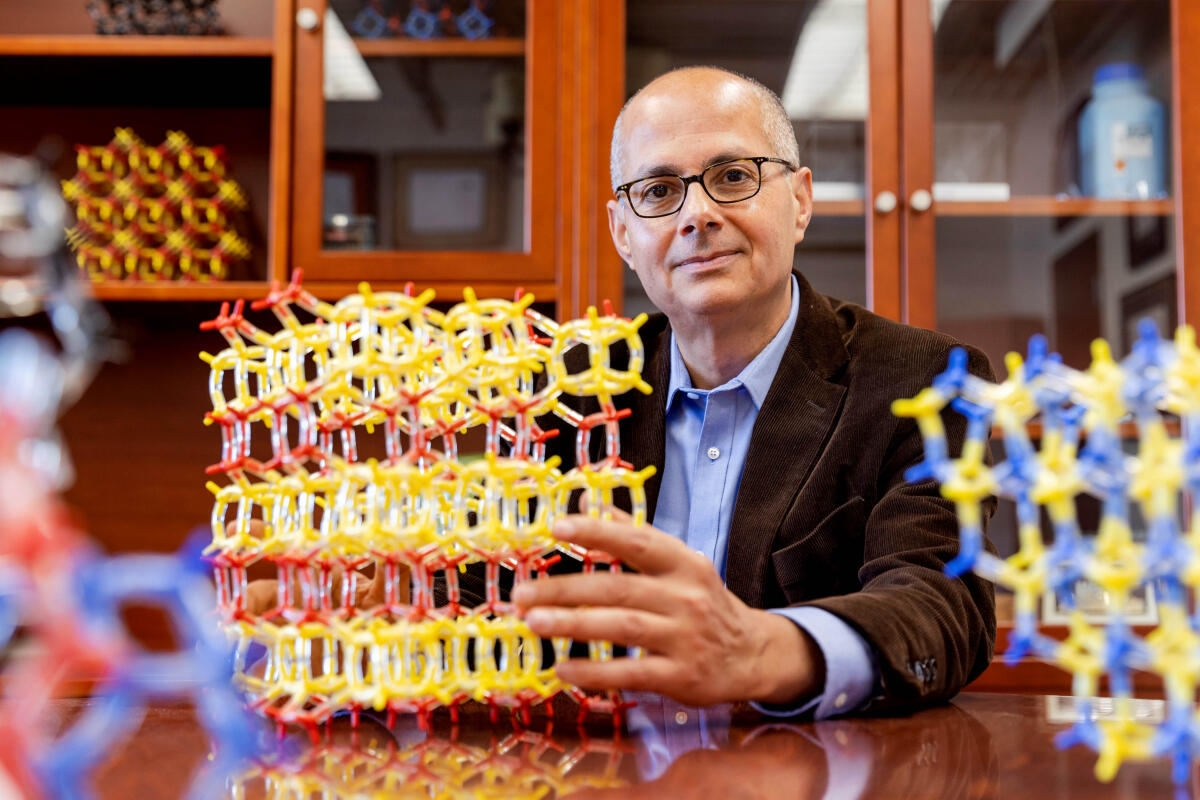
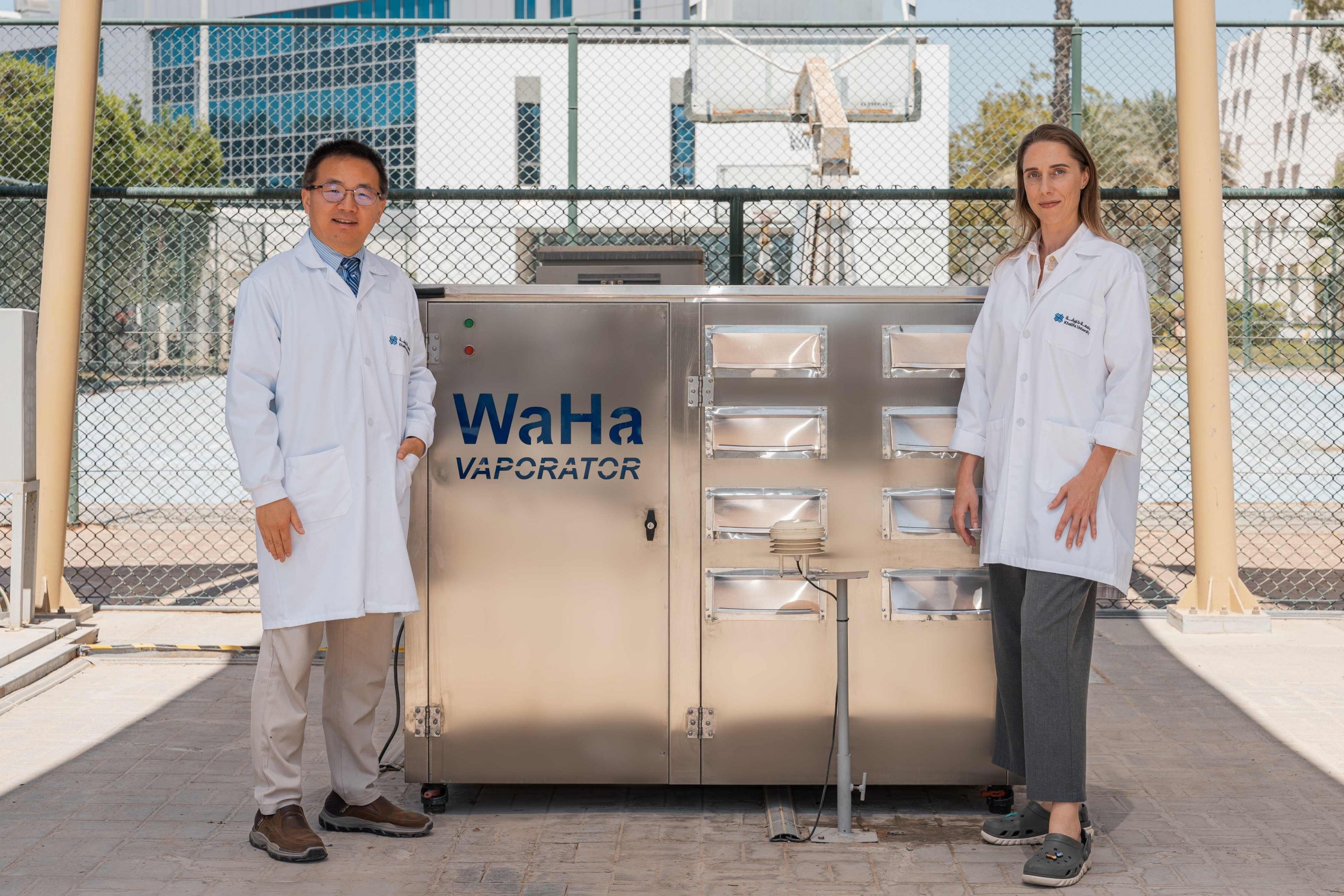
WaHa from Saudi Arabia is positioning around “water + dry air” and grid-independent operation; worth watching for verified field performance (WaHa). Professor Omar Yaghi, a distinguished chemist from the University of California, Berkeley, and pioneer of reticular chemistry (inventor of Metal-Organic Frameworks/MOFs). Born in Jordan and working in California, he was awarded the 2025 Nobel Prize in Chemistry, shared with Richard Robson and Susumu Kitagawa, for this work. Waha is active in Saudi Arabia and the UAE.WAHA
Omar Yahgi, a Jordanian-American Nobel Prize winner who founded Waha
AWGs are rarely the cheapest way to make water where pipelines, wells, or desalination are available. They are commonly used by armies to create water in remote locations where energy isn’t an issue. Diesel or solar does the heavy lifting. But as materials improve, and as systems tap waste heat, solar thermal, or existing dehumidification loads, AWGs can become a practical niche tool, especially for resilient, point-of-use drinking water in the places that need it most in off-grid sites and in emergency settings.
The Mayu team has cracked the code on how to make spring water
Let’s aim for the day when fusion energy is real, and we can all pull water from the air to drink. Just add some Mayu minerals to make the water work well for your body.
When my kids were around seven, dry, itchy, eczema patches appeared behind their knees. A Chinese skin doctor told me eczema is “asthma of the skin.” It sounded strange at the time — neither child had breathing problems — but the idea stayed with me. Skin, like lungs, is an interface with the environment. What we breathe, what settles in our homes, the air pollution outside, even microplastics, all of it may shape how a child’s immune system learns to respond.
Now a new study from researchers at the Icahn School of Medicine at Mount Sinai, Weill Cornell Medicine, and collaborating institutions offers a biological explanation for why eczema so often begins in childhood. Published February 25 in Nature, considered the best science journal, on the planet, the research identifies a brief early-life window when the skin’s immune system is wired to overreact to allergens.
Eczema affects nearly one in four children and frequently appears in infancy. It can also precede asthma and food allergies, a progression sometimes called the “atopic march.” Until now, scientists have struggled to explain why allergic skin disease is so tightly linked to early childhood.
Plants spruce up your dorm and clean the air
The team focused on dendritic cells, the immune sentinels in the skin that detect environmental triggers. In young mice, these cells behaved differently than in adults. They didn’t overreact to everything. But when exposed to common allergens such as dust mites and mold, infant mice developed strong skin inflammation, while adult mice did not.
The difference appears to lie in timing and immune programming.
“We found that allergy risk is shaped very early in life, when the skin’s immune system is biologically programmed to overreact to allergens, with important consequences for understanding how immune-mediated diseases emerge and should be treated,” said senior author Shruti Naik, PhD.
In early life, dendritic cells were unusually active and quick to trigger allergic inflammation. When researchers blocked this pathway, the young mice did not develop skin allergies. The team also discovered that infant mice lack normal levels of stress hormones that later help keep immune reactions in check, effectively removing a natural brake on inflammation.
Importantly, signs of the same immune activity were found in skin samples from children with early-onset eczema, but not in adults. That suggests this early-life immune window may also operate in humans.
“This work was only possible through a true clinic-to-lab collaboration—where insights from pediatric patients shaped the questions we asked in the lab,” said co-author Emma Guttman-Yassky, MD, PhD.
Microplastics and orthodontic plastic aligners. Is there a health risk of keeping plastic in a child’s mouth for weeks, months and years?
The findings reinforce something environmental health researchers have long argued: early life is not simply a smaller version of adulthood. It is a distinct biological phase with its own rules and vulnerabilities.
“Children are not simply small adults when it comes to immunity,” said Dr. Naik. “Their immune system follows a unique set of rules, and recognizing that difference is essential for understanding—and ultimately preventing—allergic, immune-driven diseases that begin in childhood.”
According to the Children’s Hospital of Los Angeles, “The skin is the largest organ in the body and plays many essential roles, including maintaining a protective barrier, providing immunity, and communicating with the outside world.”
To manage eczema the clinic suggests managing triggers like dry skin, heat, and allergens, alongside using thick, fragrance-free moisturizers, soap substitutes, and prescribed steroids to control symptoms. I did notice that my kids’ skin problems started when we were living in the Middle East when the air was polluted and the temperatures hot and dry.
For Green Prophet readers, the takeaway is clear. The first years of life may represent a critical window when environmental exposures: dust, mold, indoor allergens, pollutants, microplastics, all shape immune trajectories in lasting ways. If scientists can find safe ways to calm this early-life immune pathway, it may be possible to prevent allergic disease before it spreads from the skin to the lungs or gut.
The study is titled “Peripheral immune-inducer (pii)-DCs drive early life allergic inflammation.”
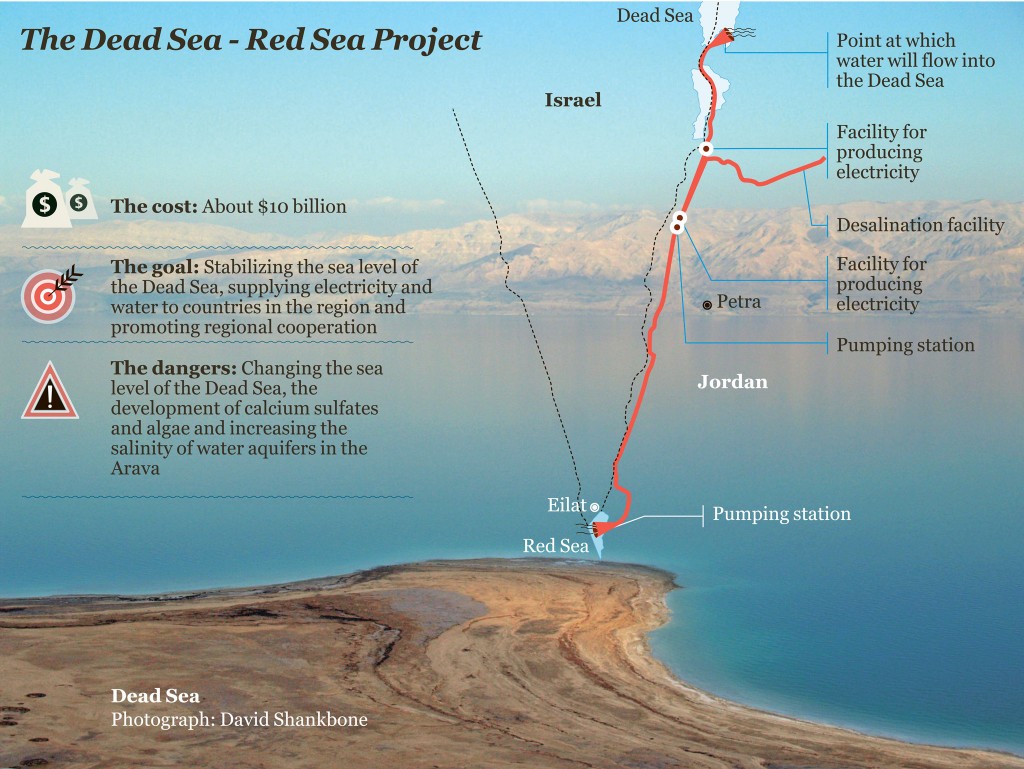
Jordan needs $6 billion USD to built a desalination plant on the Red Sea
Jordan, which has long received a lion’s share of USAID for survival, and which receives $1.5 billion USD every year to help with water and basic needs, is one of the poorest countries and most water-scarce countries on Earth. In parts of Amman, the most unwalkable city on the planet, households still receive municipal water only once a week. You order a truck and a you pay $50 or so for the company to fill up your water tank. If you are lucky, you build 2 or 3 tanks so you can be sure about your next shower.
National renewable freshwater availability stands at well under 100 cubic meters per person annually, which is far below the international benchmark for “absolute scarcity.” And Jordan has started building itself as a greenhouse and agriculture center of the region.
Hydroponics farming is a good solution for growing food in countries where water is scarce. A USAID program gives training to local Muslim farmers so they can grow their own food and livelihood.
Now Jordan is advancing one of the the largest infrastructure project in its history: the Aqaba–Amman Water Desalination and Conveyance Project. The plan links a massive Red Sea desalination plant to a 450-kilometer pipeline that will transport water north to the capital. An original plan over the years was the Red Dead Canal, a partnership with Israel. But after decades of inaction from both sides, they want to do it alone if they can pull off the billions in financing needed.
In 2025, the Jordanian government signed agreements with a consortium led by Meridiam and SUEZ, alongside VINCI Construction and Orascom Construction. Under a 30-year concession agreement, the consortium will design, build, finance, operate, and maintain the system before transferring it back to the Jordanian government. The total investment is estimated at approximately $6 billion USD.
What the Desalination Project Will Deliver
A dead idea: The Red-Dead, a proposed desalination project between Jordan and Israel to revive the Dead Sea and bring water to Amman.
At full capacity, the system is expected to supply 300 million cubic meters of desalinated water per year, covering roughly one-third to 40% of Jordan’s drinking water demand.
The system includes:
A large reverse osmosis desalination plant near Aqaba on the Red Sea
A 300-mile conveyance pipeline to Amman
High-capacity pumping stations lifting water more than 1,000 meters in elevation
Expanded storage infrastructure in the Amman region
The plant’s projected output — about 800,000 to 850,000 cubic meters per day — would make it one of the largest seawater reverse osmosis facilities in the world. Saudi Arabia, which borders Jordan, currently runs the largest desalination plant in the world, a title taken from Israel not long ago. Israel has long been a pioneer of membrane technology, which is the technology needed to separate salt and brine from the water.
According to SUEZ, the project “will significantly strengthen Jordan’s long-term water security while integrating environmental best practices in desalination.”
Who Will Profit from Jordan’s Water?
Karin Kloosterman, Green Prophet founder was invited to a Middle East water event in Switzerland where she met Prince Hassan of Jordan.
The financing structure is a public-private partnership. The consortium will raise a significant portion of the capital through a mix of private equity and project debt. Multilateral development banks are expected to participate, including institutions such as the European Bank for Reconstruction and Development and the International Finance Corporation, alongside export credit agencies and commercial lenders.
Jordan’s government will ultimately purchase the water under long-term offtake agreements, creating predictable revenue streams for the concession holders over three decades.
That means: Infrastructure investors like Meridiam earn a stable, long-term return. SUEZ generates operating revenue from managing one of the region’s most strategic water assets. Construction giants VINCI Construction and Orascom Construction secure multi-billion-dollar engineering contracts. Lenders collect interest over the concession period. Jordan gains water security.
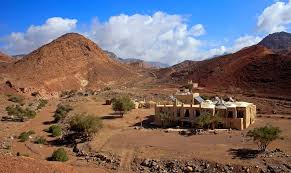
Sustainable hotel in the Dana Bioreserve, Jordan
The question now is whether the financial model keeps water affordable for citizens while delivering returns to international investors? Locals I have spoke with found the cost of water to be negligible in their montly expenses, but will the costs increase going forward? In some countries the cost of water is free, and in others water is difficult to obtain, like on islands in Thailand where you can’t think of drinking tap water. Desalinated water is drinkable, as long as added minerals are put in place. Can Jordan do this?
Another option is for Jordan to strengthen trade with Saudi Arabia, which operates extensive desalination infrastructure along the Red Sea, producing over 3 billion cubic meters of water daily and accounting for nearly 50% of global desalination capacity. If the Vision 2030 ever comes to be, this is probably what will happen in reality.
Teens smoke but cannabis is not good for mental health: new study from Canada
One hallmark of Justin Trudeau’s leadership in Canada was legalizing cannabis, making it legal to buy it at shops and dispensaries even without a doctor’s note. That act has made accessibility to cannabis commonplace and within reach for teens too, who are fond of gummies and edibles. But cannabis can hurt developing brains, and it’s not only providing pain relief and therapy. While it can calm symptoms of PTSD, it can also lead to negative outcomes such as anxiety and depression, finds a new study.
The study looked at 35,000 Canadians who use cannabis and shows that rising cannabis use and worsening mental-health symptoms are increasingly appearing together, with the connection between the two strengthening over time.
The study, led by McMaster University, was published in The Canadian Journal of Psychiatry and analyzed data from two large, nationally representative Statistics Canada surveys of Canadians aged 15 and older living in the provinces, to examine cannabis use and mental-health outcomes between 2012 and 2022.
With the legalization of cannabis in Canada landing at the midpoint of the study period, the authors suggest that stronger products, wider availability, and increased use for stress relief may be contributing to the patterns they observed. The study doesn’t prove causation, but it underscores a widening public-health issue as cannabis use and mental-health challenges rise in parallel.
“We see that Canadians who use cannabis tend to be more likely to meet criteria for anxiety and depressive disorders, and more likely to report suicidality. We also see that this co-occurrence has strengthened over time,” said Jillian Halladay, an assistant professor who contributed to the study.
Key findings:
The number of people reporting generalized anxiety disorder and major depressive episode nearly doubled, increasing to 5.2% and 7.6%, respectively.
Suicidality didn’t change much in adults but increased by 44% among youth. Younger Canadians also saw some of the strongest cannabis–mental-health connections.
Canadians who used cannabis at any level, compared to those who did not, were more likely to meet criteria for generalized anxiety disorder and major depressive episode and report suicidality. The connection between cannabis use and these mental-health problems strengthened over time.
In 2022, Canadians who used cannabis regularly (two or more times a week) were about five times more likely to report anxiety, depression, or suicidality than those who did not use cannabis.
“This extends our prior study that similarly found a strengthening in the co-occurrence of cannabis use and these mental-health problems between 2002 and 2012,” she says.
Halladay and her fellow researchers emphasize that the growing overlap between cannabis use and mental-health problems highlights the need for earlier detection of anxiety, depression, and suicidality among people who use cannabis, as well as routine screening for cannabis use in mental-health settings.
“It’s important for people to recognize when and how their cannabis use may be impacting their mental health, and how their mental health may be influencing their cannabis use. It’s also increasingly important for health and mental-health providers to assess and address both cannabis use and mental-health concerns together.”
This study furthers recent research from McMaster that found anxiety and depression rates among teenagers increased nearly three-fold over the last decade. In that study, rates of anxiety and depression were higher in teens who use cannabis heavily.
March 1 is World Seagrass Day, which celebrates the flowering plants that look like blades of grass waving in our oceans and in Puget Sound.The United Nations created World Seagrass Dayas an opportunity “to promote and facilitate actions for the conservation of seagrasses in order to contribute to their health and development.”
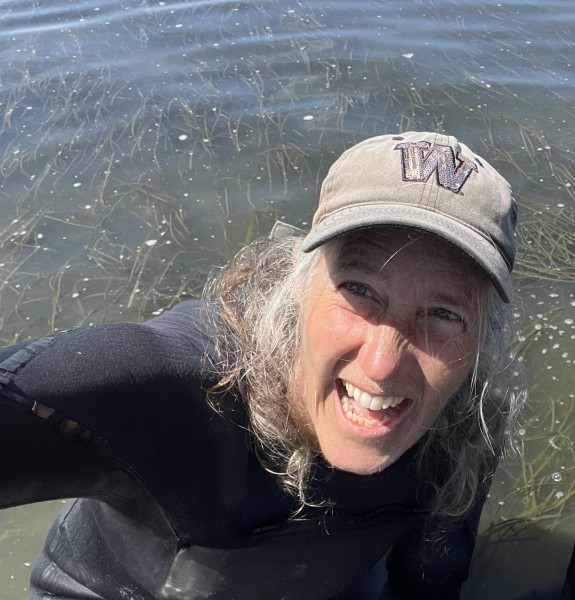
Jennifer Ruesink, University of Washington professor of biology, studies the relationship between the environment and marine organisms, including eelgrass, the primary species of seagrass that resides in the waters in and around Washington.
Jennifer Ruesink
In honor of World Seagrass Day, Ruesink explains what seagrass is and what makes the seagrasses in Washington unique.
What is seagrass and why is it important?
Jennifer Ruesink: Seagrasses are “land plants” that have moved into ocean habitats. They have roots, stems, leaves, flowers, fruits and seeds. There are only about 70 species of seagrasses, representing just 0.02% of all flowering plant species.
Seagrass matters to humans in many ways. It cycles nutrients and carbon, provides habitat for fish and decapods, and it anchors sediment in place, which contributes to shoreline stabilization. It’s a sentinel species for good water quality — in fact, impaired water quality from nutrient pollution, coastal building and erosion are its biggest threats.
Beyond these utilitarian values, seagrass is “wonderful” in the truest sense of that word — the way it grows, moves and shapes the environment provides a continual source of wonder.
What makes seagrass different from seaweed and other ocean plants?
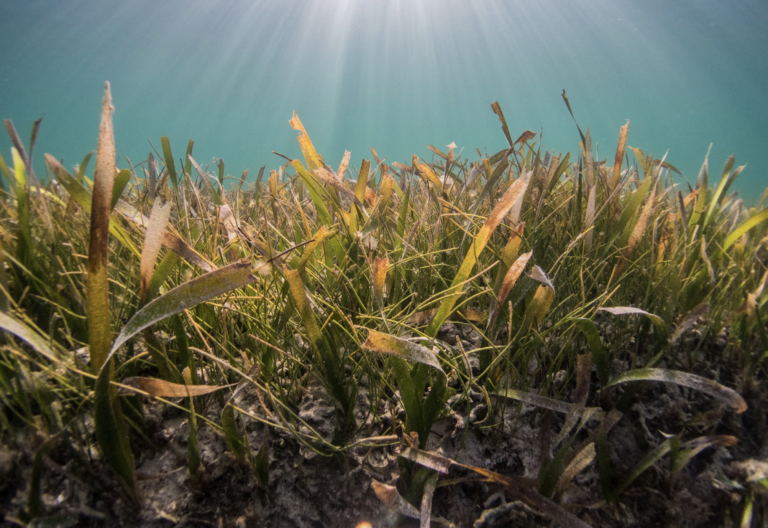
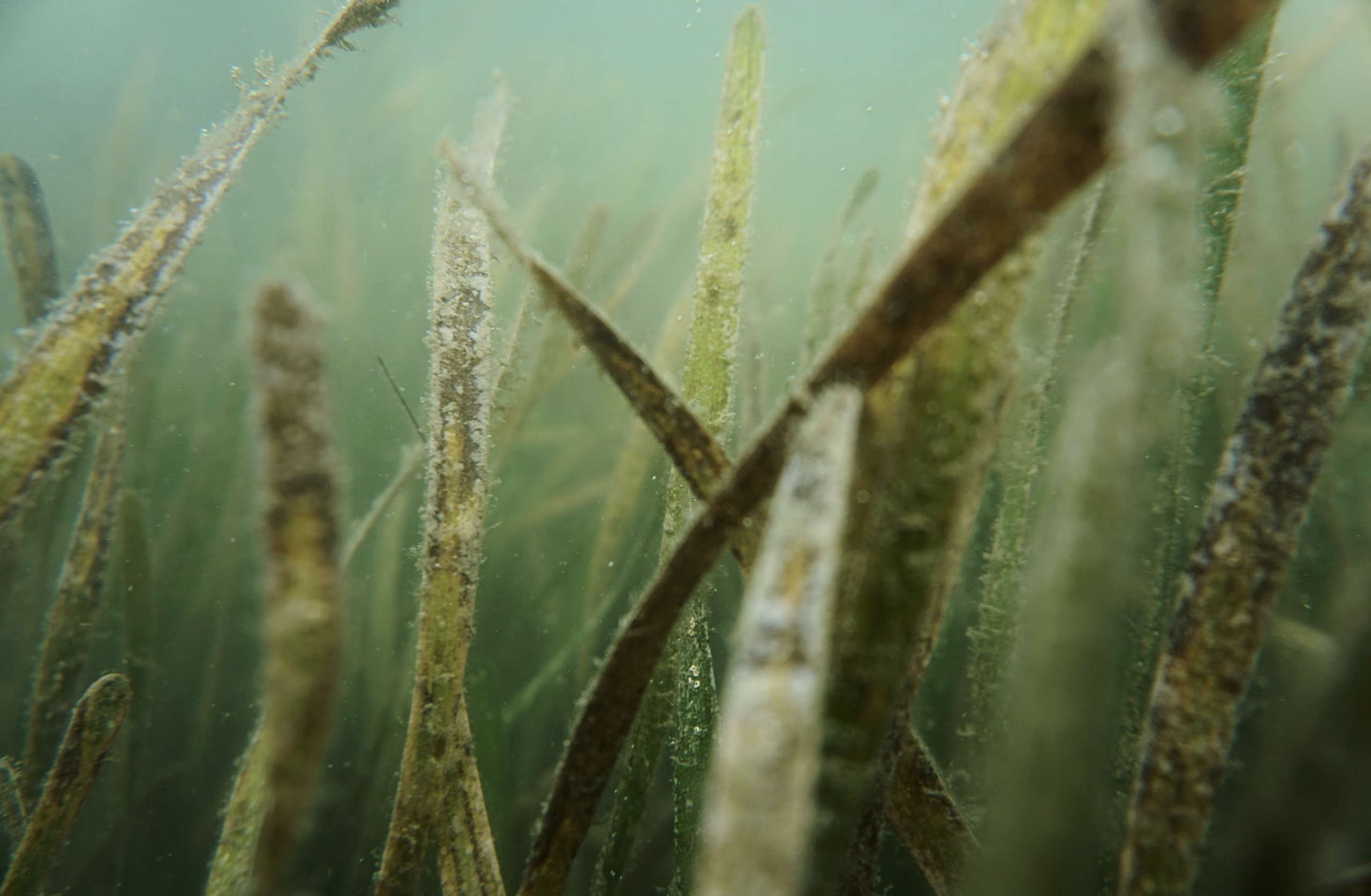
SeagrassSeagrass Habitat | Thalassia testudinum (turtle grass) | Fort De Soto Park | Photographer: Joe Whalen
JR: In addition to seagrasses, there are many other photosynthetic organisms that live in the ocean. Collectively they provide half of our global oxygen. But the others are different from seagrasses: Seaweeds, also known as macroalgae, do not make roots or flowers. Tiny microalgae live on ocean surfaces, even on the seagrass leaves themselves. Other photosynthetic organisms, such as phytoplankton, drift as single cells or small colonies in the water.
Seagrasses are colloquially called “grasses” because many have grass-like shapes with long strap-like leaves that grow from the base, and their stems move horizontally underground. From an evolutionary perspective, seagrasses do not group with the terrestrial grass family but instead have unique families or share relatives with freshwater plants.
What does seagrass look like in the ocean?
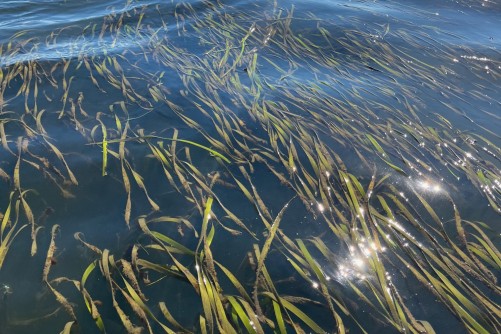
JR: If you think of a prairie on land, it is full of different plant species that grow to different heights, flower at different times, and extract light and nutrients with different efficiencies. Seagrass meadows are the prairies of the ocean, but they frequently consist of just one seagrass species. Because the number of seagrass species is so small, much of the dramatic variability occurs within single species, rather than across multiple species. Here in Washington we mostly have the same species — eelgrass, orZostera marina— that’s found from 23-70 degrees north latitude on both sides of the Pacific and Atlantic Ocean.
Tell us about eelgrass in Washington.
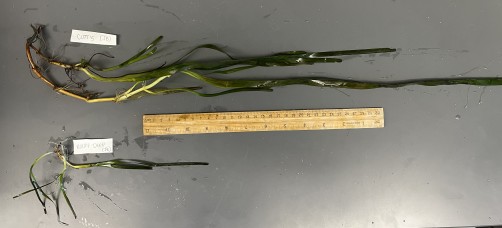
JR: The remarkable thing is that there is so much of eelgrass variability present within our state. For example, some populations have shoots that replicate solely by branching, making genetic copies of themselves as they go. Other populations have shoots that never branch, but instead germinate, flower and die within a summer, overwintering as seeds. Shoots in Washington range from a diminutive 0.7 feet to nearly 6.5 feet long.
You can find eelgrass at low tide in the intertidal zone and as deep as 50 feet in the clear water along the Strait of Juan de Fuca. It lives in places that have ocean salinity, but it also lives near rivers where the winter salinities drop to about 85% freshwater. The eelgrass bed protected by the Padilla Bay National Estuarine Research Reserve is estimated at 8,000 acres, and Willapa Bay on the coast contains nearly 14,000 acres. Eelgrass also grows in a narrow “bathtub ring” on steeper soft-sediment shorelines throughout the state.
It makes sense that this diversity within a species is a product of evolving in the varied environments of Washington’s vast and convoluted shoreline. We think this variability should confer resilience to change, but that’s an ongoing exploration.
Washington also has two seagrass species other thanZostera marina:Ruppia maritima, which is a fast-growing species characteristic of brackish channels in saltmarshes, andNanozostera japonica, which was established in the state in the 1950s after being inadvertently introduced from Japan. You can find them all growing together in a few places.
How would you suggest that someone celebrate World Seagrass Day?
JR: There are plenty of public-access shores around Seattle — including Golden Gardens and the south side of Alki Point — where you can see eelgrass growing. At this time of year, you might seeblack brantnearby. These small geese feed on eelgrass to fuel their migration. To see eelgrass, you need a low tide since it can’t handle staying out of the water very long. On World Seagrass Day, good low tides occur after dark — around 9 p.m. in the Seattle area. If you do find seagrass, you can take a picture and help data collection about its distribution by uploading your information to iNaturalist.
Any time you’re at the beach, you might find eelgrass washed up on shore: Keep an eye out for the leaves — green, flexible rectangles — especially if they’re connected to chunky brown cylinders — the stems, orrhizomes. Each node on the rhizome is the scar of a former leaf. This is fun to think about because it helps demonstrate the dynamic lifestyle of this plant: Each leaf lasts a couple of months before it’s left behind on the rhizome and decays. Meanwhile the production of a new leaf every couple of weeks both turns over the biomass and moves the shoot along the sediment.
The question of what constitutes safe artificial turf has generated substantial debate among athletic directors, facility managers, and sports medicine professionals. While synthetic playing surfaces have transformed the landscape of organized athletics over the past six decades, the conversation around player protection has matured significantly. Today, independent university research and standardized testing protocols offer concrete answers about which technologies and design principles deliver the strongest safety outcomes for athletes.
A comprehensive analysis published byAstroTurf experts on turf field safety identifies several critical factors that separate premium synthetic surfaces from standard installations. Chief among these factors is infill stabilization technology, which addresses one of the most persistent challenges in synthetic turf performance: the migration of granular materials away from high-traffic areas toward less-used zones of the playing field.
The Science Behind Impact Attenuation
Player protection on any athletic surface begins with the field’s ability to absorb and disperse kinetic energy when athletes fall or make contact with the ground. TheAmerican Society for Testing and Materials developed GMAX testing protocols that have served as the industry standard for measuring this impact attenuation capability for more than three decades.
Under ASTM F355 Procedure A and ASTM F1936 specifications, a 20-pound missile is dropped from a height of 24 inches at multiple locations across a field, measuring the surface’s response to simulated athlete impacts. The maximum allowable GMAX value stands at 200 G’s according to ASTM guidelines, though the Synthetic Turf Council and NFL mandate more conservative thresholds of 165 G’s for professional applications. Premium synthetic turf systems targeting natural grass equivalence maintain GMAX values between 90 and 115 G’s, matching the shock absorption characteristics of well-maintained professional fields.
The significance of these measurements extends beyond abstract numbers. Research indicates that approximately 17.5 percent of concussions sustained by student athletes result from contact with playing surfaces rather than collisions with other players. This statistic, drawn from a study conducted by researchers at theUniversity of North Carolina at Chapel Hill, underscores why consistent impact attenuation across an entire playing surface matters for athlete welfare.
University Research Validates Safety Technologies
The most credible safety claims in the synthetic turf industry trace back to peer-reviewed research conducted at accredited academic institutions. AstroTurf has invested millions of dollars in research partnerships that have produced measurable improvements in understanding surface-athlete interactions.
TheUniversity of Tennessee’s Center for Athletic Field Safety represents what researchers describe as the single largest athletic field research effort ever undertaken. The facility comprises 60 small-scale athletic research fields constructed from various playing surfaces, enabling scientists to conduct both mechanical and human studies under realistic playing conditions. Dr. John Sorochan, Distinguished Professor and Director of the center, has stated that the facility’s primary goal is to make fields safer at all levels of play.
The collaborative research has directly influenced product development strategies, steering the company’s offerings toward matching and surpassing professionally maintained natural grass. This natural grass benchmark serves as the gold standard because it represents the surface characteristics that athletes’ bodies have adapted to over generations of organized sports.
Independent research conducted at Michigan State University examined biomechanical properties across multiple synthetic turf systems. The study identified the proprietary AstroTurf RootZone technology as “the most influential variable” in reducing torque transmitted to lower extremities because it “limited cleat contact with the infill and provided a less compacted infill layer.” These findings carry particular weight because the research was independently funded, eliminating potential bias from manufacturer-sponsored studies.
How Infill Stabilization Addresses Surface Consistency
Infill migration presents one of the most significant maintenance challenges in synthetic turf management. During intensive play, traditional surfaces experience movement of sand and rubber granular materials from goal areas, sidelines, and other high-use zones toward the perimeter of the field. This migration creates unpredictable surface behavior precisely where athletes need consistent conditions the most.
The engineering solution developed by AstroTurf involves crimped nylon fibers that create a three-dimensional matrix beneath the playing surface. This matrix encapsulates infill material and prevents migration during play, maintaining uniform shock absorption and traction characteristics across the entire field throughout the product’s operational lifespan.
When infill remains stable, athletes experience predictable surface behavior that allows confident planting, cutting, and directional changes. This predictability reduces the unexpected variations that contribute to lower extremity injuries, including ACL tears and ankle sprains. The consistency factor proves especially important during the later stages of games when fatigue may compromise an athlete’s ability to compensate for inconsistent surface conditions.
Testing Standards Beyond Basic Impact Assessment
While GMAX testing provides essential information about shock absorption, a comprehensive safety evaluation requires multiple assessment methods. TheFIFA Quality Programme establishes rigorous testing criteria that examine ball roll, bounce characteristics, energy restitution, vertical deformation, and rotational resistance alongside impact attenuation measurements.
FIFA’s 2024 update to its Test Manual introduced the Head Injury Criterion 1000 test, which assesses a surface’s ability to mitigate high-energy impacts by establishing a minimum critical fall height requirement of 0.60 meters. This addition reflects growing attention to head injury prevention in professional athletics and demonstrates how international governing bodies continue to raise performance benchmarks.
The synthetic turf manufacturer based in Dalton, Georgia, subjects its systems to One Turf testing protocols, which industry professionals consider the gold standard in comprehensive turf evaluation. This testing framework aligns with standards from FIFA, World Rugby, and the International Hockey Federation simultaneously, ensuring products meet requirements across multiple sports applications.
In-house testing facilities equipped with Berlin Athletes machines, QUV weathering testers, and accelerated wear simulators enable validation before field deployment rather than relying solely on post-installation assessment. This pre-market validation approach ensures innovations translate to real-world performance improvements.
Advanced Fiber Technologies Contribute to Player Protection
The fibers comprising an artificial turf surface play a substantial role in safety performance beyond their primary function of supporting athletic activity. Modern fiber technologies address concerns ranging from surface abrasiveness to thermal management.
Sharkskin technology reduces skin friction, addressing turf burn concerns that have historically affected athletes in sliding sports. The integration of antistatic additives reduces static electricity by substantial margins compared to standard fibers, which helps maintain infill stability during dry conditions when particle migration would otherwise increase.
Temperature management innovations respond to concerns about surface heat, particularly for facilities in warmer climates or those with limited shade coverage. Advanced polymer formulations incorporating thermal shield technology reduce the rate at which fibers absorb heat, enhancing athlete comfort while simultaneously extending fiber lifespan by reducing thermal degradation.
Antimicrobial treatments eliminate bacterial odors and prevent microbial buildup on fiber surfaces, contributing to healthier playing environments, particularly relevant for multi-use facilities where surfaces experience intensive daily use across various user groups.
The Multifactorial Nature of Athletic Injuries
Responsible discussion of playing surface safety acknowledges that turf represents one variable among many in athletic injury prevention. Player conditioning, footwear selection, weather conditions, game intensity, fatigue levels, and individual biomechanics all contribute to injury patterns observed in organized athletics.
Dr. James Voos, Chair of the Orthopedics Departments at University Hospitals and Case Western Reserve, has emphasized the importance of educating athletes on proper footwear selection while noting that schools must adequately maintain turf surfaces to appropriate quality standards. This perspective reflects the consensus view among sports medicine professionals that injury prevention requires attention to multiple interconnected factors.
Premium synthetic surfaces provide consistent, predictable playing environments that remove surface variability from the equation. Athletes who trust the ground beneath them can focus on performance rather than compensating for unpredictable conditions, which itself represents a safety benefit beyond measurable shock absorption metrics.
Manufacturing Quality and Vertical Integration
The consistency of safety characteristics depends on the reliable execution of design specifications throughout manufacturing and installation processes.AstroTurf controls all manufacturing and installation processes from initial polymer formulation through finished field installation, ensuring quality control at every production stage.
This vertical integration approach guarantees that only specified ingredients enter final products, addressing questions about material composition that facility managers increasingly raise during procurement decisions. Third-party analytical chemistry laboratories have tested raw materials and finished goods, with results showing contaminant concentrations below detectable limits.
Climate-controlled prefabrication facilities allow precise assembly of field sections before transport to installation sites, minimizing variables during field construction and ensuring consistent quality regardless of geographic location or weather conditions during installation periods.
The trajectory of synthetic turf development points toward continued integration of advanced safety features with sustainable manufacturing practices. For athletic administrators evaluating surface options, the research emerging from university partnerships offers clear guidance on which technologies deliver measurable protection for the athletes who ultimately depend on these decisions.
The Purim holiday is coming up next week: this year, 2026, it occurs from the evening of March 2nd until the evening of March 3rd. (In Jerusalem, where Shushan Purim is celebrated, the festival takes place on the following day, from March 3rd to March 4th.) Read about Purim and building a good society here.
Now here’s another treat for sending around: a delicate nut-filled Moroccan pastry called Haman’s Fingers. It’s a sweet take on savory Moroccan cigars.
Haman’s Fingers
Yield: 20 rolled pastries
Pastry Ingredients
2 cups whole walnuts
2 cups whole almonds
½ cup sugar syrup (recipe below)
1 tsp orange blossom water (optional)
½ tsp cinnamon
¼ tsp cardamom
¼ tsp allspice
¼ tsp kosher salt
15 sheets of frozen phyllo pastry, thawed overnight in the refrigerator
1 stick (½ cup) melted butter
Syrup Ingredients
1 cup water
1 cup sugar
1 tsp orange blossom water or 1 tbsp lemon juice
Zest of 1 orange
Directions
Remove the phyllo dough from the freezer to the fridge the night before starting. 2 hours before starting, remove the package from the fridge to room temperature. When ready to start, open the package and cover the phyllo with a damp towel or plastic wrap, to prevent drying out.
Make the syrup:
Bring water and sugar to a boil. Reduce the heat to a steady simmer and cook uncovered for 20-25 minutes, until syrup has reduced to about ⅔ cup. Add orange blossom water or lemon juice and orange zest. Set aside to cool.
Prepare the filling:
Place the walnuts and almonds in a food processor. Pulse until the texture resembles coarse crumbs, with some chunks.
Add ½ cup of the sugar syrup and the cinnamon, allspice, cardamom, salt, and optional orange blossom water. Pulse another couple of times until mixture comes together. Don’t overwork the filling; you don’t want a smooth paste, bu a mixture with some texture.
Roll the pastry:
Line a baking sheet with parchment paper. Preheat the oven to 375°F (190°C).
Place a sheet of baking parchment on your work surface. Melt the butter (30 seconds in the microwave should do it) and set it aside to cool.
Place 1 sheet of phyllo on the baking parchment. Brush with melted butter. Place a second sheet over it, brush with butter. Do the same with a third sheet, finishing with brushed butter.
Roll the filling into a tube shape on a clean surface. Place it half an inch from the edge of the phyllo layers, on the long side. Carefully roll up the dough. Slice it into 4 pieces.
Transfer the cigars to the baking sheet. Repeat with remaining phyllo and filling.
Glaze the fingers:
Brush the finished cigars with more butter and then brush generously with syrup. There will be some syrup left for a final glazing.
Bake for 15-20 minutes, until golden. Remove from oven and while still hot, brush with additional syrup to glaze.
Trim any filling that oozed out of the “fingers” off with a knife.
Store in an airtight container at room temperature for 3-4 days.
Mardi Gras is a time when illicit drugs appear in the wastewater.In early 2025, the party-loving city of New Orleans, Louisiana, hosted two major events within the span of a month: Super Bowl LIX and Mardi Gras. And, as with many major events, it appears there was an increase in recreational drug use during this time. Researchers publishing in ACS’ Environmental Science & Technology Letters show how monitoring wastewater revealed an increase in the use of relatively new dangerous synthetic opioids during these two events.
“Our study reveals the growing trend of synthetic opioid use in communities and our non-invasive approach to detect these emerging drugs, helping public health officials to respond more effectively and shape informed policies,” explains Ramesh Sapkota, an author of the study.
Opioid drugs including oxycodone, heroin and fentanyl have fueled an ever-worsening epidemic in the US. And after giant events in New Orleans they are popping up in the wastewater.
Synthetic opioids such as nitazenes are emerging as new drugs that are being misused. Nitazenes were first developed as an alternative to morphine in the 1950s but carried too high an overdose risk for clinical use. However, they re-emerged in the illicit drug market around 2019. And although they frequently appear in overdose-related deaths, not all jurisdictions are monitoring for them yet.
For example, Louisiana’s Department of Health reported that 46% of overdose deaths in 2023 were caused by opioids, but none officially report nitazene involvement, contradicting the national trends reported by the US Centers for Disease Control and Prevention.
And their most commonly found nitazene analogue, metonitazene, is 1,000 times more potent than morphine.
To monitor this emerging risk, Sapkota, Emilia Lomnicki and Bikram Subedi turned to a method that could provide near real-time, non-invasive results: wastewater monitoring. They say this is the first time that this technique has been used to track several nitazene compounds in municipal wastewater.
The researchers specifically focused on the period surrounding and including the Super Bowl and Mardi Gras in New Orleans (Jan. 23 to March 31, 2025) and collected a total of 28 samples from a treatment plant estimated to serve nearly 300,000 people. The analyses detected seven of the nine nitazenes down to trace levels in wastewater. And their most commonly found nitazene analogue, metonitazene, is 1,000 times more potent than morphine. Surprisingly, some analogues were found at similar levels during the week of the big events and the week after, and some were only found after Mardi Gras had concluded.
These estimates do not provide insight into the consumption rate of nitazene analogues because the excretion rates of these drugs must be understood first. However, early detection of these dangerous substances is incredibly important, especially during high-traffic events like those studied here.
“With this knowledge, valuable insight into the evolving dynamics of the overdose crisis is gained, and a discussion on public health responses to combat these illicit drugs and prevent further loss of life is opened,” concludes Lomnicki.
Wastewater treatment facilities do not adequately filter drugs and chemicals from drinking water and tap water. While some studies show high removal rates (>90%) for certain drugs, others indicate that many opioids, particularly synthetic ones, pass through standard treatment, leading to their release into environmental waters.