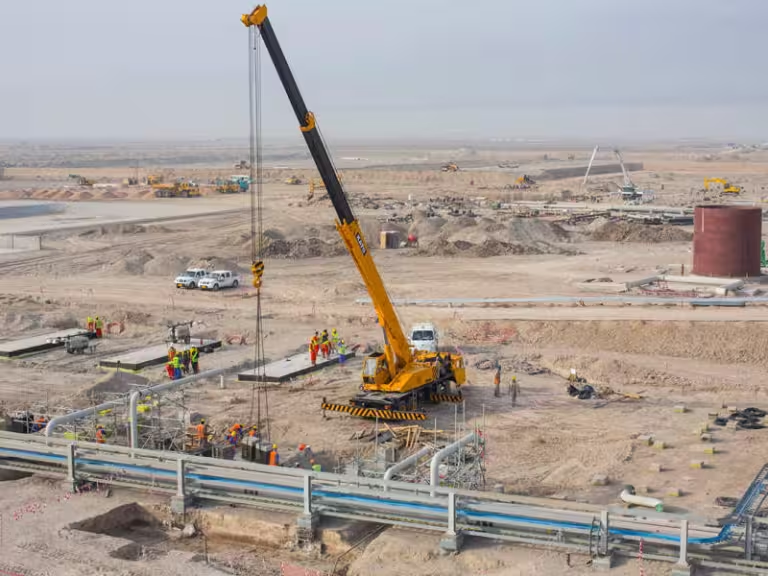
Soil pollution levels in parts of Basra are 1,200% to 3,300% higher than those typically measured in cities like Toronto or New York, according to new comparative soil data. It’s getting into water.
When ExxonMobil quietly returned to Iraq’s oil fields, signing new agreements tied to the Majnoon field and surrounding infrastructure in late 2025, it was framed as a story of stability. Security concerns once deemed too great were now manageable. Production would rise, pipelines would be upgraded, and jobs would follow.
While the US company promotes its renewed developments in Iraq to extract oil from a field known as “Majnoon”—Arabic for “crazy”—located roughly 50 miles from Basra, a city of five million people, no press release mentions what oil looks like when it enters a glass of water.
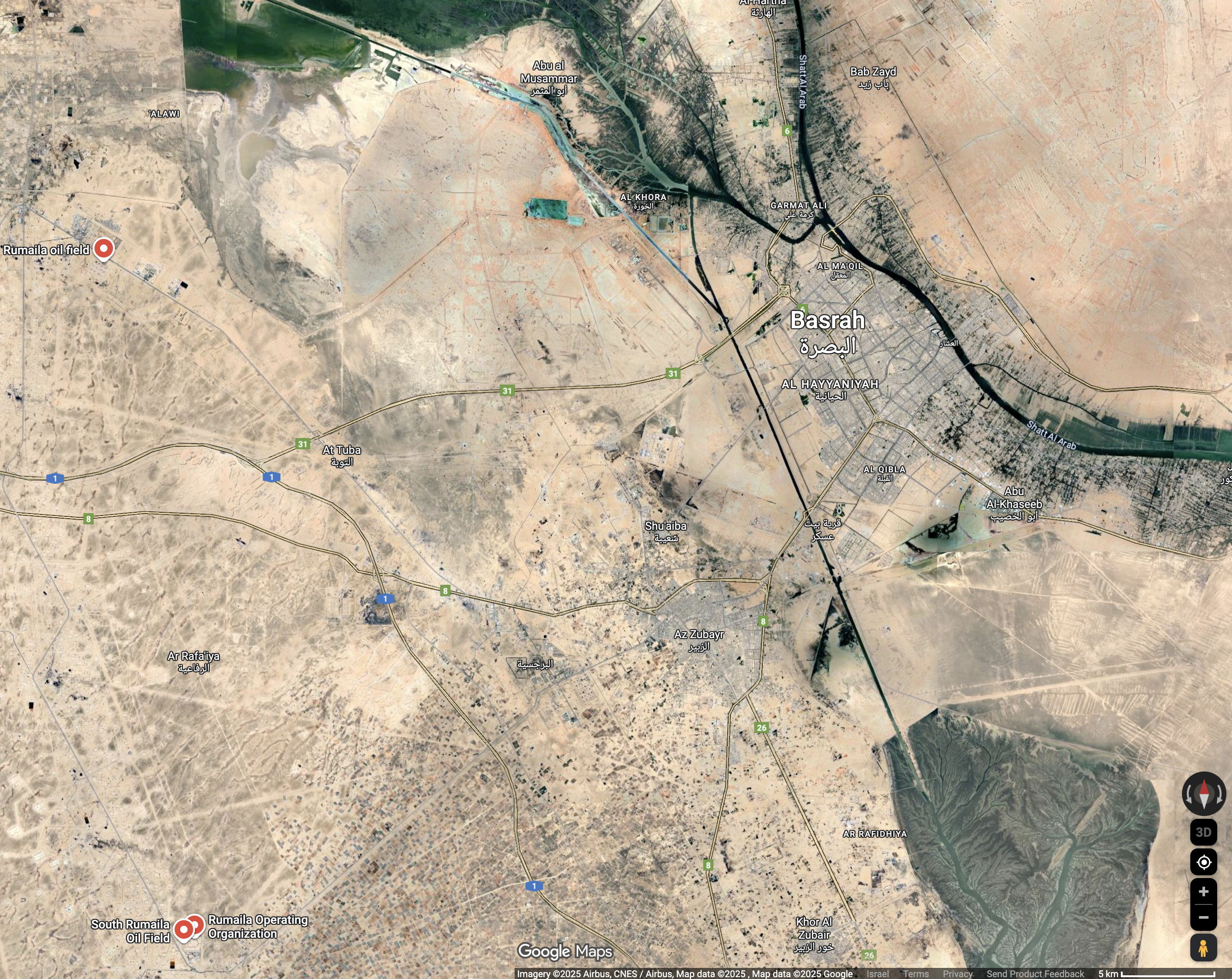
Within a five-mile radius of Basra city, oil operations are dominated by the Iraqi state-owned Basra Oil Company and international partners BP–PetroChina at Rumaila and Eni at Zubair. ExxonMobil’s former operations were located farther north and do not sit directly adjacent to the city itself.
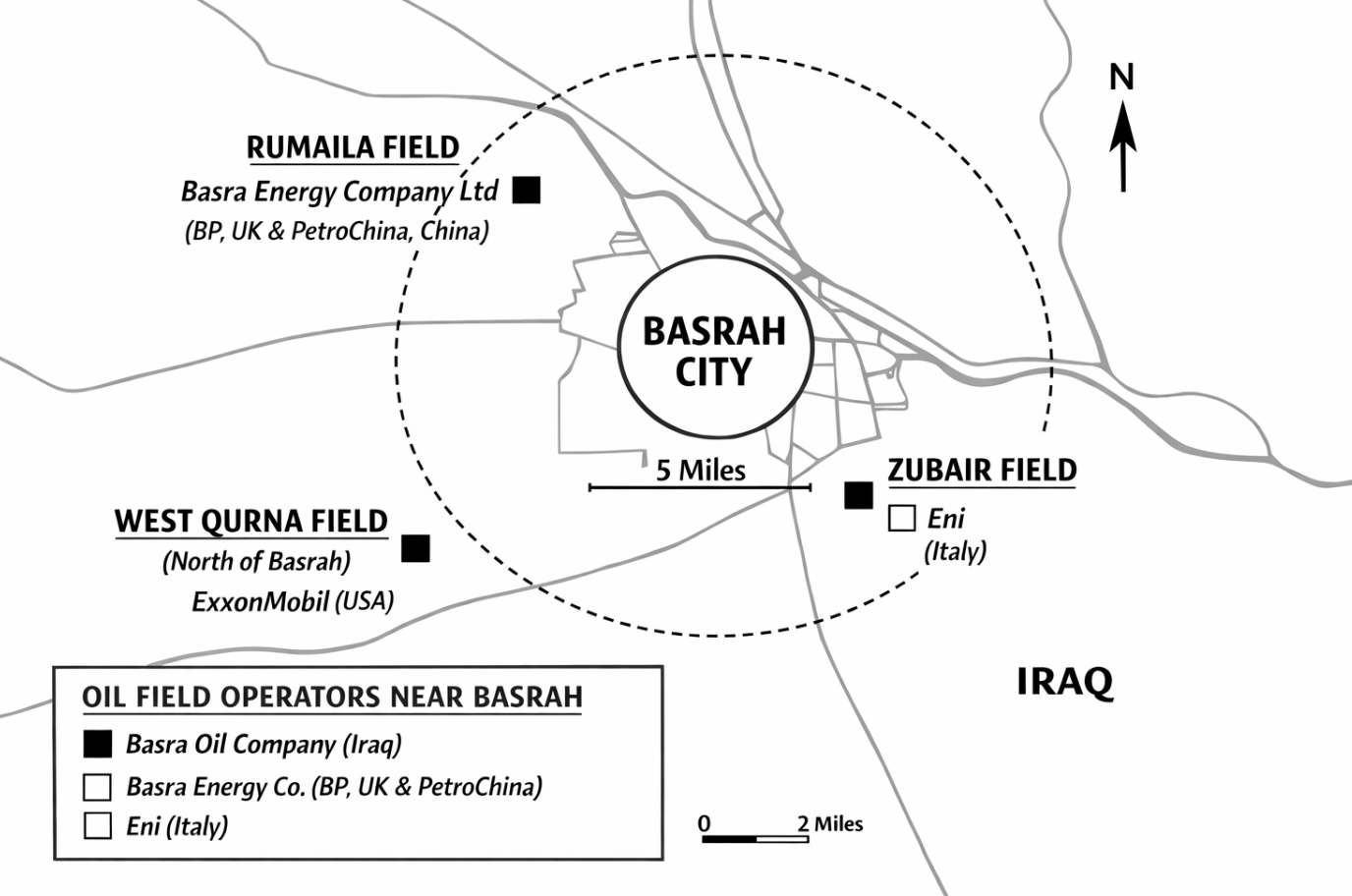
A map of the oil companies operating around the residential city of Basra, Iraq. GREEN PROPHET.
“There is oil in the water, and it’s in the soil. Half of my mother’s brothers—six of them—have cancer, the youngest being 40, with leukemia. This has become normal now. We know that the oil fields just outside Basra are polluting our water and soil, but what can we do?” asks Sara (name changed), a young environmentalist I met in Istanbul.
She asked to remain anonymous, saying it would be dangerous to speak publicly. Pointing to a map, she showed where some of the world’s largest oil companies—such as BP and Eni—are drilling close to city limits in Basra, indicating areas where cancer rates are highest. She said no local researchers will touch the subject that children in these areas are dying from leukemia. She knows some of them.
“I sent my sisters to study in Istanbul so they can be far away from this pollution,” she told me, pointing to her sisters we are sitting with at the shisha cafe.
“We know that there are high levels of levels of cancer in Basra and it’s known that oil is in the tap water. Of course I don’t clean my dishes with the water but we do use it for clothes and showering. Farmers use the water even though it’s not safe. Don’t clean dishes. Children living next to the oilfield in the area of Rumalia, with estimates of cancer being 20% higher than the rest of the country. Some kids are living within a mile of the oil drills which is not normal.”
Rumaila is known locally as the “cemetery” for the high rates of cancer and disease among the population, left in the dark without resources despite supporting the lucrative oil fields nearby.
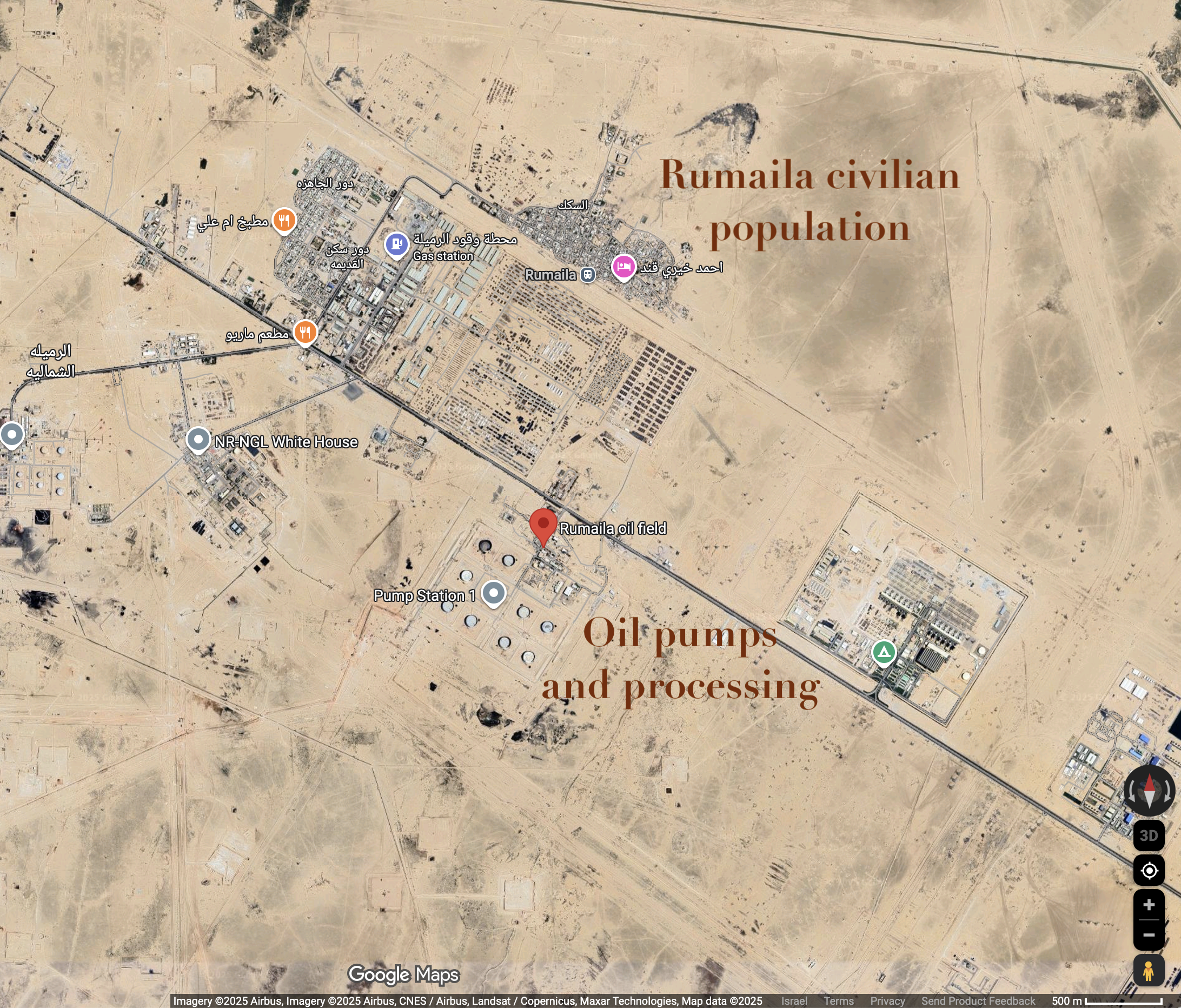
“Children living next to the Rumaila oil field get cancer,” says Sara. “There are babies being born with cancer. My friend works at the government owned chemical company that processes oil. Her 5 year-old sister died of cancer. She was playing outside and fell on her eyes when they found the tumor. She died a year later.”
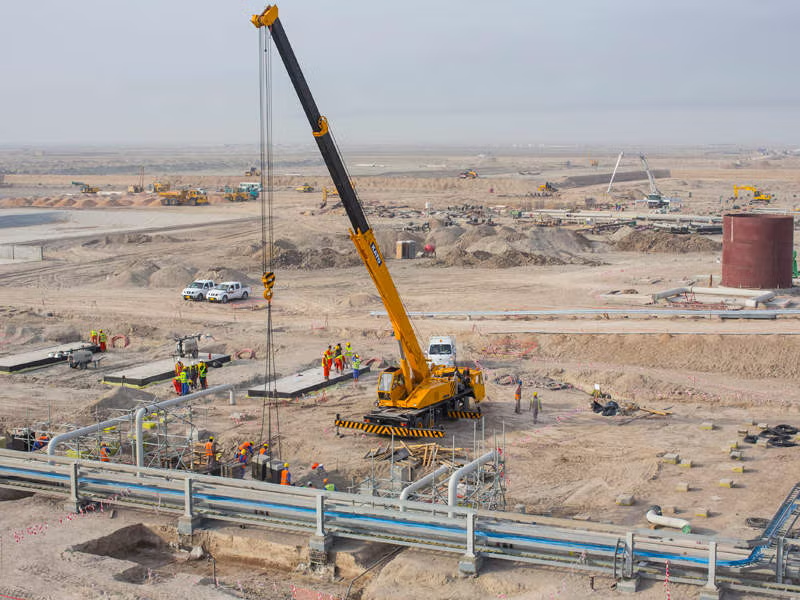
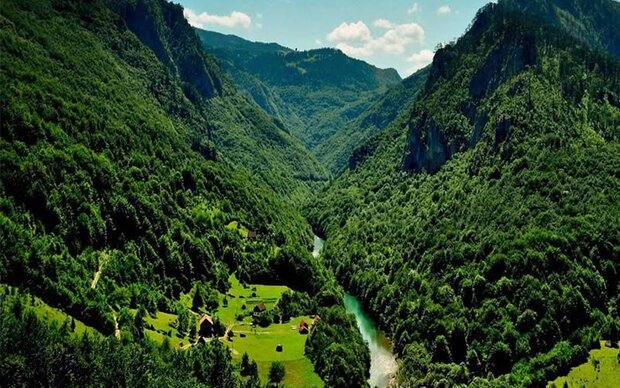
The Majnoon Oil Field is a super-giant oil field located about 60 kilometers from Basra in southern Iraq. It is one of the world’s richest oilfields, with estimated reserves of roughly 38 billion barrels. Its name, Majnoon—Arabic for “crazy”—refers to the unusually high concentration of oil in a relatively small area.
How do people in Basra cope? It is a mix of avoiding drinking the water and giving up. The water is still used to wash clothes, clean dishes, shower, and water gardens.
Cancer is no longer whispered, it is assumed.
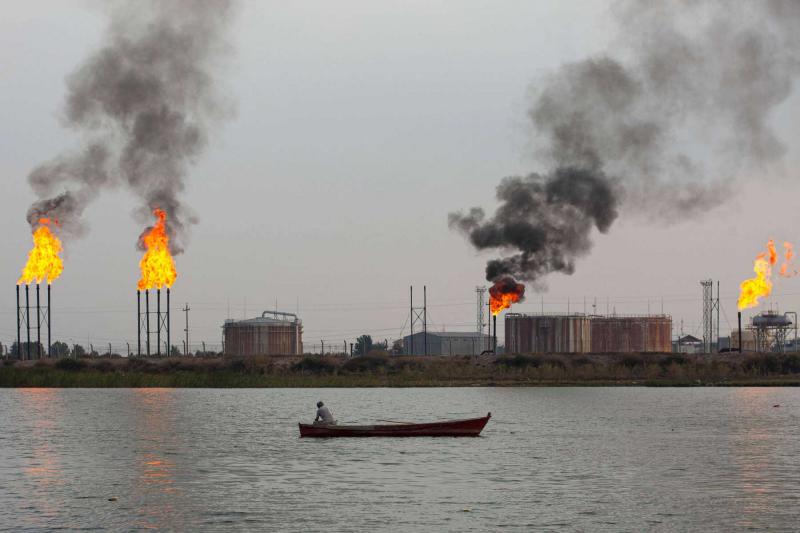
The BBC has reported extensively on soaring cancer rates in southern Iraq, particularly in Basra, where decades of oil extraction, gas flaring, industrial runoff, and war debris have combined into what doctors describe as an environmental health emergency. While doctors point to gas flaring, our source says oil contamination in water and soil may now be the greater concern. Flaring can be reduced around city centers (although data shows that is it only growing in Iraq), but oil that has entered soil and groundwater remains.
The BBC reported: “For health reasons Iraqi law prohibits flaring within six miles (10km) of people’s homes, but we found towns where gas was being burned less than 250m from people’s front doors. A leaked Iraq Health Ministry report, seen by BBC Arabic, blames air pollution for a 20% rise in cancer in Basra between 2015 and 2018.”
Sara says flaring and pollution continue despite the laws, while government agencies and universities turn a blind eye to the health impacts. She also says oil company employees sent to Basra are exposed to dangerous conditions, often late in their careers, and later receive large pensions due to prolonged environmental exposure.
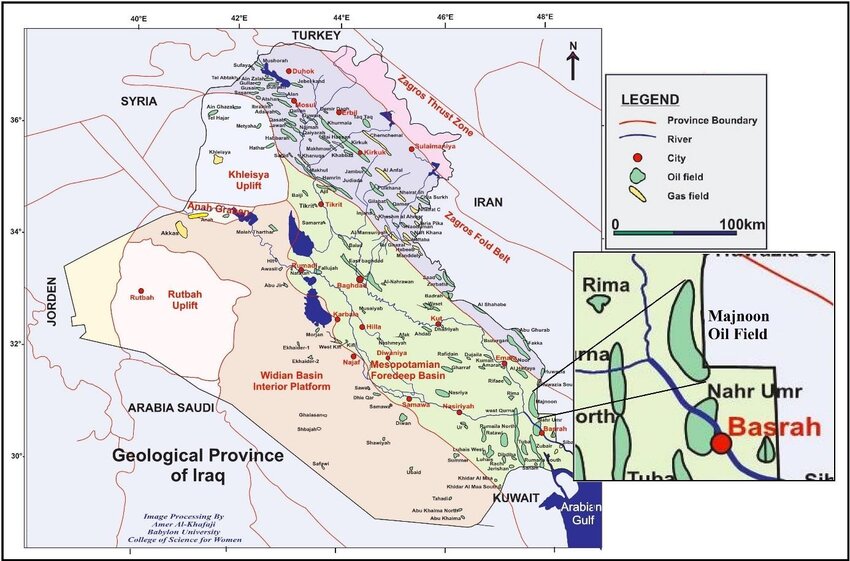
A location map of the Majnoon Oilfield in southern Iraq (after Al-Ameri et al., 2011). Via
ResearchGate
Doctors interviewed by the BBC describe pediatric cancer wards overwhelmed. Leukemia, breast cancer, and rare tumors appear at rates far beyond global averages.
A 2025 study examining soil around Basra found pollution levels 1,200% to 3,300% higher than those typically measured in cities like Toronto or New York.
Average TPH levels ranged from 8 µg/g (dry weight) in agricultural areas to 265 µg/g along roads. During the wet season, levels reached as high as 340 µg/g, as rain drives oil residues deeper into the soil rather than removing them.
The study concluded that oil refineries are the main source of soil contamination, with additional pollution from vehicles, fuel stations, power generation, and oil infrastructure.
For context, Canadian soil safety standards, used in cities like Toronto, set acceptable levels far below the hundreds of µg/g measured in Basra.
Another 2024 study found elevated TPH levels across Basra’s major oilfields, including Majnoon, Rumaila, West Qurna, and Al-Zubair, exceeding thresholds associated with human health risk
Iraq’s oil sector includes BP, Shell (formerly Basra Gas Company), TotalEnergies, ENI, Lukoil, CNPC, and PetroChina, many operating through state partnerships. Gas flaring remains widespread.
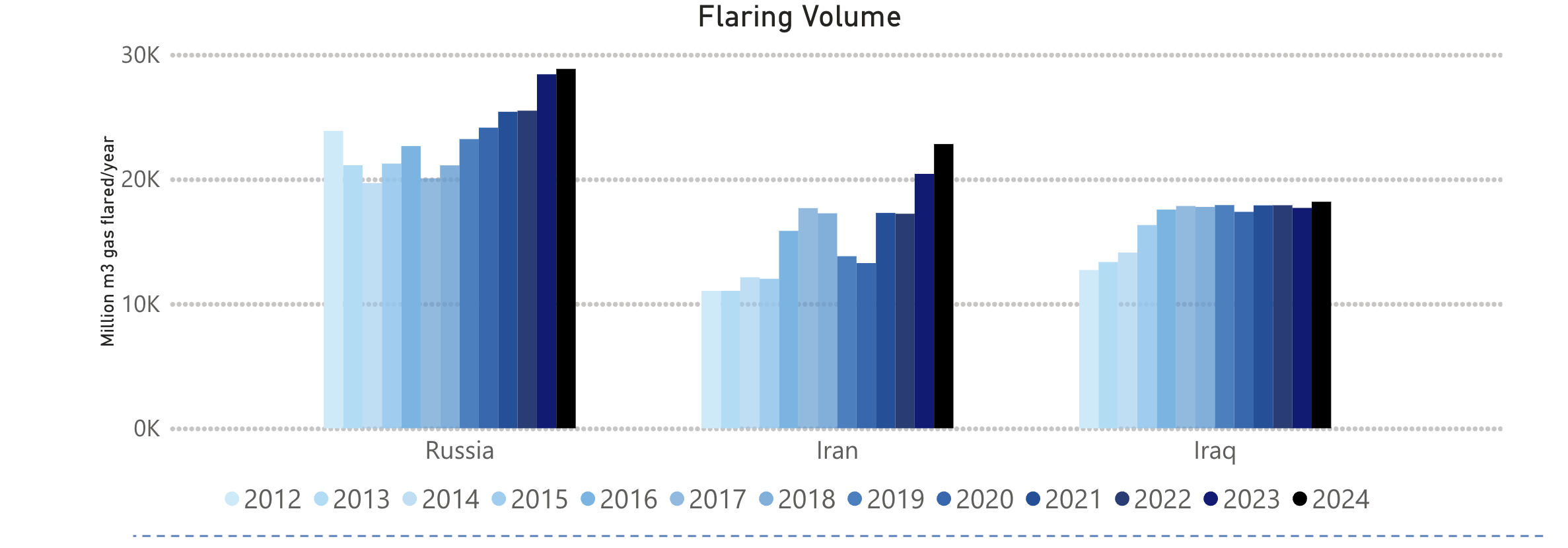
World Bank data shows gas flaring in Iraq continues to increase. 2024 saw the highest rates in 12 years.
According to the World Bank, Iraq ranks among the world’s top gas-flaring countries. These emissions settle into lungs, groundwater, and the bodies of children.
“It’s not safe to grow up there anymore,” says Sara.
Government employees in Iraq are currently banned from speaking publicly about pollution from oil fields.