


-
Karin Kloosterman
Posts
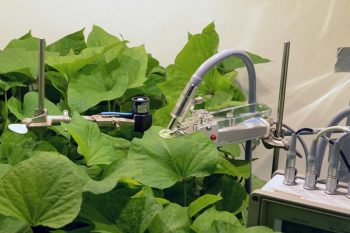
Plants give biofeedback to optimize their own light levels in hydroponics
Controlled environment agriculture is rapidly becoming an important part of the global food system. For example, there has been much interest in the potential of...
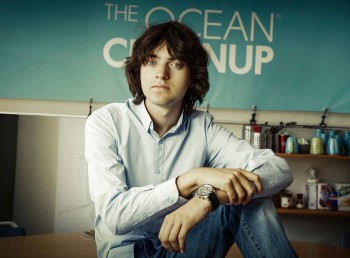
The Ocean Cleanup wins Katerva – the Nobel Prize of Sustainability
A new breed of companies are showing how innovation can be scaled for both business opportunities and global good. Led by resolute and independent thinkers,...
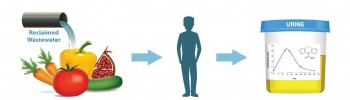
Landmark study: other people’s drugs enter our bodies through veggies and fruits
Reclaimed or grey water is touted as a great means to save and reuse water where water resources are thin. A new study from the...

Shipping containers morph into urban food miracle machines
Leigh Ofer and her company Seed Street in Harlem gives new meaning to the term circular economy: We meet over the Internet and find a mutual...
World’s 25 biggest innovators are not from Silicon Valley!
Silicon Valley’s has its hoodie-wearing tech entrepreneurs as the poster kids of innovation and fundraising (read our guide on how to raise your first green...
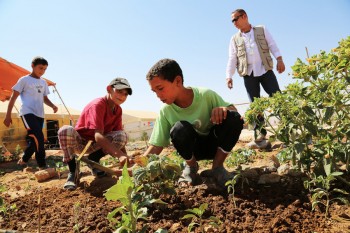
Teaching children about the environment
So, you care about the environment and ensuring that you play your part in preserving the beauty of nature but how do you go about...
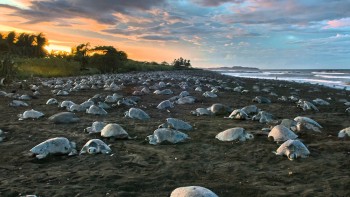
The real Paleo Diet included turtle meat
It’s all the rage. Eating Paleo, or like Paleolithic man has benefits, adherents to the New Age diet claim (here are 5 steps to going...
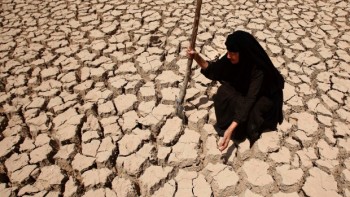
Climate change disasters doubled – eating up world’s food security
Droughts, floods, storms and other disasters triggered by climate change have risen in frequency and severity over the last three decades, increasing the damage caused...
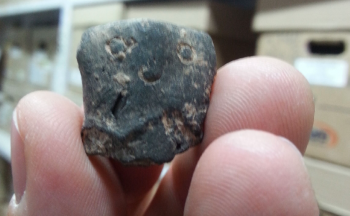
Time to settle the debate? Oldest ful and hummus beans found in Israel
Prehistoric cave men are thought of as club-wielding brutes who roast animals on logs, but the latest findings about pre-historic man suggests that he loved...
Electronic skin helps sensors heal themselves
Scientists at the Technion in Israel have used a new kind of synthetic polymer to develop a self-healing, flexible sensor that mimics the self-healing properties...
Facebook Comments