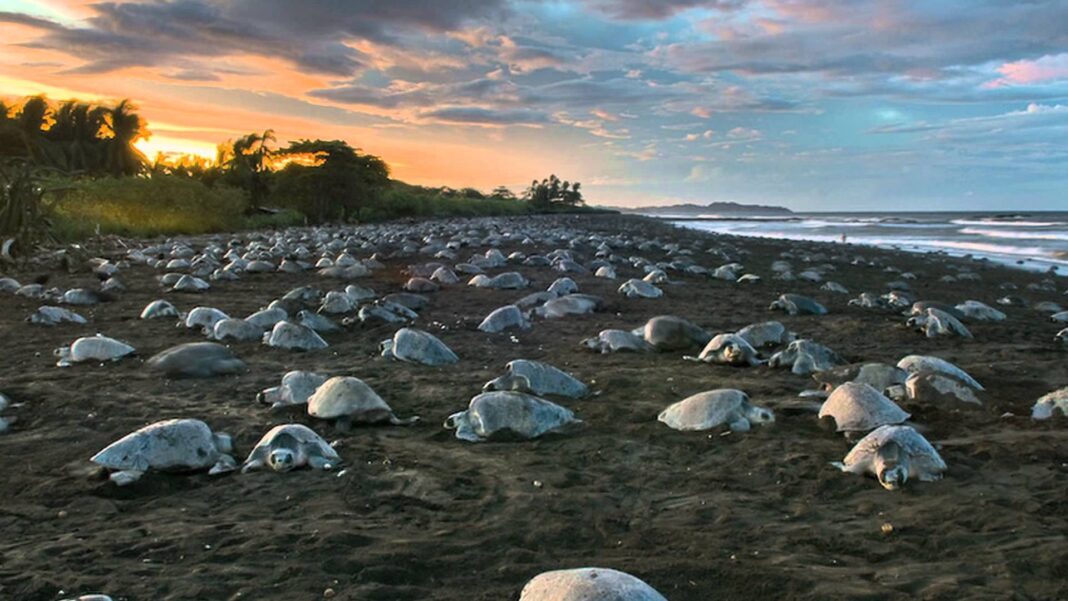
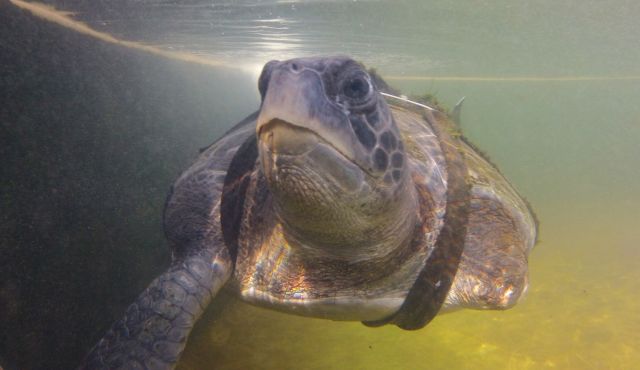
The real Paleo Diet included turtle meat

israel turtle flippers

It’s all the rage. Eating Paleo, or like Paleolithic man has benefits, adherents to the New Age diet claim (here are 5 steps to going on a Paleo Diet). But while Paleo people cite red meat as part of the mainstay of their diet (eating what ancient Paleolithic man was supposed to eat), I have never heard of turtle. But it may be time to update the diet.

While turtles and tortoises are rarely eaten today except in East Asia (and by Egyptians) where turtle soup is a delicacy, they were once a staple diet item, according to new research out of Israel.

Please don’t consider this an excuse to eat an endangered animal, but a new discovery at Qesem Cave near Tel Aviv, ancient man had a thing for tortoise- maybe as a starter or as a dessert. The 400,000-year-old site indicates that early man enjoyed eating turtles in addition to large game and vegetables, the researchers found. These early Paleolithic people even had the “modern” tools and skills employed to prepare it. See etchings on turtle bones below.
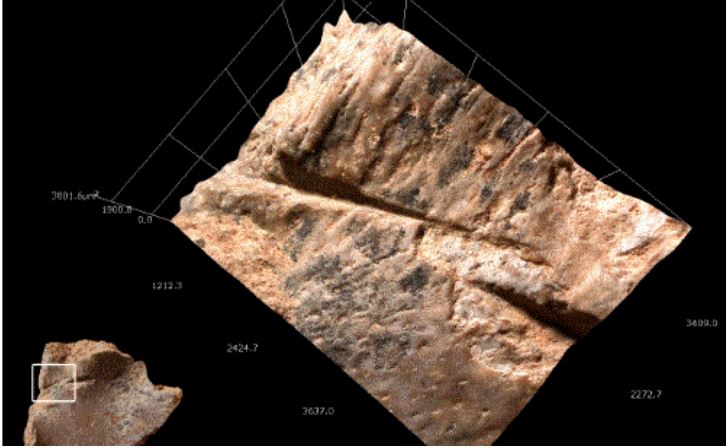
Israel-Qesem-Cave-tortoise

The study was led by Ruth Blasco of the Centro Nacional de Investigacion Sobre la Evolucion Humana (CENIEH), Spain, and Tel Aviv University’s Institute of Archaeology.

“Until now, it was believed that Paleolithic humans hunted and ate mostly large game and vegetal material,” said Prof. Ran Barkai from TAU. “Our discovery adds a really rich human dimension — a culinary and therefore cultural depth to what we already know about these people.”

The research team discovered tortoise specimens strewn all over the cave at different levels, indicating that they were consumed over the entire course of the early human 200,000-year inhabitation. Once exhumed, the bones revealed striking marks that reflected the methods the early humans used to process and eat the turtles.
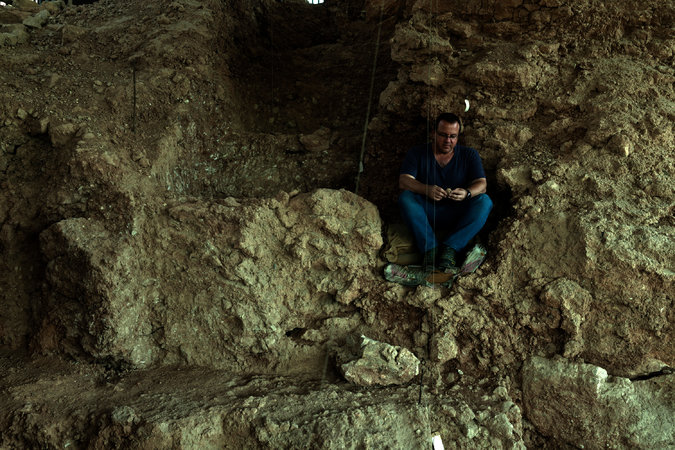
ran-barkai-turtle

“We know by the dental evidence we discovered earlier that the Qesem inhabitants ate vegetal food,” said Barkai. “Now we can say they also ate tortoises, which were collected, butchered and roasted, even though they don’t provide as many calories as fallow deer, for example.”

According to the study, Qesem inhabitants (see the site below, along the highway for context) hunted mainly medium and large game such as wild horses, fallow deer and cattle. This diet provided large quantities of fat and meat, which supplied the calories necessary for human survival. Until recently, it was believed that only the later Homo sapiens enjoyed a broad diet of vegetables and large and small animals. But evidence found at the cave of the exploitation of small animals over time, this discovery included, suggests otherwise.
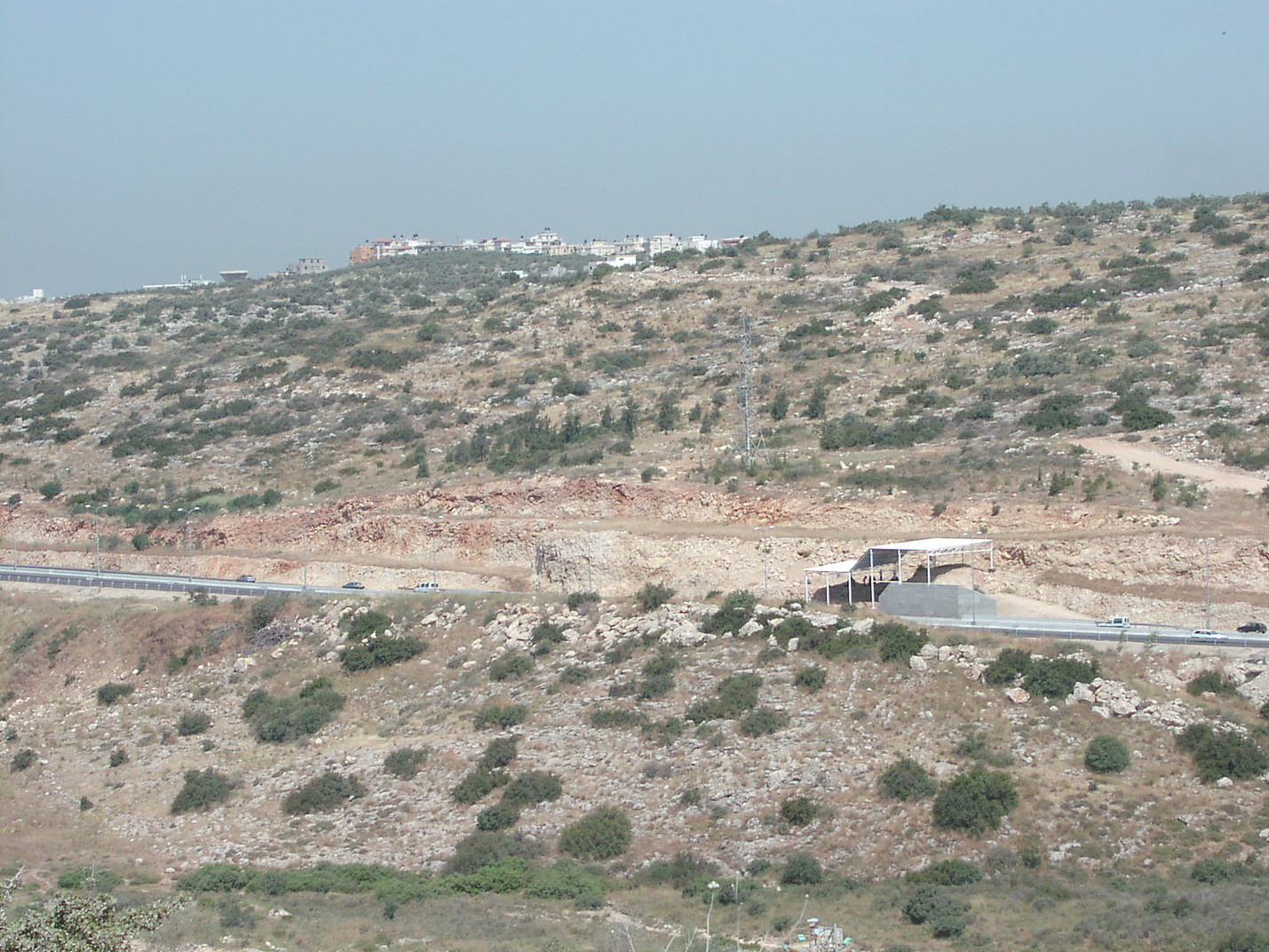
qesem-cave

“In some cases in history, we know that slow-moving animals like tortoises were used as a ‘preserved’ or ‘canned’ food,” said Dr. Blasco. “Maybe the inhabitants of Qesem were simply maximizing their local resources. In any case, this discovery adds an important new dimension to the knowhow, capabilities and perhaps taste preferences of these people.”
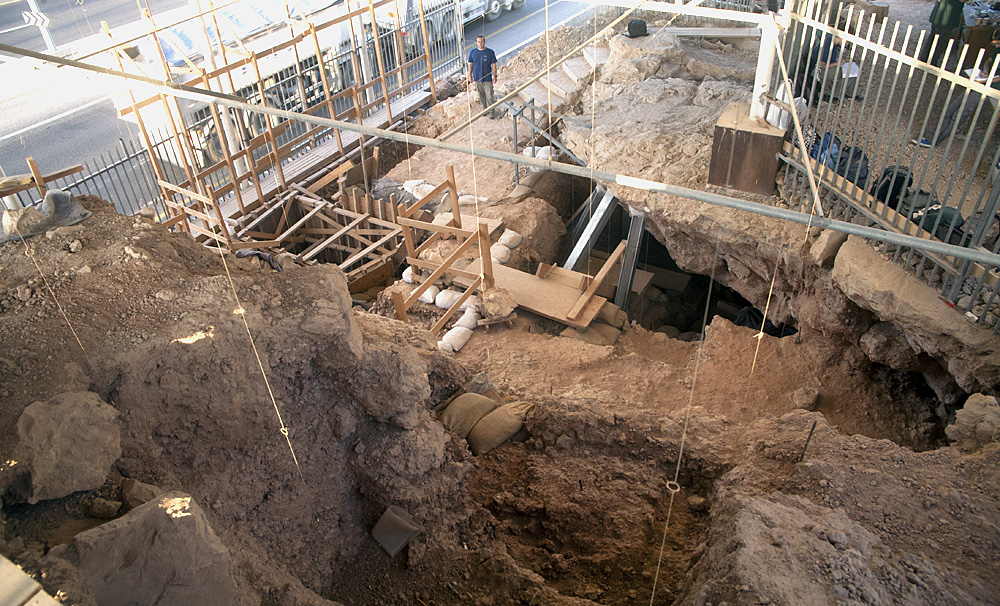
paleo-diet-turtles

According to Prof. Gopher, the new evidence also raises possibilities concerning the division of labor at Qesem Cave. “Which part of the group found and collected the tortoises?” Prof. Gopher said. “Maybe members who were not otherwise involved in hunting large game, who could manage the low effort required to collect these reptiles — perhaps the elderly or children.”

“According to the marks, most of the turtles were roasted in the shell,” Prof. Barkai added. “In other cases, their shells were broken and then butchered using flint tools. The humans clearly used fire to roast the turtles. Of course they were focused on larger game, but they also used supplementary sources of food — tortoises — which were in the vicinity.”

(Image of Ran Barkai, above NY Times)

Read more on Paleolithic-type eating:
Eat the Whole Animal: Lamb’s Testicles
Whole Animal Cooking
Making Smen the Old Fashioned Way

Karin Kloosterman
Karin Kloostermanhttp://www.greenprophet.com
Karin Kloosterman is an award-winning journalist, innovation strategist, and founder of Green Prophet, one of the Middle East’s pioneering sustainability platforms. She has ranked in the Top 10 of Verizon innovation competitions, participated in NASA-linked challenges, and spoken worldwide on climate, food security, and future resilience. With an IoT technology patent, features in Canada’s National Post, and leadership inside teams building next-generation agricultural and planetary systems — including Mars-farming concepts — Karin operates at the intersection of storytelling, science, and systems change. She doesn’t report on the future – she helps design it. Reach out directly to [email protected]

Read More

1 COMMENT

TRENDING

Dan Zaslavsky’s energy tower dream is rising again in Iran and China

The Energy Tower idea never made the leap from drawings and engineering studies to full-scale construction. But nearly two decades after most people stopped talking about it, the concept is quietly evolving in two unexpected places: China and Iran. The concept let dreamers dream and doers do - figuring out more pleasing designs and engineering.

A visit to Amirim, Israel’s first all-vegetarian village in the Galilee

Just 15 kilometers from Tzfat there is a moshav that was founded in the late 50s that was ideologically influenced by organic, vegetarian and vegan principles. My hostess at Ohn-Bar, the tzimmer where I stayed, explained that the people of Amirim were among the pioneers of Israel’s strong vegetarian movement.

Israeli Hydrogen Startup H2Pro Are Trying to Solve Clean Energy’s Hardest Problem

The company has attracted backing from major investors including Breakthrough Energy Ventures, the climate fund founded by Bill Gates, along with industrial partners such as Sumitomo, ArcelorMittal, and Temasek, a multi-billion dollar company that owns Singapore airlines. H2Pro has raised more than $100 million USD and is moving from pilot projects toward commercial-scale deployments.

Desalination experts debunk Aqua Solaire, the floating desalination barge

AI makes it easy to dream, develop, and create images of what could be world-changing ideas, until the reality sets in. A new project making the rounds is Aqua Solaire, an allged French concept for a solar-powered desalination vessel designed to bring drinking water to coastal communities facing drought, storms, and infrastructure failures.

Eco organization offices destroyed by Iran missile

Tel Aviv's eco organization, the Heschel Center, was impacted by an Iranian missile.

Locals From Rishon Fight IKEA

Big Box stores are a pretty new concept in Israel, and thank God that not every Israeli city wants them in their backyard. A word from someone who has see the beautiful farmland around her hometown Newmarket, Ontario stripped and converted into vulgar strip malls of big box shops: they have no place in a healthy and sustainable town or city.

The Jewish National Fund Meets An Inconvenient Truth

According to the JNF, it has transformed thousands of acres of barren land into green forests in Israel. They state that each person emits about 23 tons of carbon per year, estimating that each tree planted can absorb one ton of carbon in its lifetime. That's a whole lot of trees you'd need to be planting. Could so many fit in Israel?

How to quiet noise from construction in your office

Streets need to be resurfaced in New York but the humming and grinding noise is unsettling. Noise is environmental pollution. 

EarthX and a blueprint for sustainable investing

Trammell S. Crow, a Dallas-based businessman and father of four, is focusing his efforts on impact investing, and media that focuses on saving the planet through EarthX.

Mining Afghanistan’s Mineral Discoveries Similar to Avatar

Now that American forces in Afghanistan are commemorating the longest period of any war that America has been involved in, including the 1965-73 Vietnam War, the recent discoveries of large and extremely valuable mineral and metal deposits may finally bring to light a reason to continue the presence of US fighting forces in this war torn and backward country.

From Pilot Plant to Global Stage: How Aduro Clean Technologies’ 2026 Expansion Signals a Turning Point for Chemical Recycling Investors Like Yazan Al Homsi

The company's Next Generation Process (NGP) Pilot Plant in London, Ontario, has officially moved into initial operating campaigns, generating the kind of structured, repeatable data that separates laboratory promise from commercial viability.

Nobul’s Regan McGee on Shareholder Value: “Complacency Is the Silent Killer” 

Why the governance framework designed to protect shareholders so...

Should You Invest in the Private Market?

startustartup Unlike public stock exchanges, which offer daily trading, strict...

Popular Categories