What is Vernacular Architecture?

The House of Saud lived in a palace made from mud
Vernacular architecture, often seen in older homes around the world, represents a style of construction deeply rooted in the local environment and culture. Unlike architect-designed structures, vernacular buildings emerge from the resourcefulness of local builders, utilizing available materials and traditional knowledge to create functional, distinctive homes.
So, what exactly is vernacular architecture, and how has it evolved over time? Let’s delve into the practical aspects of this architectural style, with a focus on some examples from around the world.
Defining Vernacular Architecture
Vernacular architecture is characterized by its simplicity and region-specific nature. It relies on local materials and craftsmanship, typically without the involvement of professional architects. Instead of adhering to rigid rules or pursuing aesthetic ideals, vernacular builders prioritize practicality and effectiveness, often using affordable, locally sourced materials.
Historical Roots of the Vernacular
Vernacular architecture traces its origins back to the earliest days of human settlement when people constructed basic shelters to meet their needs. In fact, some historians argue that most buildings erected before the mid-17th century could be considered vernacular, as they were not overseen by formal architects but crafted by local tradespeople using locally acquired skills.
The term ‘vernacular’ gained traction in the 19th century as colonialists encountered various building techniques in different parts of the world. Some architects of that era viewed these structures as quaint and unsophisticated compared to their own designs.
Over time, the term ‘vernacular architecture’ broadened its scope to encompass a wide range of architectural styles found not only abroad but also in Europe and the United States. In 1964, Bernard Rudofsky played a pivotal role in shedding light on these overlooked building traditions through an exhibition.
Key Characteristics
Vernacular architecture stands apart from other architectural styles due to its practical and context-driven nature. Some distinguishing features include:
- Use of Inexpensive Materials: Builders favor affordable, locally available materials, prioritizing function over aesthetics.
- Evolution of Design: Vernacular buildings adapt and evolve over time, reflecting the experiences and needs of the local community.
- Reflection of Local Culture: These structures often embody local customs, technology, and social conditions. Common themes may include materials, design styles, proximity of homes, and even religious customs.
- Climate Considerations: The design of vernacular buildings is closely linked to the local climate, with builders taking into account factors like window placement and specific materials to cope with seasonal variations.
Examples of Vernacular Architecture in North America

This is vernacular architecture from the late 1880s in Northern Ontario, Commanda Region. Settlers obtained free land and bought a blueprint. No architect was involved in building the structure.
In contemporary times, constructing a truly authentic vernacular home can be challenging, given the prevalence of architect-led designs. However, you can still incorporate vernacular-inspired elements into your dwelling. Let’s explore some common examples from the United States and Canada:
- Late 1800s Shotgun Homes: Narrow and elongated, these homes, prevalent in the Southern United States, feature rooms that flow seamlessly into one another.
- Early 1900s Sears Homes: These catalog-ordered homes, produced in the early 20th century, reflect a practical, standardized approach to design and construction.
- 1920s Bungalow Style Homes: Popular in cities like Chicago, these single-story and a half homes boast efficient floor plans and functional designs.
- 1950s Ranch Style Homes: Designed for the middle class, these one-level homes with open floor plans are common in American suburban communities.
Vernacular architecture may not always command attention for its architectural innovation, but it holds a significant place in the history of construction. These homes and structures are a testament to local ingenuity, sustainability, and a deep connection to the community. Exploring vernacular architecture offers valuable insights into the practicality and adaptability of traditional building styles.
Examples of Vernacular Architecture Globally
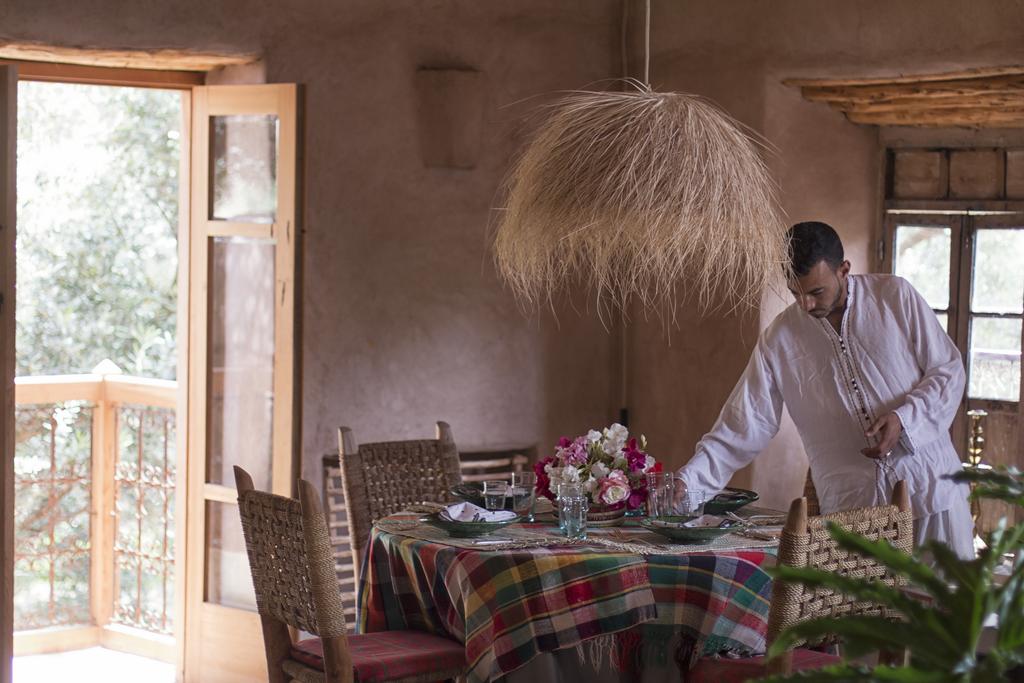
Inside a Berber home
- Thai Stilt Houses: Raised above the ground on sturdy stilts, these traditional Thai homes offer respite from monsoon floods while providing natural ventilation.
- Berber Caves in Morocco: Carved into the cliffs of Morocco’s Atlas Mountains, these dwellings provide excellent insulation from scorching summers and frigid winters.
- Tibetan Vernacular Homes: Adapted to withstand extreme Himalayan conditions, these homes are constructed from local stones, wood, and mud, offering warmth and stability.
- Balinese Compound Houses: These homes feature intricate layouts with family temples, kitchens, and living spaces, all designed around courtyards, reflecting the island’s unique culture.
- Greek Cycladic Architecture: Famous for its white-washed cubic buildings adorned with blue domes, this vernacular style harmonizes with the picturesque Greek islands.
- Swiss Chalets: Nestled in the Alps, these iconic structures employ steeply pitched roofs to shed heavy snow, and rustic woodwork creates cozy interiors.
Embracing the Vernacular Approach: A Sustainable Path Forward

Yemen’s Manhattan of the desert, vernacular architecture from the Middle East
In our era of towering skyscrapers in the United Arab Emirates, steel frames, and hard to insulate glass facades, it’s easy to overlook the humble wisdom embedded in vernacular architecture. Yet as advocates for sustainable living and building we believe that the vernacular approach to building deserves a place of prominence in our modern construction landscape.
The vernacular approach, rooted in local traditions and resourcefulness, offers a path towards sustainability that is often overshadowed by sleek, architect-driven designs. Here’s why sustainable architects should rekindle our appreciation for this time-tested approach:
- Harmony with Nature: Vernacular buildings are born from an intimate understanding of the local environment. They make use of indigenous materials, blending seamlessly with the surroundings. By minimizing the transportation of materials and reducing the carbon footprint, vernacular architecture inherently champions environmental stewardship.
- Resource Efficiency: In the quest for sustainability, we often overlook the significance of resource efficiency. Vernacular architecture excels in this regard by prioritizing functionality over opulence. The use of readily available, low-cost materials not only conserves resources but also minimizes waste, embodying the essence of sustainable design. No more materials shipped around the world and back again as a finished product to be used in an irrelevant setting.
- Cultural Continuity: Vernacular architecture is a living testament to the culture and traditions of a region. By preserving and promoting these building practices, we honor our cultural heritage and promote a sense of community identity. This continuity fosters a deeper appreciation for our roots and a commitment to preserving our natural and cultural landscapes.
- Energy Efficiency: Vernacular buildings are often designed with the local climate in mind. From the orientation of windows to and away from the sun, to the choice of materials, these structures naturally regulate temperature, reducing the need for energy-intensive heating and cooling systems. This passive approach to energy efficiency aligns perfectly with the principles of sustainable living.
- Social Sustainability: Beyond environmental considerations, vernacular architecture supports social sustainability. These buildings are often the result of collective efforts, fostering a sense of community and shared responsibility. They adapt and evolve in response to the needs of the people who inhabit them, demonstrating resilience in the face of changing circumstances. Simply put people who build their own homes can get a lot of joy from their creations.
As we confront the pressing challenges of climate change and peak sand, it’s time to reconsider the virtues of vernacular architecture. In a world where sustainability is no longer a choice but a necessity, we must draw inspiration from the past to build a more sustainable future. By incorporating the wisdom of vernacular building practices into our modern construction methods, we can forge a path towards a more harmonious and responsible coexistence with our planet. It’s not a step backward; it’s a leap forward toward a sustainable, resilient, and culturally rich future.
Comments
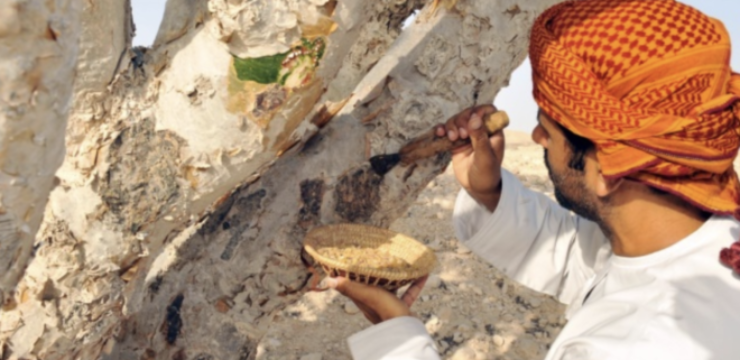
Plants from the past and used in the Bible may help us against modern ailments. Research studies to produce medicines capable of fighting COVID-19 from frankincense trees in Oman are being jointly undertaken by the University of Nizwa in Oman and the University of Oxford in England
Read more
There are wild ingredients found in your home that are now under threat. Brazil nuts, argan oil, and shea butter are now classified among a dozen wild, threatened and at risk plants known as flagship species that need protecting.
Read more
Feel you are reaching out to a forest of abyss? Even greentech companies like solar energy need good sales skills. Here's how to find the dream job.
Read more
Covid has created a lot of loss, pain, depression and anxiety. Some people have turned to safer self-medicating using CBD, others need help with harder problems.
Read more
Cannabis oil is a natural medicine that can have a profound affect on mediating pain and anxiety. One of the latest ways of delivering the medicine is by "dabbing" which is basically vaporizing cannabis oil.
Read more
Team building to change the world! The best renewable energy companies are ones that function.
Read more
The UN's climate change conference, with the worst names, COP27, will happen in Egypt this year.
Read more
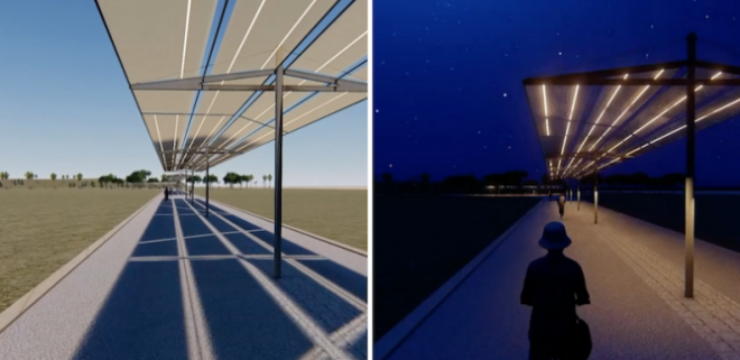
The city of Tel Aviv has installed a pilot of LumiWeave, a flexible and lightweight solar energy shade and energy system in Atidim Park in Tel Aviv to provide shade during the day and illuminate your path at night.
Read more
With the Middle East’s bountiful amounts of sunshine, solar energy is a prominent resource and wind, with Saudi Arabia’s $500 million Dumat Al-Jandal wind farm breaking ground in 2020. It may seem counterintuitive to find a region with so many natural gas and oil stores pivoting to renewable energy, but while these energy methods are finite, creating sustainable technology will create lasting energy solutions for the future.
Read more