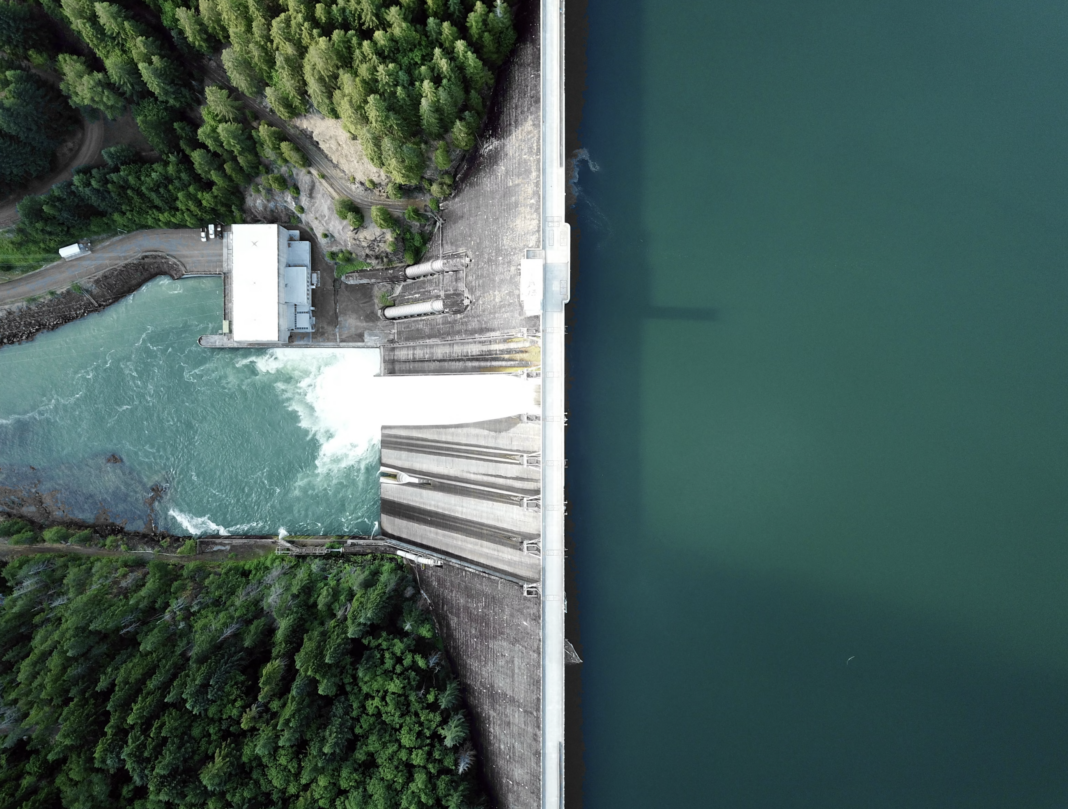


Across the Middle East and North Africa, large investments are being made in green hydrogen, renewable energy, water infrastructure and sustainability. Most of these efforts are discussed in the context of climate change, decarbonization and economic diversification. That framing is important, but it may not capture their full value.
If these systems are designed well, they can do more than produce clean energy or reduce emissions. They can help create healthier societies and greater long-term stability.
Today, health is usually treated as a medical issue. We think of hospitals, drugs and treatments. From a systems and economic perspective, this approach is becoming increasingly expensive and limited. Health does not begin in hospitals. It begins much earlier, in the conditions people live in every day.
Clean water, healthy soil, reliable energy, nutritious food and safe environments shape human health long before anyone sees a doctor. When these foundations are weak, chronic illness increases, healthcare costs rise and societies become more fragile. Medical systems then try to manage the consequences, often treating symptoms rather than underlying causes.
This challenge exists everywhere, but it is especially visible in regions facing water scarcity, climate stress, rapid urban growth and demographic change, including the Levant, the Gulf states and the wider MENA region.
From a health-economics perspective, many modern healthcare systems function as repair systems. They step in late, once disease has already developed, and continue treatment over long periods of time.
As a result, healthcare spending grows faster than the economy, chronic disease consumes a growing share of public budgets, and long-term affordability becomes a serious concern.
For many countries, copying high-cost Western healthcare models is neither realistic nor necessary. The more important question is how societies can reduce the need for medical intervention in the first place.
This is where green energy, water and food systems become relevant in a different way. When renewable energy and green hydrogen are developed together with clean water supply, sustainable agriculture and resilient food systems, they form the real infrastructure of prevention. Clean energy supports water security. Clean water supports fertile soil and healthy food. Good food supports stable human health.
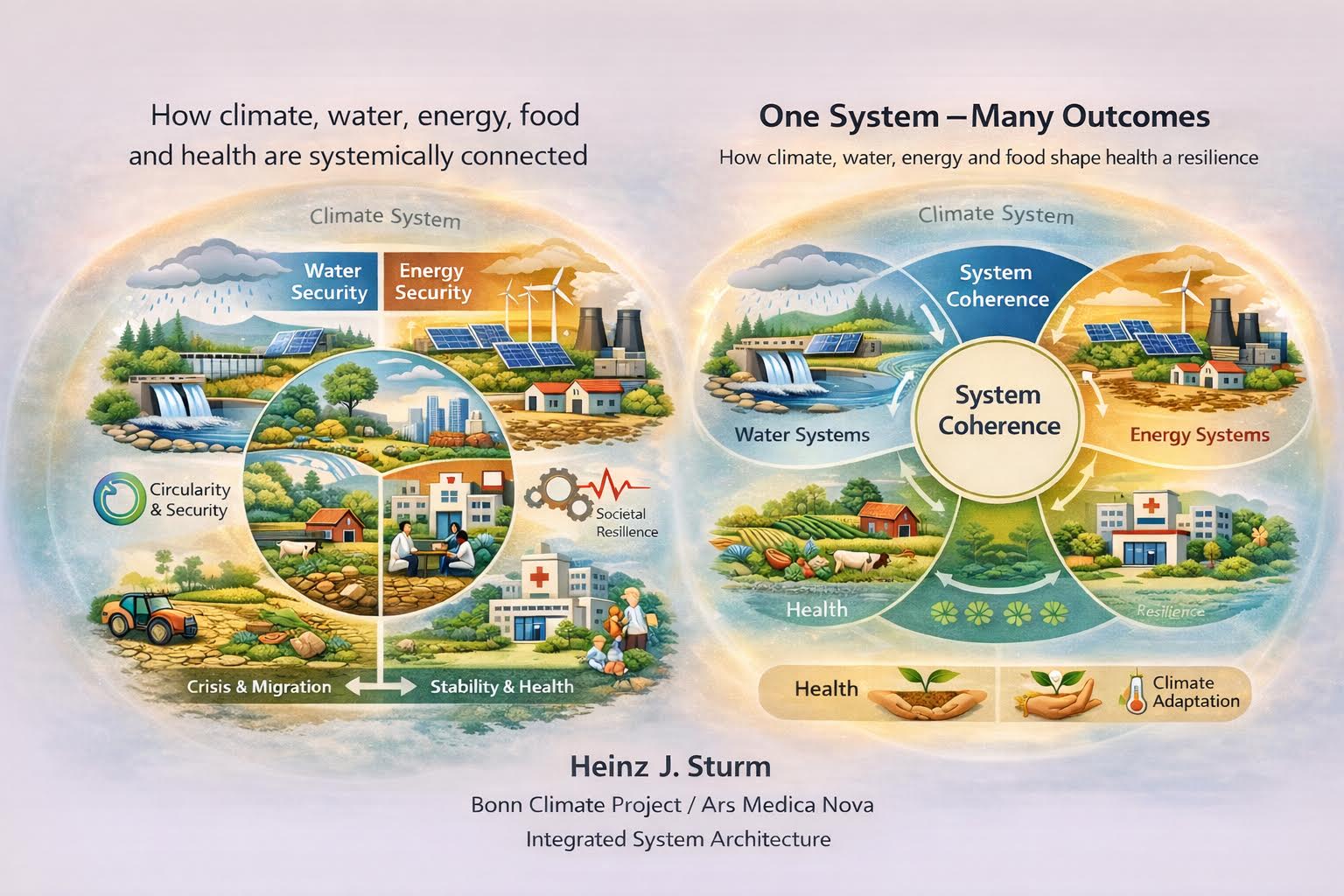
Seen this way, health is not something that constantly needs to be repaired. It emerges naturally when systems are designed properly.
This way of thinking is not new in the Middle East. The Levant and surrounding regions were once centers of advanced medical and scientific knowledge. Thinkers such as Hippocrates, and later scholars including Ibn Sina, ar-Razi and al-Kindi, understood health as a balance between the human body, the environment and daily life. Their focus was on water quality, nutrition, lifestyle and the relationship between people and their surroundings.
In modern terms, this was forward-looking knowledge. Not mystical, but practical. It recognized that the way systems are designed determines long-term outcomes.
What is new today is our ability to explain this older systems wisdom using modern science, including biochemistry, electrochemistry and economics, and to apply it to today’s policy and investment decisions.
If green hydrogen and renewable energy projects are seen only as climate measures, their potential remains limited. When they are connected to water, food and health systems, they become foundations of societal resilience. This has clear economic benefits: lower healthcare costs over time, fewer chronic diseases, better returns on sustainability investments and greater social stability.
The next phase of the energy transition is therefore not only about reducing emissions. It is about creating the conditions in which healthy societies can emerge.
Medical care will always be important, but it cannot carry the system alone. Health grows upstream, in water, energy, food and living conditions. When these systems work, health follows naturally, at lower cost and with greater stability.
This idea is old. But in a time of rising costs and increasing pressure on societies, it may be more relevant than ever.
___
Heinz J. Sturm is a system architect and analyst working at the intersection of energy, water, health, and societal resilience. He is the initiator of the Bonn Climate Project, where he develops integrated system frameworks linking climate action with public health and long-term stability. Sturm is also the developer of Ars Medica Nova, a conceptual platform exploring new models of preventive health that draw on systems thinking, biology, and infrastructure design. His work focuses on translating complex system architectures into practical narratives for policymakers, researchers, and civil society.