
And they’re not just in your drinks: microplastics are showing up in your toothbrush, teeth aligners, and even chewing gum
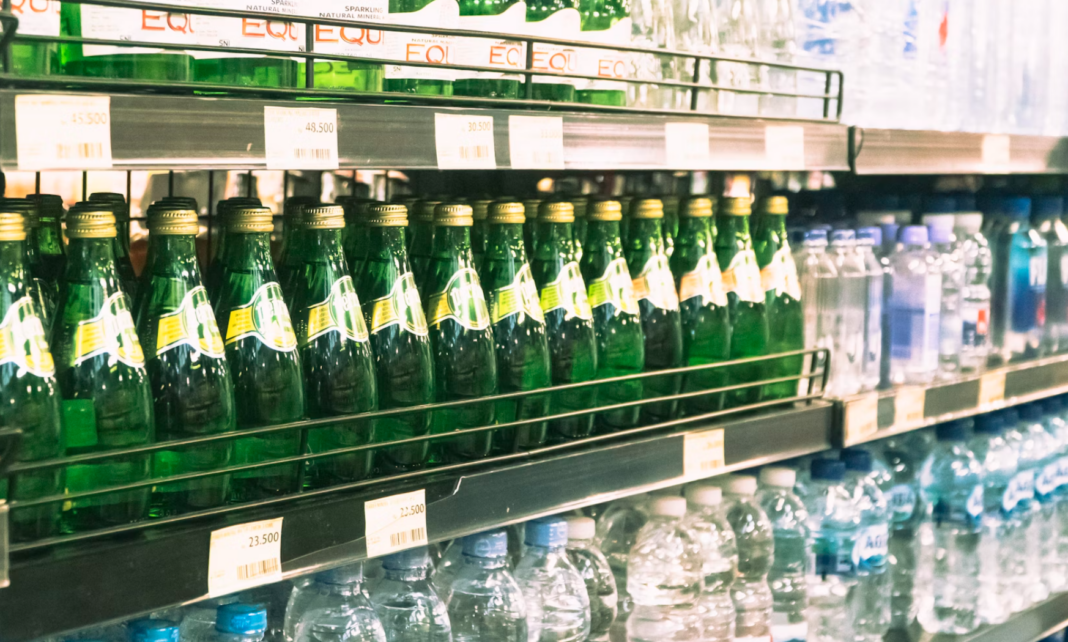
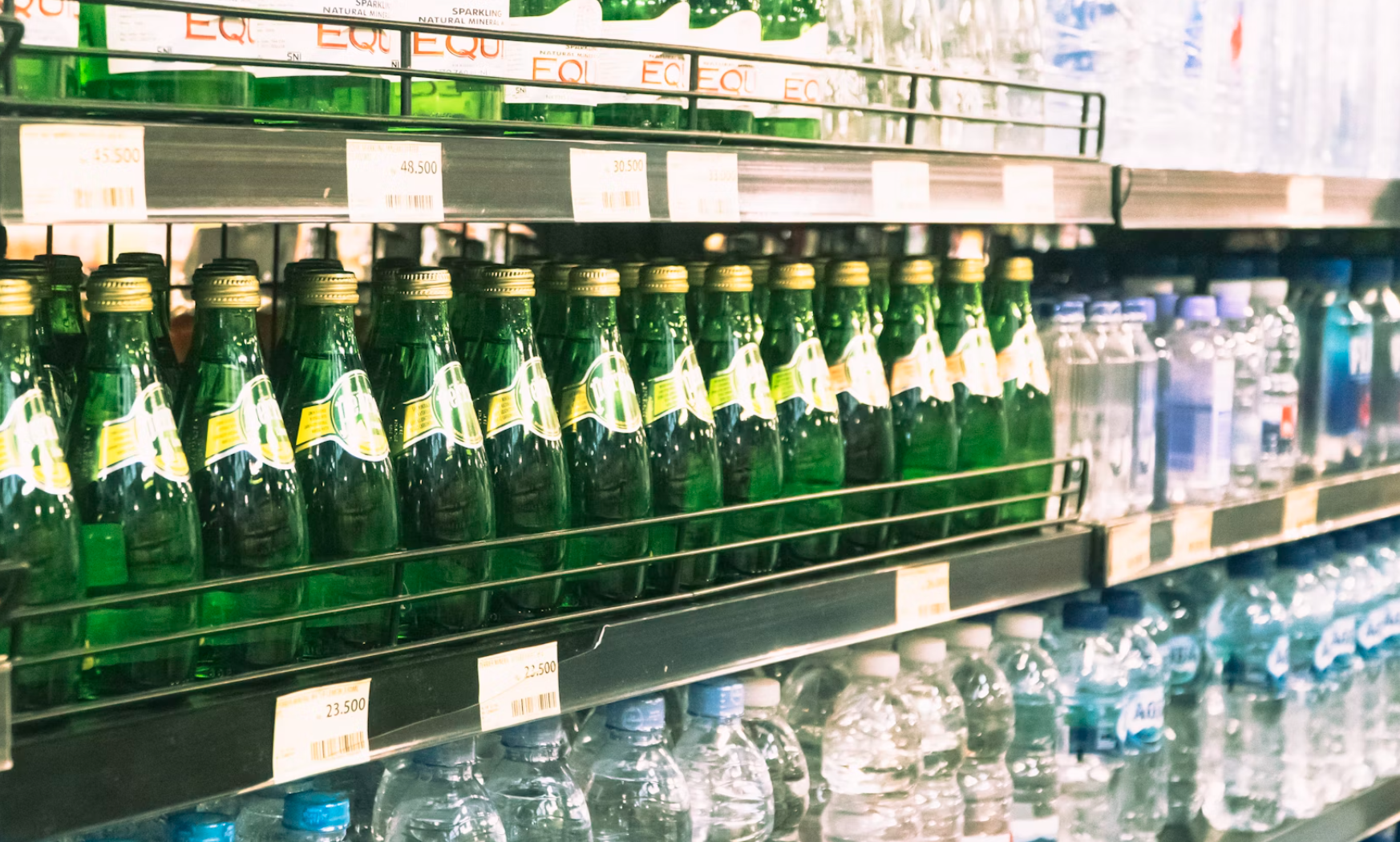
In a surprising twist for consumers aiming to avoid plastic pollution and plastic bottles, a new French study has revealed that drinks stored in glass bottles contain even more microplastics than those in plastic bottles, cartons, or cans. Conducted by the Boulogne-sur-Mer unit of the ANSES Laboratory for Food Safety, the research points to a previously overlooked source of microplastics: the painted caps of glass bottles.
The study, published in the Journal of Food Composition and Analysis, looked at microplastic contamination in drinks such as water, soda, iced tea, wine, and beer, and examined how different packaging materials might influence contamination levels. Across the board, glass bottles were found to contain more microplastics, with popular beverages like cola and beer showing an average of 100 microplastic particles per litre—five to 50 times higher than in plastic bottles or cans.
“We were expecting the opposite result when we compared the level of microplastics in different drinks sold in France,” said Iseline Chaïb, PhD student in the Aquatic Food Safety Unit (SANAQUA, Boulogne-sur-Mer site), ANSES Laboratory for Food Safety.
“We then noticed that in the glass, the particles emerging from the samples were the same shape, colour and polymer composition – so therefore the same plastic – as the paint on the outside of the caps that seal the glass bottles,” she said.

Despite growing concern over microplastic exposure, toxicological reference data is still lacking, making it difficult to assess the exact health risks associated with the levels found. Some early studies find effects in the liver.
Entrepreneurs Solve This: Paint on Bottle Caps
The researchers traced the contamination to painted metal caps which contain a plastic coating on the interior. Microplastics discovered in the drinks matched the color and chemical makeup of the paint coating the caps. Microscopic scratches—likely caused by friction among the caps and their edges during storage—were identified as the mechanism for particle release.
To explore prevention, the scientists tested various cleaning methods: “We studied three scenarios,” explains Chaïb. “We cleaned the bottles and filled them with filtered water so that no microplastics could be detected, then we placed caps on the bottles without treating the caps, after blowing on the caps with an air bomb, or after blowing air and rinsing the caps with filtered water and alcohol.”
Results showed:
-
287 particles per litre in bottles with uncleaned caps
-
106 particles per litre after air was blown on the caps
-
87 particles per litre when blowing was followed by rinsing
The researchers suggest simple steps in cap preparation or redesigning paint compositions could significantly reduce contamination. Until the problems are solved are we back to drinking from springs and filtering our own water at home?
The Hidden Microplastics in Your Mouth

While microplastics in beverages are alarming, the problem goes beyond the bottle. Reports by Green Prophet have highlighted growing evidence that common dental and hygiene products are also sources of daily microplastic exposure:
-
Teeth aligners and retainers made from thermoplastics can shed microplastics through wear, particularly in hot liquids or during overnight use. A 2024 study reviewed by Green Prophet warned that long-term exposure to heated plastics in the mouth may leach hormone-disrupting chemicals.
-
Chewing gum, often made from synthetic rubber (a plastic polymer), can release microscopic plastic particles with every chew. Unlike traditional chicle gum, modern brands contain industrial polymers that may degrade in the mouth, though few regulations require manufacturers to disclose them.
-
Toothbrushes, especially nylon-bristle varieties, can fray and break down over time. According to a Green Prophet special report, worn toothbrushes can shed fibers directly into the mouth, where they may be swallowed or absorbed into oral tissues. Advice? Use a miswak?
These microplastics don’t simply pass through the body. Emerging research shows that particles smaller than 5 microns can cross cellular membranes and may accumulate in the bloodstream, lungs, or even the brain.
Glass Isn’t Always Greener
Even beverages like wine and bottled water—often seen as “cleaner” when packaged in glass—showed measurable microplastic contamination. Water in glass bottles had 4.5 particles per litre, compared to 1.6 in plastic bottles and cartons. Wine sealed with corks contained minimal microplastics.
The findings from ANSES suggest that glass bottle manufacturers can—and should—take swift action, particularly by rethinking the materials and handling of their bottle caps. Some companies such as Tipa and Balena are already leading the way in developing bio-plastics. The problem with plastics is not in dry packaging but in wet ones, such as liquids in bottles. Bio-plastics do and are meant to decompose over time, presenting a challenge in the bottling industry.
For consumers trying to reduce their exposure to microplastics, choosing glass may not be a guaranteed safeguard. And while the health risks are still under study, the evidence is mounting that microplastic exposure is not just a planetary issue—it’s a personal one.