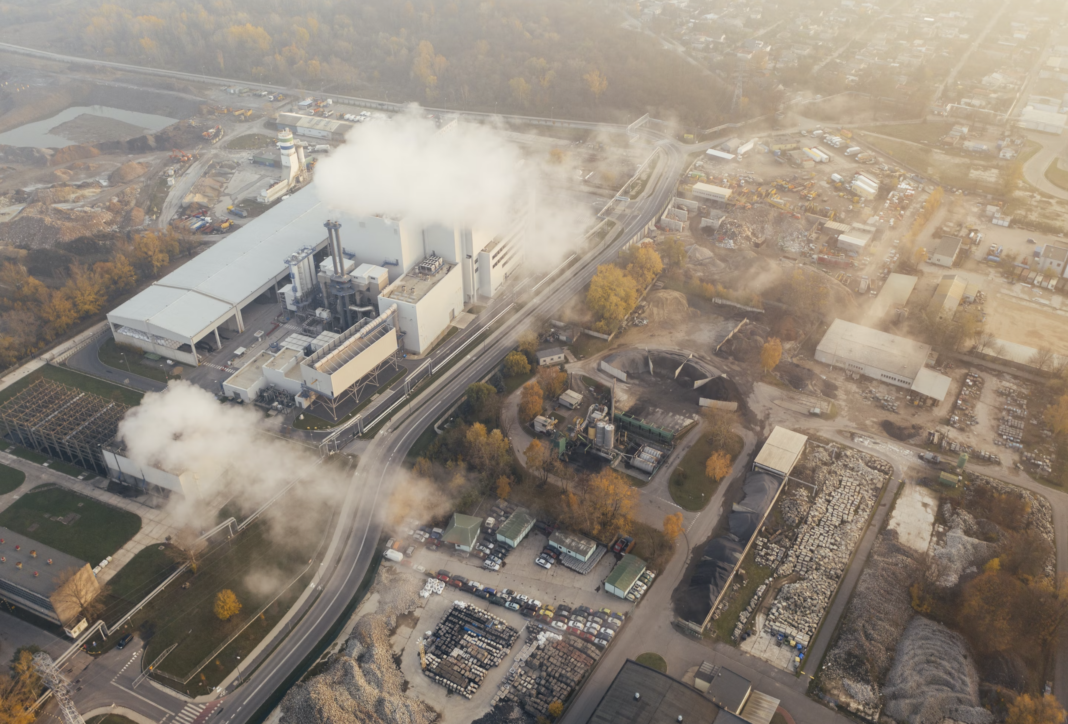


Air pollution is a topic that affects everyone, whether they live in bustling cities or the quiet countryside. One of the most significant contributors to this invisible threat is nitrogen oxide, which not only harbours detrimental effects on the environment but also poses a substantial risk to human health.
But what exactly is nitrogen oxide, and why should we be so concerned about it?
Unveiling the NOx Family
Nitrogen oxides, or NOx, refer to a group of highly reactive gases, all composed of nitrogen and oxygen. The two most prominent NOx compounds, nitric oxide (NO) and nitrogen dioxide (NO2) are crucial components in the formation of smog and acid rain. While NO, the precursor to NO2, is colourless and odourless, NO2 is a reddish-brown gas with a pungent smell, known for its lethality at high concentrations.
The primary source of NOx emissions is anthropogenic, with the bulk originating from the gases of vehicles, especially those propelled by diesel engines. Other significant contributors include power plants, heavy industry, and residential heating. At high temperatures, such as during combustion in engines, lightning strikes, and welding, nitrogen and oxygen combine to form NOx.
A Recipe for Trouble
NOx isn’t just your average air pollutant; it’s a game-changer in the atmosphere’s delicate chemistry, with far-reaching consequences. NOx plays a pivotal role in the complex chain of events that lead to ground-level ozone’s creation. In the presence of sunlight, NO2 is broken down into NO and a free oxygen atom. This oxygen atom then collides with an oxygen molecule (O2), resulting in ozone. Ground-level ozone isn’t the beneficial ozone layer at the stratosphere but a harmful air pollutant that can trigger asthma attacks and lead to premature deaths. NOx also significantly contributes to acid rain, which impacts water ecosystems and erodes buildings and monuments.
Breathing in Danger
The health hazards associated with NOx are severe. NO2, in particular, as well as the particles formed by the interaction of NOx with other substances, has been linked with several health problems, including aggravation of respiratory diseases like emphysema and bronchitis, as well as an increase in the risk of respiratory symptoms. Long-term exposure has been associated with adverse effects on lung development in children and can be a significant risk factor for childhood asthma.
Certain groups, such as children, the elderly, and people with pre-existing health conditions, are particularly at risk. These individuals may experience health effects at lower NOx levels or have a more pronounced response to exposure. This makes NOx a serious public health concern, warranting strict regulatory measures and focused mitigation strategies.
The Dieselgate Legacy: A Wake-Up Call for Emission Standards
The Dieselgate scandal was a pivotal moment in the global automotive industry. It revealed that many diesel vehicles were equipped with defeat devices – software designed to manipulate emissions testing. The scandal, which primarily centred around Volkswagen emissions, underlined the discrepancy between laboratory test NOx emissions and in-use vehicle emissions, catapulting NOx emissions to the forefront of environmental discussions.
Following the scandal, there was a significant shift in policymaking around the world. Countries and regions started to implement more stringent NOx standards for vehicles and increase testing procedures to better reflect real-world driving conditions. The event also sparked a broader conversation about the role of diesel fuel in urban pollution and encouraged a push towards more sustainable mobility solutions.
Navigating the NOx Challenge: What’s Being Done?
The alarming implications of NOx pollution have instigated a multi-faceted approach to combat its rise. This strategy includes technological advancements in cleaner-burning fuels more efficient engines, and the adoption of electric and hybrid vehicles. Additionally, there has been a growing emphasis on public transportation, cycling, and walking as alternatives to the automobile.
To address NOx emissions, there have been significant technological strides in the form of selective catalytic reduction (SCR) systems, exhaust gas recirculation (EGR) systems, and diesel particulate filters (DPFs) in vehicles. These technologies work by either converting NO to nitrogen and water or by reducing the formation of NOx in the combustion process.
Policymakers around the globe have sought to tackle NOx through various mechanisms, including the implementation of emission control areas (ECAS) for shipping, low-emission zones in cities, and the establishment of NOx emission limits for different sectors. The goal is not only to curb emissions but also to provide stringent norms that act as a catalyst for technological innovation.
The future holds the promise of advanced propulsion systems, smarter urban planning, and a more informed public, all contributing to a healthier, less polluted world. By championing sustainable practices, supporting eco-friendly policies, filing diesel claims, and making conscious choices, we can help diminish the NOx threat and secure a better tomorrow for human health and the environment. For more information on how you can be an advocate for change, visit https://www.claimexperts.co.uk.