
What Is Nitrogen Oxide and Why Is It Bad for the Environment?

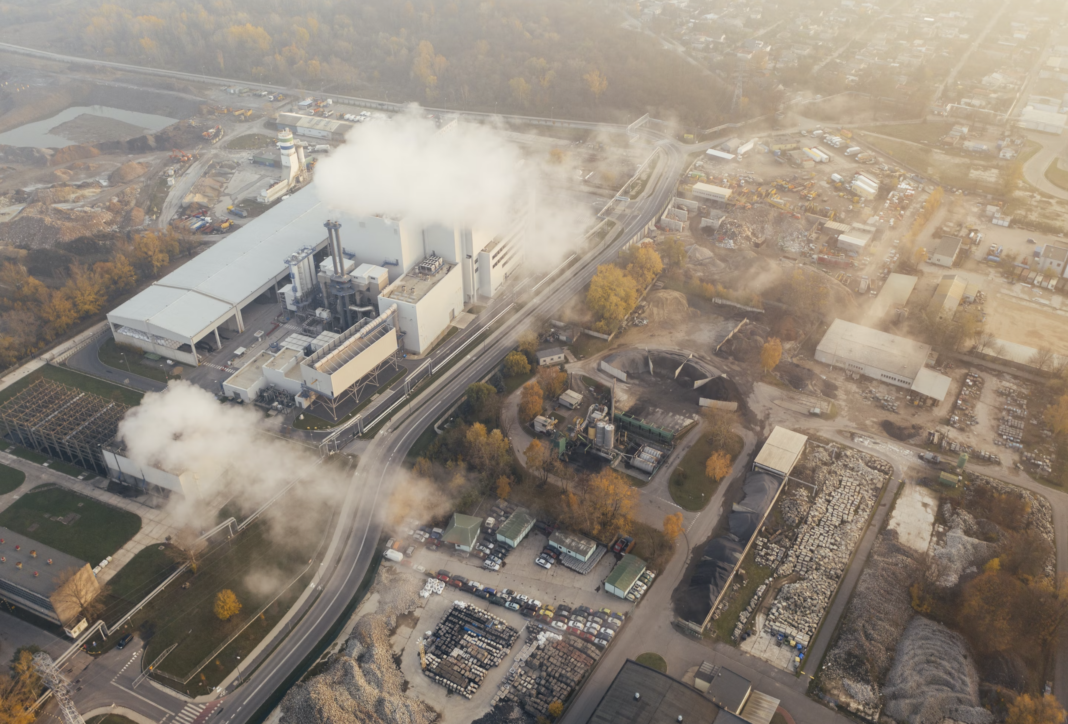
polluting smokestacks, climate emissions

Air pollution is a topic that affects everyone, whether they live in bustling cities or the quiet countryside. One of the most significant contributors to this invisible threat is nitrogen oxide, which not only harbours detrimental effects on the environment but also poses a substantial risk to human health. 

But what exactly is nitrogen oxide, and why should we be so concerned about it? 

Unveiling the NOx Family

Nitrogen oxides, or NOx, refer to a group of highly reactive gases, all composed of nitrogen and oxygen. The two most prominent NOx compounds, nitric oxide (NO) and nitrogen dioxide (NO2) are crucial components in the formation of smog and acid rain. While NO, the precursor to NO2, is colourless and odourless, NO2 is a reddish-brown gas with a pungent smell, known for its lethality at high concentrations.

The primary source of NOx emissions is anthropogenic, with the bulk originating from the gases of vehicles, especially those propelled by diesel engines. Other significant contributors include power plants, heavy industry, and residential heating. At high temperatures, such as during combustion in engines, lightning strikes, and welding, nitrogen and oxygen combine to form NOx.

A Recipe for Trouble

NOx isn’t just your average air pollutant; it’s a game-changer in the atmosphere’s delicate chemistry, with far-reaching consequences. NOx plays a pivotal role in the complex chain of events that lead to ground-level ozone’s creation. In the presence of sunlight, NO2 is broken down into NO and a free oxygen atom. This oxygen atom then collides with an oxygen molecule (O2), resulting in ozone. Ground-level ozone isn’t the beneficial ozone layer at the stratosphere but a harmful air pollutant that can trigger asthma attacks and lead to premature deaths. NOx also significantly contributes to acid rain, which impacts water ecosystems and erodes buildings and monuments.

Breathing in Danger

The health hazards associated with NOx are severe. NO2, in particular, as well as the particles formed by the interaction of NOx with other substances, has been linked with several health problems, including aggravation of respiratory diseases like emphysema and bronchitis, as well as an increase in the risk of respiratory symptoms. Long-term exposure has been associated with adverse effects on lung development in children and can be a significant risk factor for childhood asthma.

Certain groups, such as children, the elderly, and people with pre-existing health conditions, are particularly at risk. These individuals may experience health effects at lower NOx levels or have a more pronounced response to exposure. This makes NOx a serious public health concern, warranting strict regulatory measures and focused mitigation strategies.

The Dieselgate Legacy: A Wake-Up Call for Emission Standards

The Dieselgate scandal was a pivotal moment in the global automotive industry. It revealed that many diesel vehicles were equipped with defeat devices – software designed to manipulate emissions testing. The scandal, which primarily centred around Volkswagen emissions, underlined the discrepancy between laboratory test NOx emissions and in-use vehicle emissions, catapulting NOx emissions to the forefront of environmental discussions.

Following the scandal, there was a significant shift in policymaking around the world. Countries and regions started to implement more stringent NOx standards for vehicles and increase testing procedures to better reflect real-world driving conditions. The event also sparked a broader conversation about the role of diesel fuel in urban pollution and encouraged a push towards more sustainable mobility solutions.

Navigating the NOx Challenge: What’s Being Done?

The alarming implications of NOx pollution have instigated a multi-faceted approach to combat its rise. This strategy includes technological advancements in cleaner-burning fuels more efficient engines, and the adoption of electric and hybrid vehicles. Additionally, there has been a growing emphasis on public transportation, cycling, and walking as alternatives to the automobile.

To address NOx emissions, there have been significant technological strides in the form of selective catalytic reduction (SCR) systems, exhaust gas recirculation (EGR) systems, and diesel particulate filters (DPFs) in vehicles. These technologies work by either converting NO to nitrogen and water or by reducing the formation of NOx in the combustion process.

Policymakers around the globe have sought to tackle NOx through various mechanisms, including the implementation of emission control areas (ECAS) for shipping, low-emission zones in cities, and the establishment of NOx emission limits for different sectors. The goal is not only to curb emissions but also to provide stringent norms that act as a catalyst for technological innovation.

The future holds the promise of advanced propulsion systems, smarter urban planning, and a more informed public, all contributing to a healthier, less polluted world. By championing sustainable practices, supporting eco-friendly policies, filing diesel claims, and making conscious choices, we can help diminish the NOx threat and secure a better tomorrow for human health and the environment. For more information on how you can be an advocate for change, visit https://www.claimexperts.co.uk.

Bhok Thompson
Bhok Thompsonhttp://www.greenprophet.com
Bhok Thompson is an “eco-tinkerer” who thrives at the intersection of sustainability, business, and cutting-edge technology. With a background in mechanical engineering and a deep fascination with renewable energy, Bhok has dedicated his career to developing innovative solutions that bridge environmental consciousness with profitability. A frequent contributor to Green Prophet, Bhok writes about futuristic green tech, urban sustainability, and the latest trends in eco-friendly startups. His passion for engineering meets his love for business as he mentors young entrepreneurs looking to create scalable, impact-driven companies. Beyond his work, Bhok is an avid collector of vintage mechanical watches, believing they represent an era of precision and craftsmanship that modern technology often overlooks. Reach out: [email protected]

Read More

TRENDING

Understanding Food Production: Karl Studer on the Urban-Rural Knowledge Gap

Karl Studer occupies an unusual position in American business. As President of Quanta Services, he oversees electrical infrastructure operations across the United States, Canada, and Australia, managing thousands of employees and multibillion-dollar projects.

Wave wind energy for Nvidia’s next AI energy boom?

As AI factories consume unprecedented amounts of electricity, NVIDIA is looking beyond chips and data centers to the ocean. The company recently spotlighted Israel's Eco Wave Power and its wave energy projects in Jaffa and Los Angeles, highlighting how AI, digital twins and renewable energy can work together to meet future power demands. The collaboration reflects a growing realization that the future of artificial intelligence may depend as much on clean energy infrastructure as it does on computing power.

Weston Higginbotham found dead in a Kyoto forest: is climate anxiety part of the story?

In some ways, Weston has become a symbol of a generation wrestling with environmental and technological anxiety. Friends and family described him as deeply concerned about environmental issues. Reports also noted that he questioned the growing role of artificial intelligence in daily life, even reportedly disagreeing with his mother about her use of AI.

Billie Eilish’s Mom Takes the Stage at Hollywood Climate Summit — But Does Hollywood Still Care About Climate Change?

Hollywood once promised to help save the planet. Leonardo DiCaprio warned of climate catastrophe from awards stages. Celebrities flew to climate conferences. Studios pledged greener productions. Streaming platforms rushed to commission environmental documentaries. But in 2026, with the aftermath of wildfires, heatwaves and floods becoming routine, a question lingers: Does Hollywood still care about climate change?

Can Scientists Predict Coral Bleaching Before It Happens?

Now researchers at the Woods Hole Oceanographic Institution (WHOI) in the US say they have developed a way to predict coral bleaching five to six months before it occurs, potentially giving reef managers enough time to intervene and save vulnerable corals.

Yerukim Forms a New Green Economy Where the Money is Really Green

The Yerukim members who pick up the recyclables get to keep the monetary reward, the public earns "green" bills that can be used in shops, and business owners get to be associated with environmentalism.

Choosing Riyadh over Dubai? What Investors Should Know

Saudi Arabia is deploying capital at unmatched scale to catalyze tourism and advanced industry while rewiring its power-and-water backbone. The investable frontier is widening—especially in renewables, grid storage, water efficiency/desal retrofits, and hospitality operating platforms. Prudent investors will insist on phased delivery, enforceable KPIs (energy, water, biodiversity), and RHQ/zone compliance—while pricing political-economy and reputational risks alongside growth upside.

Sell your cooking oil for biodiesel money

Want to make money on old french fry oil? Sell it.

Qatar Alternative Energy Summit Pairs Investors And Innovators

Alternative energy investors and innovators can meet n' greet in Doha, Qatar March 16 and 17.

Here’s How To Implement The Four Pillars Of Employee Engagement

If you throw a party for your work team and they are vegans, don't make it a barbecue. Know the sustainability values of your team to boost moral and retain good people.

Locals From Rishon Fight IKEA

Big Box stores are a pretty new concept in Israel, and thank God that not every Israeli city wants them in their backyard. A word from someone who has see the beautiful farmland around her hometown Newmarket, Ontario stripped and converted into vulgar strip malls of big box shops: they have no place in a healthy and sustainable town or city.

The Jewish National Fund Meets An Inconvenient Truth

According to the JNF, it has transformed thousands of acres of barren land into green forests in Israel. They state that each person emits about 23 tons of carbon per year, estimating that each tree planted can absorb one ton of carbon in its lifetime. That's a whole lot of trees you'd need to be planting. Could so many fit in Israel?

How to quiet noise from construction in your office

Streets need to be resurfaced in New York but the humming and grinding noise is unsettling. Noise is environmental pollution. 

Popular Categories