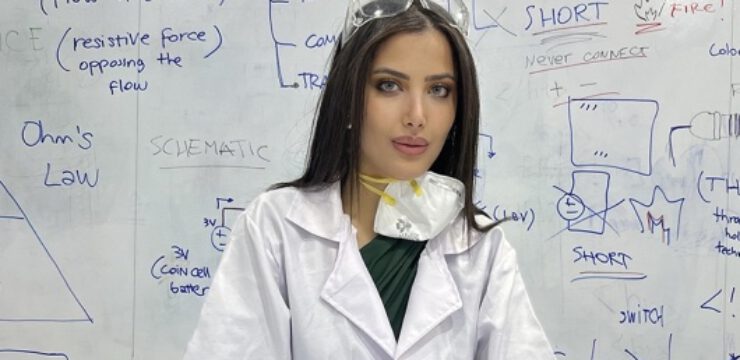
An architectural engineer by training, Al-Rashdan began experimenting with plant-based textiles in 2015. She learned to transform food waste—like beetroot skins, olive pulp, and onion peels—into biodegradable materials. Some are fed into a 3D printer to make handbags, coins, and jewelry; others are spun into fabrics for high-fashion dresses.
Read more
This is important because deserts and drylands are spreading around the world as the climate changes. Rainfall in these places is also becoming more unpredictable, so wet-dry cycles may happen more often. That could mean more greenhouse gases being released into the air than scientists had thought.
Read more
Egypt’s irrigation system has roots in millennia-old techniques, from Aswan Dam regulation to historic canal networks. The current program builds on this heritage, blending tradition with pressure-based systems and digital monitoring. Watch developments on the GERD dam opening this year from Ethiopia as water volume from the Nile that goes to Egypt may drop dramatically.
Read more
No Saudi water story is complete without NEOM, the high-profile giga-project selling a future of “100% renewable desalination,” circular brine chemistry, and hydrogen-powered industry. Ambition is welcome—Saudi needs moonshots to decouple water from oil.
Read more
Rising temperatures, unpredictable rainfall, and more frequent droughts amplify existing disputes. Water scarcity can fuel unrest, as seen in Iran’s Khuzestan protests, and can undermine fragile peace deals in post-conflict states like Libya and Yemen.
Read more
Until more research is done on non-runners, researchers propose a plausible—but unproven—mechanism: during prolonged intense exercise, blood is diverted away from the gastrointestinal tract, potentially leading to repeated intestinal ischemia (low blood flow), injury, and inflammation, which may foster precancerous changes.
Read more
Cloud seeding, like artificial reef construction or large-scale afforestation projects, often enjoys positive framing in official narratives and promotional campaigns. But without independent, peer-reviewed assessment, such projects can leave the public reliant on institutional claims. This information gap can breed suspicion, especially when interventions coincide with extreme or unexpected events.
Read more
If you’ve ever imagined the Middle East and North Africa (MENA) region as forever sun-drenched and dry, recent flash floods may challenge that mental image. In just the past year, cities across MENA—from Dubai to Amman—have found themselves underwater after sudden, massive storms. These deluges aren’t freak weather—they’re a warning. And they’re finally forcing governments […]
Read more
The 2025 Aga Khan Award for Architecture honors seven projects from Bangladesh to Iran that blend sustainability, cultural heritage, and community empowerment — from flood-resilient homes to the revival of Egypt’s historic Esna — showcasing how design can tackle climate, social, and urban challenges with beauty and purpose.
Read more
Archaeologists in Kafr Qasim have uncovered a 1,600-year-old Samaritan agricultural estate with colorful mosaics, an olive oil press, and a ritual bath. This rare discovery reveals how ancient communities lived sustainably—growing food locally, reusing materials, and balancing faith with farming—offering lessons for modern climate resilience in the Middle East.
Read more
Berkeley-based startup Copper has raised $28M to scale its battery-equipped induction stoves, offering a practical, plug-in alternative to harmful gas cooking. By cutting indoor air pollution, eliminating costly retrofits, and doubling as energy storage, Copper’s innovation helps households shift to cleaner, healthier kitchens and a greener energy grid.
Read more
Pilsok creates sustainable, eco-friendly bags from upcycled airbags, turning automotive waste into stylish, functional accessories. Their innovative approach to recycled materials supports the circular economy, reduces landfill waste, and promotes ethical fashion for a greener future.
Read more
A perpetual stew or century-old master stock can be safely maintained for years with daily boiling, clean handling, and fresh additions. This sustainable cooking tradition reduces waste, deepens flavor, and pairs perfectly with fermentation for a resilient, zero-waste kitchen.
Read more
A 6.0-magnitude earthquake in eastern Afghanistan killed over 800 people as mud-brick homes collapsed in rain-soaked landslides. Here’s why traditional earthen houses failed, how human-driven slope damage worsened the disaster, and how sustainable, earthquake-resistant construction can save lives.
Read more
The Global Sumud Flotilla, featuring Greta Thunberg and activists from over 40 countries, has set sail from Barcelona to challenge Israel’s Gaza blockade. Backed by grassroots funding, the mission aims to deliver humanitarian aid by sea despite storms, security risks, and Israel’s right to block Hamas under international law.
Read more