Sustainable Travel Planning: How RoutePerfect Supports Eco-Conscious Journeys

Discover how RoutePerfect's eco-certified partners and carbon-smart planning tools can help you travel responsibly. Create greener journeys today! Call now!


The House of Saud lived in a palace made from mud
Vernacular architecture, often seen in older homes around the world, represents a style of construction deeply rooted in the local environment and culture. Unlike architect-designed structures, vernacular buildings emerge from the resourcefulness of local builders, utilizing available materials and traditional knowledge to create functional, distinctive homes.
So, what exactly is vernacular architecture, and how has it evolved over time? Let’s delve into the practical aspects of this architectural style, with a focus on some examples from around the world.
Vernacular architecture is characterized by its simplicity and region-specific nature. It relies on local materials and craftsmanship, typically without the involvement of professional architects. Instead of adhering to rigid rules or pursuing aesthetic ideals, vernacular builders prioritize practicality and effectiveness, often using affordable, locally sourced materials.
Vernacular architecture traces its origins back to the earliest days of human settlement when people constructed basic shelters to meet their needs. In fact, some historians argue that most buildings erected before the mid-17th century could be considered vernacular, as they were not overseen by formal architects but crafted by local tradespeople using locally acquired skills.
The term ‘vernacular’ gained traction in the 19th century as colonialists encountered various building techniques in different parts of the world. Some architects of that era viewed these structures as quaint and unsophisticated compared to their own designs.
Over time, the term ‘vernacular architecture’ broadened its scope to encompass a wide range of architectural styles found not only abroad but also in Europe and the United States. In 1964, Bernard Rudofsky played a pivotal role in shedding light on these overlooked building traditions through an exhibition.
Vernacular architecture stands apart from other architectural styles due to its practical and context-driven nature. Some distinguishing features include:

This is vernacular architecture from the late 1880s in Northern Ontario, Commanda Region. Settlers obtained free land and bought a blueprint. No architect was involved in building the structure.
In contemporary times, constructing a truly authentic vernacular home can be challenging, given the prevalence of architect-led designs. However, you can still incorporate vernacular-inspired elements into your dwelling. Let’s explore some common examples from the United States and Canada:
Vernacular architecture may not always command attention for its architectural innovation, but it holds a significant place in the history of construction. These homes and structures are a testament to local ingenuity, sustainability, and a deep connection to the community. Exploring vernacular architecture offers valuable insights into the practicality and adaptability of traditional building styles.
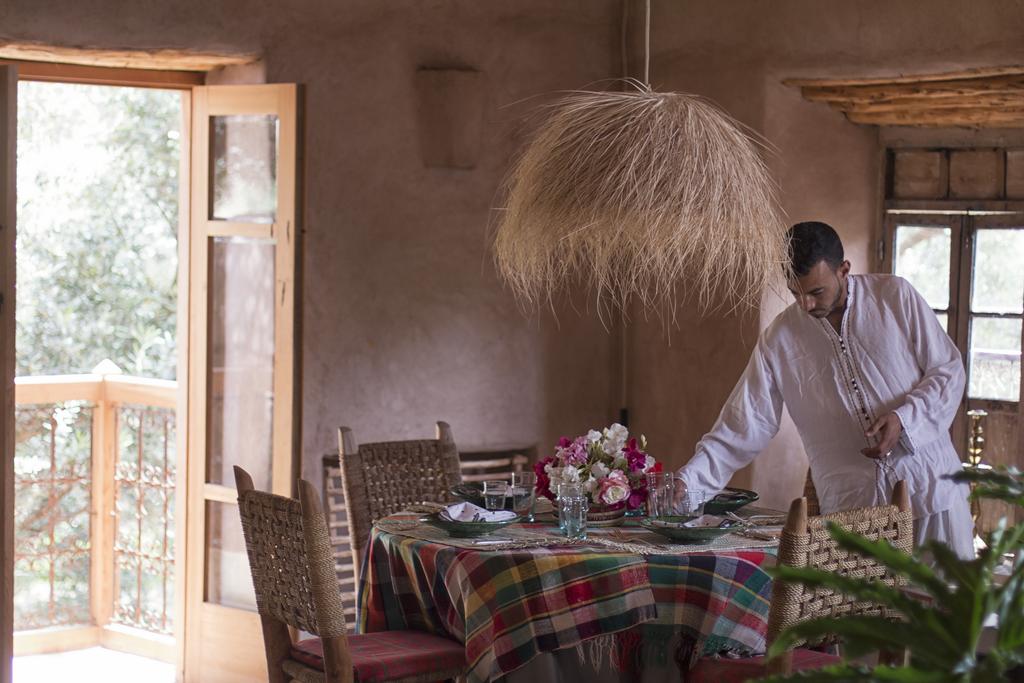
Inside a Berber home

Yemen’s Manhattan of the desert, vernacular architecture from the Middle East
In our era of towering skyscrapers in the United Arab Emirates, steel frames, and hard to insulate glass facades, it’s easy to overlook the humble wisdom embedded in vernacular architecture. Yet as advocates for sustainable living and building we believe that the vernacular approach to building deserves a place of prominence in our modern construction landscape.
The vernacular approach, rooted in local traditions and resourcefulness, offers a path towards sustainability that is often overshadowed by sleek, architect-driven designs. Here’s why sustainable architects should rekindle our appreciation for this time-tested approach:
As we confront the pressing challenges of climate change and peak sand, it’s time to reconsider the virtues of vernacular architecture. In a world where sustainability is no longer a choice but a necessity, we must draw inspiration from the past to build a more sustainable future. By incorporating the wisdom of vernacular building practices into our modern construction methods, we can forge a path towards a more harmonious and responsible coexistence with our planet. It’s not a step backward; it’s a leap forward toward a sustainable, resilient, and culturally rich future.
Discover how RoutePerfect's eco-certified partners and carbon-smart planning tools can help you travel responsibly. Create greener journeys today! Call now!

Luqaimat are particularly cherished during Ramadan, where they play a special role in the iftar meal. After a day of fasting, the sweetness of Luqaimat provides a satisfying and energy-boosting treat to break the fast. The dough balls, soaked in syrup, are a source of comfort and a reminder of the rich cultural and culinary traditions of the Gulf region.

As the global shift toward renewable energy accelerates, solar power continues to dominate as a key source of sustainable electricity. However, the efficiency of solar panels is significantly affected by dirt, dust, and debris accumulation. Cleaning solar panels manually is time-consuming, costly, and inefficient, particularly for large-scale solar farms. This is where solar panel cleaning robots come into play, offering automated, precise, and efficient cleaning solutions that enhance energy output and maximize return on investment (ROI).

In a world where screens dominate our time and digital experiences often replace tangible ones, there’s something profoundly refreshing about using your hands to create. Imagine stepping away from the virtual world for a week and immersing yourself in the craft of boat building—transforming raw materials into something both beautiful and functional.

The unconscious mice that were cared for revived and began walking sooner than those that weren’t attended to. Once the unconscious mouse started moving, the caregiver mouse gradually stopped its actions. Interestingly, the caregiving behavior was stronger when the mice were familiar with each other.

The energy from ‘microlightning’ might have powered chemical reactions that formed the building blocks for life on Earth. When water sprays as a fine mist — after the crash of a wave, for example — it forms minute, charged droplets. The proximity of oppositely-charged droplets to one another generates an electrical discharge and a tiny flash of light.

Selecting bed sheets made from sustainable materials not only enhances your sleeping experience but also supports eco-friendly practices. Here is a curated list of ten top sheet sets crafted from sustainable materials, including notable brands like Parachute. Each listing includes the price for a queen-size set and a link to the company's website for your convenience.

The fashion industry is undergoing a transformative shift towards environmental responsibility and innovation. Here are ten pioneering companies leading this change:

The bigger question is whether the Saudi Fund is serious about creating a thriving EV industry or simply using investments like Lucid for geopolitical leverage and reputation-building. With its deep ties to the fossil fuel industry, Saudi Arabia’s commitment to sustainability remains an open question. And if Lucid fails, it will be a lesson in how throwing money at a problem doesn’t always lead to real change.