Sriracha not burning your mouth off? A new COVID-19 symptom

Think you have COVID-19? Grab a bottle of your hottest sauce and see if you can taste fire.


The House of Saud lived in a palace made from mud
Vernacular architecture, often seen in older homes around the world, represents a style of construction deeply rooted in the local environment and culture. Unlike architect-designed structures, vernacular buildings emerge from the resourcefulness of local builders, utilizing available materials and traditional knowledge to create functional, distinctive homes.
So, what exactly is vernacular architecture, and how has it evolved over time? Let’s delve into the practical aspects of this architectural style, with a focus on some examples from around the world.
Vernacular architecture is characterized by its simplicity and region-specific nature. It relies on local materials and craftsmanship, typically without the involvement of professional architects. Instead of adhering to rigid rules or pursuing aesthetic ideals, vernacular builders prioritize practicality and effectiveness, often using affordable, locally sourced materials.
Vernacular architecture traces its origins back to the earliest days of human settlement when people constructed basic shelters to meet their needs. In fact, some historians argue that most buildings erected before the mid-17th century could be considered vernacular, as they were not overseen by formal architects but crafted by local tradespeople using locally acquired skills.
The term ‘vernacular’ gained traction in the 19th century as colonialists encountered various building techniques in different parts of the world. Some architects of that era viewed these structures as quaint and unsophisticated compared to their own designs.
Over time, the term ‘vernacular architecture’ broadened its scope to encompass a wide range of architectural styles found not only abroad but also in Europe and the United States. In 1964, Bernard Rudofsky played a pivotal role in shedding light on these overlooked building traditions through an exhibition.
Vernacular architecture stands apart from other architectural styles due to its practical and context-driven nature. Some distinguishing features include:

This is vernacular architecture from the late 1880s in Northern Ontario, Commanda Region. Settlers obtained free land and bought a blueprint. No architect was involved in building the structure.
In contemporary times, constructing a truly authentic vernacular home can be challenging, given the prevalence of architect-led designs. However, you can still incorporate vernacular-inspired elements into your dwelling. Let’s explore some common examples from the United States and Canada:
Vernacular architecture may not always command attention for its architectural innovation, but it holds a significant place in the history of construction. These homes and structures are a testament to local ingenuity, sustainability, and a deep connection to the community. Exploring vernacular architecture offers valuable insights into the practicality and adaptability of traditional building styles.
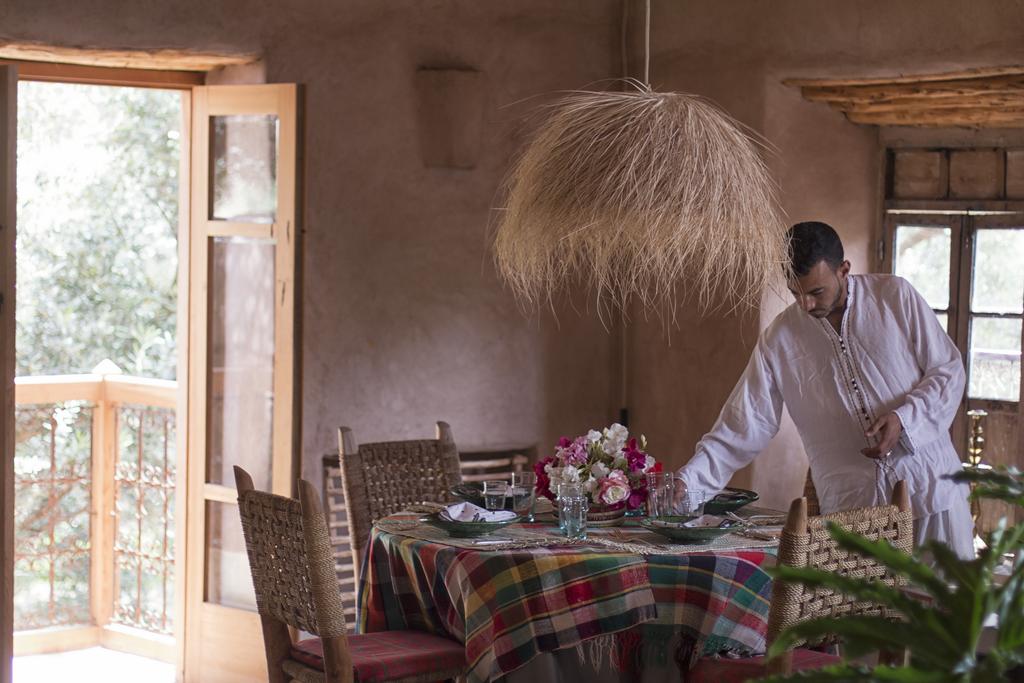
Inside a Berber home

Yemen’s Manhattan of the desert, vernacular architecture from the Middle East
In our era of towering skyscrapers in the United Arab Emirates, steel frames, and hard to insulate glass facades, it’s easy to overlook the humble wisdom embedded in vernacular architecture. Yet as advocates for sustainable living and building we believe that the vernacular approach to building deserves a place of prominence in our modern construction landscape.
The vernacular approach, rooted in local traditions and resourcefulness, offers a path towards sustainability that is often overshadowed by sleek, architect-driven designs. Here’s why sustainable architects should rekindle our appreciation for this time-tested approach:
As we confront the pressing challenges of climate change and peak sand, it’s time to reconsider the virtues of vernacular architecture. In a world where sustainability is no longer a choice but a necessity, we must draw inspiration from the past to build a more sustainable future. By incorporating the wisdom of vernacular building practices into our modern construction methods, we can forge a path towards a more harmonious and responsible coexistence with our planet. It’s not a step backward; it’s a leap forward toward a sustainable, resilient, and culturally rich future.
Think you have COVID-19? Grab a bottle of your hottest sauce and see if you can taste fire.

A new study released by Northwestern University concludes that vitamin D may be an essential weapon to protect yourself from the coronavirus. According to researchers, lower vitamin D levels significantly increase the likelihood that an infected person will develop severe symptoms and complications. The study drew upon data from hospitals in China, France, Italy, South […]
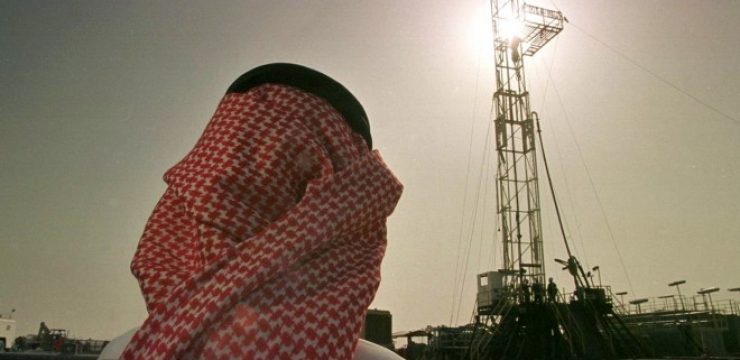
Energy is the big strand in a web of U.S.-Saudi economic ties that has grown in the six years since an American-led army rolled back Iraqi aggression in the Persian Gulf.

The relations between the Herodian Kingdom and the Nabatean Kingdom were very complex and involved political, economic and marriage ties. Through the institution of marriage with local dynasties, Herodians consolidated power in the southern Levant and later became Rome’s client state. Intermarriage between religious groups was not uncommon, people were open-minded, until they were not. Here’s […]

Michael Moore’s explosive documentary, Planet of the Humans, full documentary can be seen below, shows how the renewable energy business can never be sustainable. Part of the reason is really about raw materials and where we source them from, like graphite. Lithium ion batteries in electric cars for instance are so energy intensive and have […]

Middle Eastern vices are not the same that you find in America or Europe. In the Middle East it's about hashish. Americans and Canadians love cannabis now, and everywhere in Canada, and in more than half of the US States, you will have no problem with this vice. It is even being given out as medicine to help epilepsy, anxiety, pain from cancer.
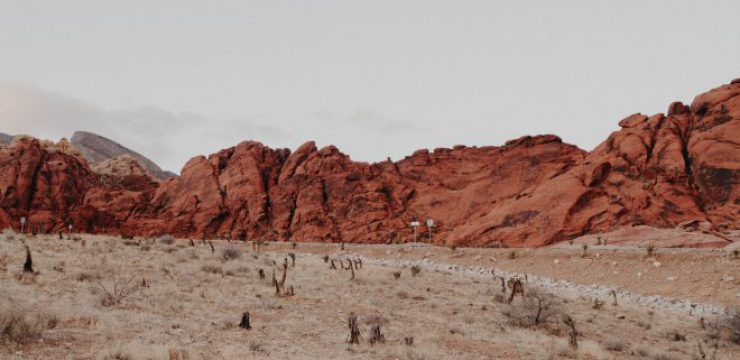
Deserts may not look like much, but there is a slow building up of life organic and inorganic in the soil. We need to preserve them from damage.

It’s now months into your hometown’s COVID-19 paralysis and you’ve exhausted ways to keep positive and productive. You need to replenish your toolkit of coping techniques, whether you’re cooped up solo, shacked up with a mate, or running a home school – slash – daycare center. Fear not! Green Prophet brings you point and click […]

My life, for the past few years, has been anything but common. So when I found out of was expecting a baby – roughly 32 weeks ago – I knew my pregnancy wouldn’t go by the book either. Any pregnancy is a rollercoaster ride of hormones and emotions, causing amazing and unexpected changes to your […]