Sustainable urban design in Rotterdam, my hometown
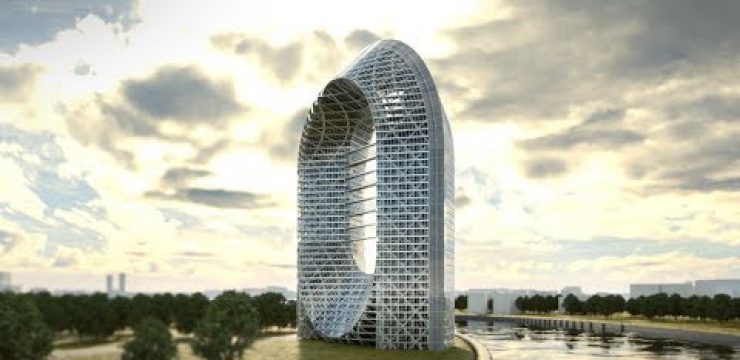
Rotterdam is a test bed for sustainable cities. Practical solutions but also a playground of sorts.


The House of Saud lived in a palace made from mud
Vernacular architecture, often seen in older homes around the world, represents a style of construction deeply rooted in the local environment and culture. Unlike architect-designed structures, vernacular buildings emerge from the resourcefulness of local builders, utilizing available materials and traditional knowledge to create functional, distinctive homes.
So, what exactly is vernacular architecture, and how has it evolved over time? Let’s delve into the practical aspects of this architectural style, with a focus on some examples from around the world.
Vernacular architecture is characterized by its simplicity and region-specific nature. It relies on local materials and craftsmanship, typically without the involvement of professional architects. Instead of adhering to rigid rules or pursuing aesthetic ideals, vernacular builders prioritize practicality and effectiveness, often using affordable, locally sourced materials.
Vernacular architecture traces its origins back to the earliest days of human settlement when people constructed basic shelters to meet their needs. In fact, some historians argue that most buildings erected before the mid-17th century could be considered vernacular, as they were not overseen by formal architects but crafted by local tradespeople using locally acquired skills.
The term ‘vernacular’ gained traction in the 19th century as colonialists encountered various building techniques in different parts of the world. Some architects of that era viewed these structures as quaint and unsophisticated compared to their own designs.
Over time, the term ‘vernacular architecture’ broadened its scope to encompass a wide range of architectural styles found not only abroad but also in Europe and the United States. In 1964, Bernard Rudofsky played a pivotal role in shedding light on these overlooked building traditions through an exhibition.
Vernacular architecture stands apart from other architectural styles due to its practical and context-driven nature. Some distinguishing features include:

This is vernacular architecture from the late 1880s in Northern Ontario, Commanda Region. Settlers obtained free land and bought a blueprint. No architect was involved in building the structure.
In contemporary times, constructing a truly authentic vernacular home can be challenging, given the prevalence of architect-led designs. However, you can still incorporate vernacular-inspired elements into your dwelling. Let’s explore some common examples from the United States and Canada:
Vernacular architecture may not always command attention for its architectural innovation, but it holds a significant place in the history of construction. These homes and structures are a testament to local ingenuity, sustainability, and a deep connection to the community. Exploring vernacular architecture offers valuable insights into the practicality and adaptability of traditional building styles.
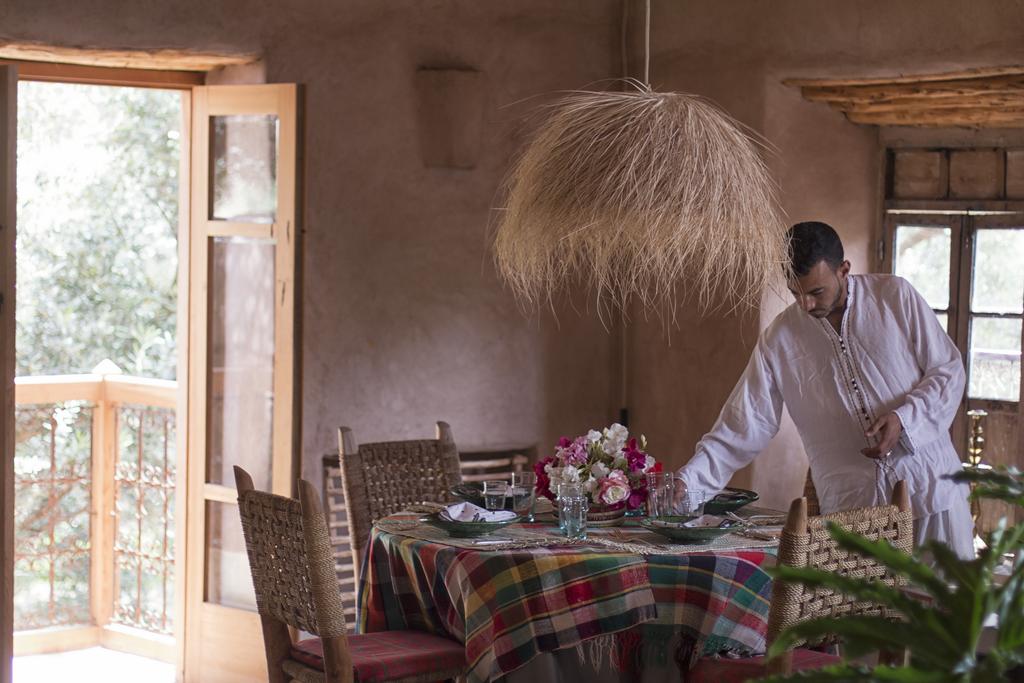
Inside a Berber home

Yemen’s Manhattan of the desert, vernacular architecture from the Middle East
In our era of towering skyscrapers in the United Arab Emirates, steel frames, and hard to insulate glass facades, it’s easy to overlook the humble wisdom embedded in vernacular architecture. Yet as advocates for sustainable living and building we believe that the vernacular approach to building deserves a place of prominence in our modern construction landscape.
The vernacular approach, rooted in local traditions and resourcefulness, offers a path towards sustainability that is often overshadowed by sleek, architect-driven designs. Here’s why sustainable architects should rekindle our appreciation for this time-tested approach:
As we confront the pressing challenges of climate change and peak sand, it’s time to reconsider the virtues of vernacular architecture. In a world where sustainability is no longer a choice but a necessity, we must draw inspiration from the past to build a more sustainable future. By incorporating the wisdom of vernacular building practices into our modern construction methods, we can forge a path towards a more harmonious and responsible coexistence with our planet. It’s not a step backward; it’s a leap forward toward a sustainable, resilient, and culturally rich future.
Rotterdam is a test bed for sustainable cities. Practical solutions but also a playground of sorts.
Renewable power is increasingly cheaper than any new electricity capacity based on fossil fuels, a new report by the International Renewable Energy Agency (IRENA) published today finds. Renewable Power Generation Costs in 2019 shows that more than half of the renewable capacity added in 2019 achieved lower power costs than the cheapest new coal plants. The report […]

Astroscale, the market leader in securing long-term orbital sustainability, today announced it has entered into a definitive agreement to acquire the intellectual property and other assets and to hire certain members of the staff of Effective Space Solutions R&D Ltd. (“ESS”), an Israeli satellite life-extension and servicing company. These moves make Astroscale the only company […]

The coronavirus has also had some positive effects. By forcing people to stay in their homes, there is less pollution. It’s been an effective way to let the world heal.

All of us like to buy broadband plans, and other internet connection without even considering their impact on our environment. This is getting serious as the use of the internet is becoming more common compared to the past times. All of us need to be conscious about this fact and start educating ourselves along with […]
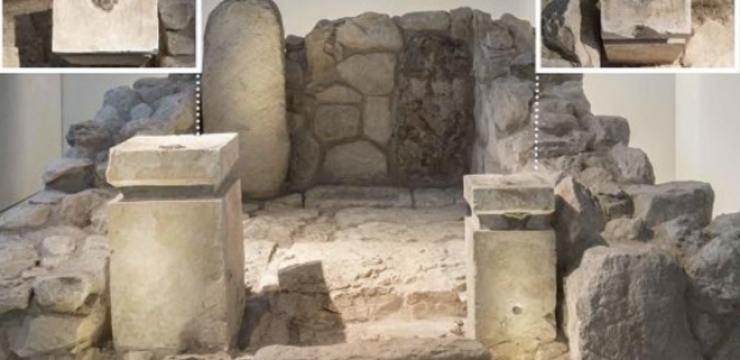
Holy high? For the first time archeologists reveal that psychoactive cannabis was part of ancient worship rituals in the Holy Land.

Love is a minefield in good times. In bad times, love might make a bit more sense. It’s like that life raft that the universe sends to us, to give us hope and meaning. To help us navigate the next chapter of our lives, alone or with a spiritual partner?
CBD is a molecule that's not only found in cannabis and hemp oil. Japanese researchers squeeze it from oranges too.
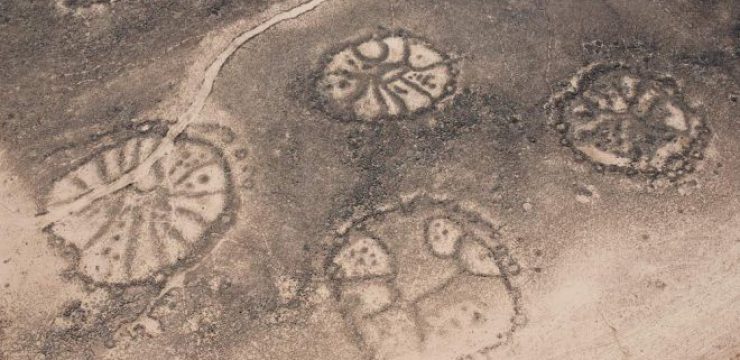
The local Bedouin knew about them for thousands of years but in the 1920s, pilots of the Royal Air Force flying over the deserts of Israel, Jordan and Egypt saw mysterious line shapes in the ground that they named “Desert Kites”. Because their outlines, as seen from the air in their planes, reminded them of airborne kites.