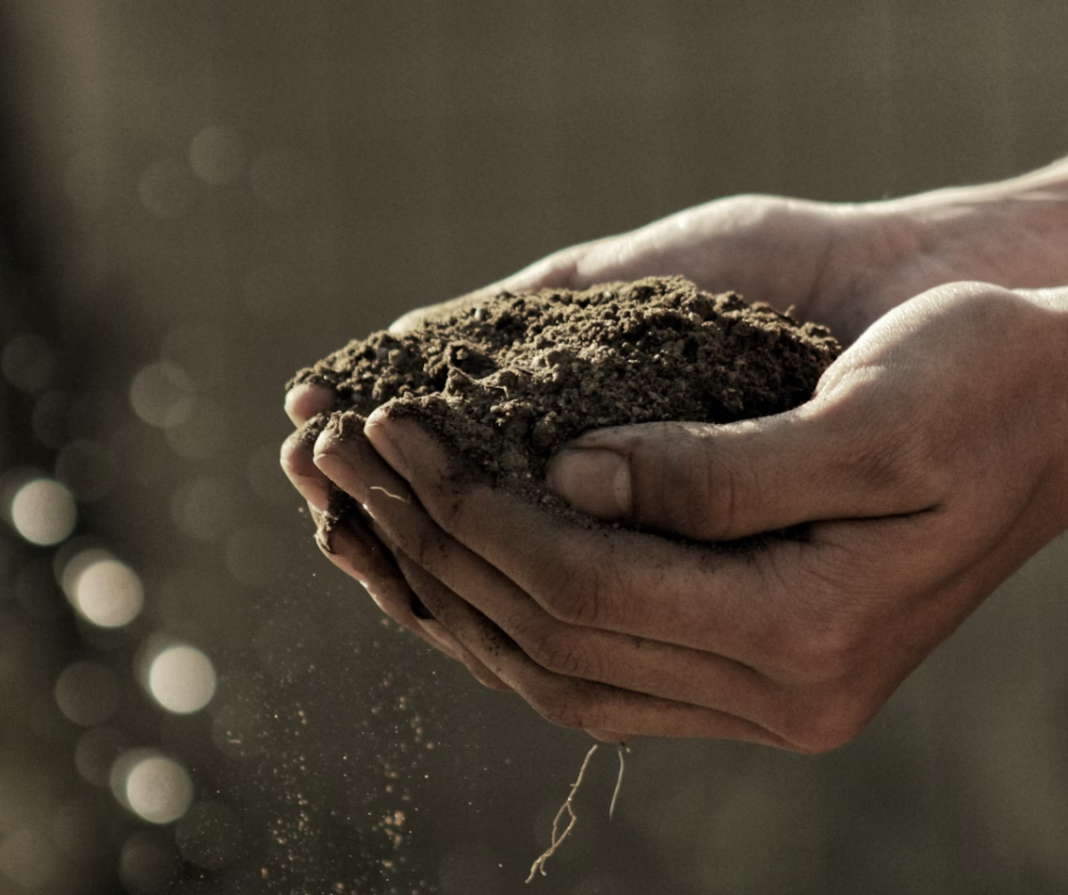

Most bacteria in soil cannot be cultured in the lab, and that has long been a barrier for science. Yet the soil beneath our feet is the world’s largest reservoir of microbial diversity, a hidden ecosystem that could hold cures for drug-resistant infections, insights into climate, and new tools for sustainable farming. This makes sense considering the “healing” feeling when you are out in nature, in the forest, feet in the soil.
A new study in Nature Biotechnology may change the way we access that treasure trove.
Researchers at Rockefeller University have developed a way to extract very large DNA fragments directly from soil, sidestepping the need to grow bacteria in petri dishes. From a single forest soil sample, the team generated hundreds of complete bacterial genomes never seen before, and identified two new antibiotic leads. This could lead to a quick amplification of new leads to powerful and life-saving antibiotics.
“We finally have the technology to see the microbial world that have been previously inaccessible to humans,” says Sean F. Brady, head of Rockefeller’s Laboratory of Genetically Encoded Small Molecules. “And we’re not just seeing this information; we’re already turning it into potentially useful antibiotics. This is just the tip of the spear.”
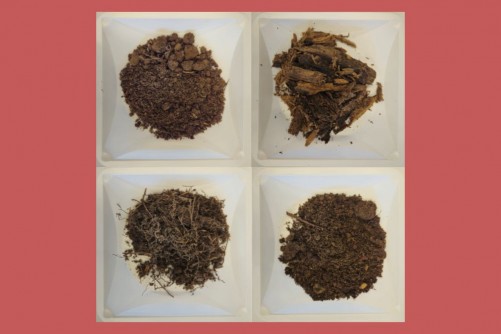
The method, which pairs soil DNA extraction with long-read nanopore sequencing, allows scientists to recover continuous stretches of DNA tens of thousands of base pairs long. “It’s easier to assemble a whole genome out of bigger pieces of DNA, rather than the millions of tiny snippets that were available before,” Brady adds. “And that makes a dramatic difference in your confidence in your results.”
Related: Adding Mycorrhizal Fungi to Green Roofs
Using their approach, the researchers discovered two promising molecules. One, erutacidin, disrupts bacterial membranes through a novel mechanism and is effective against resistant pathogens. The other, trigintamicin, acts on a rare target called ClpX, a protein-unfolding motor. Brady describes the overall strategy as simple but transformative: “Isolate big DNA, sequence it, and computationally convert it into something useful.”
Soil in the News: Why It Matters Now
Soil health is making headlines worldwide. A Guardian investigation in late August showed how regenerative farmers are looking at soil microbes under microscopes to improve yields without chemicals. In Israel, regenerative agriculture pilots are testing methods to restore soil biodiversity under real farm conditions. Meanwhile, mega-fires across the Mediterranean this summer highlighted how degraded soils struggle to retain water and recover from climate shocks.
Soil microbes are not just about crops. They underpin global carbon cycles, water retention, and climate stability. As this study shows, they may also be humanity’s best source of new medicines. If foresters like in Canada keep pouring chemicals like glyphosate weed killers on forests, how can we expect the soil to thrive?
Related: A museum for Middle East soil
For regenerative agriculture, the lesson is clear: as Woody Harrelson says preserving soil biodiversity preserves opportunity. Degraded soils lose microbial richness, shrinking both ecosystem function and the chance to discover new bioactive molecules. Practices like cover cropping, composting, and reduced tillage foster microbial life, keeping the “dark matter” of the soil alive and accessible.
“All over the world there’s this hidden ecosystem of microbes that could have dramatic effects on our lives,” Brady notes. The Rockefeller team’s discovery makes that invisible world visible — but keeping it healthy is a job for all of us.