Soil has hidden antibiotics ready to be found –– and the new race to find them

The life in soil is worth more than gold

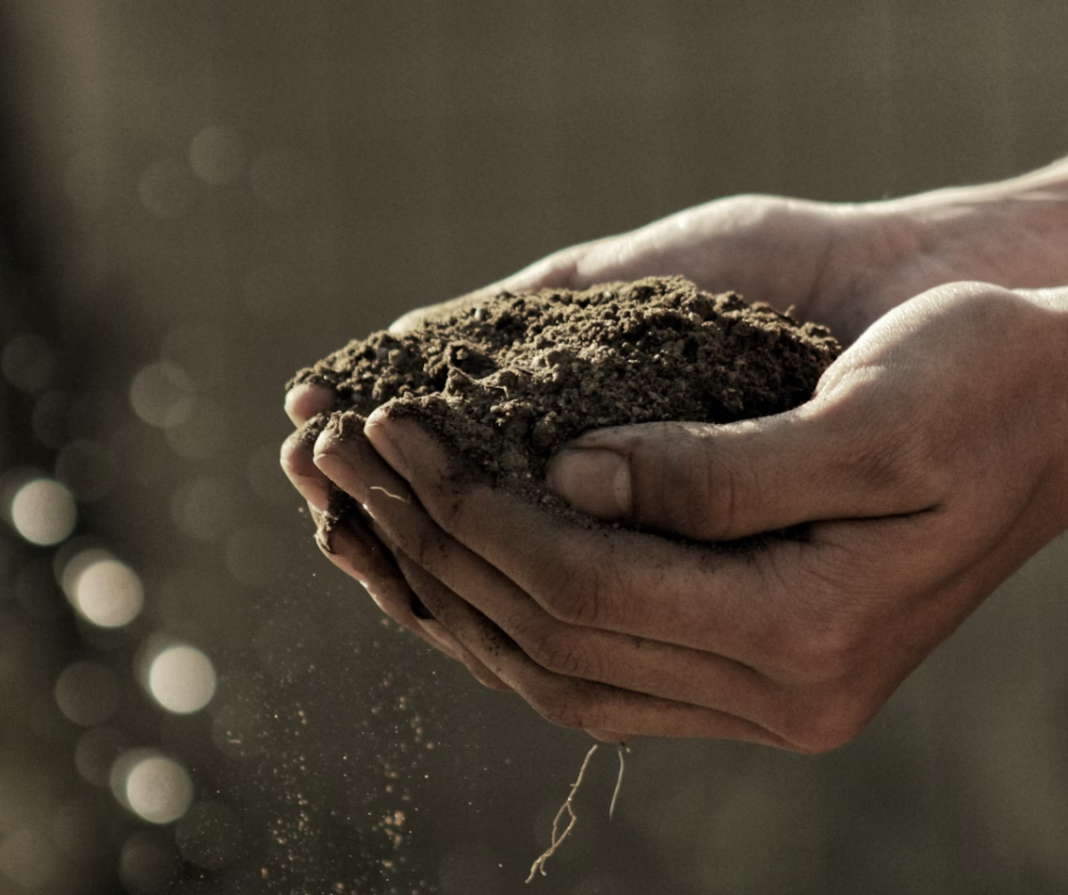
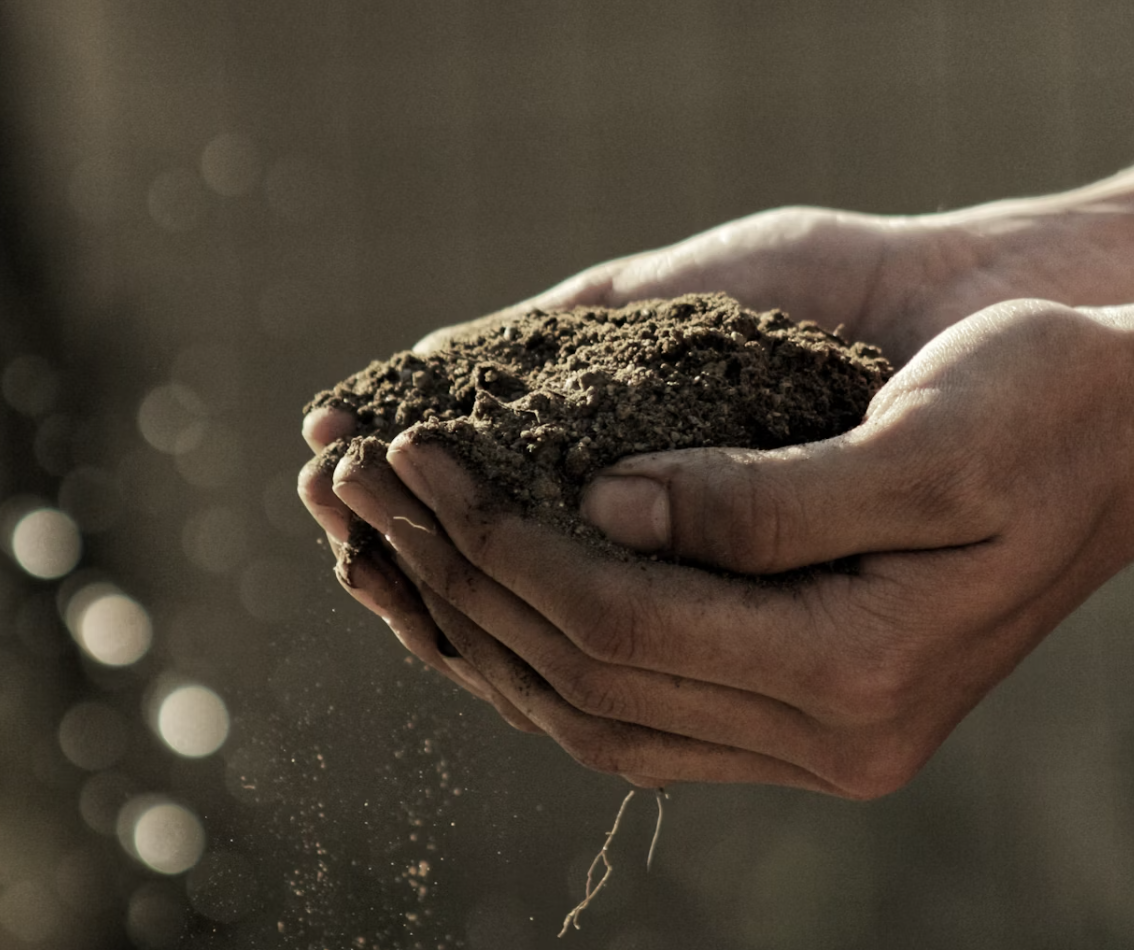
Most bacteria in soil cannot be cultured in the lab, and that has long been a barrier for science. Yet the soil beneath our feet is the world’s largest reservoir of microbial diversity, a hidden ecosystem that could hold cures for drug-resistant infections, insights into climate, and new tools for sustainable farming. This makes sense considering the “healing” feeling when you are out in nature, in the forest, feet in the soil.

A new study in Nature Biotechnology may change the way we access that treasure trove.

Researchers at Rockefeller University have developed a way to extract very large DNA fragments directly from soil, sidestepping the need to grow bacteria in petri dishes. From a single forest soil sample, the team generated hundreds of complete bacterial genomes never seen before, and identified two new antibiotic leads. This could lead to a quick amplification of new leads to powerful and life-saving antibiotics.

“We finally have the technology to see the microbial world that have been previously inaccessible to humans,” says Sean F. Brady, head of Rockefeller’s Laboratory of Genetically Encoded Small Molecules. “And we’re not just seeing this information; we’re already turning it into potentially useful antibiotics. This is just the tip of the spear.”
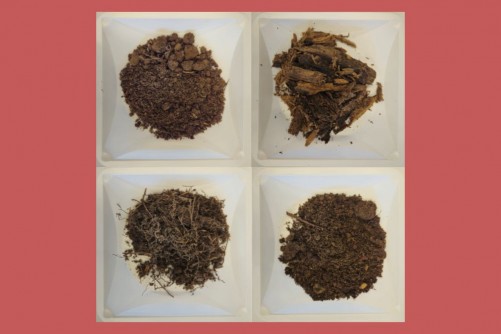
Soil samples

The method, which pairs soil DNA extraction with long-read nanopore sequencing, allows scientists to recover continuous stretches of DNA tens of thousands of base pairs long. “It’s easier to assemble a whole genome out of bigger pieces of DNA, rather than the millions of tiny snippets that were available before,” Brady adds. “And that makes a dramatic difference in your confidence in your results.”

Related: Adding Mycorrhizal Fungi to Green Roofs

Using their approach, the researchers discovered two promising molecules. One, erutacidin, disrupts bacterial membranes through a novel mechanism and is effective against resistant pathogens. The other, trigintamicin, acts on a rare target called ClpX, a protein-unfolding motor. Brady describes the overall strategy as simple but transformative: “Isolate big DNA, sequence it, and computationally convert it into something useful.”

Soil in the News: Why It Matters Now

Soil health is making headlines worldwide. A Guardian investigation in late August showed how regenerative farmers are looking at soil microbes under microscopes to improve yields without chemicals. In Israel, regenerative agriculture pilots are testing methods to restore soil biodiversity under real farm conditions. Meanwhile, mega-fires across the Mediterranean this summer highlighted how degraded soils struggle to retain water and recover from climate shocks.

Soil microbes are not just about crops. They underpin global carbon cycles, water retention, and climate stability. As this study shows, they may also be humanity’s best source of new medicines. If foresters like in Canada keep pouring chemicals like glyphosate weed killers on forests, how can we expect the soil to thrive?

Related: A museum for Middle East soil

For regenerative agriculture, the lesson is clear: as Woody Harrelson says preserving soil biodiversity preserves opportunity. Degraded soils lose microbial richness, shrinking both ecosystem function and the chance to discover new bioactive molecules. Practices like cover cropping, composting, and reduced tillage foster microbial life, keeping the “dark matter” of the soil alive and accessible.

“All over the world there’s this hidden ecosystem of microbes that could have dramatic effects on our lives,” Brady notes. The Rockefeller team’s discovery makes that invisible world visible — but keeping it healthy is a job for all of us.


Read More

TRENDING

Monitoring farmers’ tillage patterns from space

Tillage is one of the clearest signals of how a farm treats its soil. Intensive plowing can degrade structure, release carbon, and increase erosion. Conservation practices—no-till, cover cropping, minimal disturbance—do the opposite. They build soil, retain water, and support biodiversity. But until now, measuring these practices at scale has been slow, expensive, and often self-reported.

Tony Cho’s model for regenerative cities

Tony Cho is a regenerative developer and community builder focused on designing cities as living ecosystems that support human connection and ecological balance. A key figure in Miami’s urban transformation, he helped shape the Wynwood Arts District and founded the Magic City Innovation District. Influenced by an unconventional upbringing that included time in an ashram, Cho brings a spiritual lens to real estate, blending culture, community, and capital into what he calls regenerative placemaking.

Inflatable concrete homes: a California and Ontario case study

Across Ontario and California, builders are rethinking concrete housing through inflatable-shell design—an approach that replaces wooden formwork with air and innovation. A 1,000-square-foot low-carbon concrete shell, insulated with hempcrete, can be erected in a day and cost far less than conventional construction. Over time, the savings in energy, materials, and mortgage costs make this model a realistic response to rising living expenses and climate stress. With low-carbon cement, hempcrete walls, and renewable energy, inflatable concrete homes show how even the world’s most carbon-heavy material can become part of a sustainable future—if built smartly, and within local building codes.

Lizard tail stew, dhub mansaf, is a favored folk dish in Saudi Arabia

By exploring forgotten folk dishes like lizard stew, Green Prophet continues to connect the dots between culture, ecology, and the future of sustainable living in the Middle East.

Biodiversity Blueprint Set for 2026

If we seize this moment, the 2026 review can catalyse a new wave of finance (see Green Finance mechanisms in the UAE), innovation and policy coherence — and move us closer to the vision of a nature-positive world by 2050. If not, the checkpoint risks becoming another missed opportunity while ecosystems, livelihoods and economies continue to degrade.

Yerukim Forms a New Green Economy Where the Money is Really Green

The Yerukim members who pick up the recyclables get to keep the monetary reward, the public earns "green" bills that can be used in shops, and business owners get to be associated with environmentalism.

Choosing Riyadh over Dubai? What Investors Should Know

Saudi Arabia is deploying capital at unmatched scale to catalyze tourism and advanced industry while rewiring its power-and-water backbone. The investable frontier is widening—especially in renewables, grid storage, water efficiency/desal retrofits, and hospitality operating platforms. Prudent investors will insist on phased delivery, enforceable KPIs (energy, water, biodiversity), and RHQ/zone compliance—while pricing political-economy and reputational risks alongside growth upside.

Sell your cooking oil for biodiesel money

Want to make money on old french fry oil? Sell it.

Qatar Alternative Energy Summit Pairs Investors And Innovators

Alternative energy investors and innovators can meet n' greet in Doha, Qatar March 16 and 17.

Here’s How To Implement The Four Pillars Of Employee Engagement

If you throw a party for your work team and they are vegans, don't make it a barbecue. Know the sustainability values of your team to boost moral and retain good people.

Locals From Rishon Fight IKEA

Big Box stores are a pretty new concept in Israel, and thank God that not every Israeli city wants them in their backyard. A word from someone who has see the beautiful farmland around her hometown Newmarket, Ontario stripped and converted into vulgar strip malls of big box shops: they have no place in a healthy and sustainable town or city.

The Jewish National Fund Meets An Inconvenient Truth

According to the JNF, it has transformed thousands of acres of barren land into green forests in Israel. They state that each person emits about 23 tons of carbon per year, estimating that each tree planted can absorb one ton of carbon in its lifetime. That's a whole lot of trees you'd need to be planting. Could so many fit in Israel?

How to quiet noise from construction in your office

Streets need to be resurfaced in New York but the humming and grinding noise is unsettling. Noise is environmental pollution. 

Popular Categories