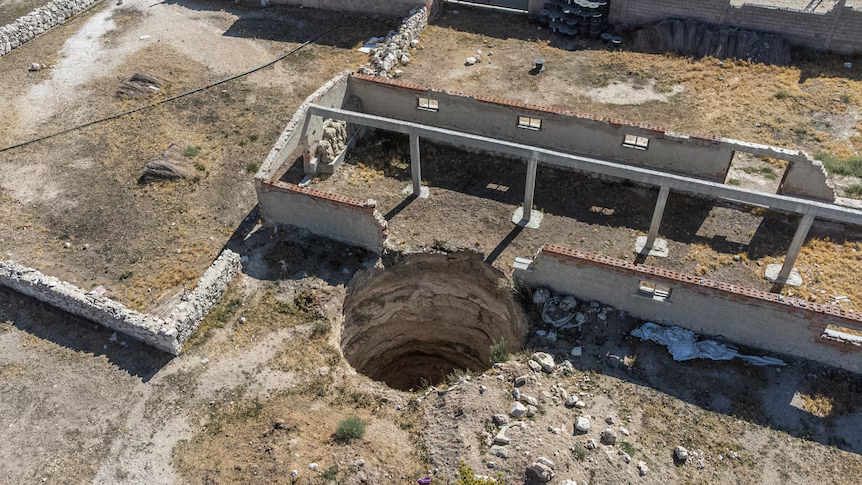
Sinkholes are rapidly appearing in Turkey’s central Anatolian farming region, particularly around Konya and Karapınar. These giant gaping holes in the ground in areas of farmland, known locally as obruk, are not random geological events. They are linked to prolonged drought, climate-driven heat stress, and heavy groundwater extraction for agriculture in one of the country’s most important breadbaskets.
Read more
This bit of Turkish home cuisine is called Arap Koftesi, and I discovered it in Özlem's Turkish Table. We can call them burgul balls.
Read more
The Durupınar formation's dimensions strikingly mirror the biblical description of Noah's Ark, as detailed in Genesis 6:15. Ground-penetrating radar (GPR) surveys have revealed internal features, including rectangular shapes and what appears to be a central chamber, located approximately 22 feet beneath the surface. These findings suggest the possibility of man-made structures within the formation.
Read more
Lahmacun, or lahmajoun are fun to eat folded over and out of hand, as a snack or finger food. If you prefer to make bigger pastries, they also make a satisfying meal.
Read more
Seismic meters used to detect upcoming earthquakes may be used in the Art of War
Read more
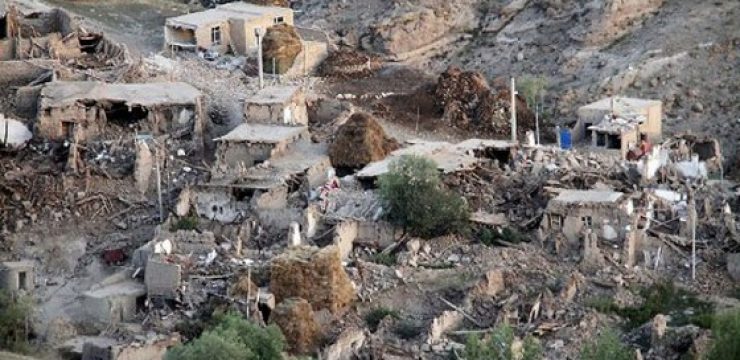
The researchers add that the meeting area between the Dead Sea and East Anatolian Faults may be considered a natural laboratory for studying the processes in which tectonic junctions are formed between plate boundaries.
Read more
Turkey's overuse of aquifers is causing a strain on the land and deadly sinkholes threaten farms and lives.
Read more
Turkey has started culling 4 million stray dogs, throwing them out in plastic bags.
Read more
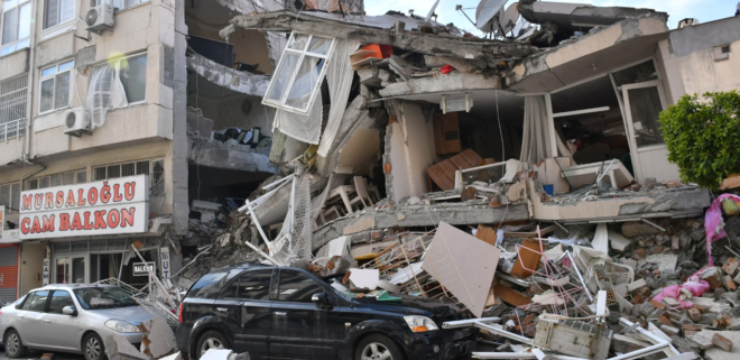
Antakya was destroyed in an earthquake. Foster + Partners offers a sustainable future for the ancient Turkish city built originally by the Greeks.
Read more
Turkey has approved a law to cull its estimated 4 million stray dogs.
Read more
China makes a $1 billion deal with Turkey to build EVs in Turkey circumventing EU tariffs imposed on Chinese electric cars.
Read more
"While countries like Germany have decommissioned the last of their nuclear reactors Communist and autocratic regimes are just getting started."
Read more
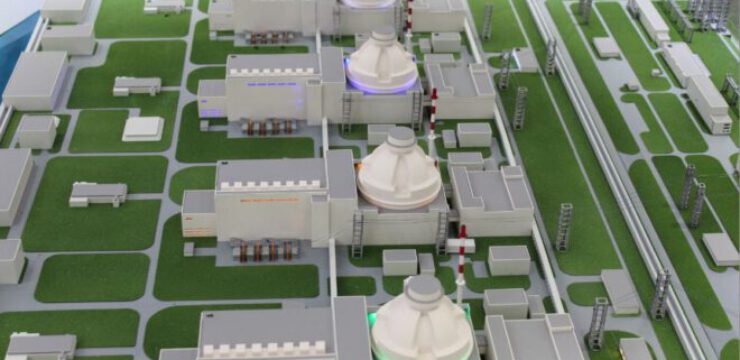
Yet, Turkey has misread the room and is calling nuclear energy renewable energy: The proposed expansion aims to reach 7.2 gigawatts (GW) of nuclear capacity by 2035 and up to 20GW by 2050.
Read more
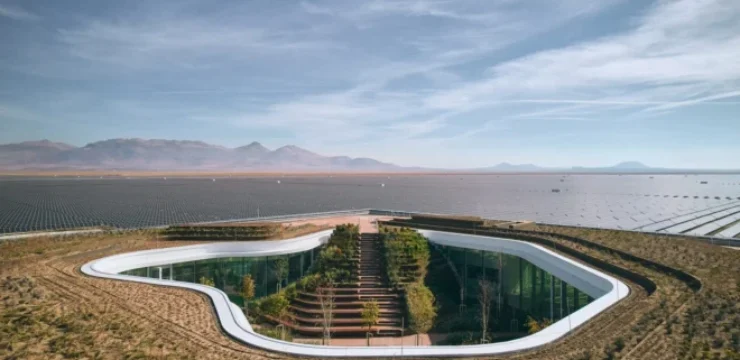
The 3.2 million panel solar farm, Kalyon Karapınar Solar Power Plant, in Turkey is clad is shimmering steel panels.
Read more
Solar power is a growing part of renewable energy Turley, with 10 gigawatts (GW) of solar panels generating 5% of the country's electricity. Solar thermal is also important. These are the solar panels that heat water on home roofs. Although similarly sunny as Spain, Turkey has installed far less solar power than Spain.
Read more