Geothermal company Ormat expands with $75 M USD loan

Ormat Technologies, a family energy business from Israel, has big plans for geothermal and recovered energy generation and the energy storage market


The House of Saud lived in a palace made from mud
Vernacular architecture, often seen in older homes around the world, represents a style of construction deeply rooted in the local environment and culture. Unlike architect-designed structures, vernacular buildings emerge from the resourcefulness of local builders, utilizing available materials and traditional knowledge to create functional, distinctive homes.
So, what exactly is vernacular architecture, and how has it evolved over time? Let’s delve into the practical aspects of this architectural style, with a focus on some examples from around the world.
Vernacular architecture is characterized by its simplicity and region-specific nature. It relies on local materials and craftsmanship, typically without the involvement of professional architects. Instead of adhering to rigid rules or pursuing aesthetic ideals, vernacular builders prioritize practicality and effectiveness, often using affordable, locally sourced materials.
Vernacular architecture traces its origins back to the earliest days of human settlement when people constructed basic shelters to meet their needs. In fact, some historians argue that most buildings erected before the mid-17th century could be considered vernacular, as they were not overseen by formal architects but crafted by local tradespeople using locally acquired skills.
The term ‘vernacular’ gained traction in the 19th century as colonialists encountered various building techniques in different parts of the world. Some architects of that era viewed these structures as quaint and unsophisticated compared to their own designs.
Over time, the term ‘vernacular architecture’ broadened its scope to encompass a wide range of architectural styles found not only abroad but also in Europe and the United States. In 1964, Bernard Rudofsky played a pivotal role in shedding light on these overlooked building traditions through an exhibition.
Vernacular architecture stands apart from other architectural styles due to its practical and context-driven nature. Some distinguishing features include:

This is vernacular architecture from the late 1880s in Northern Ontario, Commanda Region. Settlers obtained free land and bought a blueprint. No architect was involved in building the structure.
In contemporary times, constructing a truly authentic vernacular home can be challenging, given the prevalence of architect-led designs. However, you can still incorporate vernacular-inspired elements into your dwelling. Let’s explore some common examples from the United States and Canada:
Vernacular architecture may not always command attention for its architectural innovation, but it holds a significant place in the history of construction. These homes and structures are a testament to local ingenuity, sustainability, and a deep connection to the community. Exploring vernacular architecture offers valuable insights into the practicality and adaptability of traditional building styles.
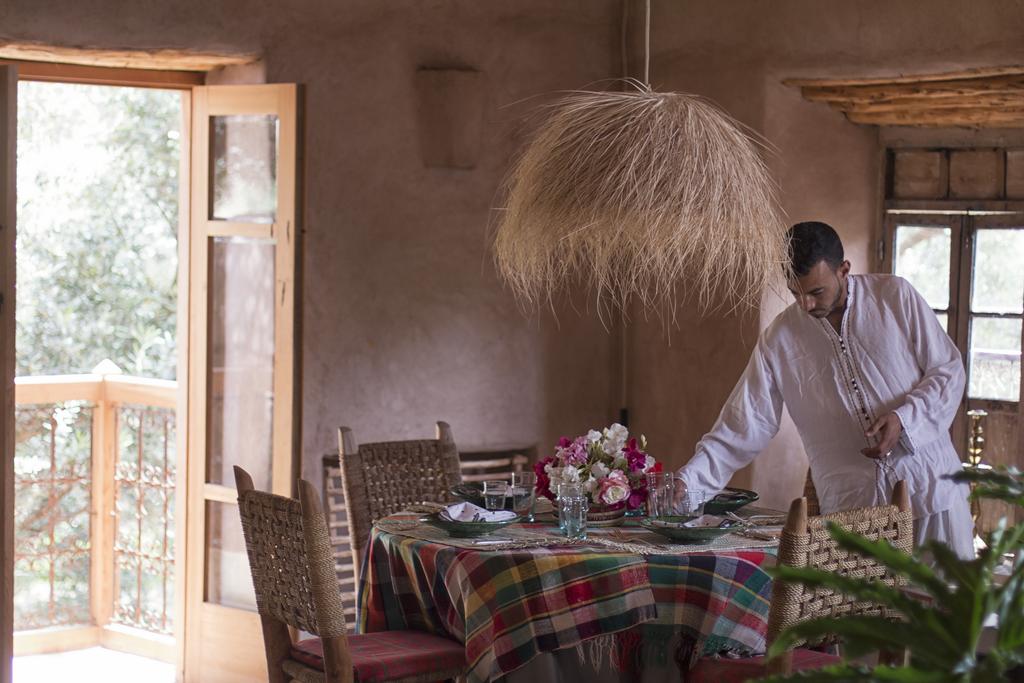
Inside a Berber home

Yemen’s Manhattan of the desert, vernacular architecture from the Middle East
In our era of towering skyscrapers in the United Arab Emirates, steel frames, and hard to insulate glass facades, it’s easy to overlook the humble wisdom embedded in vernacular architecture. Yet as advocates for sustainable living and building we believe that the vernacular approach to building deserves a place of prominence in our modern construction landscape.
The vernacular approach, rooted in local traditions and resourcefulness, offers a path towards sustainability that is often overshadowed by sleek, architect-driven designs. Here’s why sustainable architects should rekindle our appreciation for this time-tested approach:
As we confront the pressing challenges of climate change and peak sand, it’s time to reconsider the virtues of vernacular architecture. In a world where sustainability is no longer a choice but a necessity, we must draw inspiration from the past to build a more sustainable future. By incorporating the wisdom of vernacular building practices into our modern construction methods, we can forge a path towards a more harmonious and responsible coexistence with our planet. It’s not a step backward; it’s a leap forward toward a sustainable, resilient, and culturally rich future.
Ormat Technologies, a family energy business from Israel, has big plans for geothermal and recovered energy generation and the energy storage market
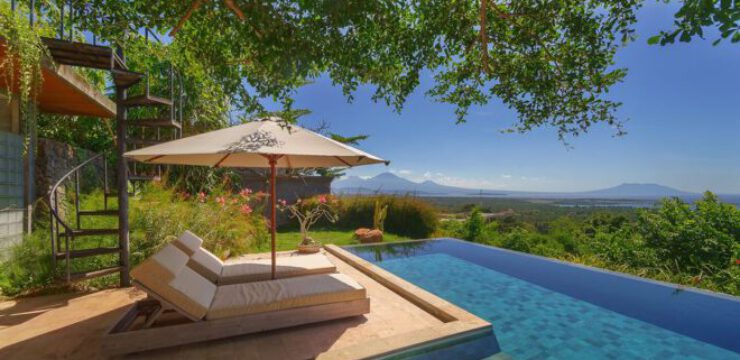
HomeExchange, a pioneer in home exchange vacations for over three decades, has recently introduced HomeExchange Collection—an exclusive community catering to like-minded travelers seeking to connect, share, and swap their luxurious homes. As a Certified B Corporation, HomeExchange Collection actively supports sustainable travel initiatives.

IBM helps companies meet sustainability goals with AI-based GHG reporting software.

Yemen is all over the news the last couple of months as the Houthi terrorists play a role in Israel's war against Hamas. As a sustainable news reporter, I've been interested in Yemen because as much of the Middle East progresses, Yemen with its internal conflicts remains one of the world's driest and hungriest cultures.

From the leaves of the jujube (sidr) to its fruits, roots, and bark, the sidr tree is a treasure trove of medicinal wonders: The leaves, rich in calcium, iron, and magnesium, hold therapeutic prowess, serving as components in natural wound disinfectants and herbal shampoos.

I asked AI to help me create a glaze for my pottery studio on Mars. Here is what it came up with.
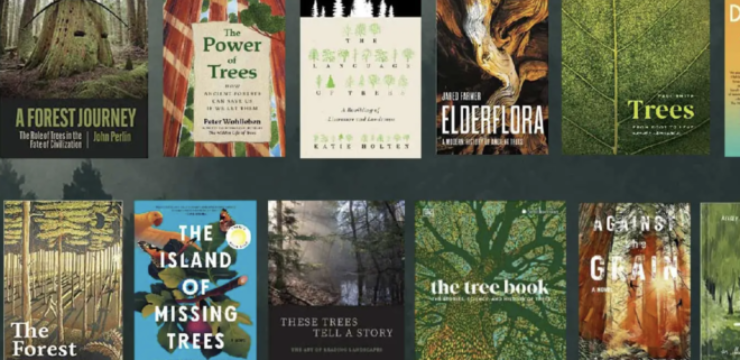
A curated collection of 50 transformative books that guide readers towards a deeper understanding of sustainability. Spanning diverse topics such as regenerative capitalism, circular economies, and climate justice, these reads offer valuable insights for individuals, leaders, and policymakers. From the classic 'Silent Spring' to contemporary guides like '101 Ways to Go Zero Waste,' this list is a rich resource for anyone seeking inspiration and actionable solutions in the pursuit of a greener and more sustainable world.

Embracing eco-friendly cleaning practices at the start of the new year is not only a step towards environmental responsibility but also a strategic business decision. In this section, we explore how using eco-friendly cleaning methods can benefit both the planet and your business.

In celebration of the International Year of Camelids 2024, the Food and Agriculture Organization of the United Nations is collaborating with partners to highlight the important role camelids play in community livelihoods and in building resilience to climate change – particularly in mountains and arid and semi-arid lands. They are at risk of death when they eat plastics in Dubai. So be mindful of your environment.