

Climate change is causing a number on ski hills around the world, with some shutting down for lack of predictable seasonal snow. But what people don’t know is that snow machines, using a chemical called Snowmax, or Snomax, may not be as innocuous as you think. One would imagine that snow machines just freeze water and push it out as snow, but it’s not the case with technical snow. One study even linked artificial snow, Snowmax, to increased numbers of a deadly nerve disease in this French ski village.
This shift to fake snow has raised a reasonable public question: is artificial snow safe for people who ski on it, work with it, or live nearby?
The short answer from current science is: there is no strong evidence that artificial snow is dangerous to the general public, but there are documented environmental and occupational concerns that continue to be studied.
What artificial snow is made from
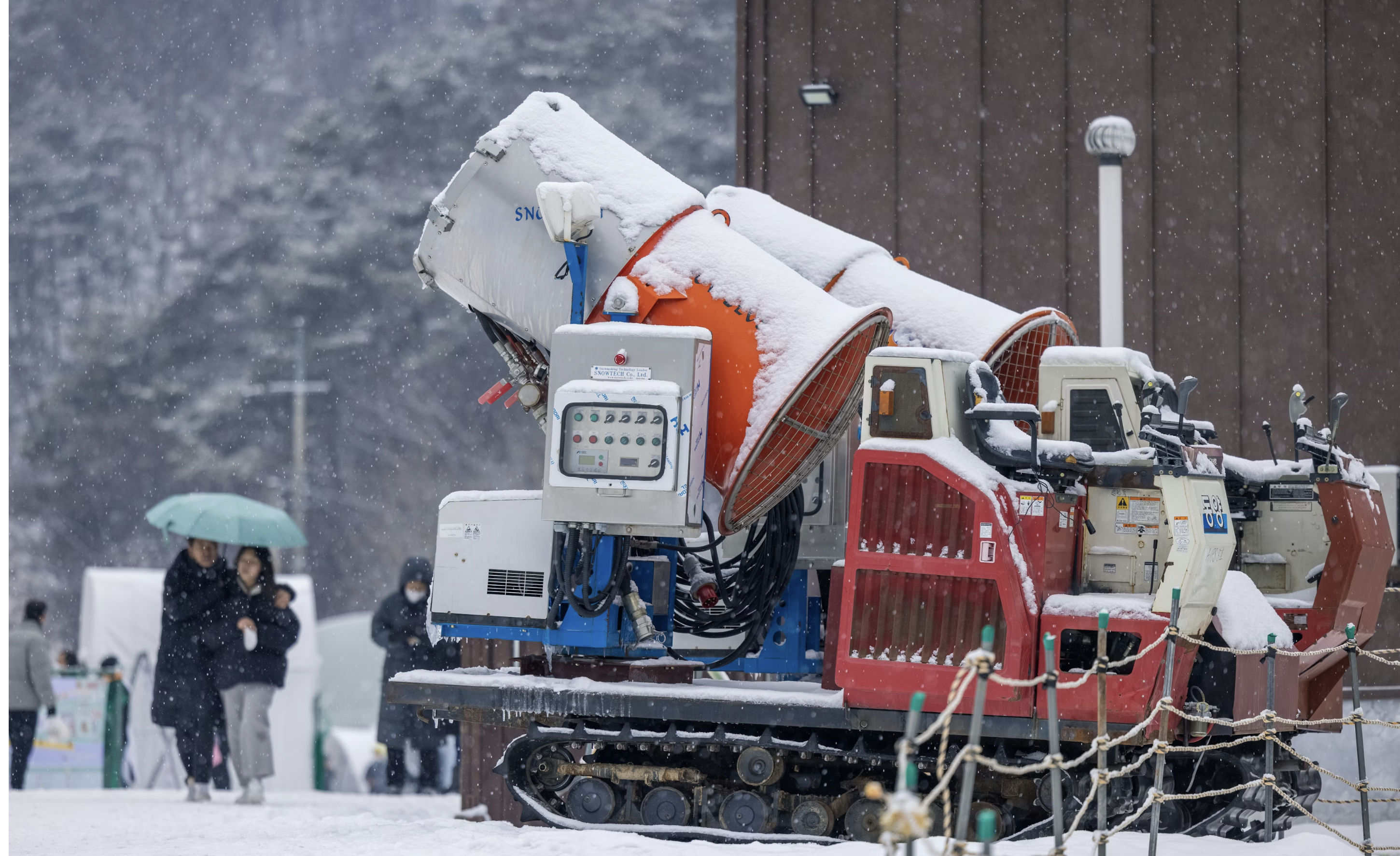
Artificial snow is produced by spraying pressurized water and air into cold conditions so that droplets freeze before reaching the ground. In most cases, the snow is simply frozen water. In some regions and time periods, ski operators have used snowmaking additives, most notably Snomax, which contains ice-nucleating proteins derived from the bacterium Pseudomonas syringae. These proteins allow water to freeze at slightly warmer temperatures.
The bacterium used in Snomax is non-viable (it is killed first) and it cannot grow at human body temperature. Regulatory reviews in Europe and North America have not found evidence that it causes infectious disease in humans. But not a lot of studies have been done.
Studies indexed in PubMed have examined potential health effects of artificial snow exposure. These include occupational studies of snowmaking workers and environmental monitoring of snow, air, and water. No evidence of acute illness in skiers or nearby residents linked to artificial snow.
Occupational exposure to bacterial endotoxins has been measured among snowmaking workers, particularly when handling additives in powdered form. Short-term studies, including a U.S. NIOSH health hazard evaluation, did not find clear respiratory disease in exposed workers, though sample sizes were limited.
Because endotoxins are known to cause airway irritation in some contexts, researchers consider snowmaking staff — not the recreational skiers — the group most relevant for ongoing monitoring.
Recent European studies have examined artificial snow for antibiotics, bacteria, and antibiotic-resistance genes. These studies found that contaminants in artificial snow largely reflect upstream water pollution, especially from municipal wastewater treatment plants and medical facilities — not from the snowmaking process itself.
In some cases, artificial snowmaking reduced bacterial concentrations compared with intake water. Researchers also found that water storage reservoirs may help lower the transfer of pollutants into technical snow.
Despite limited evidence of direct harm, some countries and regions have restricted or banned snowmaking additives under the precautionary principle. These decisions reflect uncertainty, public concern, and environmental protection priorities rather than confirmed health hazards.
Based on current evidence artificial snow is considered safe for the general public. But as artificial snow use expands with climate change, scientists continue to study long-term environmental and health effects.


