Back in the day when we started Green Prophet, “circular design” was a new buzzword and mostly just a slide in a PowerPoint deck—something sustainability consultants pitched people who knew nothing. In 2025, it’s different. Circular design isn’t just theory now—it’s practice. It’s policy in some of the boldest companies, cities, and thinkers who are reshaping the future.
The idea’s simple, at least on paper: instead of designing products that end up as waste, we design them to stay in circulation. You don’t throw it out—you fix it, rework it, compost it, or break it down for parts. But circularity today goes far beyond recycling. It’s about designing out waste from the very beginning—and building systems that restore, not just reduce.
Here’s what circular design actually looks like now—and where it’s heading.
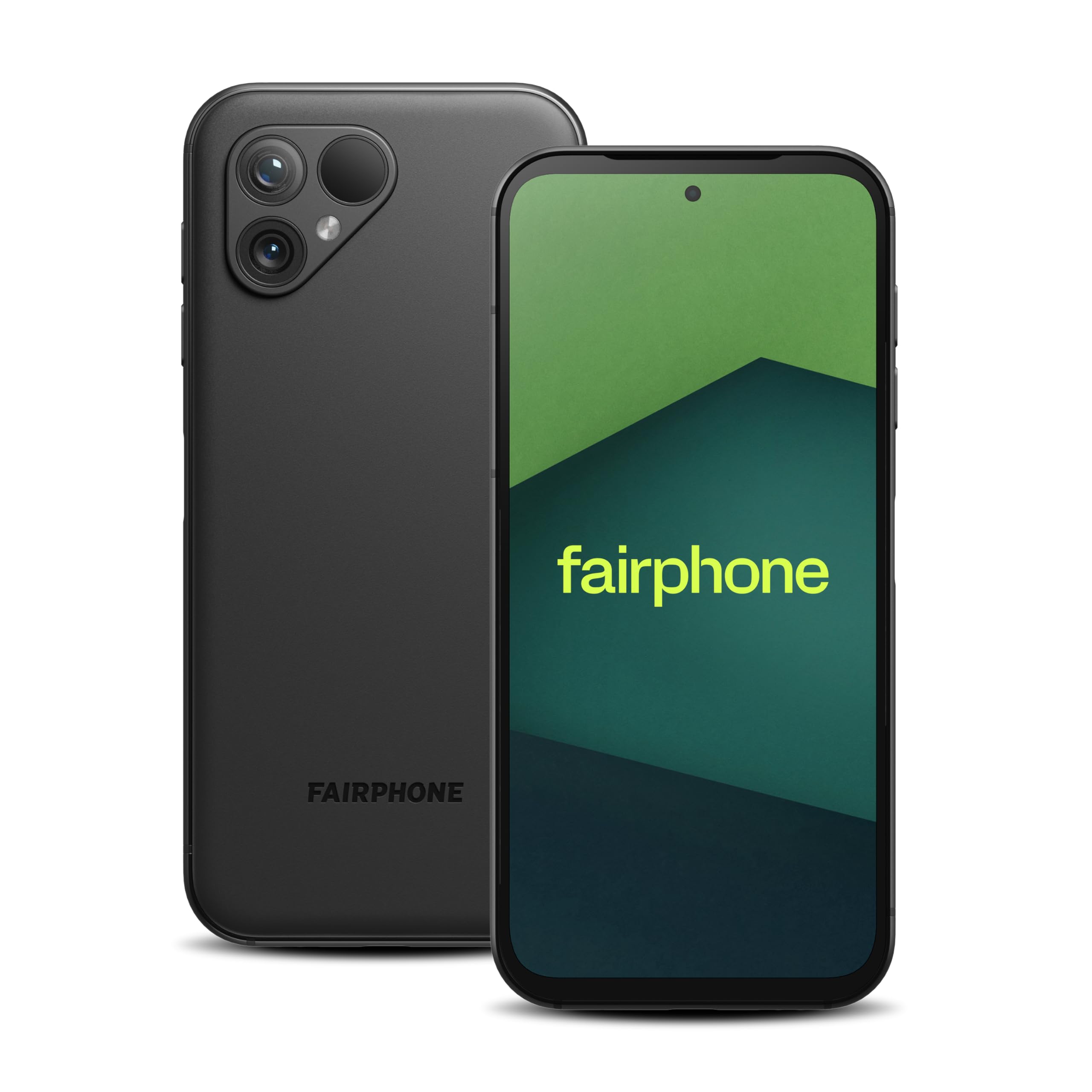
We start with taking things apart: Literally. In a world full of glued-shut gadgets and planned obsolescence, modularity is the quiet revolution. Look at the Fairphone 5, made in the Netherlands. It’s not flashy. But if your camera breaks or your battery dies, you can swap them out with a screwdriver. That’s the whole point. No Genius Bar. No landfill. Dutch common sense. That’s my ancestry.
Designers in 2025 are choosing materials based not just on what they do now—but on what they’ll become next. Fashion is leading the charge. Stella McCartney’s working with Mylo, a mushroom-based leather you can compost. Pangaia’s printing T-shirts from seaweed and dyeing them with bacteria. It sounds like science fiction, but it’s already in stores.

Architecture might be the most exciting space for circular innovation. In Brussels, the government built the Circular Pavilion using 95% reclaimed materials. That’s right—steel beams from old train stations, floors from shuttered schools. In the UK, a startup called Biohm is creating wall panels and insulation out of mushrooms that clean your air and return to soil when you’re done with them.
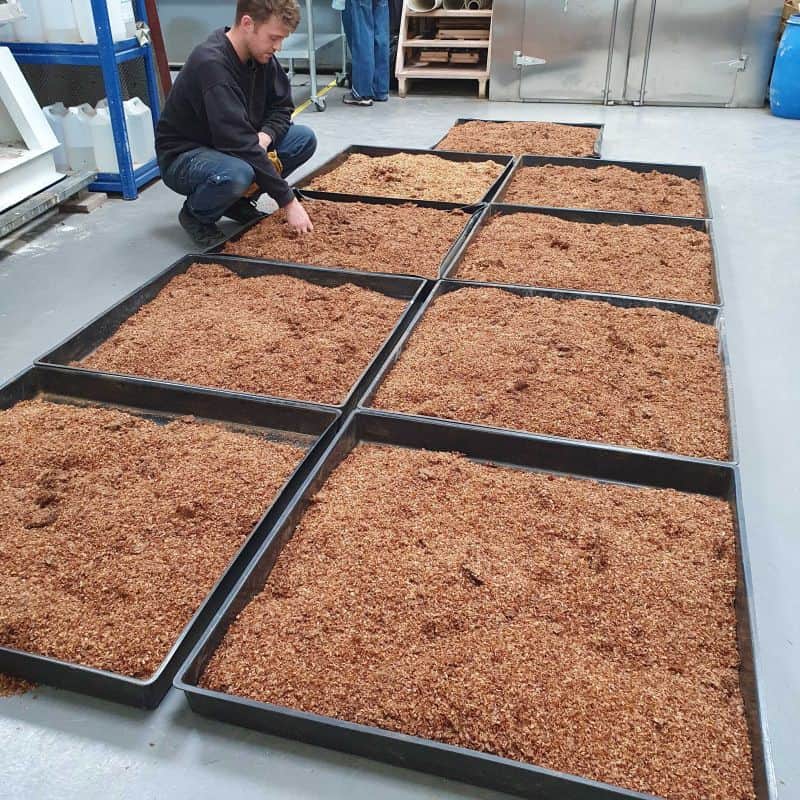
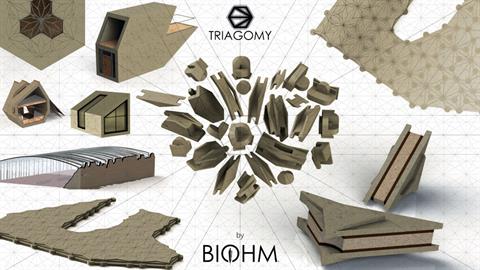
Biohm is a biomanufacturing research and development company founded by Ehab Syed in 2016 to create regenerative construction materials and packaging by growing mycelium into food waste or processing difficult-to-reuse or recycled by-products.
Biohm uses orange peel, cocoa husks, and other food waste, to develop and design construction materials such as mycelium-based insulation panels, plant-based concrete alternatives, and sustainable replacers for wood-based construction sheets.
Space. Yes, even space: Circular design is going orbital. The European Space Agency is prepping a mission called ClearSpace-1 that will grab dead satellites and haul them back down to Earth. Meanwhile, modular satellite “swarms” are being tested—think space Legos that can swap parts and repair each other, reducing the need for constant rocket launches (and space junk). Read our latest on sustainable aviation fuel for space.
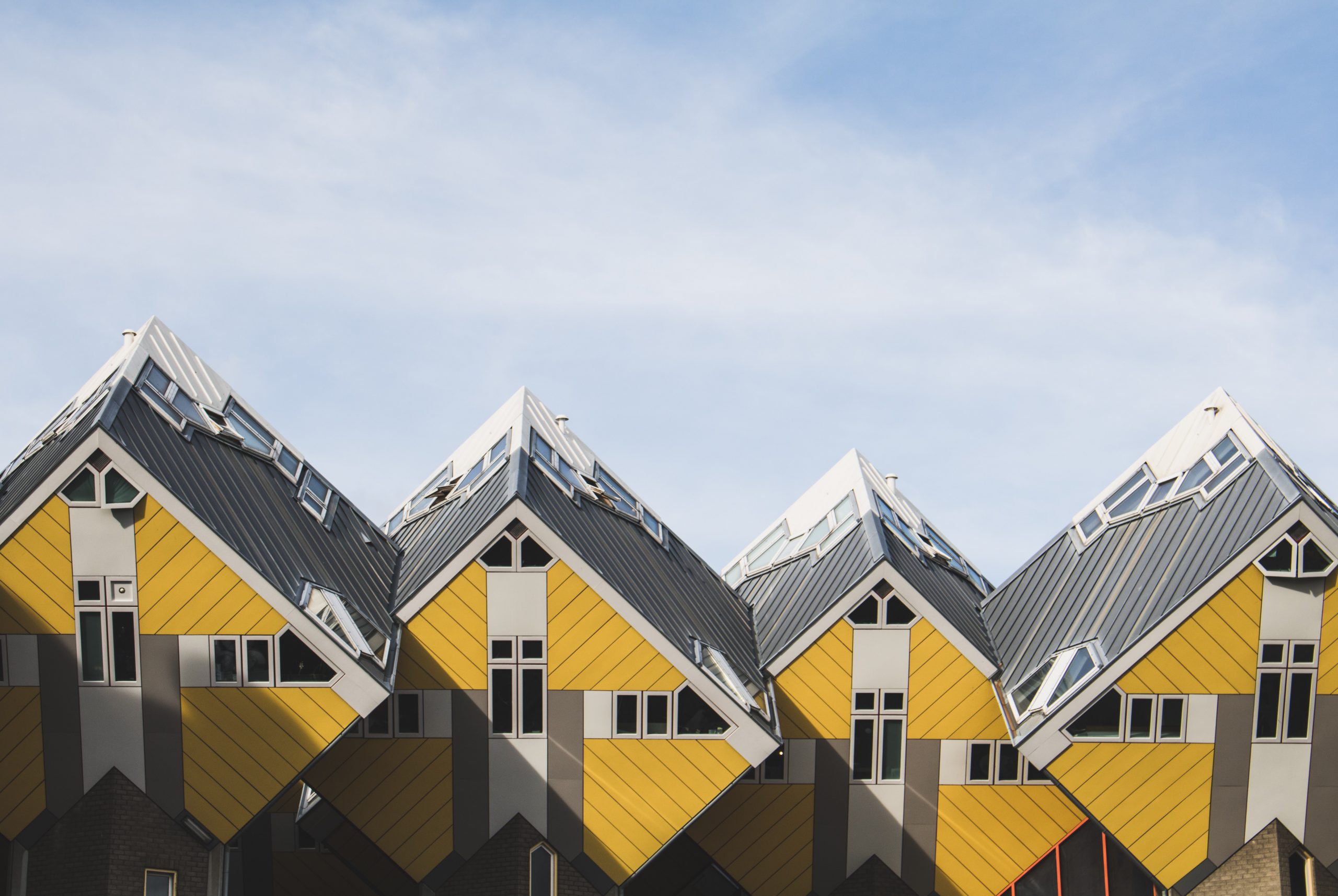
Amsterdam or Rotterdam aren’t just talking about circularity—they are living it. The city has adopted the Doughnut Economics model and plans to phase out raw material imports entirely by 2050. Old bricks get reused. Procurement policies now favor reusables and remanufactured parts.
Milan is tackling food waste with logistics instead of guilt: it rescues over 130 tons of edible food every year and reroutes it to people who need it. Israel does this as well. Non-profits and volunteers collect tons of food after weddings and large catered events supplying it to those who are hungry.
Here’s the honest take: circular design is not a magic fix. It’s messy. It takes time. But it’s starting to change systems, not just products. When major cities, aerospace agencies, and fashion giants start asking: What happens to this at the end of its life?—that’s a shift. That’s design thinking that looks more like ecology than industry.