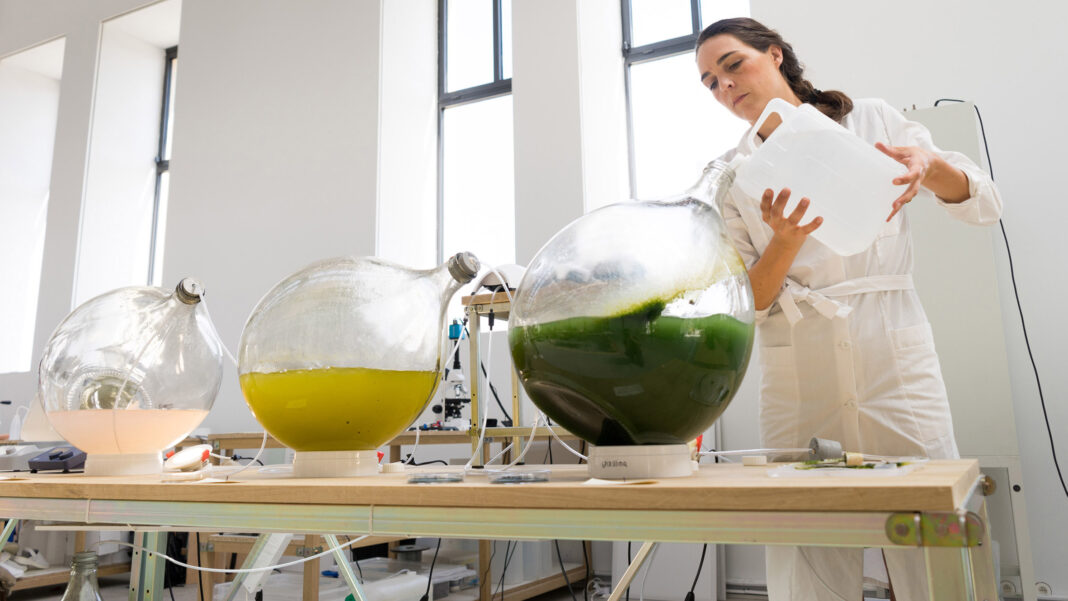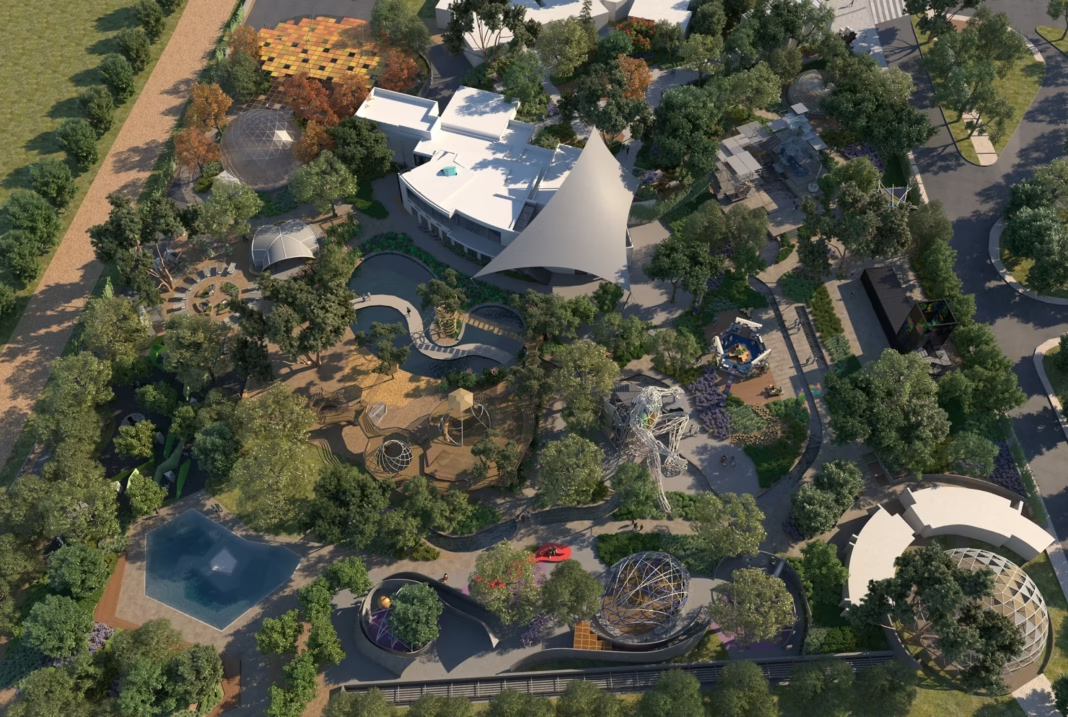


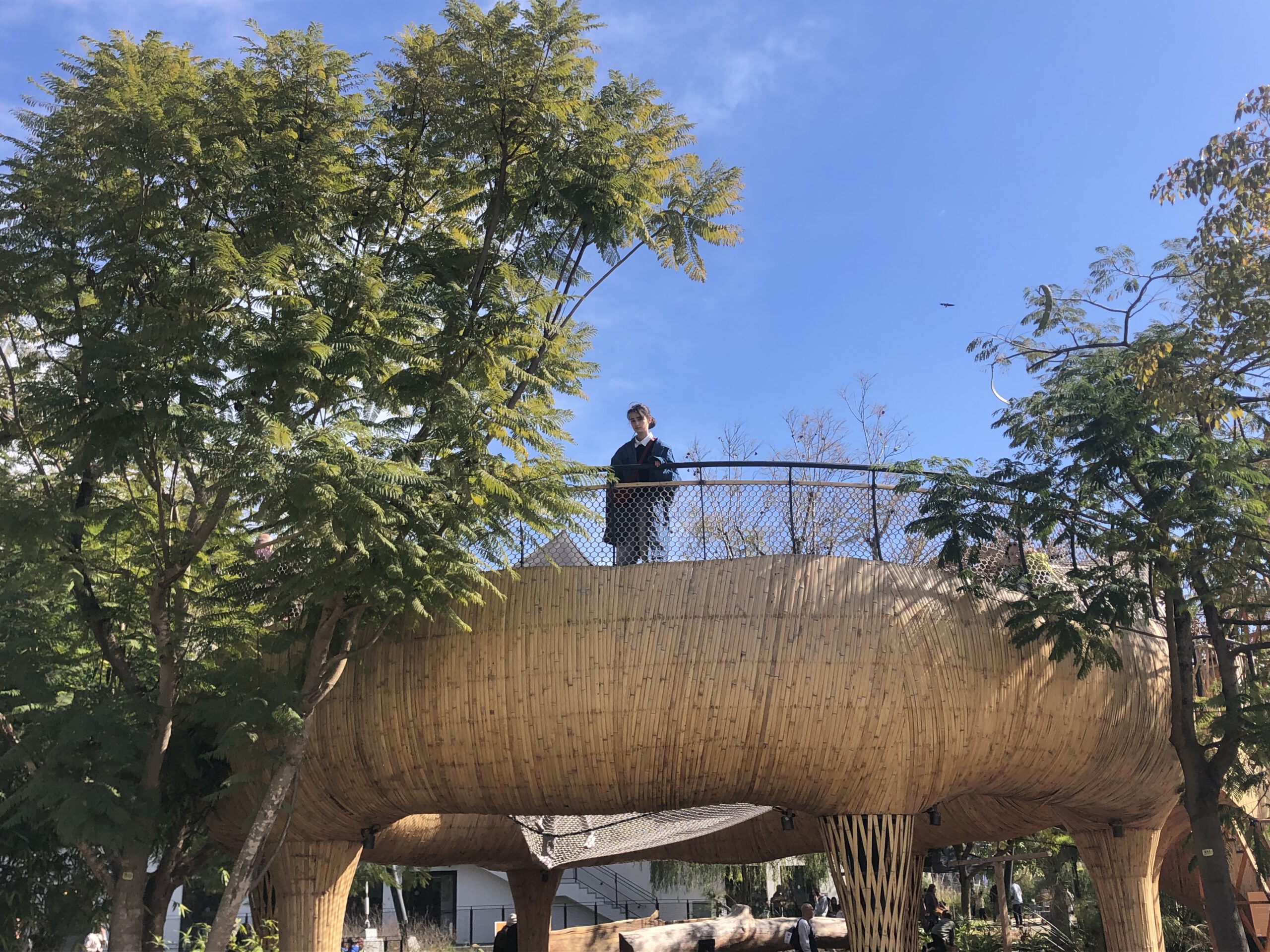
The Clore Garden of Science at the Weizmann Institute in Rehovot, is the largest outdoor science park in the world. While it was once a naive and simple, an interactive series of science exhibits for kids has been upgraded since June 2024. The park, inside the world famous Weizmann Institute of Science, and where Einstein once roamed, has undergone significant renovations, introducing several new exhibits that focus on sustainability: such as bamboo treehouses and how to grow food using hydroponics.
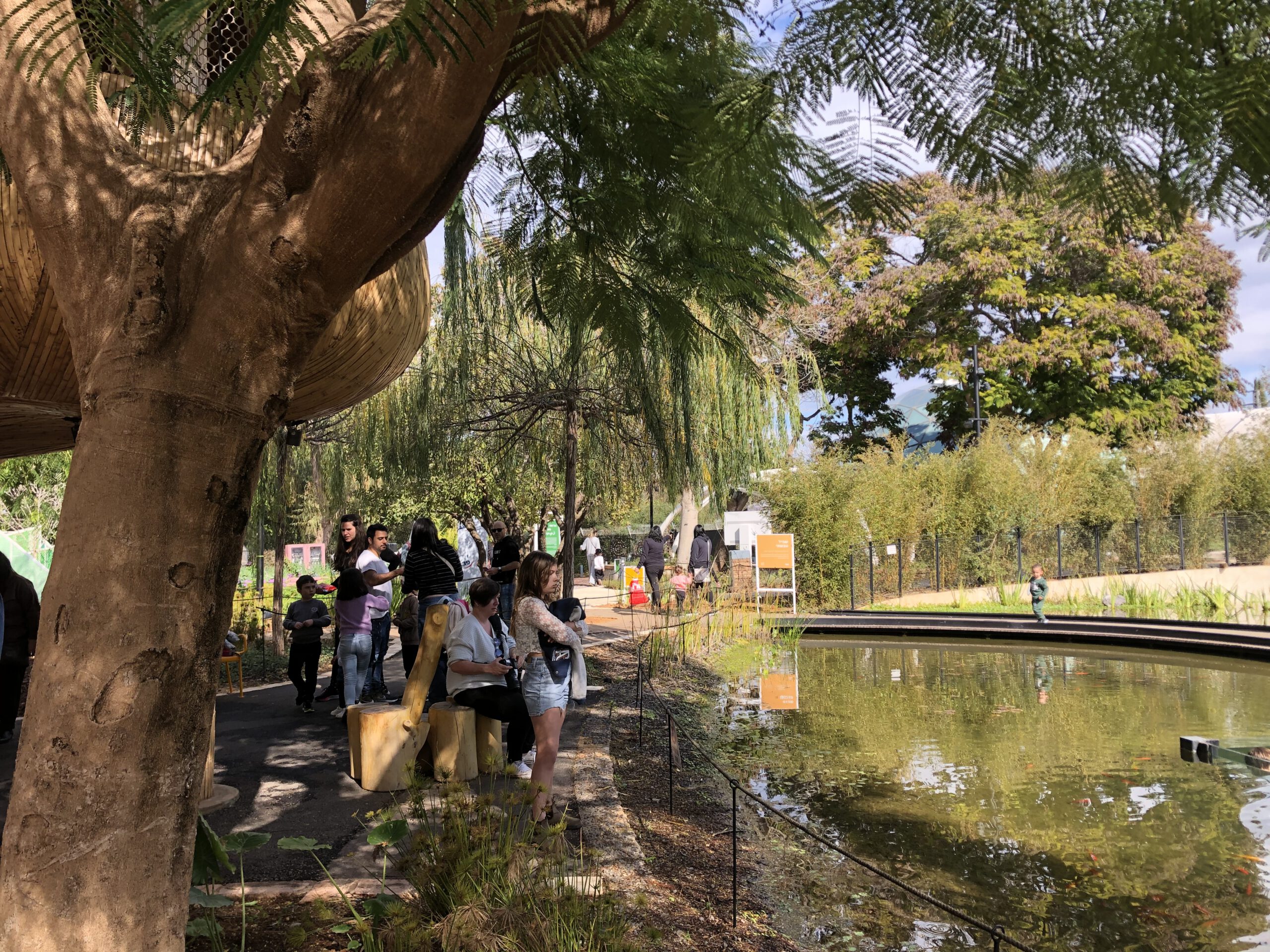
It’s a good day outing with kids under 12 and expect to spend a few hours there as the kids can safely explore the interactive exhibits that encourage play and climbing. An affordable cafe offering lunch means you don’t need to pack a lunch but if you do, there are plenty of tables throughout the park for sitting and eating. Do order tickets in advance.
What you can find at the exhibit, updated in June 2024.
Andoor Science Center: A modern two-story facility now houses various interactive labs, including the AI Media Lab, Culinary Lab, and Multidisciplinary Lab, offering hands-on learning experiences in artificial intelligence, food science, and more.
Garoon Family Legacy Square: This outdoor courtyard showcases some of the garden’s most timeless exhibits, reflecting its evolution into a contemporary science museum.
Related: Binishell homes in California offer a sustainable building rebirth after the fires
Amphitheater: Designed as a giant periodic table, this 250-seat amphitheater serves as a venue for educational presentations and events, highlighting the elements that compose our world. Beside the amphi is the old geodesic dome which was once a hydroponic farm. It is now a planetarian-like movie theatre. Large cushions on the floor encourage everyone to come in and spend an hour gazing at the projected stars and movies on the roof of the geodesic dome. You don’t need to tickets to enter.
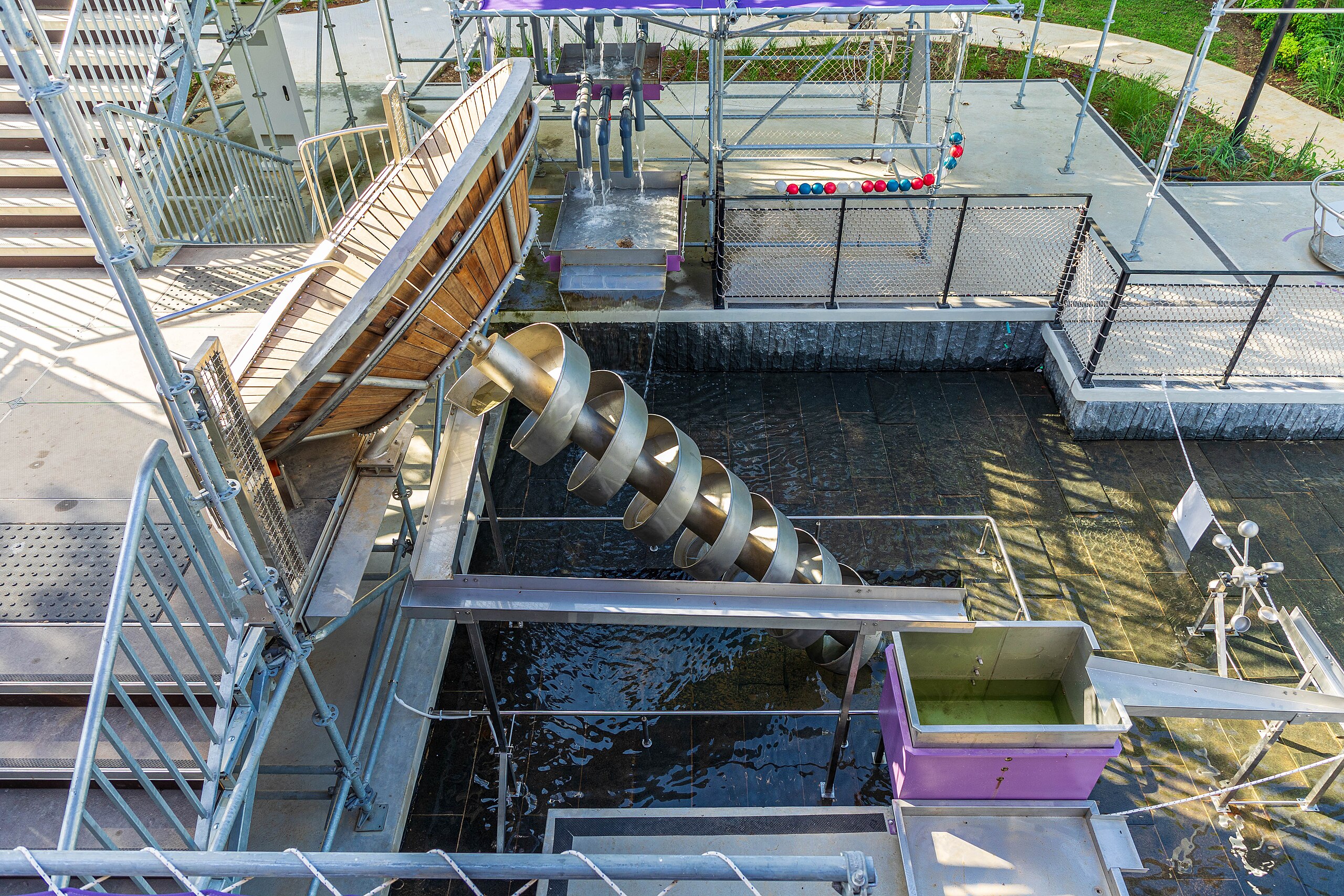

Movement Exhibit: Engage with interactive installations that demonstrate the mechanics of movement using gravity and water, providing a hands-on understanding of physical principles. The kids were busy trying to pump balls up into the air as though they were in a giant pinball machine.
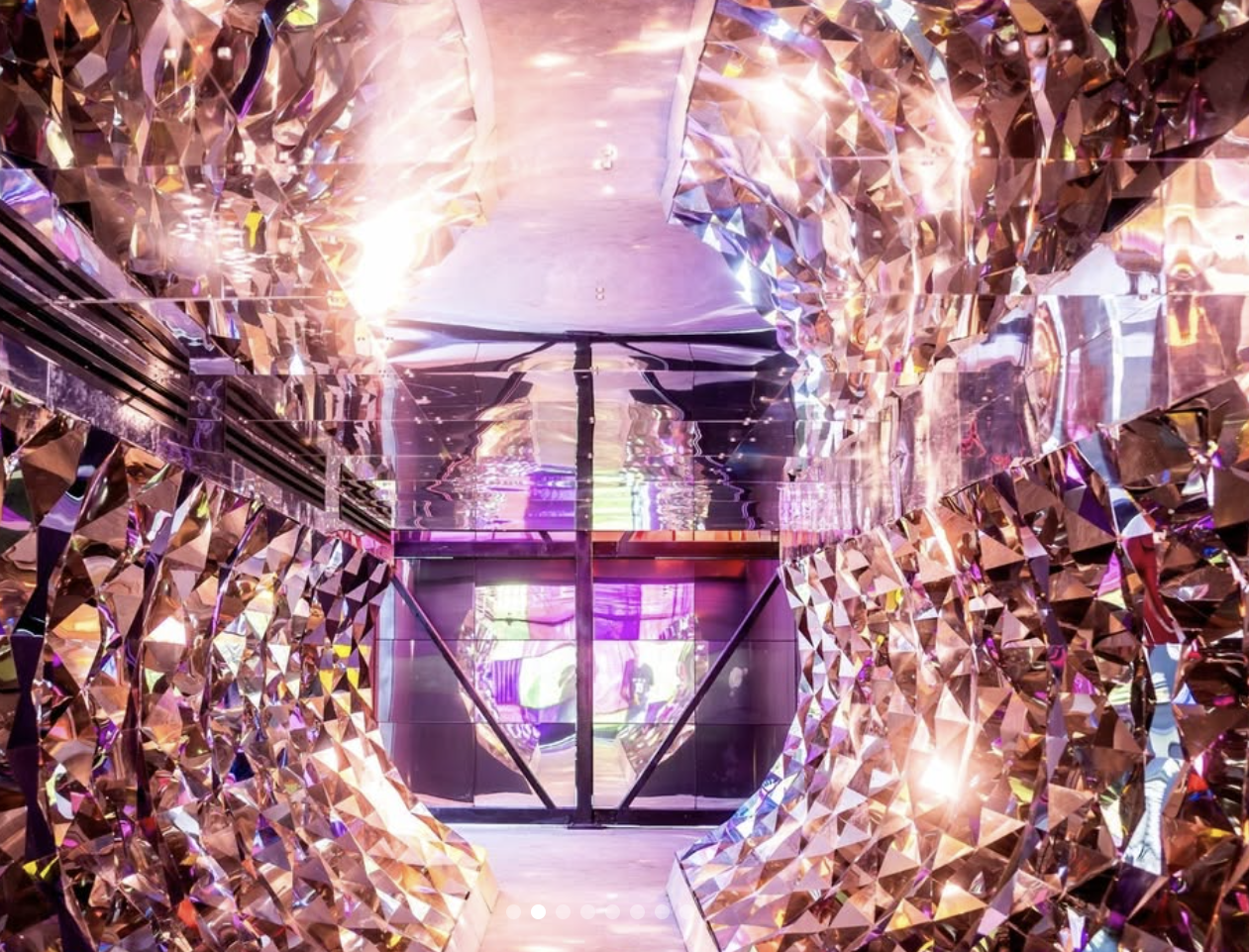
Light Exhibit: Explore the nature of light through activities focused on vision, perception, and illusions, offering insights into optical phenomena. It wasn’t exactly a TeamLab Borderless experience like in Tokyo, but nonetheless a sweet travel through a tunnel of mirrors.
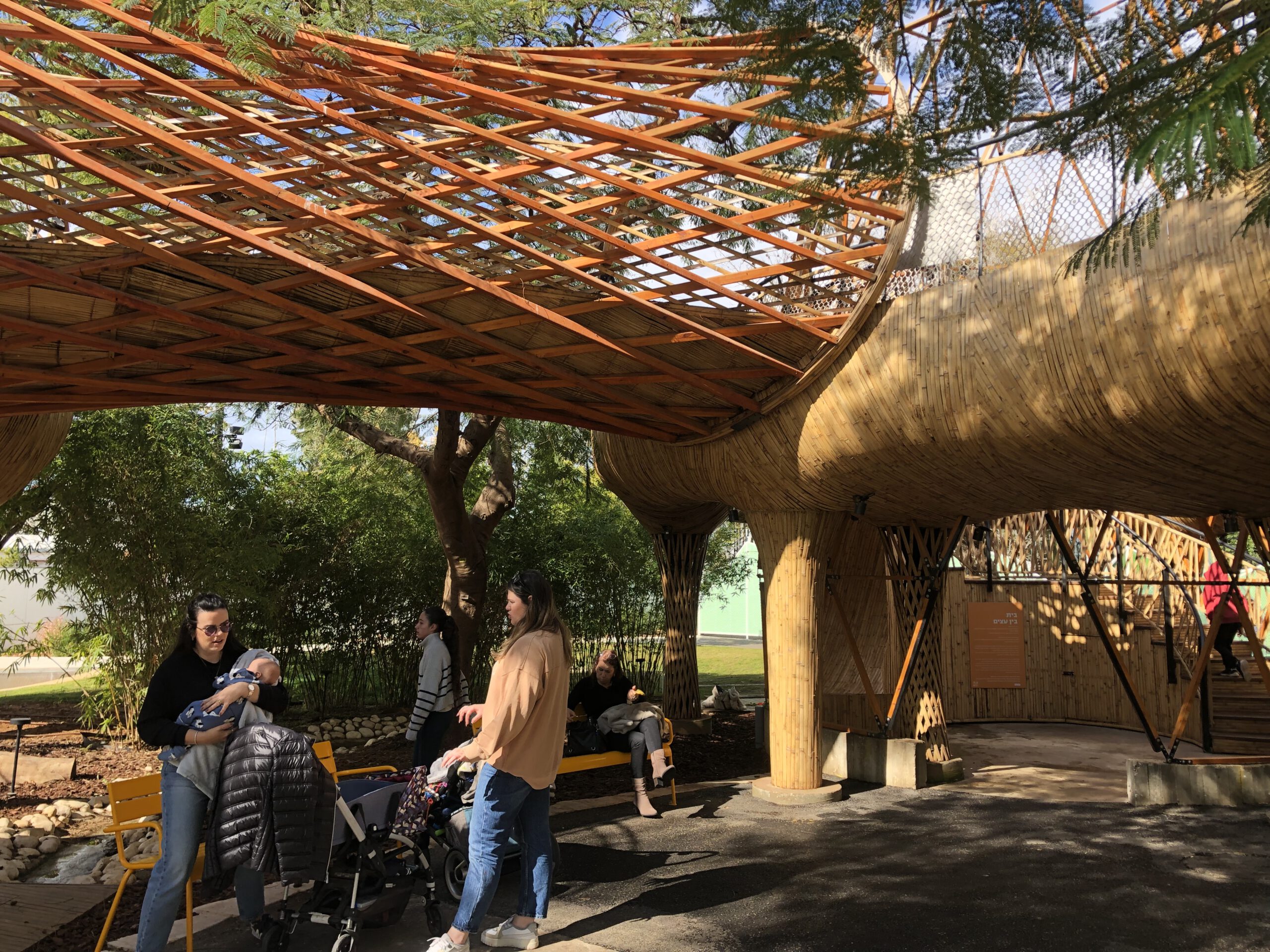
Earth Exhibit: This area features a sustainable village with bridges, composting systems, and a living treehouse, educating visitors about sustainability and climate change.
Who was Chaim Weizmann?
Chaim Weizmann was the father of modern fermentation. He discovered a fermentation process for harnessing bacteria to produce large quantities of useful chemicals such as biofuel.
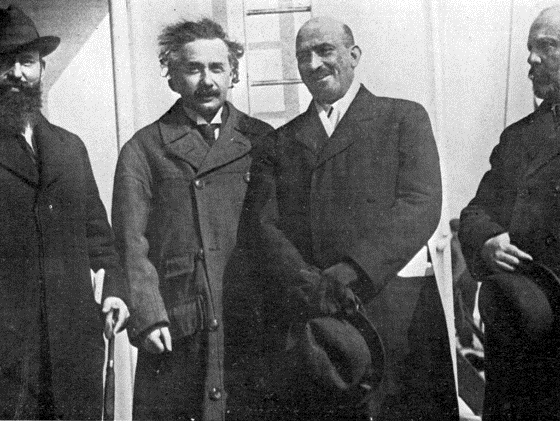
Weizmann was called the father of industrial fermentation. The bacterium Clostridium acetobutylicum was named the Weizmann organism, giving him a taste of fame long before his Israeli political career. His process of Acetone Butanol Ethanol (ABE) fermentation helped produce explosives for World War I and a team of chemical engineers at UC Berkley worked on perfecting his process for the efficient production of biofuels.
Weizmann’s ABE process was initially used to produce acetone which was used in the World War I explosive cordite. Like Alfred Nobel and Albert Einstein, he might have wondered about the moral implications of inventing something which would be used as a tool of war.
Website is in Hebrew
Phone: 08-9378300