
In a world first, Israel advances alternative proteins –– beef without using animals was approved for sale in Israel
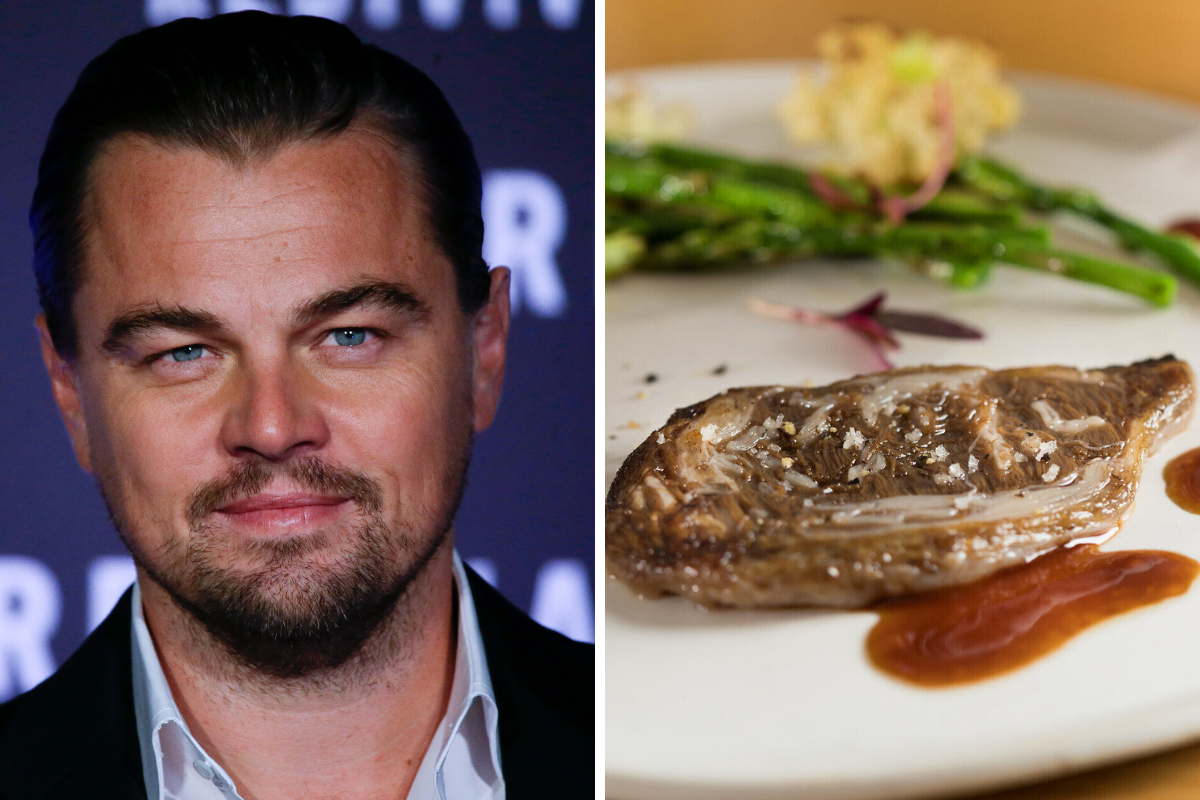
Cultured meat, cellular agriculture, lab meat –– there is a way to create real meat without an animal, using a cellular growing system. The result is a protein that looks like steak, tastes like steak, in fact is steak, but without the use of an animal to grow this muscle tissue. In an historic world first, the Israeli Government has decided to allow the sale of cultured meat. There are dozens of companies in Israel working on cultured or lab-grown animal products such as milk, fish, eel, beef and pork. The news is a step in making lab meet a thing of now and not just the future.
Regulatory permits were issued this year for the production of milk without using cows, and – today – meat without using animals.
“This is a global breakthrough in the field of alternative protein and important news for food security, environmental protection and concern for animals,” said Prime Minister Benjamin Netanyahu who formed a team to advance the field of alternative proteins based on the understanding that it would lead to innovative economic strengthening of the State of Israel, provide food security and food safety, and promote animal welfare.
The team, led by the PMO Director General, included the Health Ministry, the Innovation Authority, the Science Ministry, the Economy Ministry and the Agriculture Ministry.

For many years the benefits of lab-grown meat were told to include less greenhouse gas emissions. A recent study at UC Davis suggests we are still far away from realizing that goal. However, given the other benefits of reducing animal suffering and working towards reducing greenhouse gas emissions and keeping rainforests in the Amazon intact, we are in favor of lab meat.
The ultimate is vegetarianism, or eating meat rarely or just eating meat from regenerative farming systems. Until we get there – let cultured meat thrive.
The top cultivated meat companies from Israel
Believer Meats
Believer Meats formerly known as Future Meat Technologies, is a cultivated meat company excited to scale to feed the world. Driven by a mission to ensure that all future generations can enjoy real and delicious meat, Believer’s technology and process will make meat accessible and affordable to all. Believer Meats culture meat from chicken cells and is working on cultured lamb kebabs and beef burgers. Based in Israel, its main office is located in Jerusalem, while its primary production facility is operating in Rehovot.
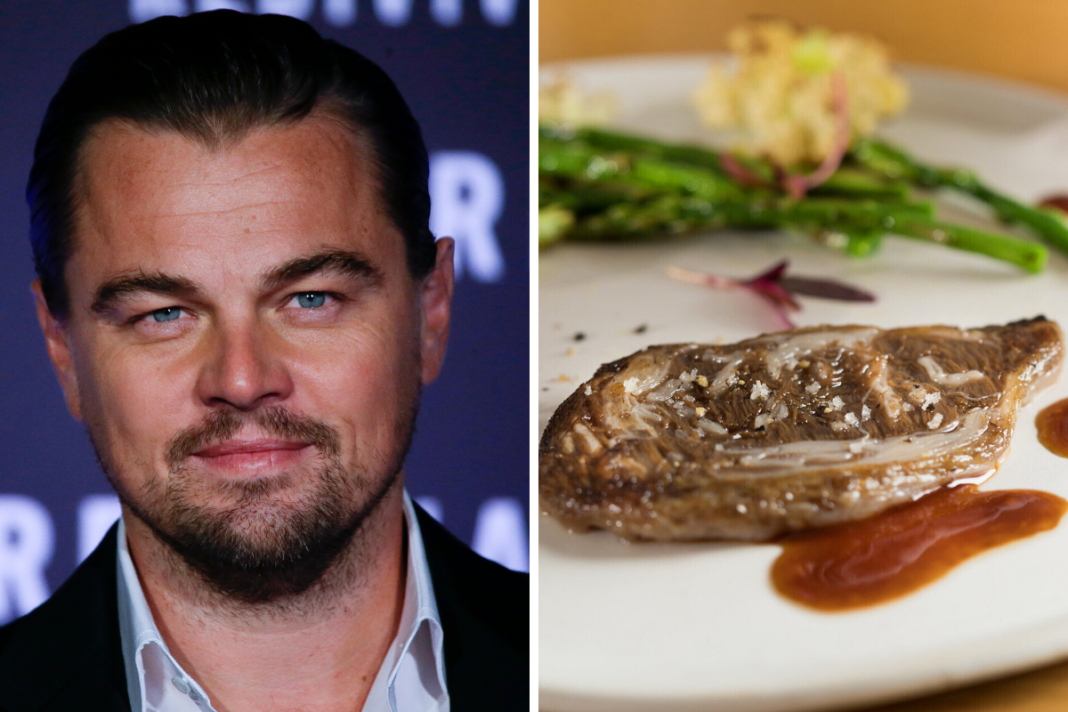
Aleph Farms invested in by people like Leonardo DiCaprio, grows cultivated beef steaks, from non-genetically engineered cells, that are not immortalized, isolated from a living cow, without slaughtering the animal and with a significantly reduced impact to the environment.

The company was co-founded in 2017 by Didier Toubia, The Kitchen Hub of the Strauss Group, and Professor Shulamit Levenberg from the Biomedical Engineering Faculty at the Technion – Israel Institute of Technology. The company’s vision is to provide unconditional nutrition for anyone, anytime, anywhere.
SuperMeat
SuperMeat also from Israel is developing cultivated chicken meat, grown directly from cells, in a sustainable and animal-friendly process.

BioBetter
BioBetter is creating complex proteins for the cultivated meat industry. They apply advances uses in the lab for making vaccines in tabacco plants to procure proteins that can be used for cultivated meat companies. Consider them a raw material supplier to the alt meat industry.

Steakholder Farms
Steakholder Foods, formerly MeaTech 3D “STKH” (formerly MITC), is developing a slaughter-free solution for producing a variety of beef, and seafood products — both as raw materials and whole cuts — as an alternative to industrialized farming and fishing. The company sells machines for companies and restaurants to print their own meat.

The “inks” currently available are for beef, fish and eel. Since eel, a European delicacy, is now an endangered product, it might be time for Steakholder foods to fill that void. Eel fishing is currently not allowed in Europe and it is banned for commercial fisheries for the next 6 months, according to a report sent to us and confirmation from a UN source.

The history of lab-grown meat
Lab-grown or cultured meat is also known as “lab meat.” This approach was championed by pioneers such as Dr. Mark Post of Maastricht University and Dr. Shoji Takeuchi of the University of Tokyo, and addressed environmental concerns tied to traditional animal farming while meeting the growing demand for cruelty-free alternatives.
The roots of lab-grown meat can be traced back to the early 20th century, with initial research on cultivating animal cells in controlled environments. However, it wasn’t until the 21st century that notable technological advancements, spearheaded by institutions like Maastricht University and the University of Tokyo, propelled cellular agriculture into the spotlight.
Lab-grown meat represents a cruelty-free revolution, providing an ethical alternative to conventional animal farming practices. Dr. Mark Post’s pioneering work in 2013, where he produced the first lab-grown burger, showcased the viability of this innovative approach. By extracting a small sample of animal cells and cultivating them in a controlled environment, scientists can generate biologically identical meat without the ethical drawbacks associated with traditional methods.
Beyond ethical considerations, lab meat also addresses environmental sustainability issues. Traditional livestock farming is resource-intensive, requiring vast amounts of land, water, and feed. In contrast, lab-grown meat significantly reduces the environmental footprint of meat production, aligning with the vision set forth by pioneers in cellular agriculture.
The impact of cellular agriculture extends beyond the food industry, reaching into various sectors such as cosmetics. Cosmetic brands are now integrating lab-grown ingredients into their formulations, responding to consumer demands for cruelty-free products. The strides made in this direction reflect the innovative work carried out by institutions and researchers dedicated to sustainable and ethical practices.
More reading? Is lab meat kosher or halal? Read this article
Want to explore innovations in Israel and need help reaching the companies and researchers? Green Prophet’s research team can help: email [email protected]