Make home-fermented olives

The tastiest olives are the ones you pickle yourself. Read on for ways of upgrading store bought olives too.


The House of Saud lived in a palace made from mud
Vernacular architecture, often seen in older homes around the world, represents a style of construction deeply rooted in the local environment and culture. Unlike architect-designed structures, vernacular buildings emerge from the resourcefulness of local builders, utilizing available materials and traditional knowledge to create functional, distinctive homes.
So, what exactly is vernacular architecture, and how has it evolved over time? Let’s delve into the practical aspects of this architectural style, with a focus on some examples from around the world.
Vernacular architecture is characterized by its simplicity and region-specific nature. It relies on local materials and craftsmanship, typically without the involvement of professional architects. Instead of adhering to rigid rules or pursuing aesthetic ideals, vernacular builders prioritize practicality and effectiveness, often using affordable, locally sourced materials.
Vernacular architecture traces its origins back to the earliest days of human settlement when people constructed basic shelters to meet their needs. In fact, some historians argue that most buildings erected before the mid-17th century could be considered vernacular, as they were not overseen by formal architects but crafted by local tradespeople using locally acquired skills.
The term ‘vernacular’ gained traction in the 19th century as colonialists encountered various building techniques in different parts of the world. Some architects of that era viewed these structures as quaint and unsophisticated compared to their own designs.
Over time, the term ‘vernacular architecture’ broadened its scope to encompass a wide range of architectural styles found not only abroad but also in Europe and the United States. In 1964, Bernard Rudofsky played a pivotal role in shedding light on these overlooked building traditions through an exhibition.
Vernacular architecture stands apart from other architectural styles due to its practical and context-driven nature. Some distinguishing features include:

This is vernacular architecture from the late 1880s in Northern Ontario, Commanda Region. Settlers obtained free land and bought a blueprint. No architect was involved in building the structure.
In contemporary times, constructing a truly authentic vernacular home can be challenging, given the prevalence of architect-led designs. However, you can still incorporate vernacular-inspired elements into your dwelling. Let’s explore some common examples from the United States and Canada:
Vernacular architecture may not always command attention for its architectural innovation, but it holds a significant place in the history of construction. These homes and structures are a testament to local ingenuity, sustainability, and a deep connection to the community. Exploring vernacular architecture offers valuable insights into the practicality and adaptability of traditional building styles.
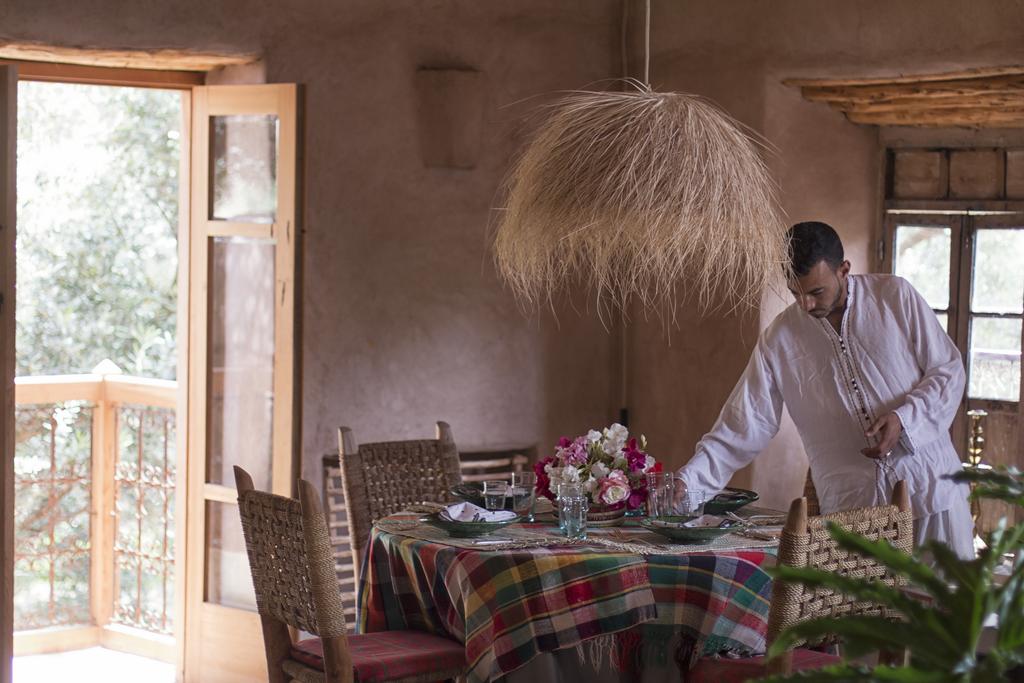
Inside a Berber home

Yemen’s Manhattan of the desert, vernacular architecture from the Middle East
In our era of towering skyscrapers in the United Arab Emirates, steel frames, and hard to insulate glass facades, it’s easy to overlook the humble wisdom embedded in vernacular architecture. Yet as advocates for sustainable living and building we believe that the vernacular approach to building deserves a place of prominence in our modern construction landscape.
The vernacular approach, rooted in local traditions and resourcefulness, offers a path towards sustainability that is often overshadowed by sleek, architect-driven designs. Here’s why sustainable architects should rekindle our appreciation for this time-tested approach:
As we confront the pressing challenges of climate change and peak sand, it’s time to reconsider the virtues of vernacular architecture. In a world where sustainability is no longer a choice but a necessity, we must draw inspiration from the past to build a more sustainable future. By incorporating the wisdom of vernacular building practices into our modern construction methods, we can forge a path towards a more harmonious and responsible coexistence with our planet. It’s not a step backward; it’s a leap forward toward a sustainable, resilient, and culturally rich future.
The tastiest olives are the ones you pickle yourself. Read on for ways of upgrading store bought olives too.
Ever heard of Boughezoul? Nor have we, but hold on to your ride, because this low-carbon city is about to rival Masdar as the new kid in town. Trumped up by a sophisticated publicity campaign, Masdar City might be the only Middle Eastern city outside of Dubai, Jerusalem and Tehran that is internationally known. Certainly, […]
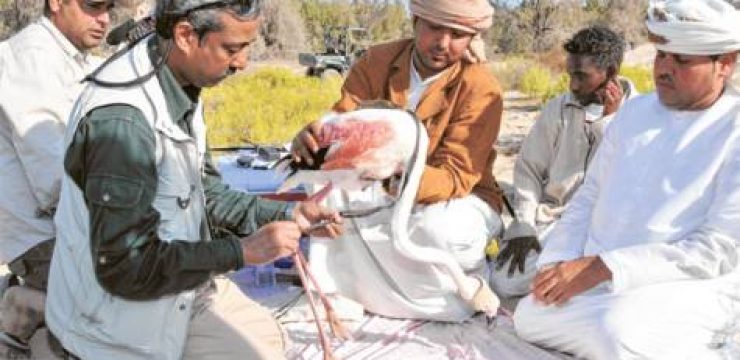
Fitted with a satellite device, this flamingo, Yasmeena, will help Abu Dhabi researchers track the bird’s migratory routes. Abu Dhabi’s Environment Agency (EAD) has been busy this year. In addition to rescuing endangered baboons and hyenas from a private home, and caring for coral reefs one disc at a time, they have played a pivotal […]

Today’s announcement from Noble Energy of its gigantic Leviathan gas find in disputed territory will exacerbate tensions in region They say that fossil fuel riches become a curse to any country that possess them. Where fossil fuels flow – corruption, reduced democracy and increased inequality follow. It is such a recognized pattern that it has […]

US Legislative troubles impact several Ormat projects Due to uncertainty about how much time permitting for a US loan guarantee program will take, Ormat Nevada Inc has removed its application for a DOE loan guarantee of $300 million for three of six geothermal projects in the state. The three projects of the Nevada subsidiary of […]
Is a Living Earth Simulator fed with reams and reams of data a viable solution to our environmental woes? Every day, those of us who write for Green Prophet and other green news sources, or who write books, like the Moneyless Man, are trying to reach out to the public, calling for some kind of action. […]

Samples taken from arugula in 64 different stores literally contained million of E. coli bacteria. Although fledgling, Dubai’s organic farming is growing, and Yael Mejia with Dubai’s Baker and Spice is doing her part to help that along. Though critics question the wisdom of using desalinated water for farming, the water-strapped Emirates don’t really have […]

Arwa meets three Muslim vegetarians from around the world whose views, lifestyles and paths to vegetarianism couldn’t be more diverse and distinct When I was 16, I discovered the horror of factory farming and decided to become a vegetarian. That was 8 years ago and I have been a vegetarian ever since. Thankfully, I no […]

Water theme parks, like this one in the UAE, won’t reduce high water tariffs from desalination Saudi Arabia’s plans to increase water tariffs for non-residents, due to the high cost of producing desalinated fresh water, has an all too familiar ring in today’s increasing reliance on desalination in water scarce regions like the Middle East. […]