Make home-fermented olives

Make olives at home

The tastiest olives are the ones you pickle yourself. Read on for ways of upgrading store bought olives too.

Olives are eaten with almost every meal in the Middle East, sometimes even at breakfast. Organically grown olives are the most delicious. You might be growing an olive tree in a container, but be realistic. If your tree gives fruit, there will probably not be enough for pickling. 

Dried and salty or plump and succulent, glowing in gem-like green, black, brown, and purple, olives have their own displays in supermarkets and open-air markets everywhere (see Karin’s post on Israeli fresh food markets). Some people like their olives hot with fiery chilis. Some prefer them tangy with preserved lemons, or mellowed with bay leaves. You can pickle and season fresh olives by the kilo if you want, and it’s not hard.

foraged olives in Jaffa, bt Karin Kloosterman
Foraged black and green olives in Jaffa by Karin Kloosterman. Salt the black olives, and

It’s in autumn that olives are harvested and appear in the markets. But if you missed the season, a recipe for improving supermarket olives follows this one.

The olives sit in plain water, changed daily, for a week. During that time their original bitterness will leach out into the water. In the following 4-8 weeks, they marinate in fresh brine and seasonings.

Ingredients for fermented (pickled) olives:

1 kilo fresh olives

water

After a week, you will need:

Fresh water

Salt

Olive oil

4 cloves garlic, peeled and halved

1 lemon, sliced

chili peppers to taste

2 bay leaves

Optional: oregano, thyme, rosemary, grains of black pepper, allspice

Equipment:

image-homemade-olives

Knife or clean rock

Mason jar or other large jar with a tight-fitting lid

Rinse the olives and drain. Discard any spoiled ones.

Either cut three slits in each olive or crush them with a clean rock, a few at a time. If crushing, only press hard enough to crack them open, not mash them.

Put the olives in the jar.  Cover them with water. Make sure there are none floating – weigh them down with a small saucer or drape a clean recycled plastic bag over the surface of the water to keep them under.

Change the water every 24 hours. Do this for a week.

The olives will lose their bright color as their bitterness leaches out. When the olives are uniformly darker, taste them to judge if they’re ready for brining. If they’re still bitter, soak them and change the water for another few days.

Once the olives are ready, drain them and put them in a large bowl while washing out their jar. Make a brine. This is 1/4 cup kosher salt to 4 cups fresh water. 

Mix well.
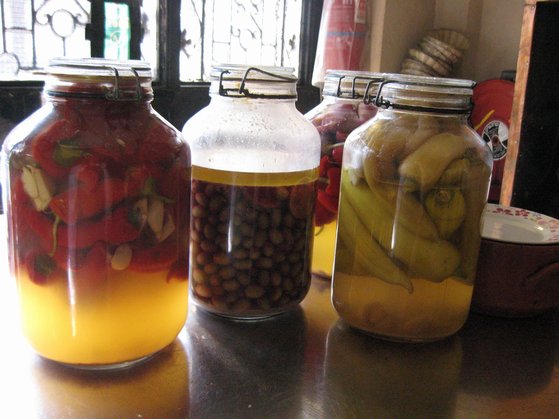
image-pickled-peppers

Replace the olives in the clean jar. Pour the brine over all. Add herbs and spices to taste.

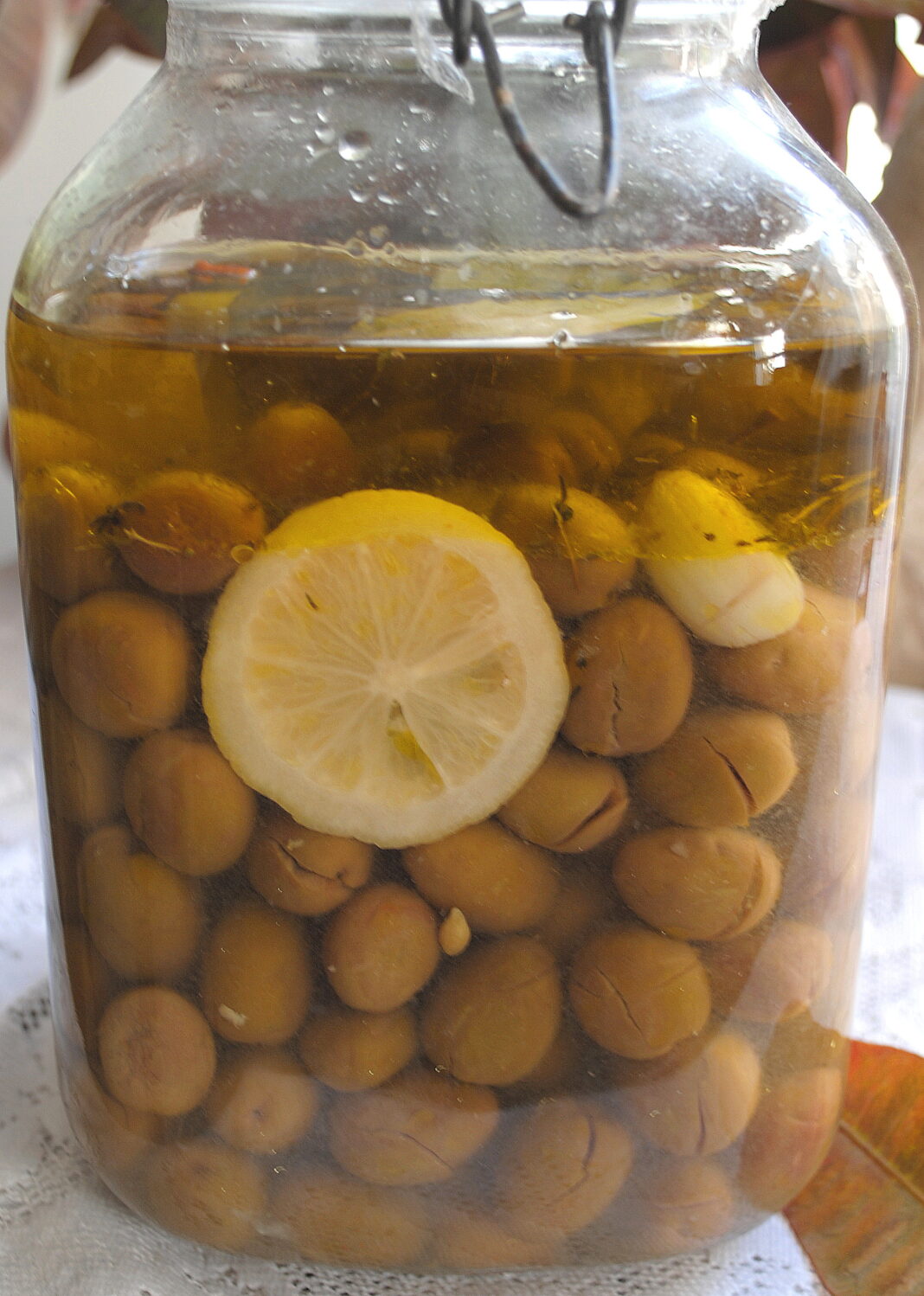
Cover the olives with plenty of olive oil (as in the image above) to exclude air and prevent spoilage. Close the jar. You can use the olive oil later. 

Leave it alone for a month, then taste an olive every week or so till you’re satisfied. 
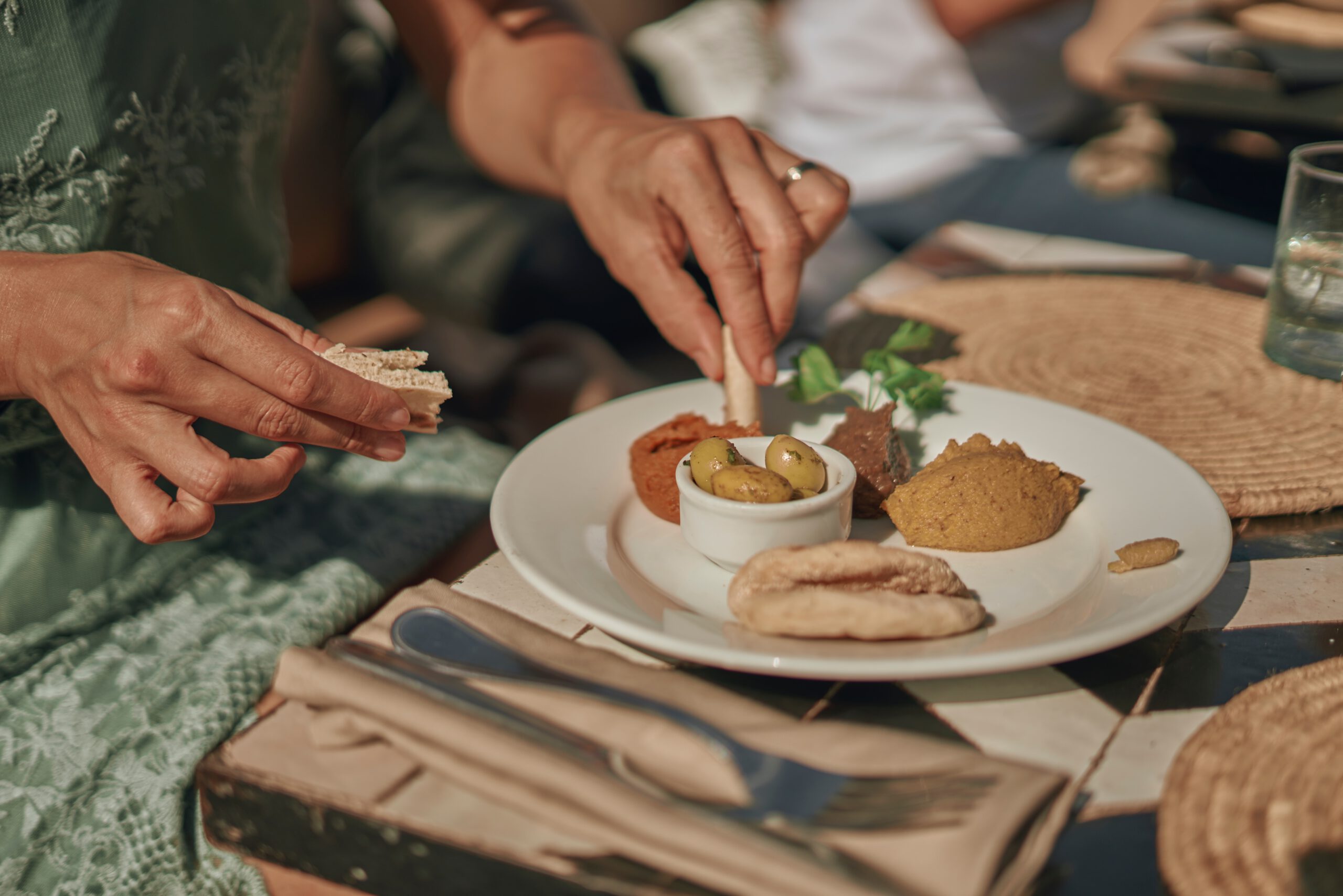
olives and tapas
Olives and tapas

Always remove olives for serving with a clean, dry spoon. Keep the majority in their brine and seasonings – they will only improve.

How To Make Cheap Olives Delicious

olive marinade
Make your own tasty marinade, no matter what olives you have at home.

Pour out the brine they came in, and as above, season with garlic, peppers, bay leaves, and lemon. Pour 1/4 cup dry red wine over them if you wish. Cover them with olive oil. Store in the fridge and eat after 1 day to allow the flavors to penetrate. The olives will stay good 1 week.

Enjoy!

More about olives and olive oil on Green Prophet:

Vegan Pesto Recipe

Olive Oil Pioneer Fixes His Heart


Miriam Kresh
Miriam Kreshhttps://www.greenprophet.com/
Miriam Kresh is an American ex-pat living in Israel. Her love of Middle Eastern food evolved from close friendships with enthusiastic Moroccan, Tunisian and Turkish home cooks. She owns too many cookbooks and is always planning the next meal. Miriam can be reached at miriam (at) greenprophet (dot) com.

Read More

3 COMMENTS

TRENDING

5 Reasons Why You Should Save Seeds (and plant them)

Saving seeds from tomatoes, peppers, herbs and flowers helps preserve biodiversity, strengthen food security, and keep heirloom varieties alive. Even a small balcony garden can make a difference.

A visit to Amirim, Israel’s first all-vegetarian village in the Galilee

Just 15 kilometers from Tzfat there is a moshav that was founded in the late 50s that was ideologically influenced by organic, vegetarian and vegan principles. My hostess at Ohn-Bar, the tzimmer where I stayed, explained that the people of Amirim were among the pioneers of Israel’s strong vegetarian movement.

What’s in season in June – plus recipes and forager’s notes

Middle Eastern markets are bursting with the color and aromas of summer's soft fruits. This is the guide to getting the most out of June. 

A Quantum Kaddish? What fungal networks teach us about grief, God and death

Can Zara speak with their recently departed mother through...

Jailhouse Booze For Home Bootleggers

You don’t have to languish in jail to make Jailhouse Booze. It’s an easy, fun project you can make in your own kitchen, with fruit juice. Old-time jailbirds used to call it Pruno. We also have another, no-waste, alternative wine recipe: Pea Pod Wine.

Yerukim Forms a New Green Economy Where the Money is Really Green

The Yerukim members who pick up the recyclables get to keep the monetary reward, the public earns "green" bills that can be used in shops, and business owners get to be associated with environmentalism.

Choosing Riyadh over Dubai? What Investors Should Know

Saudi Arabia is deploying capital at unmatched scale to catalyze tourism and advanced industry while rewiring its power-and-water backbone. The investable frontier is widening—especially in renewables, grid storage, water efficiency/desal retrofits, and hospitality operating platforms. Prudent investors will insist on phased delivery, enforceable KPIs (energy, water, biodiversity), and RHQ/zone compliance—while pricing political-economy and reputational risks alongside growth upside.

Sell your cooking oil for biodiesel money

Want to make money on old french fry oil? Sell it.

Qatar Alternative Energy Summit Pairs Investors And Innovators

Alternative energy investors and innovators can meet n' greet in Doha, Qatar March 16 and 17.

Here’s How To Implement The Four Pillars Of Employee Engagement

If you throw a party for your work team and they are vegans, don't make it a barbecue. Know the sustainability values of your team to boost moral and retain good people.

Locals From Rishon Fight IKEA

Big Box stores are a pretty new concept in Israel, and thank God that not every Israeli city wants them in their backyard. A word from someone who has see the beautiful farmland around her hometown Newmarket, Ontario stripped and converted into vulgar strip malls of big box shops: they have no place in a healthy and sustainable town or city.

The Jewish National Fund Meets An Inconvenient Truth

According to the JNF, it has transformed thousands of acres of barren land into green forests in Israel. They state that each person emits about 23 tons of carbon per year, estimating that each tree planted can absorb one ton of carbon in its lifetime. That's a whole lot of trees you'd need to be planting. Could so many fit in Israel?

How to quiet noise from construction in your office

Streets need to be resurfaced in New York but the humming and grinding noise is unsettling. Noise is environmental pollution. 

Popular Categories