London Mosques Start Beekeeping Trend
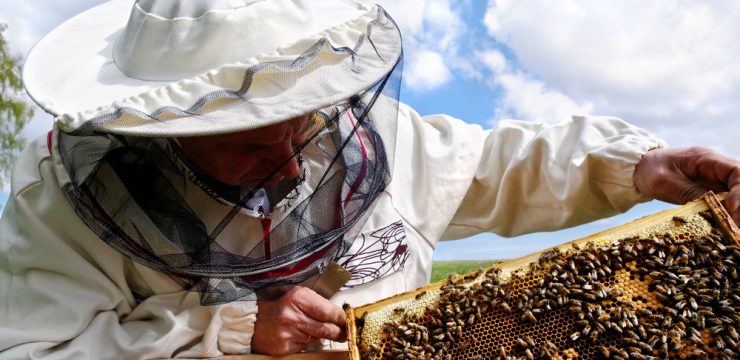
Two mosques in London have taken up beekeeping – and there are plans to encourage more to join the quest to save dwindling bee populations


The House of Saud lived in a palace made from mud
Vernacular architecture, often seen in older homes around the world, represents a style of construction deeply rooted in the local environment and culture. Unlike architect-designed structures, vernacular buildings emerge from the resourcefulness of local builders, utilizing available materials and traditional knowledge to create functional, distinctive homes.
So, what exactly is vernacular architecture, and how has it evolved over time? Let’s delve into the practical aspects of this architectural style, with a focus on some examples from around the world.
Vernacular architecture is characterized by its simplicity and region-specific nature. It relies on local materials and craftsmanship, typically without the involvement of professional architects. Instead of adhering to rigid rules or pursuing aesthetic ideals, vernacular builders prioritize practicality and effectiveness, often using affordable, locally sourced materials.
Vernacular architecture traces its origins back to the earliest days of human settlement when people constructed basic shelters to meet their needs. In fact, some historians argue that most buildings erected before the mid-17th century could be considered vernacular, as they were not overseen by formal architects but crafted by local tradespeople using locally acquired skills.
The term ‘vernacular’ gained traction in the 19th century as colonialists encountered various building techniques in different parts of the world. Some architects of that era viewed these structures as quaint and unsophisticated compared to their own designs.
Over time, the term ‘vernacular architecture’ broadened its scope to encompass a wide range of architectural styles found not only abroad but also in Europe and the United States. In 1964, Bernard Rudofsky played a pivotal role in shedding light on these overlooked building traditions through an exhibition.
Vernacular architecture stands apart from other architectural styles due to its practical and context-driven nature. Some distinguishing features include:

This is vernacular architecture from the late 1880s in Northern Ontario, Commanda Region. Settlers obtained free land and bought a blueprint. No architect was involved in building the structure.
In contemporary times, constructing a truly authentic vernacular home can be challenging, given the prevalence of architect-led designs. However, you can still incorporate vernacular-inspired elements into your dwelling. Let’s explore some common examples from the United States and Canada:
Vernacular architecture may not always command attention for its architectural innovation, but it holds a significant place in the history of construction. These homes and structures are a testament to local ingenuity, sustainability, and a deep connection to the community. Exploring vernacular architecture offers valuable insights into the practicality and adaptability of traditional building styles.
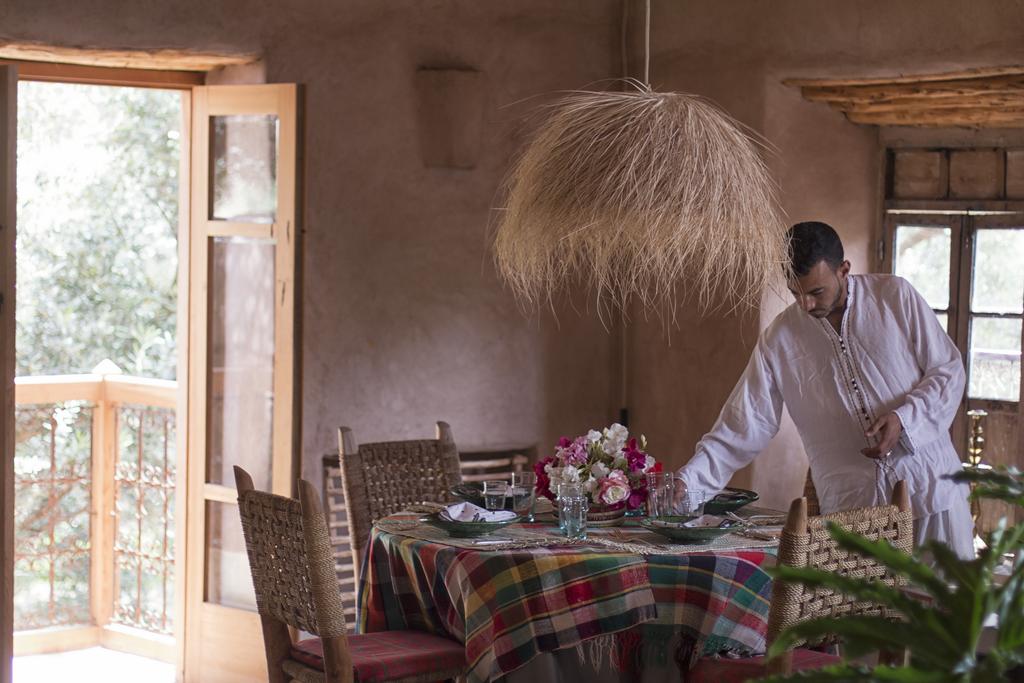
Inside a Berber home

Yemen’s Manhattan of the desert, vernacular architecture from the Middle East
In our era of towering skyscrapers in the United Arab Emirates, steel frames, and hard to insulate glass facades, it’s easy to overlook the humble wisdom embedded in vernacular architecture. Yet as advocates for sustainable living and building we believe that the vernacular approach to building deserves a place of prominence in our modern construction landscape.
The vernacular approach, rooted in local traditions and resourcefulness, offers a path towards sustainability that is often overshadowed by sleek, architect-driven designs. Here’s why sustainable architects should rekindle our appreciation for this time-tested approach:
As we confront the pressing challenges of climate change and peak sand, it’s time to reconsider the virtues of vernacular architecture. In a world where sustainability is no longer a choice but a necessity, we must draw inspiration from the past to build a more sustainable future. By incorporating the wisdom of vernacular building practices into our modern construction methods, we can forge a path towards a more harmonious and responsible coexistence with our planet. It’s not a step backward; it’s a leap forward toward a sustainable, resilient, and culturally rich future.
Two mosques in London have taken up beekeeping – and there are plans to encourage more to join the quest to save dwindling bee populations
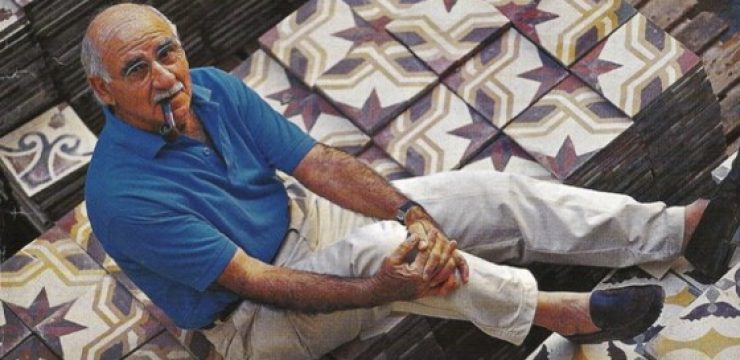
Edgard Chaya and his family bring back ancient tile making practices and Lebanese “neo-traditional” architecture After being handed over a case filled with 12 brass molds and stumbling upon a jumble of colored tile fragments and exposed patterns in his family’s wrecked cement tile factory, retiree Edgard Chaya was destined towards a new chapter in his […]
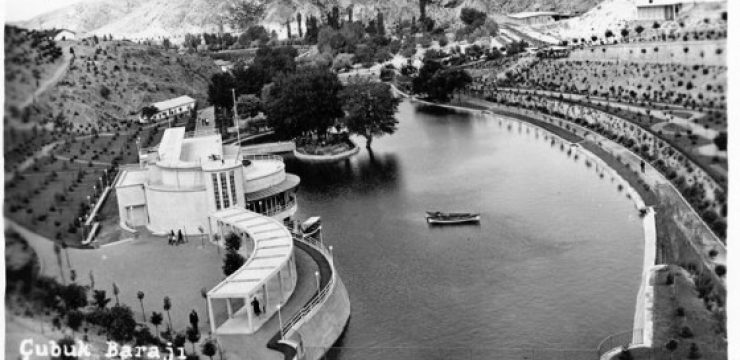
The first hydroelectric dam built in Ankara, Turkey’s capital city, the Çubuk Dam was promoted as “Ankara’s Bosphorus”. A new exhibit at Istanbul’s avant-garde SALT Galata gallery, Graft, throws open the archive of material about Turkey’s first major hydroelectric projects in the 1930s. The display critically analyzes the motives behind these early endeavors — and the […]

Wild Boars are hunted illegally as well. Photo:Haaretz/Nir Kafri Wildlife in Israel have always been under threat from economic over-development and hunting, including poaching by migrant farm workers. Illegal poaching and outdoor hunting in the country has now reached levels that could soon result in some animal species becoming extinct or unable to naturally sustain […]
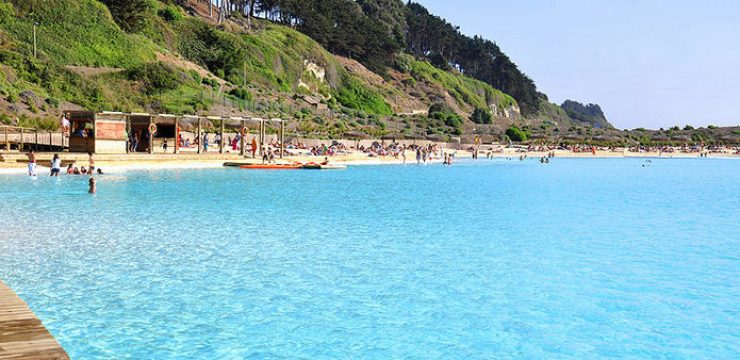
When we first learned about the 120,000 square meter artificial lagoon in Sharm el Sheikh designed to be the largest of its kind in the world, we wondered whether it would lift off or crumble in failure as so many of Egypt’s grand projects have done. We need wonder no more since World Architecture News […]
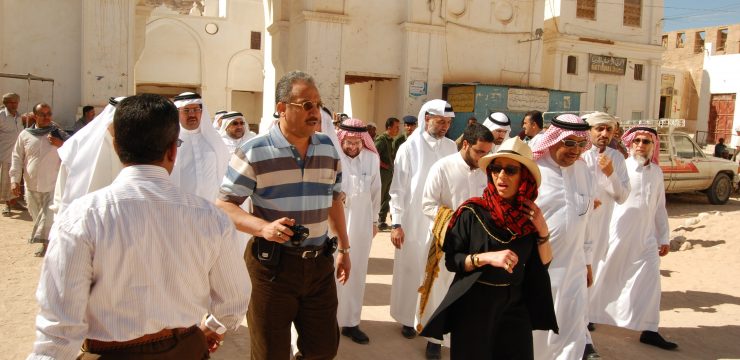
Award-winning architect Salma Samar Damluji speaks to GreenProphet about her mud architecture work in Yemen and why Dubai’s property development mentality is ruining the Middle East The Middle East may be a fascinating place politically but architecturally, it’s on its last legs. Years of corruption and poor governance mean it’s slowly becoming one of the […]

I know I know, the proposed federation of six gulf countries has nothing to do with anything remotely green. I also realize that the ulterior motive is to gain political strength and stability in the region and it is possible that this may even escalate the unrest, given that not everyone is happy with this […]

Egyptian brothers Mostafa and Mohamed Nassar have designed a clever two-meter tall waste separator that aims to make recycling in Abu Dhabi and the other Emirates “as easy as pressing a button,” The National reports.Providers of steel solutions for construction, oil and gas industries and manufacturing plants, the Abu-Dhabi-raised pair believe that collecting recyclables can be […]

Enjoy a delicious dairy dessert on Shavuot (but don’t count the calories). Shavuot, the Jewish festival that celebrates receiving the Torah on Mt. Sinai, has always been associated with having a dairy meal. The origins of the custom go back to antiquity, and there are several explanations for it. Some hold that milk symbolizes the […]