Islam and Garlic (Thūm)

Pungent and bittersweet, garlic is no stranger to Muslim cuisine. Check out what makes it eco-holy and why a clove a day is a needed health top-up.


The House of Saud lived in a palace made from mud
Vernacular architecture, often seen in older homes around the world, represents a style of construction deeply rooted in the local environment and culture. Unlike architect-designed structures, vernacular buildings emerge from the resourcefulness of local builders, utilizing available materials and traditional knowledge to create functional, distinctive homes.
So, what exactly is vernacular architecture, and how has it evolved over time? Let’s delve into the practical aspects of this architectural style, with a focus on some examples from around the world.
Vernacular architecture is characterized by its simplicity and region-specific nature. It relies on local materials and craftsmanship, typically without the involvement of professional architects. Instead of adhering to rigid rules or pursuing aesthetic ideals, vernacular builders prioritize practicality and effectiveness, often using affordable, locally sourced materials.
Vernacular architecture traces its origins back to the earliest days of human settlement when people constructed basic shelters to meet their needs. In fact, some historians argue that most buildings erected before the mid-17th century could be considered vernacular, as they were not overseen by formal architects but crafted by local tradespeople using locally acquired skills.
The term ‘vernacular’ gained traction in the 19th century as colonialists encountered various building techniques in different parts of the world. Some architects of that era viewed these structures as quaint and unsophisticated compared to their own designs.
Over time, the term ‘vernacular architecture’ broadened its scope to encompass a wide range of architectural styles found not only abroad but also in Europe and the United States. In 1964, Bernard Rudofsky played a pivotal role in shedding light on these overlooked building traditions through an exhibition.
Vernacular architecture stands apart from other architectural styles due to its practical and context-driven nature. Some distinguishing features include:

This is vernacular architecture from the late 1880s in Northern Ontario, Commanda Region. Settlers obtained free land and bought a blueprint. No architect was involved in building the structure.
In contemporary times, constructing a truly authentic vernacular home can be challenging, given the prevalence of architect-led designs. However, you can still incorporate vernacular-inspired elements into your dwelling. Let’s explore some common examples from the United States and Canada:
Vernacular architecture may not always command attention for its architectural innovation, but it holds a significant place in the history of construction. These homes and structures are a testament to local ingenuity, sustainability, and a deep connection to the community. Exploring vernacular architecture offers valuable insights into the practicality and adaptability of traditional building styles.
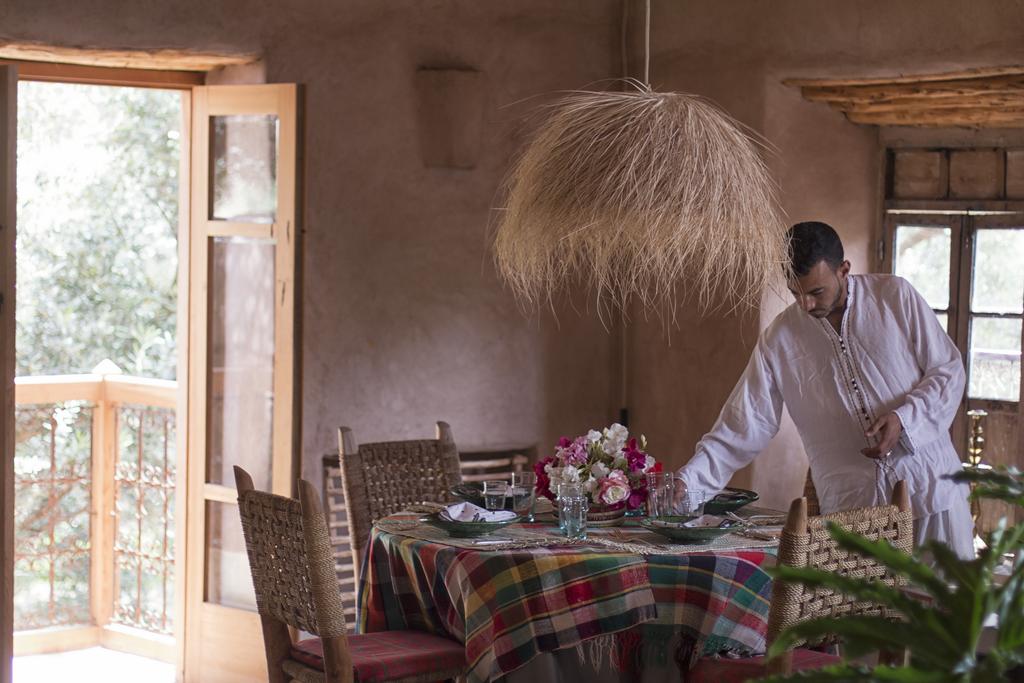
Inside a Berber home

Yemen’s Manhattan of the desert, vernacular architecture from the Middle East
In our era of towering skyscrapers in the United Arab Emirates, steel frames, and hard to insulate glass facades, it’s easy to overlook the humble wisdom embedded in vernacular architecture. Yet as advocates for sustainable living and building we believe that the vernacular approach to building deserves a place of prominence in our modern construction landscape.
The vernacular approach, rooted in local traditions and resourcefulness, offers a path towards sustainability that is often overshadowed by sleek, architect-driven designs. Here’s why sustainable architects should rekindle our appreciation for this time-tested approach:
As we confront the pressing challenges of climate change and peak sand, it’s time to reconsider the virtues of vernacular architecture. In a world where sustainability is no longer a choice but a necessity, we must draw inspiration from the past to build a more sustainable future. By incorporating the wisdom of vernacular building practices into our modern construction methods, we can forge a path towards a more harmonious and responsible coexistence with our planet. It’s not a step backward; it’s a leap forward toward a sustainable, resilient, and culturally rich future.
Pungent and bittersweet, garlic is no stranger to Muslim cuisine. Check out what makes it eco-holy and why a clove a day is a needed health top-up.

False advertising. It’ll take a minute and thirty-seven seconds to watch this tapestry of images tracing the cosmic origins of mankind. Not enough time to get fidgety, barely enough time to dent your cup of coffee, but maybe just long enough to remind you why you check in to Green Prophet. Come on, admit it. […]
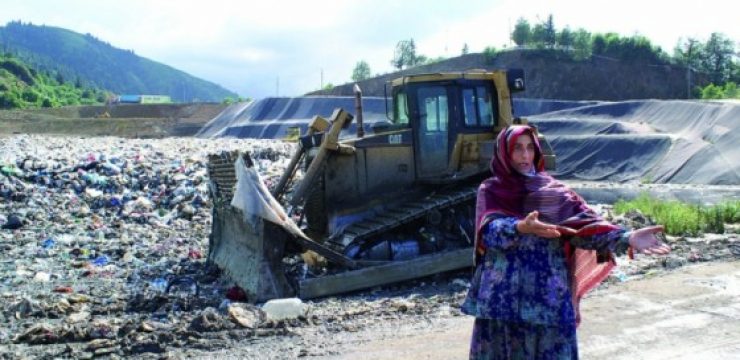
Movie stars shone on Abu Dhabi red carpets, where the curtain rose on a pair of green films connected to the Middle East. This year’s Abu Dhabi film festival featured two green-themed films aimed at raising awareness of a decidedly un-Hollywood subject: global waste management. Both movies, Trashed and Polluting Paradise, were sponsored by sustainable […]
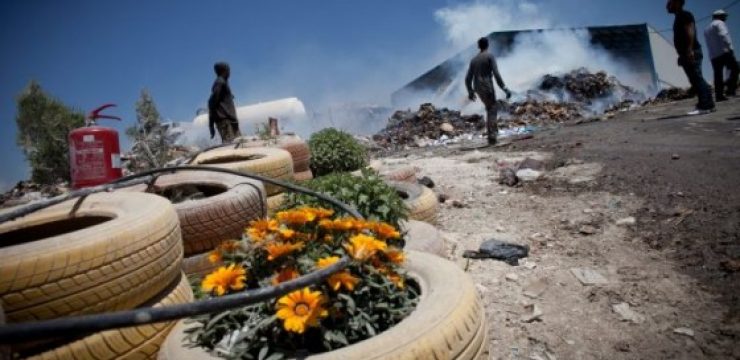
Tires, plastics, and other types of solid waste will soon be converted into energy and other products at a new Israel mega recycling plant. Photo: Haaretz/Michal Fattal Israel’s garbage dumps and landfills are often referred to as large, unsightly “garbage mountains” such as the Hiriya garbage mound near Tel Aviv. With the Hiriya site now […]

Pollen and ash in Nile river delta sediment provides evidence of ancient climactic events including mega-droughts and wildfires which wiped out pyramid-building civilizations, says a study published in the recent July 2012 edition of Geology. They waited seventy days for her to reappear. Finally she came. For a moment just before sunrise, the bright star […]

A community project in Qatar explores local folktales and what they can teach us about nature in the Middle East

Investors still have faith in the Israeli-led Better Place electric car company. After the board fired its visionary founder and CEO Shai Agassi, and laying off half its staff in Israel last month the company has secured a $100 million investment. The company aims to reduce range anxiety of the use of electric cars by providing […]
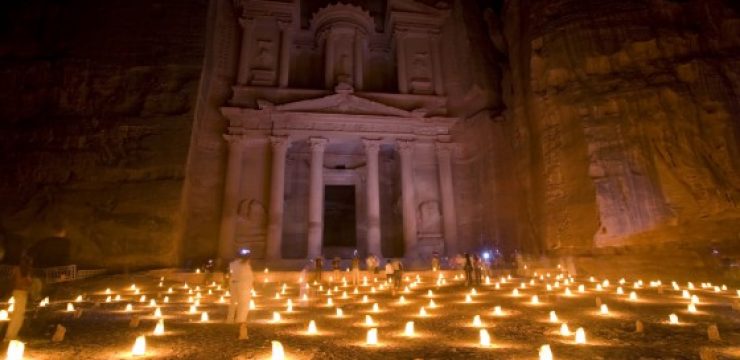
Israel’s Negev Desert, Jordan’s Mount Nebo, Medaba and Wadi Rum are a few dark sky destinations for stargazing. Paris is known as the city of lights. So is Medina Saudi Arabia, Be’er Sheva Israel and Las Vegas, Nevada. We shouldn’t overlook Baltimore Maryland, Varanasi India, Quanzhou China and Milford Pennsylvania. Each of these cities is also […]

Abu Dhabi’s key attractions received a special makeover over the Eid holidays thanks to an army of extra workers equipped with special cleaning gear. Public places and picnic spots received focused attention by 3,000 waste workers on duty across the Emirates for the holiday: waste generation skyrockets during Eid. Eid al-Adha, also called Big Eid, […]