Happy Islamic New Hirji Year

Happy New Year to all our Muslim readers today. While not everyone agrees on the date, the Hijri New Year falls around now, and on November 3 and 4 this year for most Muslims.


The House of Saud lived in a palace made from mud
Vernacular architecture, often seen in older homes around the world, represents a style of construction deeply rooted in the local environment and culture. Unlike architect-designed structures, vernacular buildings emerge from the resourcefulness of local builders, utilizing available materials and traditional knowledge to create functional, distinctive homes.
So, what exactly is vernacular architecture, and how has it evolved over time? Let’s delve into the practical aspects of this architectural style, with a focus on some examples from around the world.
Vernacular architecture is characterized by its simplicity and region-specific nature. It relies on local materials and craftsmanship, typically without the involvement of professional architects. Instead of adhering to rigid rules or pursuing aesthetic ideals, vernacular builders prioritize practicality and effectiveness, often using affordable, locally sourced materials.
Vernacular architecture traces its origins back to the earliest days of human settlement when people constructed basic shelters to meet their needs. In fact, some historians argue that most buildings erected before the mid-17th century could be considered vernacular, as they were not overseen by formal architects but crafted by local tradespeople using locally acquired skills.
The term ‘vernacular’ gained traction in the 19th century as colonialists encountered various building techniques in different parts of the world. Some architects of that era viewed these structures as quaint and unsophisticated compared to their own designs.
Over time, the term ‘vernacular architecture’ broadened its scope to encompass a wide range of architectural styles found not only abroad but also in Europe and the United States. In 1964, Bernard Rudofsky played a pivotal role in shedding light on these overlooked building traditions through an exhibition.
Vernacular architecture stands apart from other architectural styles due to its practical and context-driven nature. Some distinguishing features include:

This is vernacular architecture from the late 1880s in Northern Ontario, Commanda Region. Settlers obtained free land and bought a blueprint. No architect was involved in building the structure.
In contemporary times, constructing a truly authentic vernacular home can be challenging, given the prevalence of architect-led designs. However, you can still incorporate vernacular-inspired elements into your dwelling. Let’s explore some common examples from the United States and Canada:
Vernacular architecture may not always command attention for its architectural innovation, but it holds a significant place in the history of construction. These homes and structures are a testament to local ingenuity, sustainability, and a deep connection to the community. Exploring vernacular architecture offers valuable insights into the practicality and adaptability of traditional building styles.
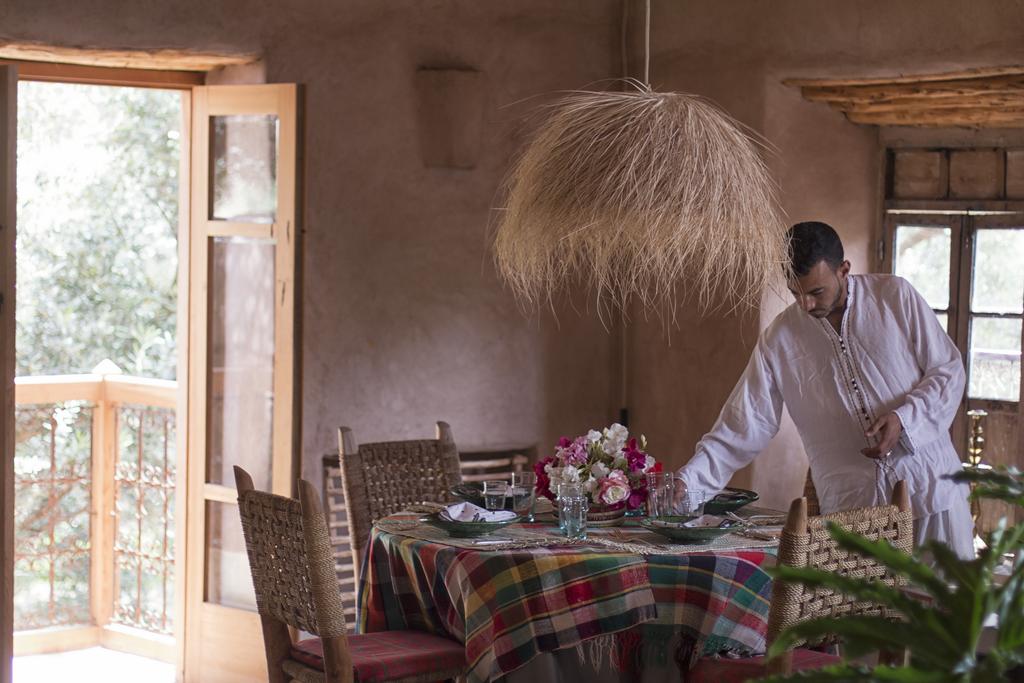
Inside a Berber home

Yemen’s Manhattan of the desert, vernacular architecture from the Middle East
In our era of towering skyscrapers in the United Arab Emirates, steel frames, and hard to insulate glass facades, it’s easy to overlook the humble wisdom embedded in vernacular architecture. Yet as advocates for sustainable living and building we believe that the vernacular approach to building deserves a place of prominence in our modern construction landscape.
The vernacular approach, rooted in local traditions and resourcefulness, offers a path towards sustainability that is often overshadowed by sleek, architect-driven designs. Here’s why sustainable architects should rekindle our appreciation for this time-tested approach:
As we confront the pressing challenges of climate change and peak sand, it’s time to reconsider the virtues of vernacular architecture. In a world where sustainability is no longer a choice but a necessity, we must draw inspiration from the past to build a more sustainable future. By incorporating the wisdom of vernacular building practices into our modern construction methods, we can forge a path towards a more harmonious and responsible coexistence with our planet. It’s not a step backward; it’s a leap forward toward a sustainable, resilient, and culturally rich future.
Happy New Year to all our Muslim readers today. While not everyone agrees on the date, the Hijri New Year falls around now, and on November 3 and 4 this year for most Muslims.

Rape and sexual assaults on women is just as much a problem in the Middle East as it is in the west, although the “flavor” of assault differs somewhat. Think of Lara Logan, the US journalist assaulted by numerous men while reporting from the streets of Cairo. But with AR Wear, new anti-cut, anti-rape undies, […]
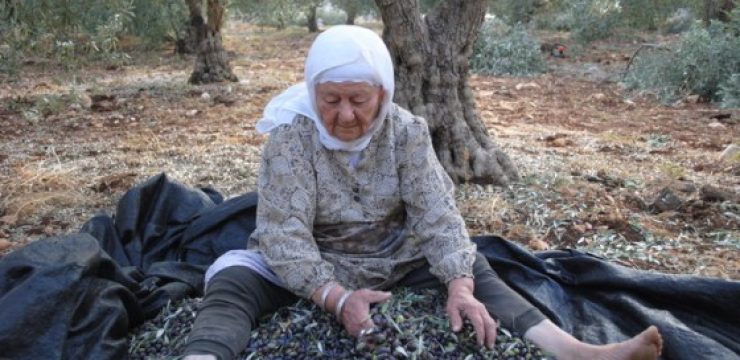
Artisinal olive oil. It has an attractive ring, but think what "artisinal" means. You associate it with ancient traditions that living people continue to maintain - with the material products of those traditions.

More massive-scale animal abuse found in Israel. This time the kosher status of the company is at stake: Following news that cattle and sheep are being severely mistreated at a large kosher slaughterhouse, Israel’s Kolbotek consumer watchdog program has again revealed large scale animal abuse at the country’s leading poultry processing plant, Soglowek.

Scientists in Dubai are growing a new kind of food crop in salt marshes along the Persian Gulf coast. A variety of salt-resistant succulent, Salicornia are typically sold in gourmet shops in Europe, but they have other uses as well.

As we’ve learned from this great No Woman, No Cry video by Hisham Fageeh, Saudi Arabian rules ban women from driving. This must drive them and their love interests crazy because provocative eye contact and inter-gender chat between strangers is also taboo. The religious police will arrest anyone caught violating these laws: flirters be warned.

Twenty-eight Greenpeacers, mostly foreigners, and two journalists are held for six weeks now in a Russian prison: In a surprising but not unheard of move, Russia has jailed the Greenpeace activists or “pirates” aboard a Greenpeace International ship for scaling a Russian-owned Gazprom oil platform. One of them is a young woman from Turkey.
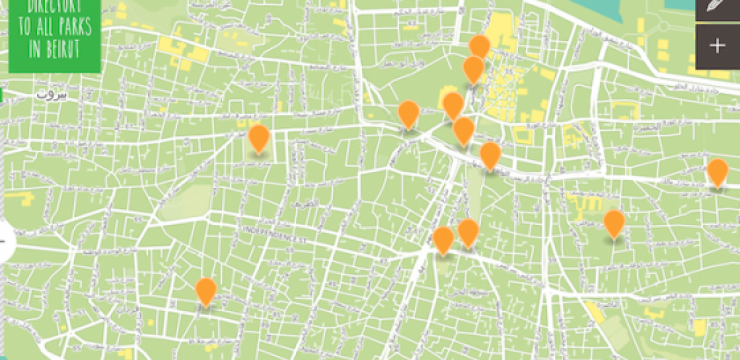
A group of activists in Beirut have teamed up with a local design agency to create the city’s first map of green spaces. Beirut Green Project and Wonder 8 launched the Beirut Green Guide at Tawlet earlier this week, but a few kinks still need to be worked out. According to the Daily Star: “The […]

While the Middle East is not a usual haunt for Halloween there are some parents here and there who bring the custom from their native America or Canada. If you are looking for a last-minute costume, now for the fun – a DIY stick figure costume made from LED lights.