Leaky?

Do you have any leaks? It’s time to take care of that! If you fix your leaky faucets and plumbing joints it can save 20 gallons per day for every leak stopped.


The House of Saud lived in a palace made from mud
Vernacular architecture, often seen in older homes around the world, represents a style of construction deeply rooted in the local environment and culture. Unlike architect-designed structures, vernacular buildings emerge from the resourcefulness of local builders, utilizing available materials and traditional knowledge to create functional, distinctive homes.
So, what exactly is vernacular architecture, and how has it evolved over time? Let’s delve into the practical aspects of this architectural style, with a focus on some examples from around the world.
Vernacular architecture is characterized by its simplicity and region-specific nature. It relies on local materials and craftsmanship, typically without the involvement of professional architects. Instead of adhering to rigid rules or pursuing aesthetic ideals, vernacular builders prioritize practicality and effectiveness, often using affordable, locally sourced materials.
Vernacular architecture traces its origins back to the earliest days of human settlement when people constructed basic shelters to meet their needs. In fact, some historians argue that most buildings erected before the mid-17th century could be considered vernacular, as they were not overseen by formal architects but crafted by local tradespeople using locally acquired skills.
The term ‘vernacular’ gained traction in the 19th century as colonialists encountered various building techniques in different parts of the world. Some architects of that era viewed these structures as quaint and unsophisticated compared to their own designs.
Over time, the term ‘vernacular architecture’ broadened its scope to encompass a wide range of architectural styles found not only abroad but also in Europe and the United States. In 1964, Bernard Rudofsky played a pivotal role in shedding light on these overlooked building traditions through an exhibition.
Vernacular architecture stands apart from other architectural styles due to its practical and context-driven nature. Some distinguishing features include:

This is vernacular architecture from the late 1880s in Northern Ontario, Commanda Region. Settlers obtained free land and bought a blueprint. No architect was involved in building the structure.
In contemporary times, constructing a truly authentic vernacular home can be challenging, given the prevalence of architect-led designs. However, you can still incorporate vernacular-inspired elements into your dwelling. Let’s explore some common examples from the United States and Canada:
Vernacular architecture may not always command attention for its architectural innovation, but it holds a significant place in the history of construction. These homes and structures are a testament to local ingenuity, sustainability, and a deep connection to the community. Exploring vernacular architecture offers valuable insights into the practicality and adaptability of traditional building styles.
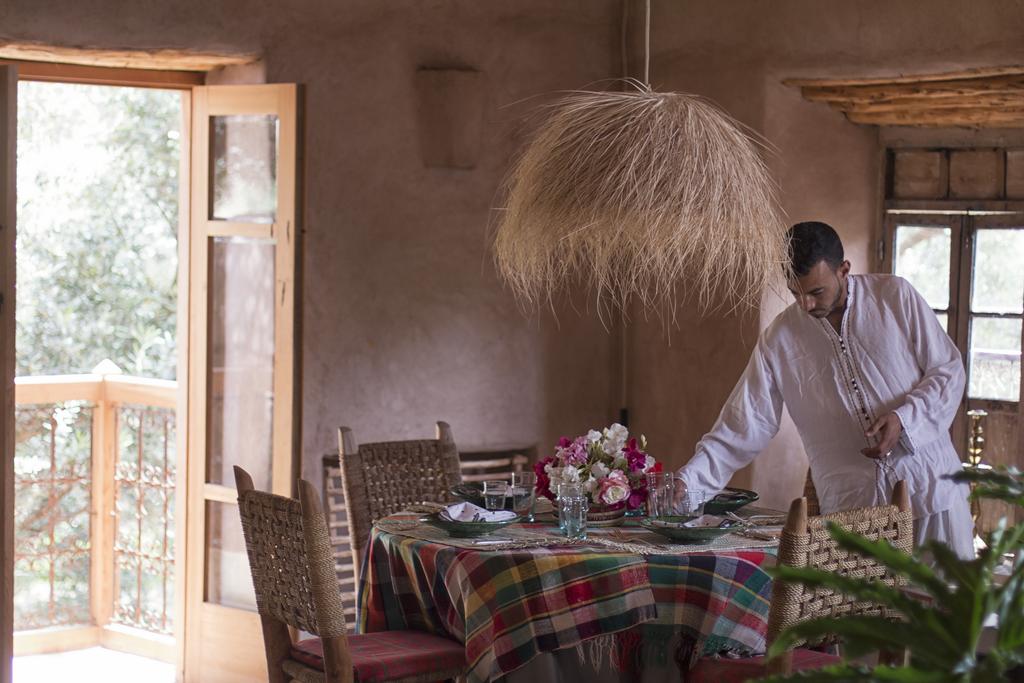
Inside a Berber home

Yemen’s Manhattan of the desert, vernacular architecture from the Middle East
In our era of towering skyscrapers in the United Arab Emirates, steel frames, and hard to insulate glass facades, it’s easy to overlook the humble wisdom embedded in vernacular architecture. Yet as advocates for sustainable living and building we believe that the vernacular approach to building deserves a place of prominence in our modern construction landscape.
The vernacular approach, rooted in local traditions and resourcefulness, offers a path towards sustainability that is often overshadowed by sleek, architect-driven designs. Here’s why sustainable architects should rekindle our appreciation for this time-tested approach:
As we confront the pressing challenges of climate change and peak sand, it’s time to reconsider the virtues of vernacular architecture. In a world where sustainability is no longer a choice but a necessity, we must draw inspiration from the past to build a more sustainable future. By incorporating the wisdom of vernacular building practices into our modern construction methods, we can forge a path towards a more harmonious and responsible coexistence with our planet. It’s not a step backward; it’s a leap forward toward a sustainable, resilient, and culturally rich future.
Do you have any leaks? It’s time to take care of that! If you fix your leaky faucets and plumbing joints it can save 20 gallons per day for every leak stopped.

Keep your eyes open and your flashlights near tomorrow night between 8 and 9pm, because Tel Aviv will be taking part in Earth Hour – an international initiative that aims to reduce power consumption by turning off lights and, as a result, decrease greenhouse gas emissions. This will be the first time that Tel Aviv […]

Green Course , the only nation-wide student environmental organization in Israel is organizing a demonstration this coming thursday. They are protesting the unreliability of the current public transportation.

When washing dishes by hand, don’t let the water run while rinsing. Turn the water on for each dish individually. If you are considering a dishwasher look for energy and water conservation ratings when making your decision.

Municipal elections will be held across Israel in November, and here in Jerusalem the current incumbent, Uri Lupolianski, will be challenged by Nir Barkat and Arcadi Gaydamek. While Jerusalem is always hotly contested for many reasons, this year a coalition of green groups has launched an initiative to get the environmental agenda high on each […]

“We are not gaining knowledge with every generation. We are losing it. A dark and gathering sameness is upon the world.” – Terry Glavin – ‘The Lost & Left Behind: stories from the age of extinction’ 2007 This is one of those very few books that sit right in the hand – a few pages […]

“At a time when steadily increasing atmospheric CO2 concentrations, coupled with the acidification of the ocean’s waters, precipitate the ongoing process of global warming, the importance of following long-term changes and trends in aquatic photosynthesis increases dramatically,” say Dr. Ilana Berman-Frank and Prof. Zvy Dubinsky, of Bar-Ilan University. This is important since about 50% of […]

Analysts from Tel Aviv University and San Francisco offer sound solutions for looming energy crises: With electricity rates soaring as much as 150% since 2001, and predictions of severe and regular blackouts in states such as Washington and Virginia, there’s a clear need for new thinking about electricity. A recipe for preventing a dark future […]

It may pay to invest green, but Israeli green funds are momentarily in the red, reports the Israeli business newspaper, The Marker. Israeli green mutual funds trading on the Tel Aviv Stock Exchange (TASE) invest primarily in foreign companies. The growth of the shekel, the nosedive of the dollar, plus a decline in the cost […]