Whether you hang or dry electric this solar energy clothes dryer is for you
A solar clothes dryer works with the power of the sun.


The House of Saud lived in a palace made from mud
Vernacular architecture, often seen in older homes around the world, represents a style of construction deeply rooted in the local environment and culture. Unlike architect-designed structures, vernacular buildings emerge from the resourcefulness of local builders, utilizing available materials and traditional knowledge to create functional, distinctive homes.
So, what exactly is vernacular architecture, and how has it evolved over time? Let’s delve into the practical aspects of this architectural style, with a focus on some examples from around the world.
Vernacular architecture is characterized by its simplicity and region-specific nature. It relies on local materials and craftsmanship, typically without the involvement of professional architects. Instead of adhering to rigid rules or pursuing aesthetic ideals, vernacular builders prioritize practicality and effectiveness, often using affordable, locally sourced materials.
Vernacular architecture traces its origins back to the earliest days of human settlement when people constructed basic shelters to meet their needs. In fact, some historians argue that most buildings erected before the mid-17th century could be considered vernacular, as they were not overseen by formal architects but crafted by local tradespeople using locally acquired skills.
The term ‘vernacular’ gained traction in the 19th century as colonialists encountered various building techniques in different parts of the world. Some architects of that era viewed these structures as quaint and unsophisticated compared to their own designs.
Over time, the term ‘vernacular architecture’ broadened its scope to encompass a wide range of architectural styles found not only abroad but also in Europe and the United States. In 1964, Bernard Rudofsky played a pivotal role in shedding light on these overlooked building traditions through an exhibition.
Vernacular architecture stands apart from other architectural styles due to its practical and context-driven nature. Some distinguishing features include:

This is vernacular architecture from the late 1880s in Northern Ontario, Commanda Region. Settlers obtained free land and bought a blueprint. No architect was involved in building the structure.
In contemporary times, constructing a truly authentic vernacular home can be challenging, given the prevalence of architect-led designs. However, you can still incorporate vernacular-inspired elements into your dwelling. Let’s explore some common examples from the United States and Canada:
Vernacular architecture may not always command attention for its architectural innovation, but it holds a significant place in the history of construction. These homes and structures are a testament to local ingenuity, sustainability, and a deep connection to the community. Exploring vernacular architecture offers valuable insights into the practicality and adaptability of traditional building styles.
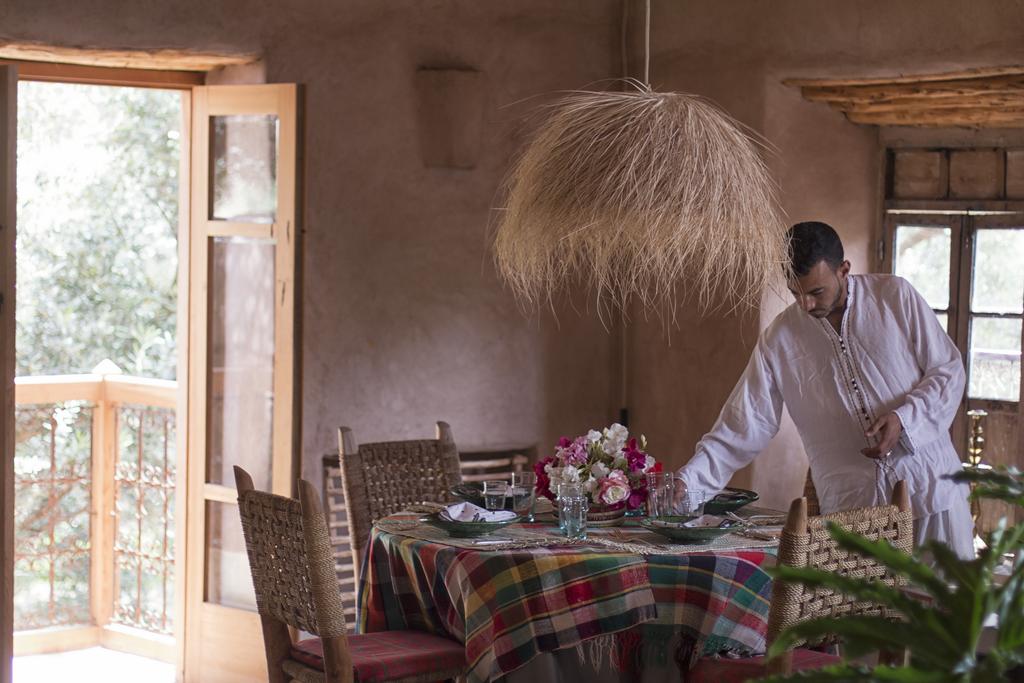
Inside a Berber home

Yemen’s Manhattan of the desert, vernacular architecture from the Middle East
In our era of towering skyscrapers in the United Arab Emirates, steel frames, and hard to insulate glass facades, it’s easy to overlook the humble wisdom embedded in vernacular architecture. Yet as advocates for sustainable living and building we believe that the vernacular approach to building deserves a place of prominence in our modern construction landscape.
The vernacular approach, rooted in local traditions and resourcefulness, offers a path towards sustainability that is often overshadowed by sleek, architect-driven designs. Here’s why sustainable architects should rekindle our appreciation for this time-tested approach:
As we confront the pressing challenges of climate change and peak sand, it’s time to reconsider the virtues of vernacular architecture. In a world where sustainability is no longer a choice but a necessity, we must draw inspiration from the past to build a more sustainable future. By incorporating the wisdom of vernacular building practices into our modern construction methods, we can forge a path towards a more harmonious and responsible coexistence with our planet. It’s not a step backward; it’s a leap forward toward a sustainable, resilient, and culturally rich future.
A solar clothes dryer works with the power of the sun.
College students don’t usually need a justifiable reason for studying abroad. And study abroad in Israel? There’s the sun, the beach, the good food, the beautiful people… all very educational, of course. But for those students who are looking for a justifiable reason (at least one they can tell their undergraduate advisors or parents), how […]
We’ve seen that environmentally conscious tourism is becoming more than a buzz word, what with government initiatives stepping in, and the various alternatives in eco-tourism that Israel now offers–including Kazakh yurts! Australian-born tour guide Zel Lederman customizes personal tours for groups and families with Israel Travel Company: Israel Off the Beaten Track, including tours with […]

Slow Food has been garnering lots of attention lately, with an international convention in San Francisco in September and another in Italy just this week. It seems like the perfect time to pull out the Slow Food anthology, this week’s entry in our eco-reads review series. ‘Slow Food’ is one of those elusive yet still […]

Quinoa isn’t just for Passover anymore. Revered by the Incas as sacred, quinoa looks like a grain but is actually a plant related to beets, chard, and spinach. Its tiny seeds cook up into fluffy, nutty goodness in fifteen minutes, and can be used in any number of ways. Quinoa is fantastic for vegetarians and […]
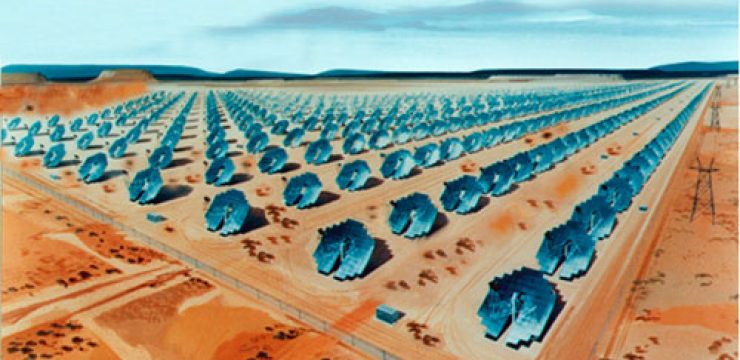
Israel touts some of the world’s best solar technology advances (see our extensive solar energy company guide here), but its Middle East neighbor Dubai, says it is planning to set up the region’s largest solar energy manufacturing plant. They are expected to start producing by the last quarter in 2010, and will manufacture photovoltaic panels […]

The best way to defrost food is in the fridge. It not only keeps the fridge cool, meaning the fridge itself will use less energy to stay cool, but often people leave food out too long with defrosting which causes their food to collect unwanted bacteria. Many other people use their microwave to defrost food. […]
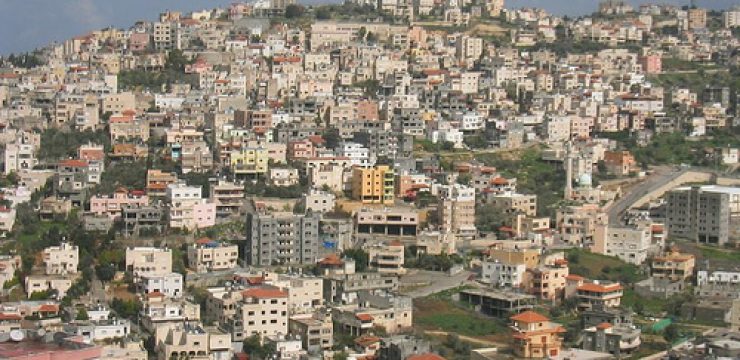
Friends of the Earth Middle East (FoEME) is a longtime advocate of sustainability and environmental peacebuilding in the region. Fresh off the pages of Time Magazine, where FoEME’s directors were recently named Heroes of the Environment 2008, FoEME is hosting a conference next week as part of the Pro-Aquifer project. Over the past two years, […]

You first heard it here on Green Prophet a few months ago – the Israeli Ministry of Tourism is spearheading initiatives to promote eco-friendly, green bicycle tourism. You may also remember that it announced in August that it would be allocating 100 million shekels towards developing the field (which, ahem, is not the number that […]