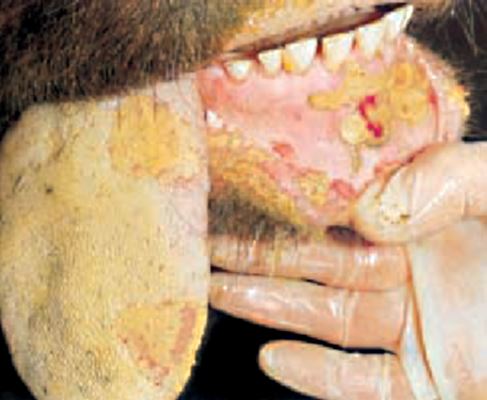
![Foot-and-mouth disease (FMD) or hoof-and-mouth disease (HMD) is an infectious and sometimes fatal viral disease that primarily affects even-toed ungulates, including domestic and wild bovids.[1][2] The virus causes a high fever lasting two to six days, followed by blisters inside the mouth and near the hoof that may rupture and cause lameness.](https://www.greenprophet.com/wp-content/uploads/Foot_and_mouth_disease_in_mouth.jpg)
Slow Food and regenerative farming may be an answer.
FMD doesn’t infect humans, but the damage it causes to livestock—and to farmers’ livelihoods—is severe. The virus spreads quickly among animals like cattle, sheep, pigs, and goats. It causes fever and painful blisters on the mouth and feet, leading to lameness, less milk and meat production, and in some cases, sudden death in younger animals.
Europe, which is usually free of FMD, is now facing its worst outbreak since 2001. Germany detected a case in January 2025 and managed to contain it, but since then the disease has spread to Hungary and Slovakia, and is proving harder to stop. As a result, the UK has banned meat and dairy imports from affected countries, including Austria due to its proximity to Hungary.
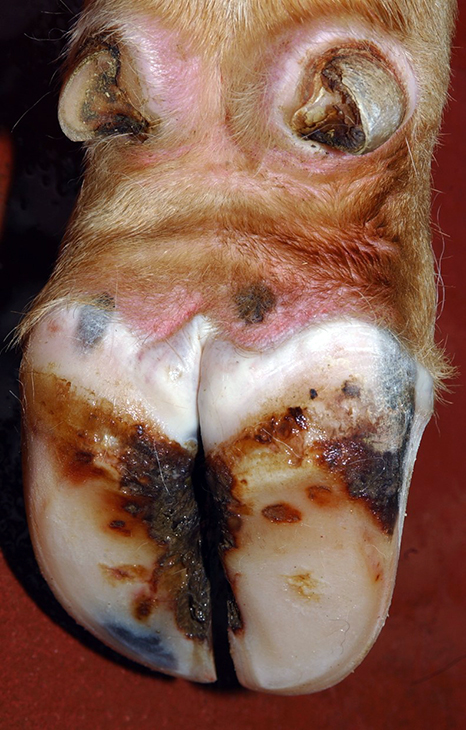
The economic fallout from FMD is enormous. Even in countries where the disease is common, it causes an estimated $21 billion in losses every year—mostly from reduced productivity and the cost of vaccines. But when trade bans, culling, and market disruptions are included, the true financial impact is far greater. For small-scale farmers and rural communities, a single outbreak can be devastating.
In response, FAO is calling on all countries to strengthen their prevention and response efforts. This includes increasing public awareness, especially among farmers and market workers; improving on-farm biosecurity by keeping sick animals isolated and stopping the spread of contaminated equipment or people; and making sure that vaccines, where used, are carefully matched to the circulating virus strain.
Vaccination can be very effective, but it needs to be part of a larger strategy that includes active surveillance, testing, and fast action when new outbreaks are detected. Countries should also review their contingency plans to ensure they can respond quickly to new outbreaks. This includes having clear procedures for isolating infected areas, investigating the source, and carrying out targeted vaccinations.
FMD may not pose a health threat to people, but its impact on food systems is real. It affects what we eat, how much it costs, and the stability of trade between countries. The recent outbreaks are a reminder that animal diseases don’t respect borders—and that early detection, clear communication, and coordinated action are the best tools we have to protect both animals and livelihoods.
As the FAO warns, staying alert now could prevent much greater harm later.