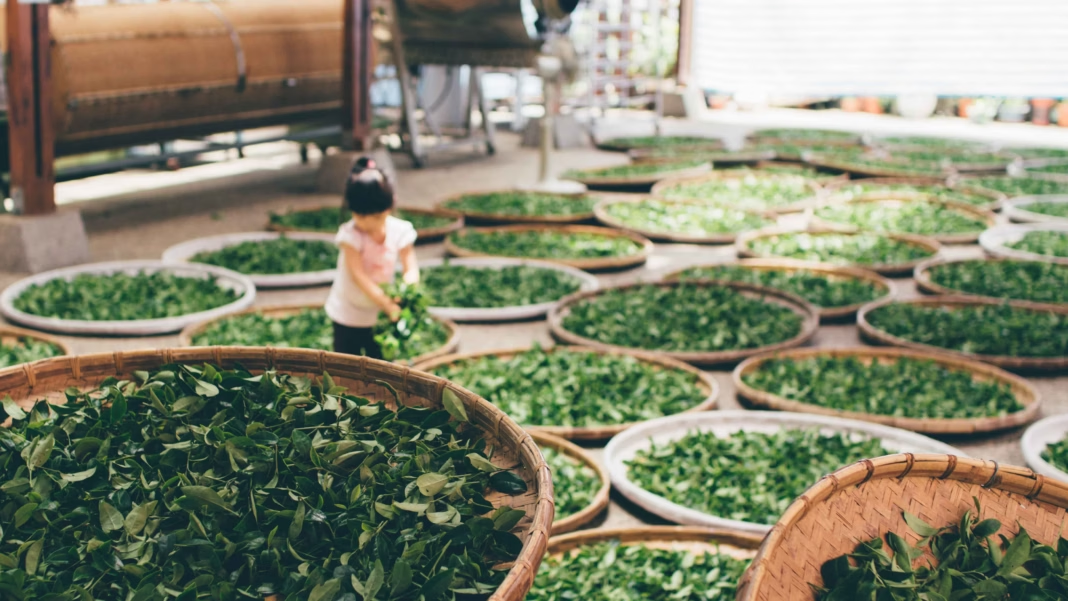

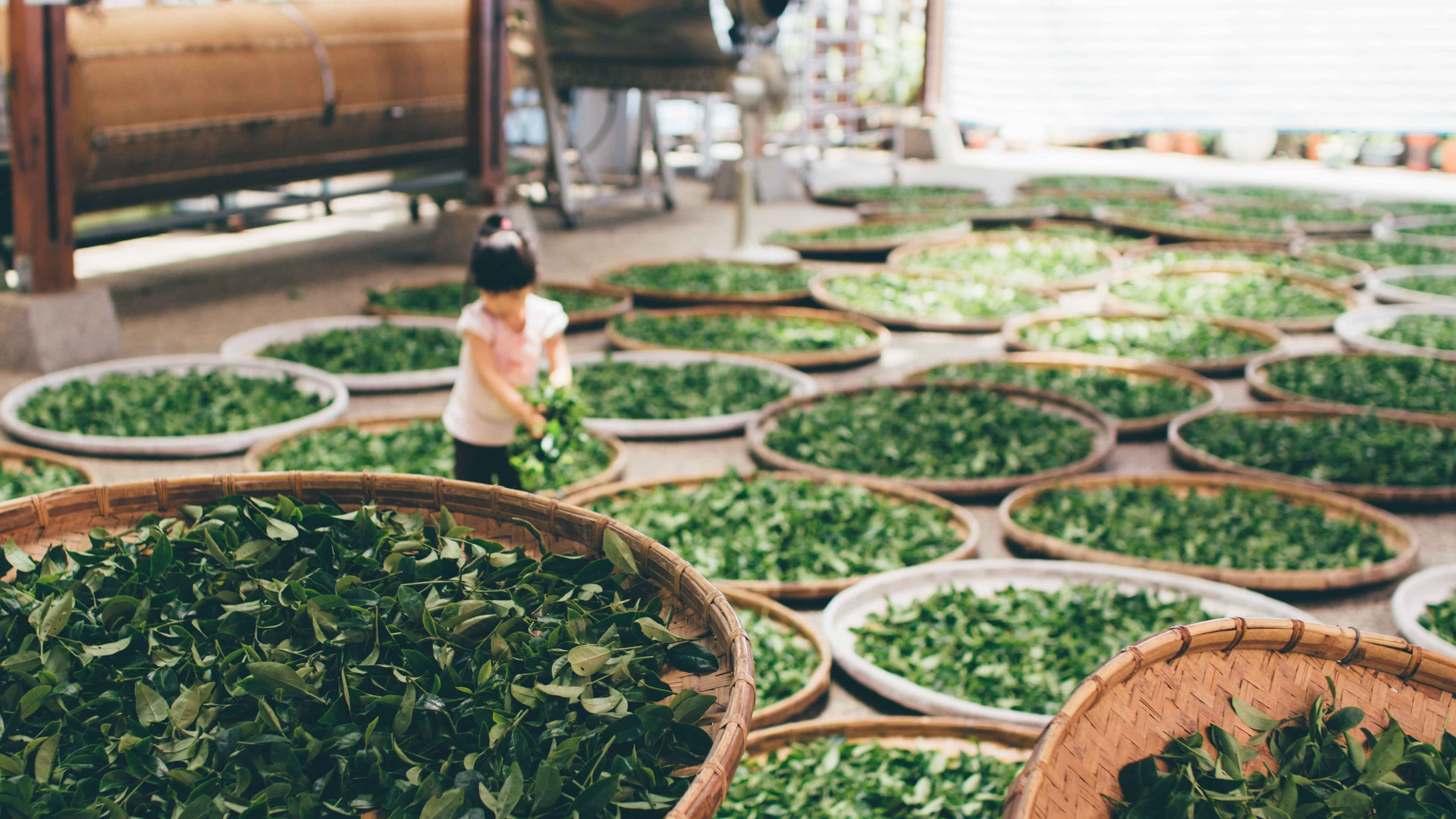
Tea cultivation, beloved globally, thrives in fertile, acidic soils. However, the overuse of chemical fertilizers has led to soil degradation, negatively affecting both the yield and quality of tea. Intercropping—growing multiple crops together—has emerged as a potential solution to enhance soil health and mitigate environmental damage. This is also known as permaculture.
This practice has gained attention for its ability to restore soil fertility, but there remains a need for detailed research into its long-term benefits, especially when applied to tea plantations.
A collaborative study by Nanjing Agricultural University and Wilfrid Laurier University, published in Horticulture Research in 2024, explores how intercropping leguminous plants with tea influences soil health, microbial diversity, and tea quality. The study uncovers critical insights into sustainable tea cultivation practices, offering a viable path forward for the future of the industry.
The research specifically examined the effects of intercropping tea with leguminous crops such as soybean and Chinese milkvetch. The results were striking: during the flowering periods of these leguminous plants, soil nutrients saw remarkable increases—nitrate nitrogen rose by 77.84%, and available nitrogen by 48.90%. The soil fertility index improved by as much as 86.46% compared to monoculture tea plantations. These gains were attributed to increased soil enzyme activities and a more diverse microbial community.
The study highlighted significant improvements in tea quality. Amino acids and soluble sugars, both critical for the flavor and health benefits of tea, increased by up to 9.11% and 54.58%, respectively. The intercropping practice also fostered a richer microbial ecosystem, with higher bacterial and fungal diversity, further enhancing soil health. These findings suggest that intercropping can significantly boost both soil vitality and tea quality, making it a viable, sustainable agricultural strategy. Add in some regenerative agriculture practices like animal husbandry, and you are getting close to a perfect system.

Related: Islamic era agriculture
Xujun Zhu, a lead researcher from Nanjing Agricultural University, stated, “Our study clearly shows that intercropping leguminous plants with tea not only enriches the soil but also enhances tea quality. This practice offers a sustainable alternative to chemical fertilizers, fostering ecological balance and delivering economic benefits to growers.”
The findings of this study hold transformative potential for the tea industry.
By adopting intercropping practices, tea growers can reduce dependency on chemical fertilizers, improve soil health, and enhance tea quality. This sustainable strategy promises to reshape the future of tea plantations, offering long-term benefits for both the environment and the economy. Regenerative agriculture at its best. Woody Harrelson would approve.