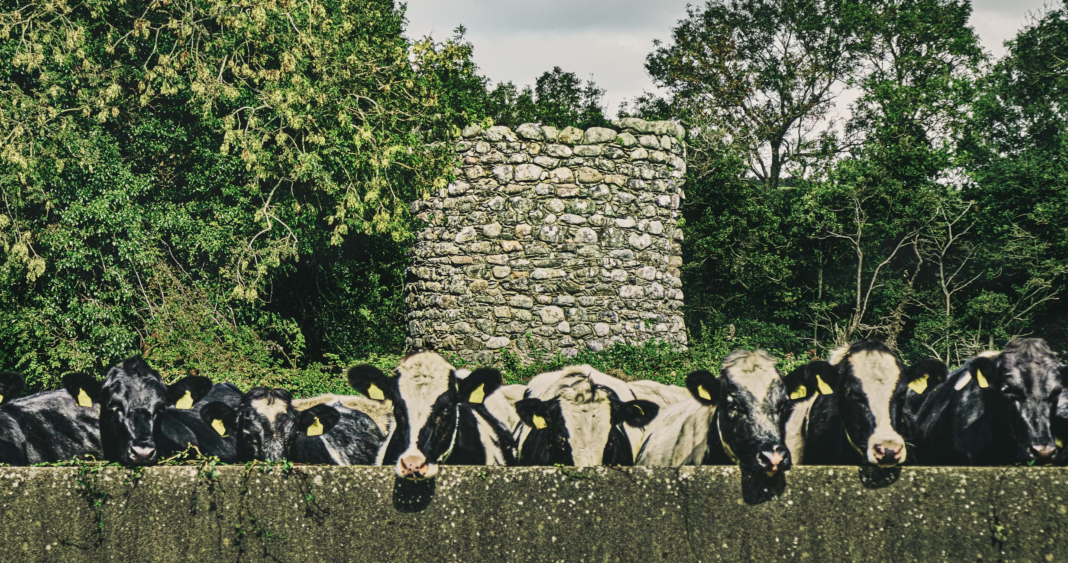
People in the Mediterranean already eat a balanced and healthy diet copied the world over. But there is a new trend in the United States and Canada. People that were once adherents to raw food and vegan diets are now eating more meat and are following a keto diet which high in protein and low in carbs. And studies are supporting the notion that unprocessed red meat is good for you. Are the rules of what’s healthy being overturned? What are the non-meat eaters saying?
There is conflicting but supportive evidence to eat less red meat and environmentalists say it’s good for the planet as it contributes to less cow farts and greenhouses gases. There is a huge debate now on whether methane-reducing Bovaer being added to a cow’s diet is good for people. The planet perhaps, but is it worth the risk?
Let’s look back:
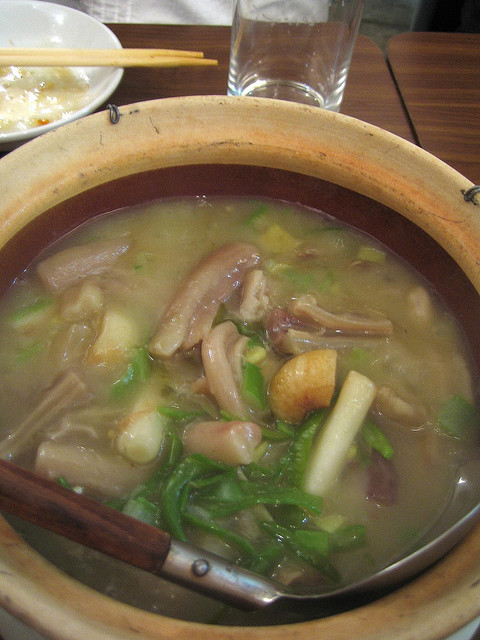
Meatless Mondays was one trend years ago that started people tasting the trend of a diet with no meat. Veganism became mainstream. Around the same time there was the whole animal trend begging the question: are you prepared to eat testicles and bull penis soup and stew?
Limiting red meat consumption, especially meat that is processed, may be a key to a sustainable and healthy diet, yet Americans are among the world’s largest consumers of red meat.
A new study reveals the demographics of American adults who choose not to eat red meat and finds that environmental concerns may matter more to them than health risks.
Researchers at Baruch College and the University of Southern California (USC) surveyed more than 7,500 adults as part of the Understanding America Study – a probability-based Internet panel of individuals 18 and older. They will present their research at the December annual meeting of the Society for Risk Analysis in Austin, Texas.

When they analyzed the survey results, the researchers found that only 12 percent of participants reported they did not eat red meat. Adults who reported not eating red meat were more likely to have indicated that they:
- were female
- were 65 years of age or older
- had a college degree
- had an annual income of $60,000 or less
- had voted for Democrats or Independents (vs. Republicans), and
- self-identified as non-Hispanic Black, Hispanic, or Asian (vs. non-Hispanic whites).
When asked to choose their top two concerns of the past year, the non red-meat eaters were equally likely to choose “environment and climate change” or “health/healthcare.”
In the analysis of survey results, environmental concerns were associated with self-reports of not eating red meat while health concerns were not.
“People may be more familiar with the environmental benefits of not eating red meat than with the potential health benefits,” says lead author of the study Patrycja Sleboda, assistant professor of psychology at Baruch College in New York City.
The authors suggest that public awareness of the environmental impacts of eating red meat may be increasing due to rising climate change concerns.
Red meat production is a major source of greenhouse gas emissions, deforestation, and water usage, according to the Intergovernmental Panel on Climate Change (IPCC).
Production of meat and dairy contribute to 72-78 percent of global food-related greenhouse gas emissions and 15 percent of total global emissions. By eating less red meat, people can lower their own contribution of greenhouse gas emissions.
The lack of a significant association between health concerns and red-meat eating may reflect a lack of clear dietary recommendations in the United States. Studies have shown that high levels of both unprocessed red and processed meat have been associated with elevated risk for colorectal, stomach, and pancreatic cancers.
The American Cancer Society recommends “limiting red and processed meat,” while the American Heart Association suggests people eat more plant-based proteins and meatless meals.