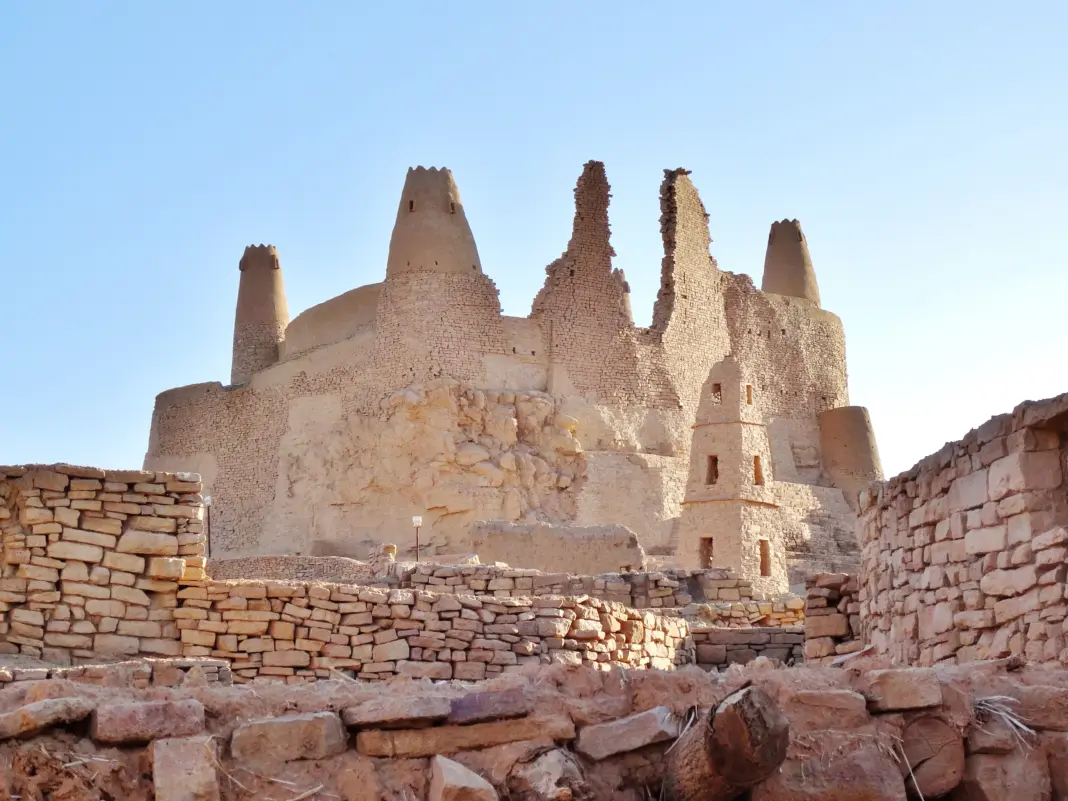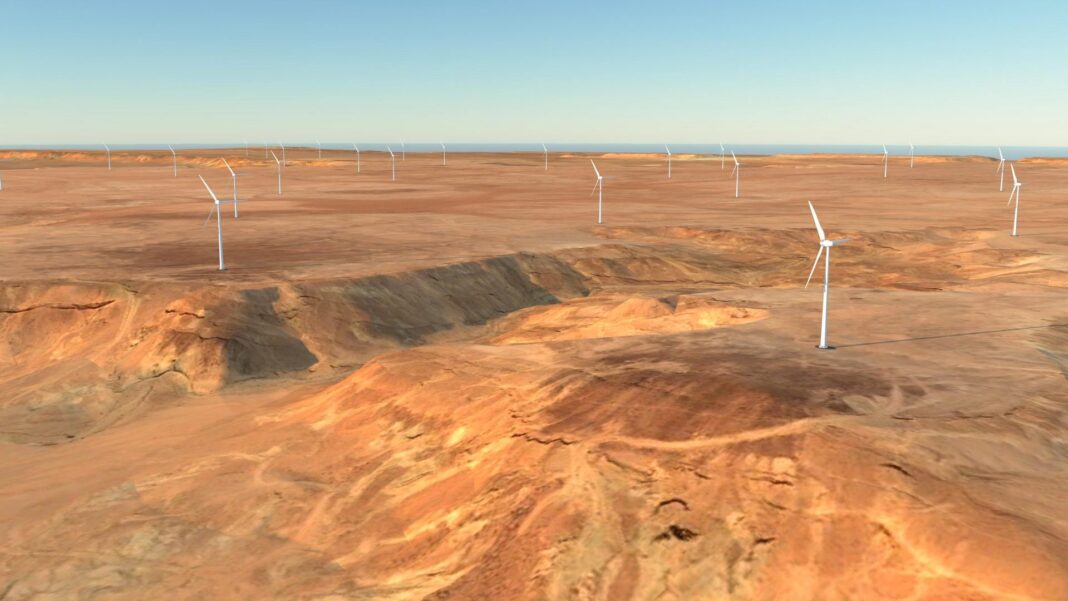


The Dumat Al-Jandal wind farm with a capacity of 400MW, stands as a pioneering endeavor in Saudi Arabia’s renewable energy landscape in an ancient land. It’s Saudi Arabia’s first wind farm. At 400MW, it is the largest wind farm in the Middle East, displacing almost one million tonnes of CO2 annually.
Developed by a consortium led by EDF Renewables (51%) and Masdar (49%), with the client being Saudi Aramco this project not only marks the kingdom’s inaugural utility-scale wind power initiative but also ranks among the largest wind farms in the Middle East.
EDF Renewables (formerly EDF Renouvelables) is a wholly owned subsidiary of the French utility EDF Group, specializing in renewable energy production.
With an estimated investment totaling $500 million USD, construction started in August 2019 following the consortium’s attainment of financial closure in June 2019. The installation of the first turbines began in August 2020.
In August 2021, the initial phase of the wind farm successfully connected to the grid, marking the commencement of power generation, with full-scale commercial operations that started in 2022.
While the project’s primary aim is to harness wind energy for sustainable electricity generation, comprehensive environmental assessments have been integral to its development. Prior to construction, thorough evaluations were conducted to assess potential impacts on archaeology, avian and terrestrial fauna, and flora in the region.
These assessments aimed to mitigate any adverse effects and ensure the preservation of cultural heritage and biodiversity.

Three of the target species recorded within the development site are listed as ‘Endangered’ by the IUCN (2017); Egyptian vulture (six individuals), saker falcon (one individual) and steppe eagle (75 individuals, including constant effort survey records). Refined collision risk modelling predicted 0.77 collisions per year for steppe eagle, which is equivalent to a collision every 1.3 years. For Egyptian vulture and saker 0.10 and 0.01 collisions per year were predicted. No reports of danger to wildlife have been made since the wind farm started operating.
Situated in the Al Jouf region of north-western Saudi Arabia, approximately 900km north of Riyadh, the wind farm’s location atop a plateau offers optimal wind resources for efficient energy production. However, this region is also home to a diverse range of wildlife and ecosystems, necessitating careful consideration of environmental factors throughout the project’s lifecycle.
Read related: Saudi’s slow train through nature
Key findings from environmental assessments highlighted the presence of archaeological sites of historical significance, as well as habitats supporting various species of birds, plants, and animals. To safeguard these assets, measures such as site delineation, monitoring, and mitigation strategies were implemented during construction and operational phases.
The wind farm’s core components include 99 units of Vestas’ V150-4.2MW wind turbines, each positioned to minimize disturbance to local ecosystems. Additionally, transmission infrastructure, including a 380kV overhead power line and associated equipment, was strategically designed to minimize environmental impact while ensuring efficient power transmission.
As the Dumat Al-Jandal wind farm emerges as a testament to sustainable development, it underscores the importance of integrating environmental considerations into renewable energy projects. By prioritizing environmental stewardship alongside energy production, this pioneering initiative sets a precedent for responsible development in the renewable energy sector.