
Addis Ababa, the capital city of Ethiopia has a lot to see and do in terms of local culture, markets, and nightlife – if you can handle urban pollution from cars and trucks. We arrived Friday morning, and by afternoon, I was choking on the smoke from cars and trucks without catalytic converters.
The capital city of Africa hosts the Mercato, the largest open-air market in Africa, and it will make your head spin. Thousands of people and cars, carrying mattresses, carpets, clothes, hats, electronics, water bottles for recycling, dresses, and food, weave in and out in every direction, risking their lives between the cars. We took an hour or two to visit a fraction of it by car, jumping out if we wanted to buy something along the way. While I hadn’t read much about the security situation in Ethiopia, my senses said it was better to stay in the car with the kids.

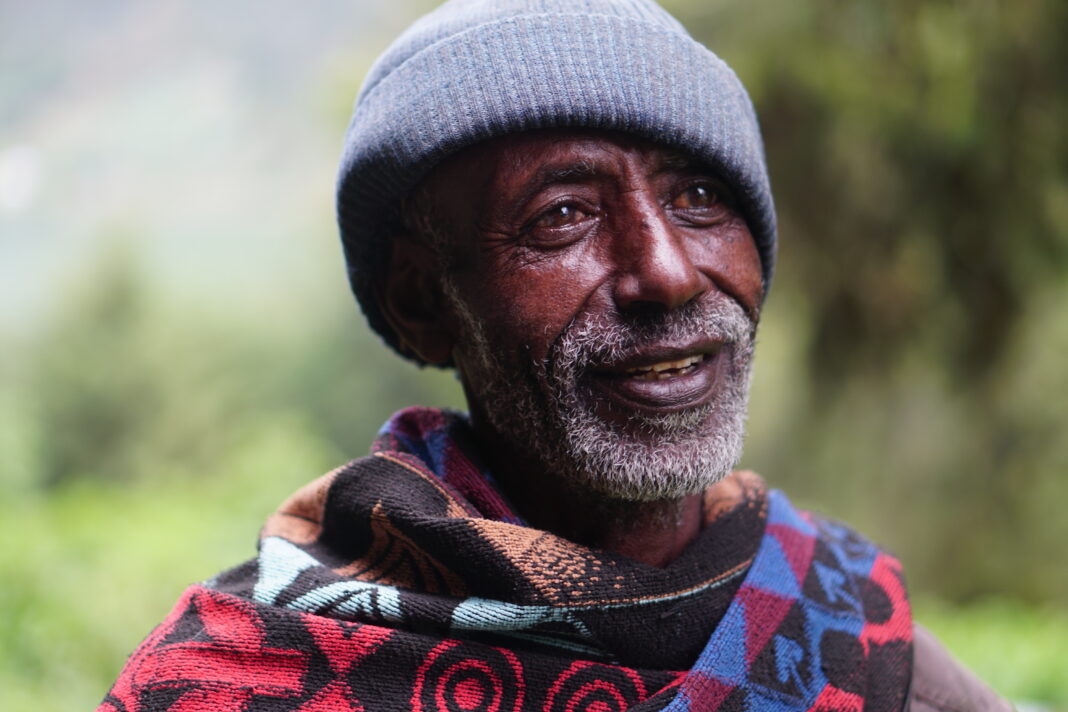
If you find yourself in Addis Ababa for a few days, first of all, find a guide and driver (you can message me, and I will connect you to mine); it’s recommended to go out of the city on day trips. There are a number of volcanic lakes to explore, and on two day trips we visited, there were no other foreign tourists on the lakes we explored. Our guide spoke English and was able to determine what roads were safe. He negotiated things we wanted to buy in the local currency and overall made our stay more than pleasant. Amanuel felt like family.
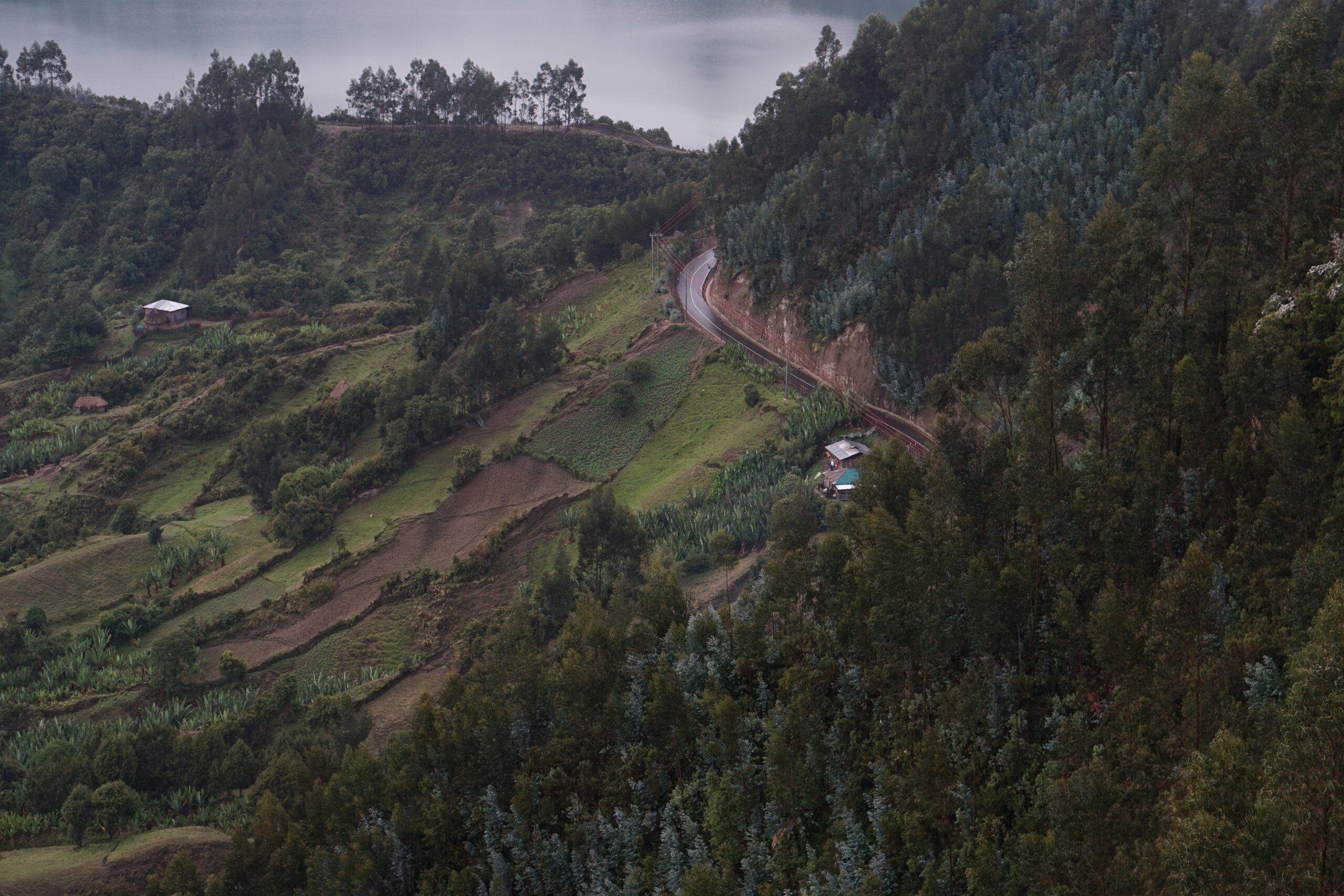
We chose Wenchi Lake, a nature reserve that includes a volcanic lake, Lake Wenchi, about 3,450 meters (11,320 ft) above sea level. We drove about 4 hours to get there. Could this be the actual spot that is known as the cradle of humanity? It looked like heaven.
The inactive volcano lake has islands and an ancient church from the 14th century, a popular tourist destination. We arrived during a downpour and were reluctant to get out, but the clouds cleared over. It was a bit of heaven, its scale enough to hold in your mind.
The hours we drove to get there passed through endless villages and dusty savannah, but Wenchi was its own heaven, home to about 90,000 people, all Christian. A local warden took us to an office, and we registered for the park.
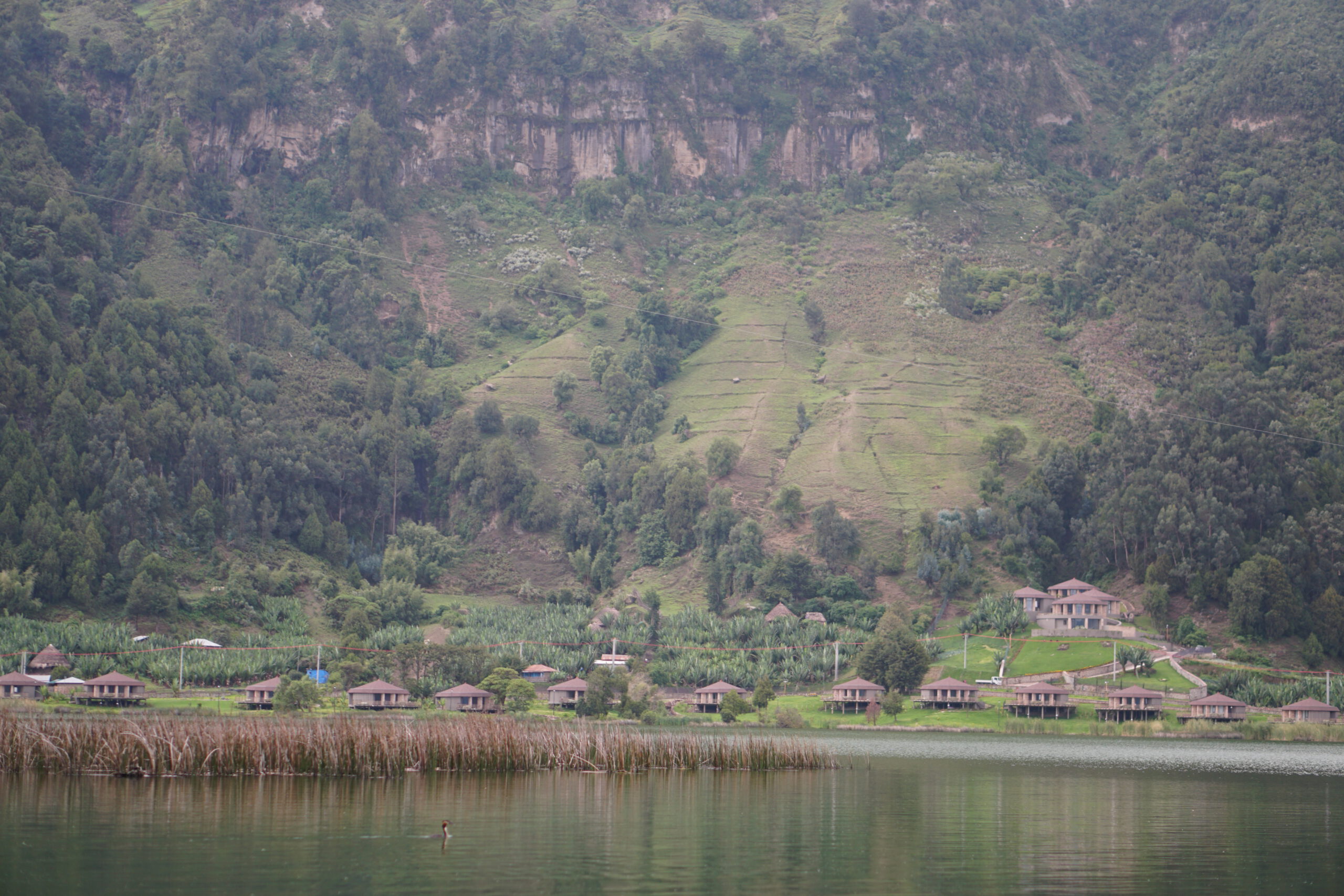
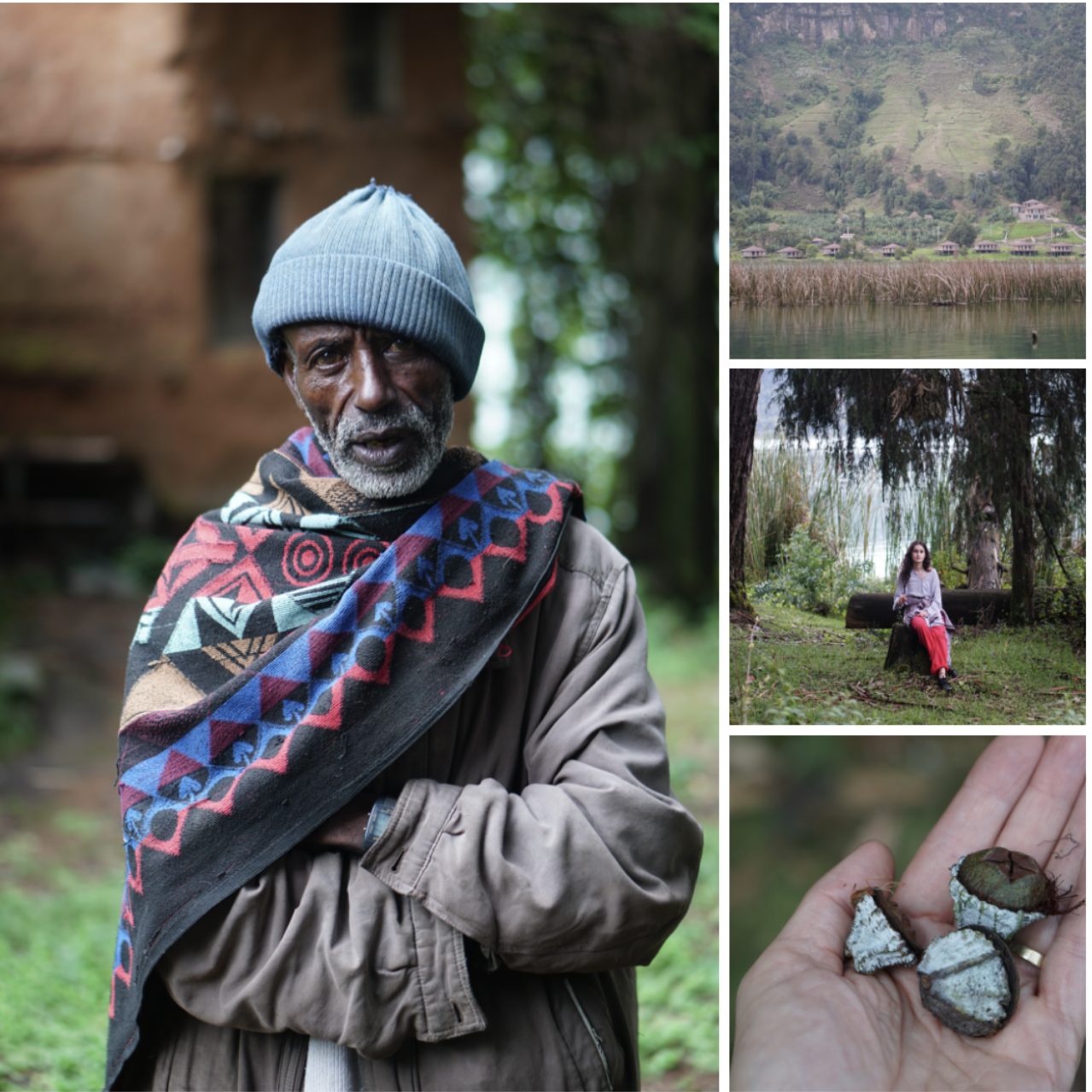
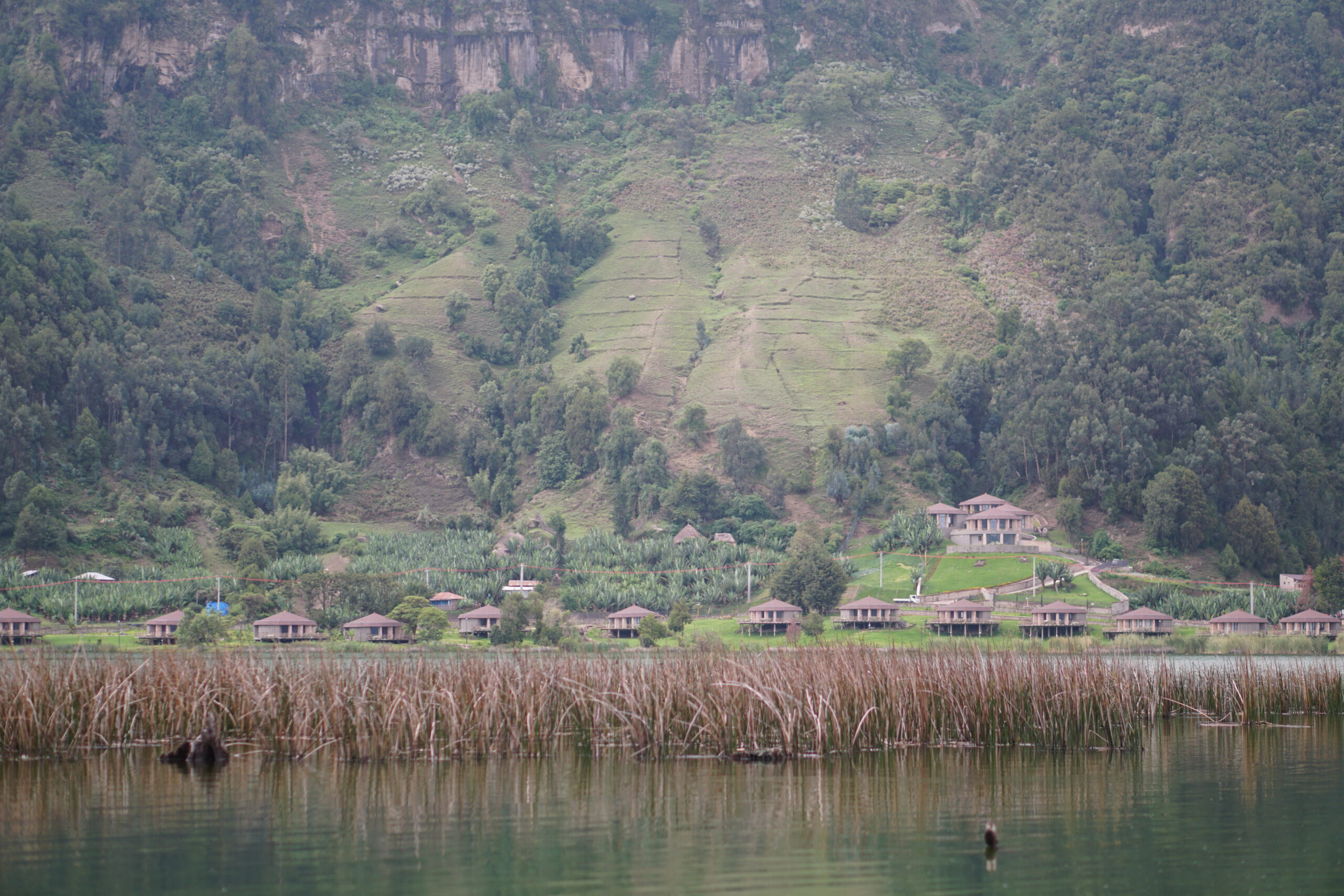
Noticeable from a lookout point overseeing the lake was a new so-called eco-resort, not yet operating, but built by Ethiopian Airlines. With so little developed for local people in Ethiopia, we wonder how the opening of this resort will affect local dynamics and its fragile ecosystem.
Warqee (also known as ensete) is by far the most important staple crop in the area, and our guide pointed out the “banana” like trees, of which they eat the seed, he explains.
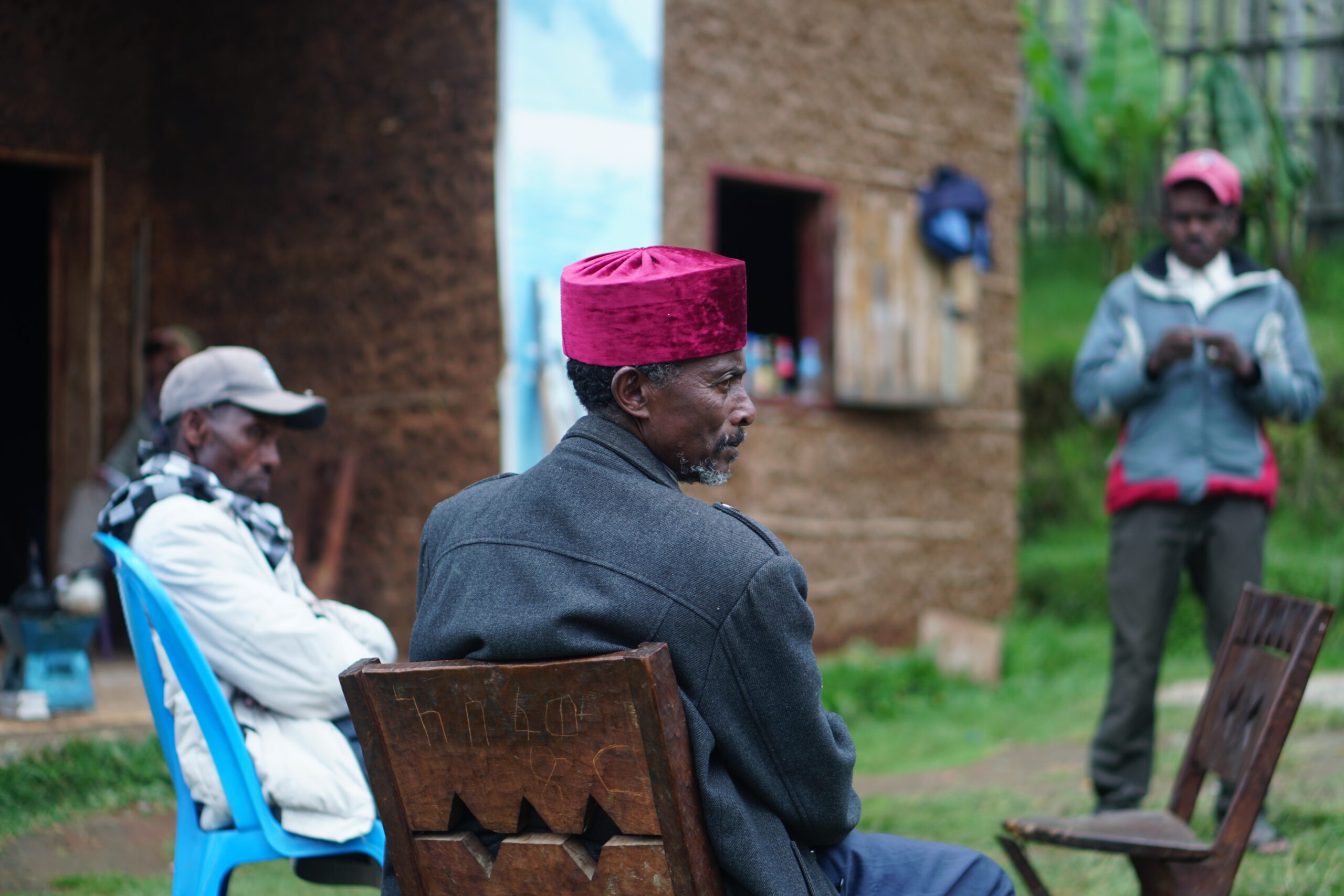
We drove down to the almost-open eco-resort being worked on by dozens of people, and where we were supposed to meet our horses to take us to the lake, but only one was available. We returned to the car for a new meeting point close to the lake.
I was reluctant to take the horses as the newly paved road and the horses’ hooves would mean it would be dangerous for the horse and its rider. The kids jumped on, and then my “guide”, a five-year-old kid, suggested I jump on his horse, and he gently escorted me and my horse down the lake.
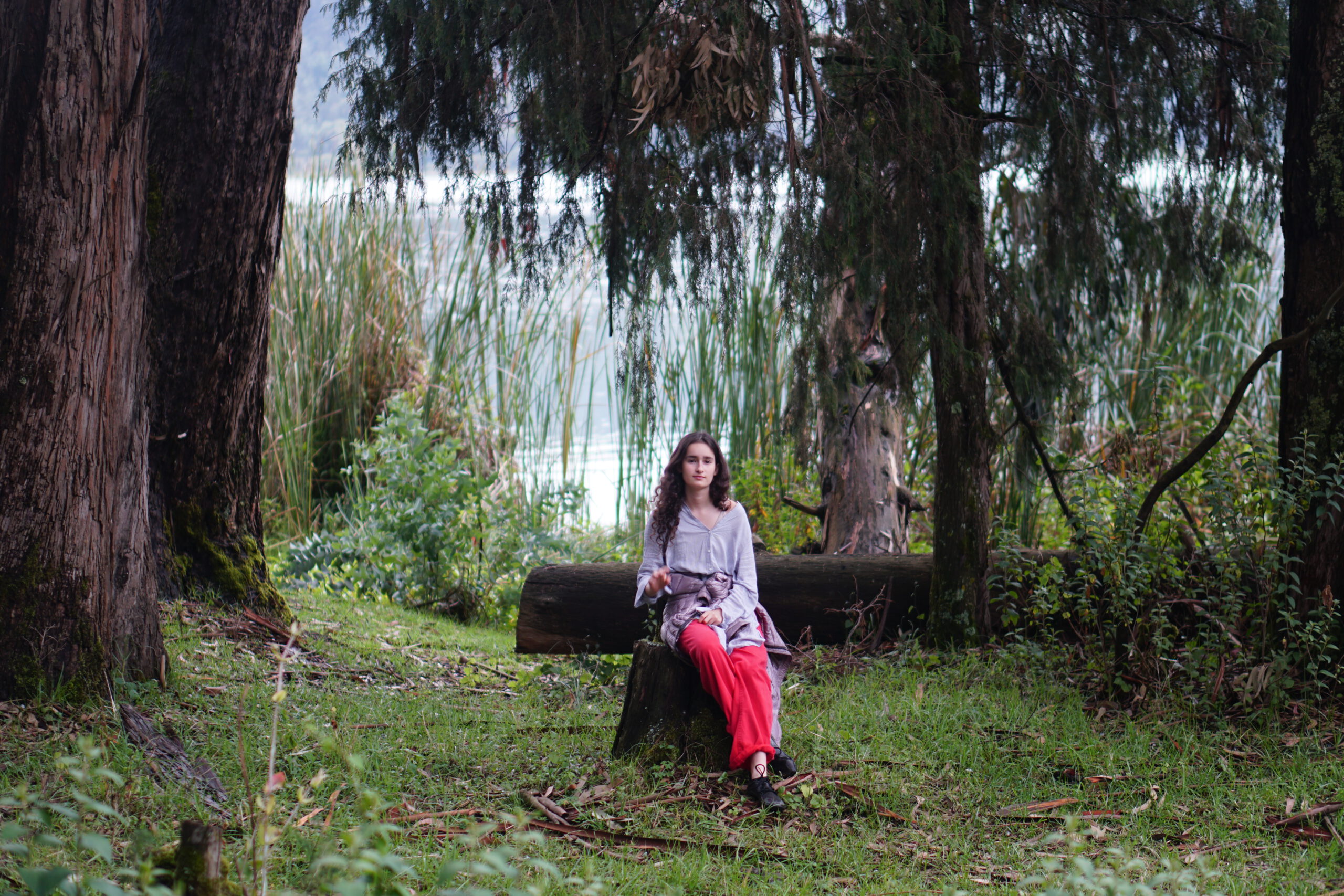
Some locals were swimming in the lake, and luckily for us, we weren’t tempted. Schistosomiasis, also known as bilharzia, is a disease caused by parasitic worms and is common in Ethiopia. But I’d only read about that later when we returned home.
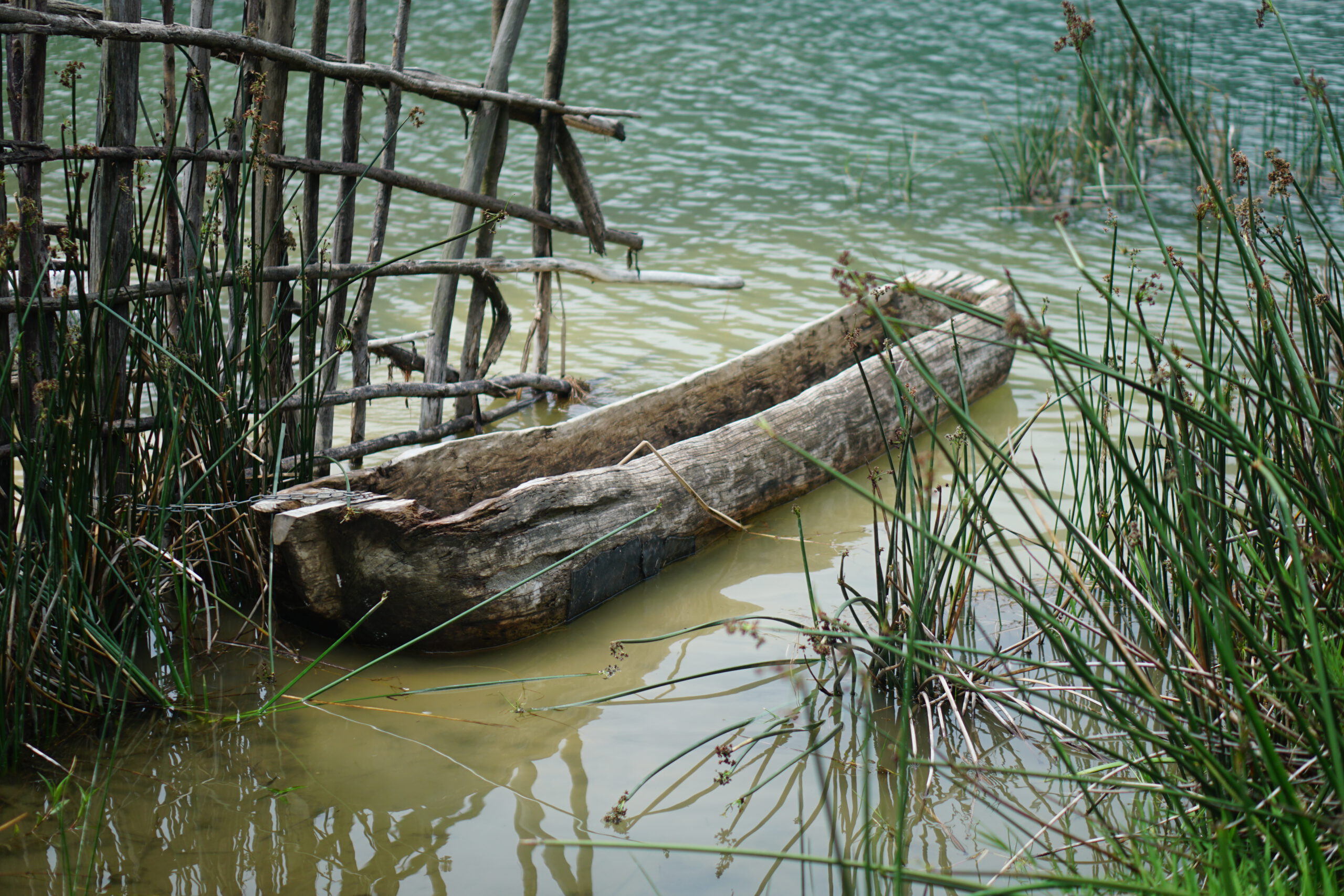
But we weren’t thinking about these things as we were rowed to the quiet island where we met a monk who has been there for 14 years, guarding the church and a small temple that is supposed to symbolize Bethlehem.
The boat we took was paddled to the island by 4 local men from the village of Wenchi.
Our guide Amanuel told us of the first Ethiopian horror movie he saw as a young man featuring the white building on the island. I wanted to go over and peek in.
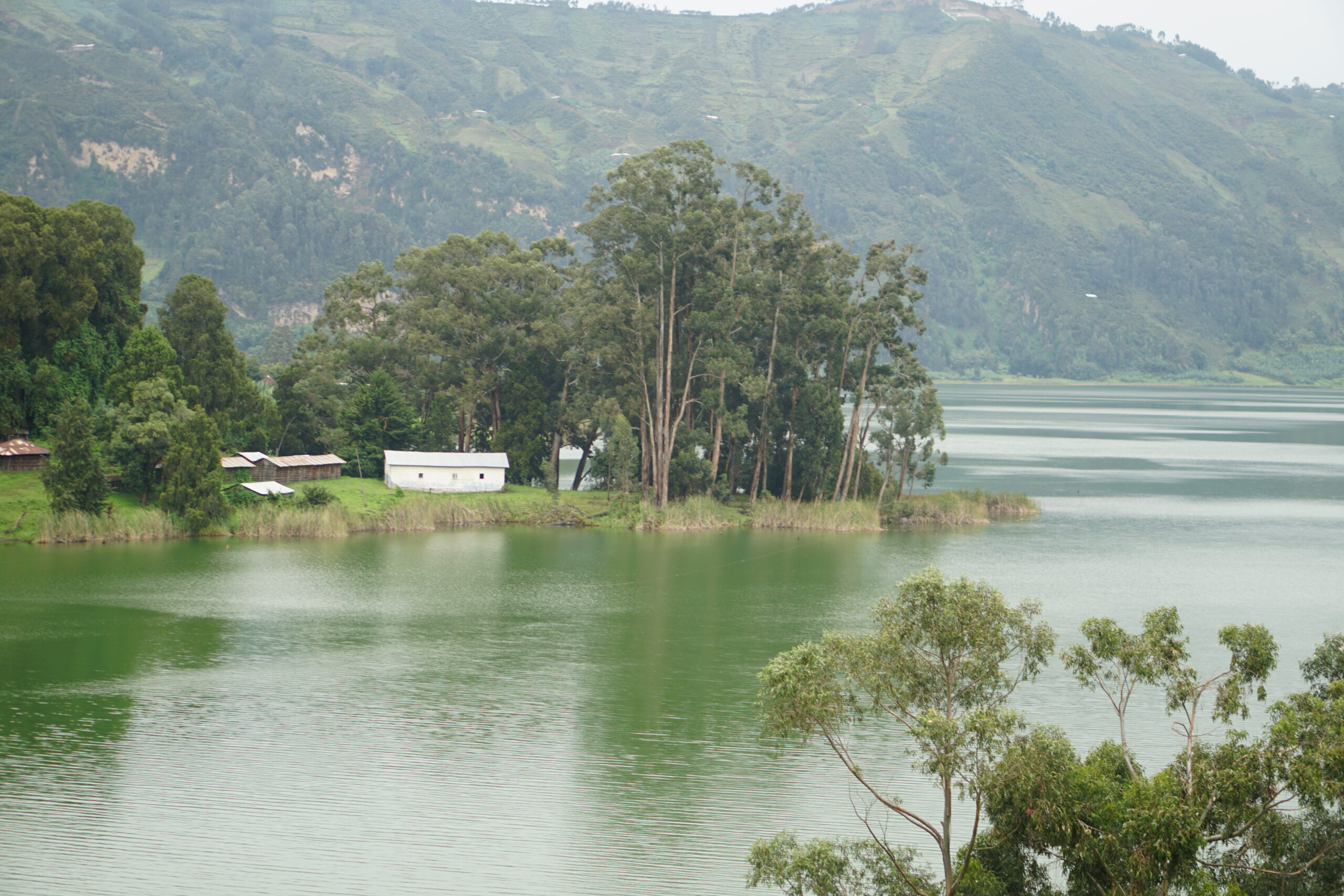
Wenchi in this 2006 Amharic horror film:
He told us about the priests who planted trees on the island hundreds of years ago and how locals come for school trips and festivals and enjoy the island. I collected some large seeds from a type of eucalyptus tree I haven’t seen before.
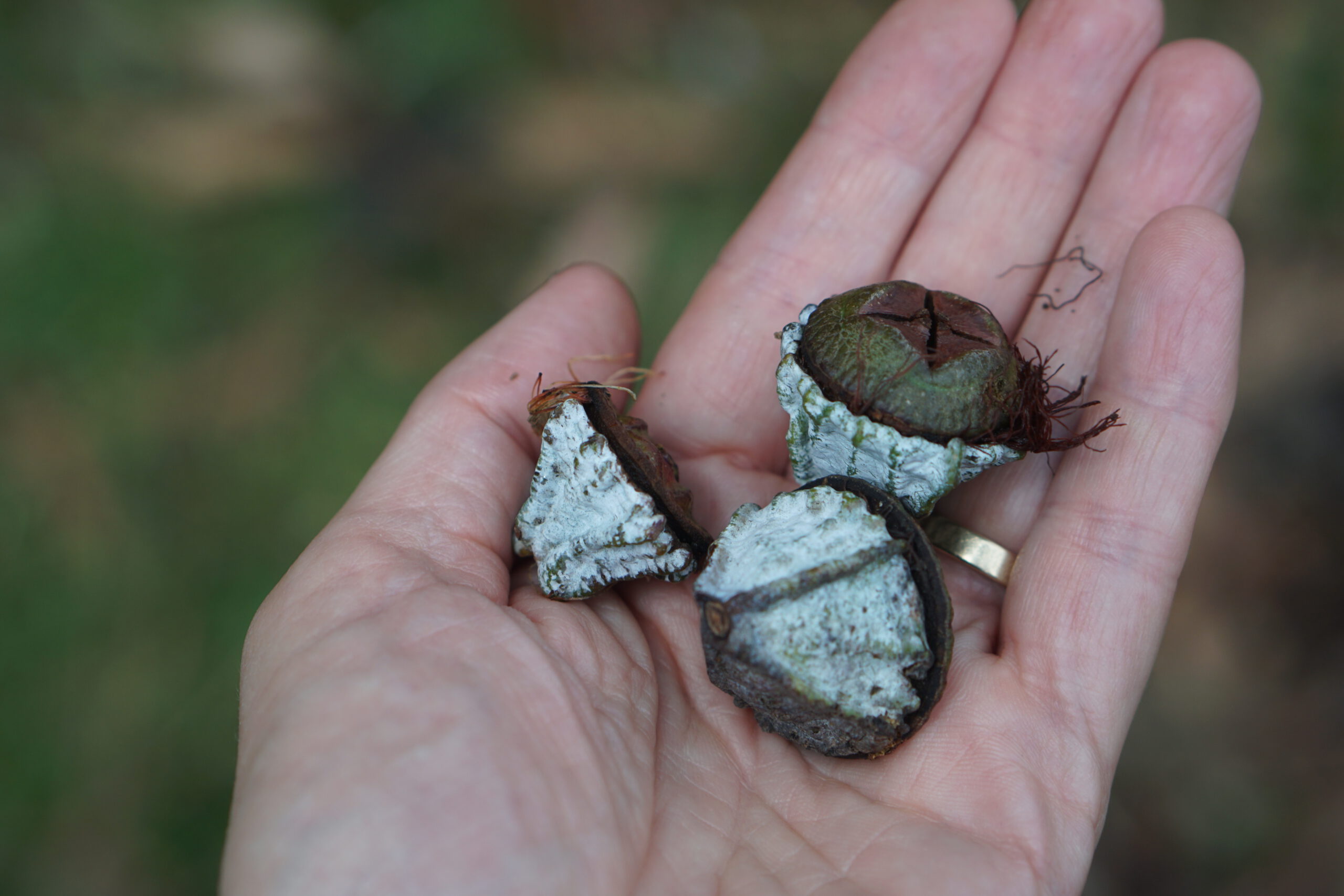
We walked quietly around the island, feeling the nature of the place. Our boatmen then took us around the island, and we returned to a mud house serving as a cafe and community center. A party had started with young people listening to music, drinking beer, the Muslim friends sipping on Fanta. Two-thirds of Ethiopia is Christian, the other third Muslim.
While we noticed no tensions between the two groups during our time there, if you read the news, flare-ups are not uncommon. Our guide checked the news regularly to make sure our roads were safe.
Wenchi is a great idea for a family day trip in Ethiopia. The locals all smiled at us as we drove and walked around, although there was some fighting over who was going to take us back up the mountain on the horses.
There is no consensus on who gets to work with locals when they arrive, and the local young men seem troubled that others got work and they didn’t.
I expressed to our guide that once the resort is open, the fighting over tourism might become worse. He said that he spoke with them about creating a system for each guide and that the elders already decided against motorized boats on the lake. We spoke about plastics, noise, and what happens when too many people are on the lake. What’s great about this “heaven” is that there aren’t many people.
Read Related: Ethiopian dam on the Nile to destroy Egypt’s agriculture
Going to visit Ethiopia for a few days was humbling and exciting. We’d arrived from Japan, one of the richest countries on earth, to Ethiopia –– one of the poorest. When it comes to happiness, I can’t say for sure, but the Ethiopians smiled a lot more,
Ethiopia, the only African country to have escaped European colonialism, has retained much of its authentic, ancient cultural identity and is considered by many to be the cradle of humanity: Lucy was one of the first hominin fossils found in Ethiopia. Ethiopia is also considered one of the earliest sites of the emergence of anatomically modern humans, Homo sapiens.
If we acknowledge this, the world should do a better job of supporting Ethiopia in developing itself in industry, agriculture and tourism. China is an obvious partner in Ethiopia for its own reasons. We’d like to see more involvement from democratic nations helping the good people of Ethiopia, a landlocked country, develop its future.
Consider the intricate interdependence between Egypt and Ethiopia, where Egypt’s economic stability hinges significantly on developments in Ethiopia. Ethiopia serves as the primary source of water and sediment for the Nile, contributing 90% of the water flow and 96% of transported sediment, notably through the Blue Nile and other tributaries like the Tekezé and Atbarah. Ethiopia’s ambitious plan to intermittently dam the Nile for power generation purposes adds a layer of complexity to the situation.
The longstanding dispute over the Grand Ethiopian Renaissance Dam (GERD) on the Blue Nile has spanned twelve years, creating a volatile situation. Any decision by Ethiopia to disrupt the Nile’s flow to Egypt could quickly escalate tensions. Positioned just 19 miles (30 km) from Sudan’s border, GERD stands as Africa’s most extensive hydroelectric dam endeavor, stretching over a mile in length and reaching a height of 145 meters.
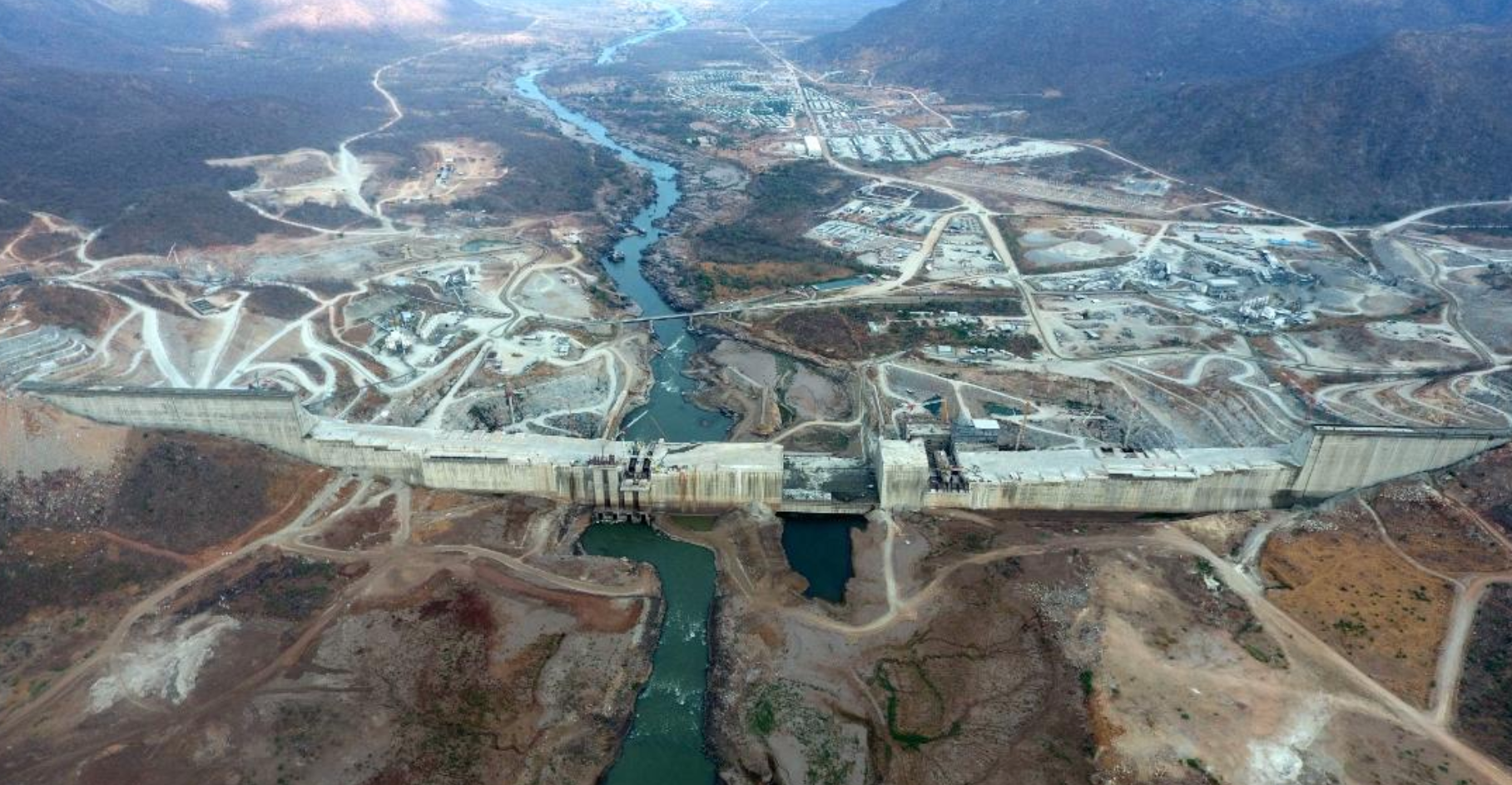
Ethiopia’s motivation behind GERD lies in its aspiration to provide electricity to the 60% of its population currently devoid of access. The project aims to potentially double Ethiopia’s electricity production, offering a reliable power supply to businesses and fostering developmental growth. Yet, the project’s implications extend far beyond Ethiopia’s borders, impacting neighboring countries like Egypt and Sudan and sparking concerns about water security and regional stability.