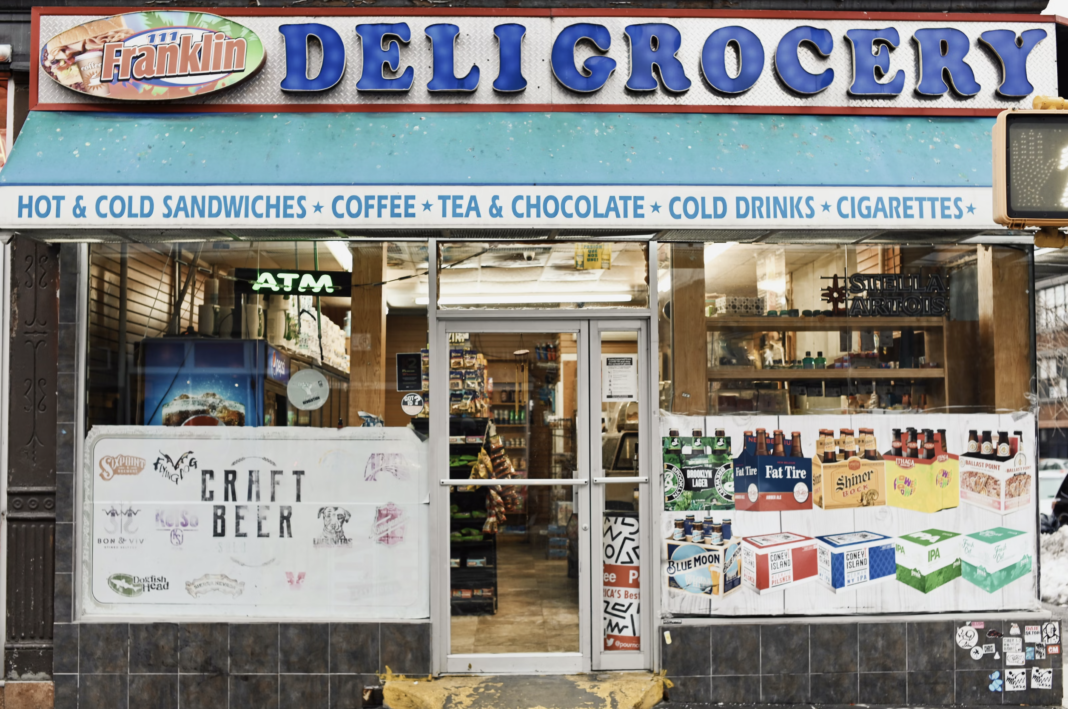

What is a food desert?
A food desert is where there is limited to no access to affordable, fresh, and nutritious food. In these regions, the availability of grocery stores, supermarkets, and other sources of healthy food options is scarce. Instead, residents often rely on convenience stores or fast-food outlets that offer mainly processed and unhealthy food choices.
Characteristics of a food desert include:
- Limited Access to healthy food
- Low-Income Population
- Lack of Fresh Produce
- Health Impacts
- Food Security Concerns
- Socioeconomic Factors
Two in five people cannot afford healthy food. Over 3.1 billion people, 42% of the global population, could not afford a nutritious diet in 2021, nearly half of the world’s population. The cost of a healthy diet has risen by almost 7% compared to pre-pandemic levels.
Low-income households are facing a difficult situation because they would need to spend more than twice their current food budget to afford a healthy diet, as reported.
Food insecurity is a growing challenge for the Middle East and North Africa (MENA). Before the Covid-19 pandemic, UN agencies found that more than 55 million people out of a total population of 456.7 million were experiencing undernourishment. In 2020, MENA accounted for 20% of the world’s acutely food-insecure population, disproportionately high compared to its 6% share of the global population.
The region faces significant structural challenges in feeding its growing population. The first major challenge is climate change, with extreme weather and rising temperatures affecting local agriculture. Half of the MENA population already lives under water stress and with a projected population increase to nearly 700 million by 2050, per capita. Additionally, the region experienced a severe desert locust outbreak in 2020, impacting livelihoods and food security for millions.
The second challenge is the rapid population growth, which is the highest worldwide, coupled with the expansion of urban areas. Agricultural productivity is struggling to keep up with the population increase, except in Egypt, where productivity gains are above the global average.
The third challenge relates to diet and nutrition. The region heavily relies on food imports, mainly wheat and staple grains. MENA imports around half of its food, rising to 90% in Gulf Cooperation Countries. Many people’s caloric intake comes from wheat products subsidized by governments. Additionally, between a quarter and one-third of the adult population in the region is obese.
The current food system needs to nourish people’s health adequately. While it provides calories, it lacks sufficient nutrition. As a result, many individuals face the dual challenges of malnutrition, experiencing both stunting and obesity.
In Yemen, almost half of the children are underweight for their age. In Djibouti, one-third suffer from the same condition, causing long-term effects on their cognitive development and can impact the economic progress of their nations.
How to address food deserts?
- Reducing the heavy reliance on food imports to combat fluctuating food prices.
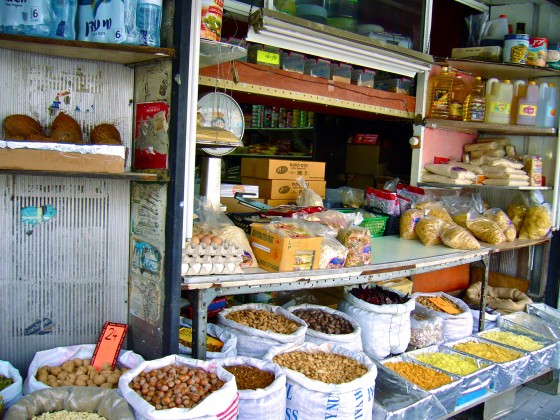
- Support local food markets, small businesses and healthy existing traditional food culture
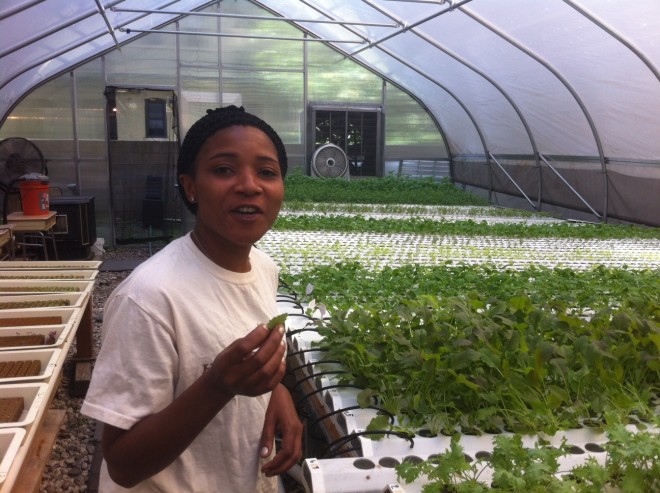
- Invest in agricultural practices and technologies that adapt to climate change, such as hydroponics, conservation agriculture, and safe water usage.
- Digital technology and innovative financial models can attract private investment in agriculture and hydroponics.
- Development interventions that support farmers in adopting more productive and sustainable systems resilient to climate-related risks like droughts and floods.
- Improving agricultural job quality and making the agri-food sector more attractive
- Implementing initiatives like entrepreneurship training and climate-smart practices
- Implementing social protection measures such as safety nets and targeted food aid programs
- Improve the efficiency of food imports and storage.
- Show the world that grandma’s cooking is smart and healthy