 There’s a new business afloat that links people to people for the purpose of sharing authentic local dining experiences. I found EatWith.com a month too late for this summer’s vacation, but there’s always next time.
I’m fresh back from a few weeks in Europe, a family reunion through Paris and Venice and Rome that doubled as a Tour de Overeating. Our literal pig-out on sausage, pancetta, soppressata, and prosciutto was a vacation from the fabulous food in my adopted Amman, Jordan hometown, but those holiday restaurant menus started to blur.
Next trip, wouldn’t it be great to drop the chowing down a notch? Veer away from other tourists, enjoy local food with the locals?
Entrepreneur Guy Michlin had a similar thought, which he acted on by creating a foodie version of Airbnb: it’s a winning recipe. Michlin is co-founder and CEO of EatWith.com, an internet marketplace offering alternative food-sharing around the world – in people’s homes. (Michlin graduated from Hebrew University, topped that off with an Stanford MBA, and the man knows food.)
Story goes that a home-cooked meal he ate while vacationing in Crete inspired the former lawyer to ditch his job at one of Israel’s leading solar energy companies and devise a system to allow users to replicate his magical travel meal anywhere in the world.
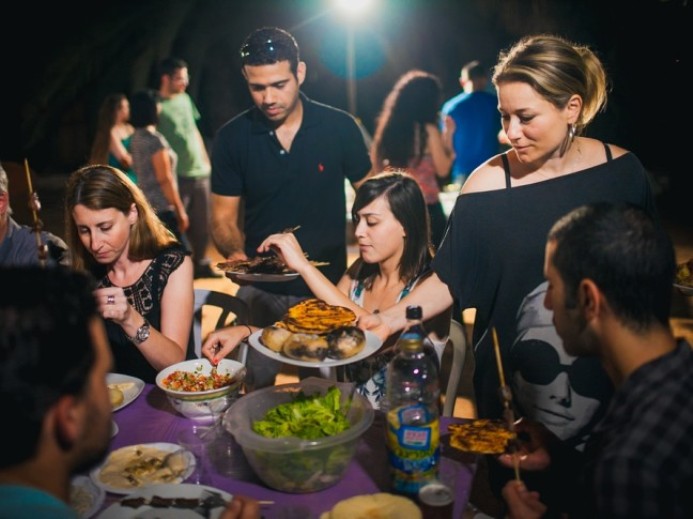
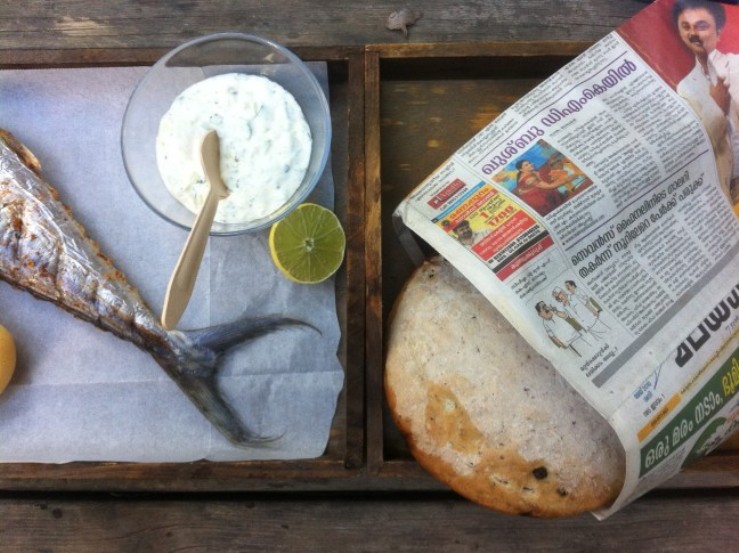 So far, Israel is the only participating Middle Eastern country. Click on David if you want to book a Tel Aviv-style Shabbat dinner, or check out Vita and Jet for a scrumptious vegan feast in Kfar Vradim. Email Esther in Beit Arif whose husband (both pictured in the lead photo above) will whip up recipes handed down from his Yemenite mama, served up in their backyard tent (image below).
You can also dine on homemade paella from a backyard grill in Toledo, Spain or a BYOB Thai-Brazilian feast in a Sao Paolo flat. (We’ll be seeing cooks in Bethlehem and Jerash and Beirut on board soon.)
 Launched last year, EatWith offers users two options:
1) Host your own pop-up restaurant by preparing your favorite dishes, served up in your home with a side of your cultural perspective. In the process, meet interesting people and earn some extra income.
2) Move a bit out of your traditional dining comfort zone and sign up as a guest. Taste new foods and local lifestyles for fair prices, and – again – meet new people.
“Most tourists don’t get a chance to meet the locals except maybe the taxi driver, or the waiter in the restaurant,” Michlin told TechCrunch, “but EatWith aims to change this.”
Michlin started with meal offerings in Tel Aviv and Barcelona. He added New York City and quickly expanded across the Americas and Europe. He’s received host applications from more than 80 countries. To ensure guest safety, the company employs a strict host vetting process and holds a $1 million insurance plan should something go wrong.
Hosts set the prices (EatWith takes 15%) and define the menu and scope of any entertainment (visits to local markets, musical performances, guest speakers and cooking workshops). A few offer to come to your home as visiting chef.
Each host page includes useful information describing the host’s style and experience, number of guests allowed, and event duration. Locations are mapped and venue amenities listed (disabled access, kid-friendliness, pets on premises, smoking policy, parking and access to mass transit).
So far, EatWith reports that the majority of guests are actually local to the hosts. So maybe the Airbnb analogy is not the best fit. EatWith may be a more tasteful regression from Facebook, social networking the old fashioned way.
Now, would someone pass the bread?
All images from EatWith


 Green Prophet loves composting, the DIY alchemy of diverting waste from landfills and converting it to nutrient-rich soil. But what if your kitchen doesn’t generate enough scraps to feed the process? Turns out there are loads of non-food ingredients to add to the mix.