Home Kits to Capture the Sun from Roofs of Private Homes
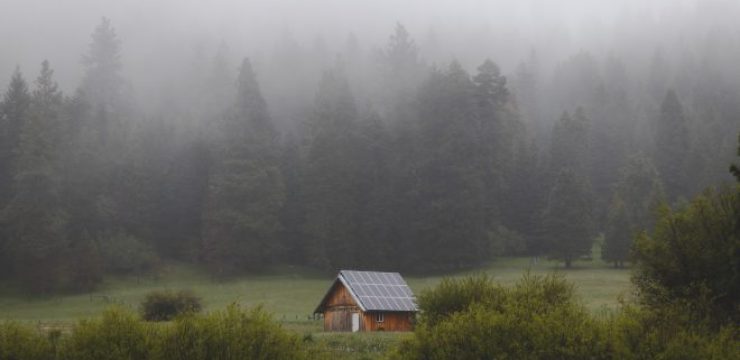
Complete kits are now available for installing home solar energy systems


The House of Saud lived in a palace made from mud
Vernacular architecture, often seen in older homes around the world, represents a style of construction deeply rooted in the local environment and culture. Unlike architect-designed structures, vernacular buildings emerge from the resourcefulness of local builders, utilizing available materials and traditional knowledge to create functional, distinctive homes.
So, what exactly is vernacular architecture, and how has it evolved over time? Let’s delve into the practical aspects of this architectural style, with a focus on some examples from around the world.
Vernacular architecture is characterized by its simplicity and region-specific nature. It relies on local materials and craftsmanship, typically without the involvement of professional architects. Instead of adhering to rigid rules or pursuing aesthetic ideals, vernacular builders prioritize practicality and effectiveness, often using affordable, locally sourced materials.
Vernacular architecture traces its origins back to the earliest days of human settlement when people constructed basic shelters to meet their needs. In fact, some historians argue that most buildings erected before the mid-17th century could be considered vernacular, as they were not overseen by formal architects but crafted by local tradespeople using locally acquired skills.
The term ‘vernacular’ gained traction in the 19th century as colonialists encountered various building techniques in different parts of the world. Some architects of that era viewed these structures as quaint and unsophisticated compared to their own designs.
Over time, the term ‘vernacular architecture’ broadened its scope to encompass a wide range of architectural styles found not only abroad but also in Europe and the United States. In 1964, Bernard Rudofsky played a pivotal role in shedding light on these overlooked building traditions through an exhibition.
Vernacular architecture stands apart from other architectural styles due to its practical and context-driven nature. Some distinguishing features include:

This is vernacular architecture from the late 1880s in Northern Ontario, Commanda Region. Settlers obtained free land and bought a blueprint. No architect was involved in building the structure.
In contemporary times, constructing a truly authentic vernacular home can be challenging, given the prevalence of architect-led designs. However, you can still incorporate vernacular-inspired elements into your dwelling. Let’s explore some common examples from the United States and Canada:
Vernacular architecture may not always command attention for its architectural innovation, but it holds a significant place in the history of construction. These homes and structures are a testament to local ingenuity, sustainability, and a deep connection to the community. Exploring vernacular architecture offers valuable insights into the practicality and adaptability of traditional building styles.
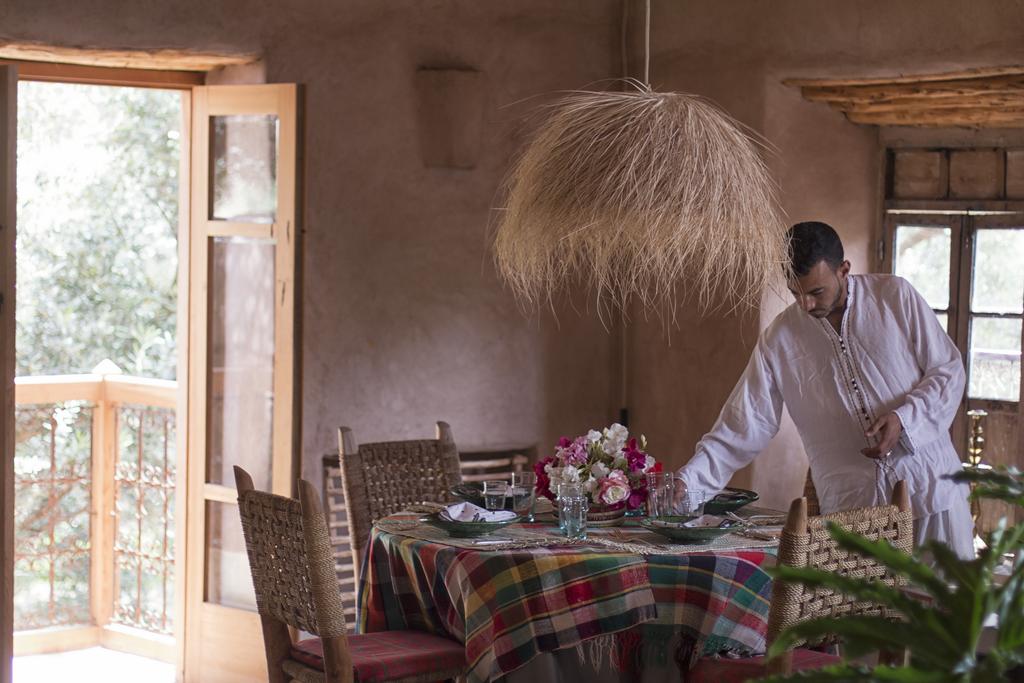
Inside a Berber home

Yemen’s Manhattan of the desert, vernacular architecture from the Middle East
In our era of towering skyscrapers in the United Arab Emirates, steel frames, and hard to insulate glass facades, it’s easy to overlook the humble wisdom embedded in vernacular architecture. Yet as advocates for sustainable living and building we believe that the vernacular approach to building deserves a place of prominence in our modern construction landscape.
The vernacular approach, rooted in local traditions and resourcefulness, offers a path towards sustainability that is often overshadowed by sleek, architect-driven designs. Here’s why sustainable architects should rekindle our appreciation for this time-tested approach:
As we confront the pressing challenges of climate change and peak sand, it’s time to reconsider the virtues of vernacular architecture. In a world where sustainability is no longer a choice but a necessity, we must draw inspiration from the past to build a more sustainable future. By incorporating the wisdom of vernacular building practices into our modern construction methods, we can forge a path towards a more harmonious and responsible coexistence with our planet. It’s not a step backward; it’s a leap forward toward a sustainable, resilient, and culturally rich future.
Complete kits are now available for installing home solar energy systems

Pictured on the far left, the Green Sheikh took a break from his environmental activism to support breast cancer awareness at a polo event in the United Arab Emirates. We have been warned that the earth has reached a dangerous borderline. Here I’ll give you my personal opinions about the environment, in order to hopefully […]

Pauline Masurel reviews a collection of literary and science fiction stories by world renowned authors that imagine the affects of climate change. Bill McKibben was arrested in August this year while protesting against TransCanada’s proposed plans to build a pipeline that would carry oil from the Alberta tar sands to Texas. McKibben has written: “This […]

High birth rates coupled with domestic subsidies have resulted in soaring energy demand. Now Saudi Arabia has turned to nukes to keep it all going. Bucking a trend globally of abandoning or reversing plans for more nuclear power in reaction to the Fukushima disaster, Saudi Arabia is now hunting for a site to build its […]

While most experts say it is hard to know what is really going on with Saudi oil supplies, “What we do know is that, for whatever reason, Saudi Arabia produced 600,000 fewer barrels each day in 2010 than it did in 2005, and with growing Saudi consumption of their own oil, the drop in exports from […]
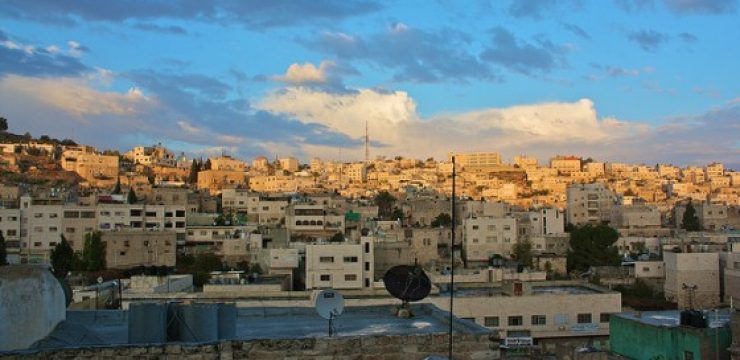
A solar plant, which is the sole source of electricity for a village in Hebron, has received demolition orders from the Israeli Civil Administration Mneizel is a Palestinian village located in Hebron in the West Bank. In 2009, the 400 residents living there were lucky enough to be the recipients of a project funded by […]
Desertec is a $500 billion solar project to catch Middle East and Africa sun. Tafline is currently at the Desertec Dii conference in Cairo, reporting from the field. Above is Dii’s CEO Paul van Son addressing the Dii conference Just two years ago, Desertec was merely a pin prick of an idea conceived to tap […]
With inconsistent messages to investors and the public, Israel to create a national plan for renewable energy. Even as Israel’s cabinet approved a national action plan for the promotion of clean technology growth, Israel’s government is also considering slashing incentives for mid-sized solar photovoltaic (PV) power plants due to fiscal constraints. The inconsistent policies represent […]

Voluntary funding to support nature and ancient cities is thinned even more as Canada cuts its funding to UNESCO. If existing members don’t cough up about $70 million USD, trees like this one in Yemen could be under threat. Palestine is neither a country nor a state, but Palestinian people living in the West Bank […]