Yemeni Communities Working Together To Save Water
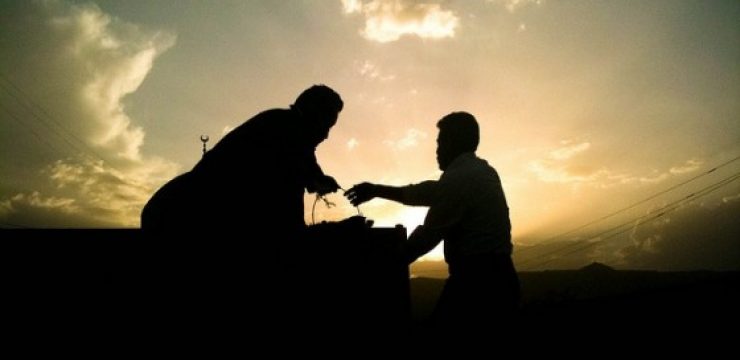
Yemen may be water poor but the country has a rich heritage of managing scare water resources effectively through community co-operation


The House of Saud lived in a palace made from mud
Vernacular architecture, often seen in older homes around the world, represents a style of construction deeply rooted in the local environment and culture. Unlike architect-designed structures, vernacular buildings emerge from the resourcefulness of local builders, utilizing available materials and traditional knowledge to create functional, distinctive homes.
So, what exactly is vernacular architecture, and how has it evolved over time? Let’s delve into the practical aspects of this architectural style, with a focus on some examples from around the world.
Vernacular architecture is characterized by its simplicity and region-specific nature. It relies on local materials and craftsmanship, typically without the involvement of professional architects. Instead of adhering to rigid rules or pursuing aesthetic ideals, vernacular builders prioritize practicality and effectiveness, often using affordable, locally sourced materials.
Vernacular architecture traces its origins back to the earliest days of human settlement when people constructed basic shelters to meet their needs. In fact, some historians argue that most buildings erected before the mid-17th century could be considered vernacular, as they were not overseen by formal architects but crafted by local tradespeople using locally acquired skills.
The term ‘vernacular’ gained traction in the 19th century as colonialists encountered various building techniques in different parts of the world. Some architects of that era viewed these structures as quaint and unsophisticated compared to their own designs.
Over time, the term ‘vernacular architecture’ broadened its scope to encompass a wide range of architectural styles found not only abroad but also in Europe and the United States. In 1964, Bernard Rudofsky played a pivotal role in shedding light on these overlooked building traditions through an exhibition.
Vernacular architecture stands apart from other architectural styles due to its practical and context-driven nature. Some distinguishing features include:

This is vernacular architecture from the late 1880s in Northern Ontario, Commanda Region. Settlers obtained free land and bought a blueprint. No architect was involved in building the structure.
In contemporary times, constructing a truly authentic vernacular home can be challenging, given the prevalence of architect-led designs. However, you can still incorporate vernacular-inspired elements into your dwelling. Let’s explore some common examples from the United States and Canada:
Vernacular architecture may not always command attention for its architectural innovation, but it holds a significant place in the history of construction. These homes and structures are a testament to local ingenuity, sustainability, and a deep connection to the community. Exploring vernacular architecture offers valuable insights into the practicality and adaptability of traditional building styles.
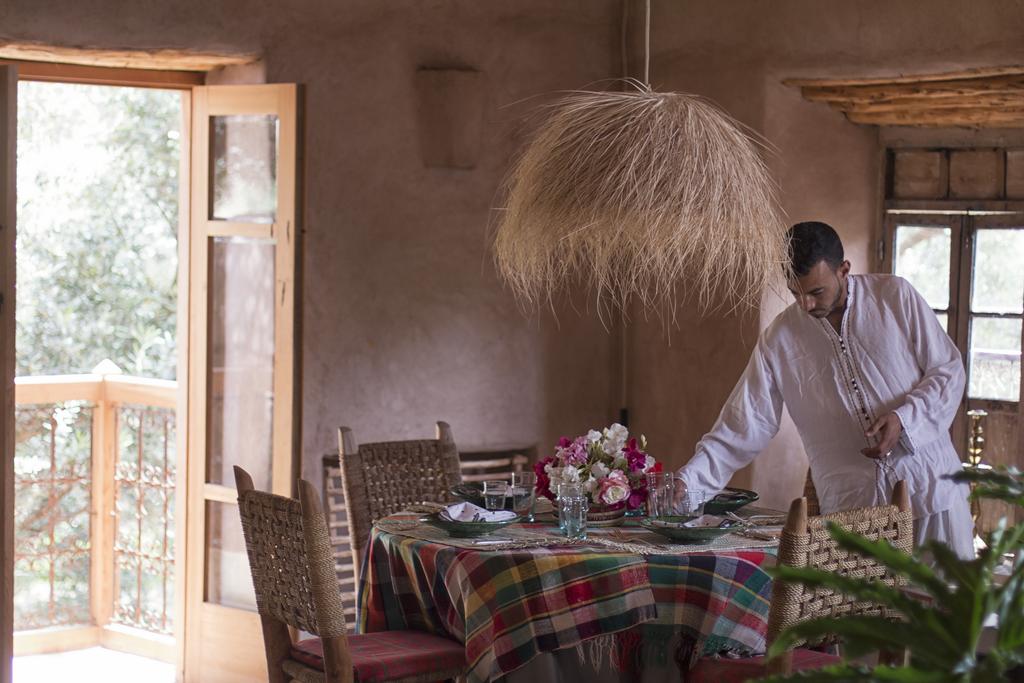
Inside a Berber home

Yemen’s Manhattan of the desert, vernacular architecture from the Middle East
In our era of towering skyscrapers in the United Arab Emirates, steel frames, and hard to insulate glass facades, it’s easy to overlook the humble wisdom embedded in vernacular architecture. Yet as advocates for sustainable living and building we believe that the vernacular approach to building deserves a place of prominence in our modern construction landscape.
The vernacular approach, rooted in local traditions and resourcefulness, offers a path towards sustainability that is often overshadowed by sleek, architect-driven designs. Here’s why sustainable architects should rekindle our appreciation for this time-tested approach:
As we confront the pressing challenges of climate change and peak sand, it’s time to reconsider the virtues of vernacular architecture. In a world where sustainability is no longer a choice but a necessity, we must draw inspiration from the past to build a more sustainable future. By incorporating the wisdom of vernacular building practices into our modern construction methods, we can forge a path towards a more harmonious and responsible coexistence with our planet. It’s not a step backward; it’s a leap forward toward a sustainable, resilient, and culturally rich future.
Yemen may be water poor but the country has a rich heritage of managing scare water resources effectively through community co-operation
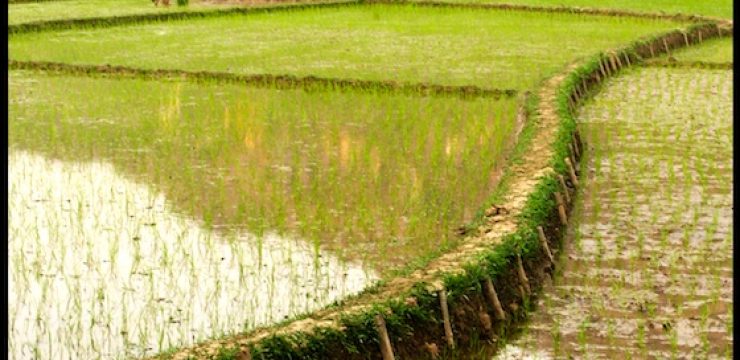
Food grows where water flows, so these shortages don't bode well for agriculture. Because of this, many countries in the region are gulping up land in other parts of the world, Africa especially, in order to secure food for decades to come. But a new variety of rice developed in India that requires 60% less water to grow and has nearly double the protein of conventional crops has us cautiously optimistic about our future.

At least there is public transport in Dubai. Don’t get too comfy though. You’ll get fined for falling asleep. We’ve all heard stories of a friend of a friend who was in some remote country: the friend did something perfectly normal in his home country, like walk on the grass, only to be fined by […]
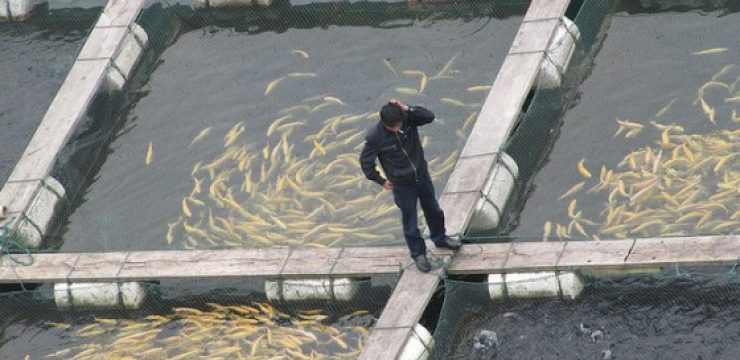
Aquaculture, especially in ponds, may help preserve ocean fish species Catching wild fish in the sea is now threatening to deplete many fish species from the world’s seas and oceans, including illegal tuna fishing in the Mediterranean Sea. With world population figures now topping 7 billion, an increasing demand is being made for fresh fish […]
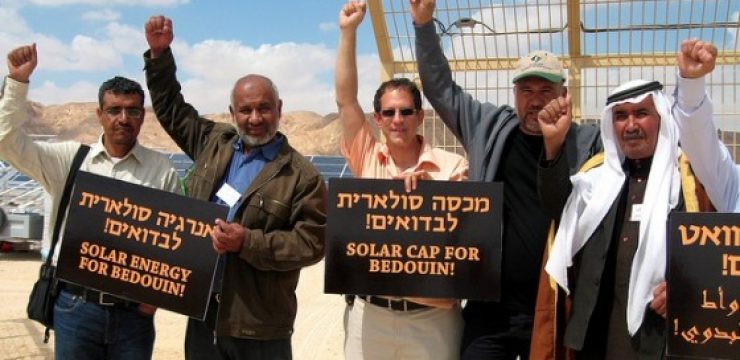
Arava Power in Israel is fighting so Bedouin get a fair share of feed-in tariffs in Israel. Backed by Siemens Arava stands to benefit too. “Sixty percent of the country happens to be desert, and 30 percent of the [desert] inhabitants happen to be Bedouin,” says Yosef Abramowitz, president of Arava Power Company in Israel. […]
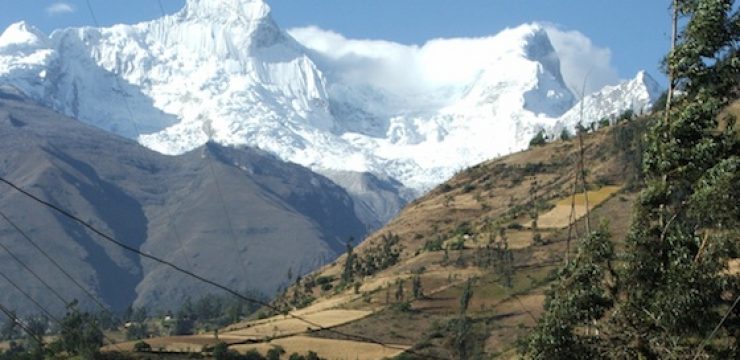
Israel Corporation subsidiary Inkia Energy has signed an engineering procurement contract for the construction of a huge 510 MW hydro-electric project in Peru. Its Cerro del Águila Hydroelectric Power Plant will be located in the province of Tayacaja. Peru is a country that already gets 48% of its electricity from hydropower, which depends on water at elevation for its operation. Peru's Energy and Mines Ministry, Pedro Sanchez said in a press release that the project is one of three hydroelectric plants it was seeking tenders for building and operating, that will require a combined investment of $1.7 billion.

If your tap gushes water laced with fluoride, you’re taking a powerful drug with every sip. Imagine a stranger pressing you to drink a clear liquid with no special odor, color, or taste. “Just drink, it’s good for you,” he insists. What would you do? Refuse it, probably. And if the stranger were to become […]
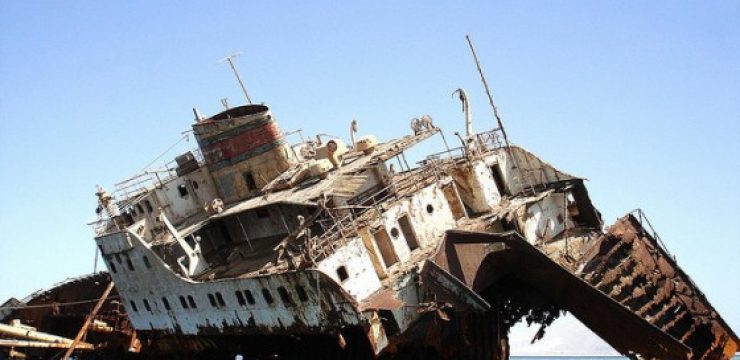
Environmentalists raise concerns after another vessel is abandoned in the Gulf of Aqaba Around two weeks ago, a ferry carrying 1,230 passengers caught fire in the Gulf of Aqaba en route to the Egyptian port of Nuweibeh. Despite three days of work to put out the fire, the ship named ‘Pella’ began to take on […]

Is the eco-friendly food movement getting even more complicated, or are ecotarians simplifying matters? The green movement is riddled with a lot of food ideologies. When it comes to food, there are a lot of environmental issues to consider: locavores protest the pollution stemming from the transport of food from far away, vegetarians (and vegawarians) […]