Nader Khalili Built Earth Buildings Fit for Space
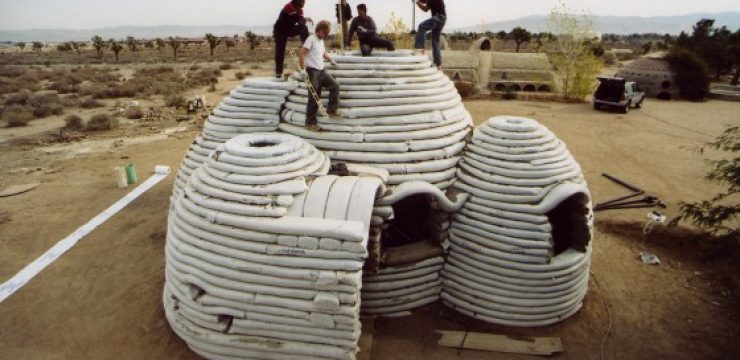
If Hassan Fathy is the father of sustainable architecture, then Nader Khalili must be his close cousin.


The House of Saud lived in a palace made from mud
Vernacular architecture, often seen in older homes around the world, represents a style of construction deeply rooted in the local environment and culture. Unlike architect-designed structures, vernacular buildings emerge from the resourcefulness of local builders, utilizing available materials and traditional knowledge to create functional, distinctive homes.
So, what exactly is vernacular architecture, and how has it evolved over time? Let’s delve into the practical aspects of this architectural style, with a focus on some examples from around the world.
Vernacular architecture is characterized by its simplicity and region-specific nature. It relies on local materials and craftsmanship, typically without the involvement of professional architects. Instead of adhering to rigid rules or pursuing aesthetic ideals, vernacular builders prioritize practicality and effectiveness, often using affordable, locally sourced materials.
Vernacular architecture traces its origins back to the earliest days of human settlement when people constructed basic shelters to meet their needs. In fact, some historians argue that most buildings erected before the mid-17th century could be considered vernacular, as they were not overseen by formal architects but crafted by local tradespeople using locally acquired skills.
The term ‘vernacular’ gained traction in the 19th century as colonialists encountered various building techniques in different parts of the world. Some architects of that era viewed these structures as quaint and unsophisticated compared to their own designs.
Over time, the term ‘vernacular architecture’ broadened its scope to encompass a wide range of architectural styles found not only abroad but also in Europe and the United States. In 1964, Bernard Rudofsky played a pivotal role in shedding light on these overlooked building traditions through an exhibition.
Vernacular architecture stands apart from other architectural styles due to its practical and context-driven nature. Some distinguishing features include:

This is vernacular architecture from the late 1880s in Northern Ontario, Commanda Region. Settlers obtained free land and bought a blueprint. No architect was involved in building the structure.
In contemporary times, constructing a truly authentic vernacular home can be challenging, given the prevalence of architect-led designs. However, you can still incorporate vernacular-inspired elements into your dwelling. Let’s explore some common examples from the United States and Canada:
Vernacular architecture may not always command attention for its architectural innovation, but it holds a significant place in the history of construction. These homes and structures are a testament to local ingenuity, sustainability, and a deep connection to the community. Exploring vernacular architecture offers valuable insights into the practicality and adaptability of traditional building styles.
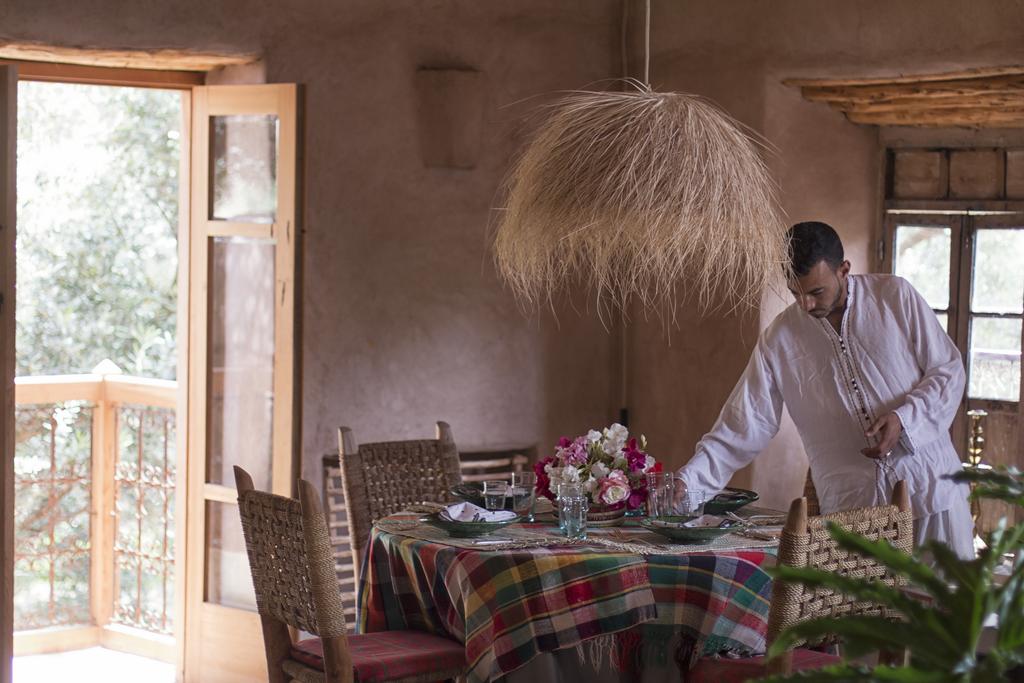
Inside a Berber home

Yemen’s Manhattan of the desert, vernacular architecture from the Middle East
In our era of towering skyscrapers in the United Arab Emirates, steel frames, and hard to insulate glass facades, it’s easy to overlook the humble wisdom embedded in vernacular architecture. Yet as advocates for sustainable living and building we believe that the vernacular approach to building deserves a place of prominence in our modern construction landscape.
The vernacular approach, rooted in local traditions and resourcefulness, offers a path towards sustainability that is often overshadowed by sleek, architect-driven designs. Here’s why sustainable architects should rekindle our appreciation for this time-tested approach:
As we confront the pressing challenges of climate change and peak sand, it’s time to reconsider the virtues of vernacular architecture. In a world where sustainability is no longer a choice but a necessity, we must draw inspiration from the past to build a more sustainable future. By incorporating the wisdom of vernacular building practices into our modern construction methods, we can forge a path towards a more harmonious and responsible coexistence with our planet. It’s not a step backward; it’s a leap forward toward a sustainable, resilient, and culturally rich future.
If Hassan Fathy is the father of sustainable architecture, then Nader Khalili must be his close cousin.

Step in for this wonderful list of 12 easy ways to green your 2012. image via maliny The folks over at Nourishing the Planet have come up with a stellar list of simple steps that every person can take to green their lives. Although it is written with an American audience in mind, each of […]

Avoid food waste – eat your peels, roots and vegetable “waste” like pea pods, onion skins and cauliflower leaves. Want another reason to feel virtuous? Alright – remind yourself that your local landfill isn’t one tiny bit fuller because you cooked. But let’s not dwell on smelly, pollution-charged landfills when we’re contemplating dinner. Let’s look […]

So-called eco-friendly, ceramic utensils may contain toxic metals like arsenic, an Israeli journalist investigates. It’s in the colors, so also be wary of color-coated knives! We buy them at health food stores because the ceramic coated pans are supposedly safer than teflon, and good for the planet. A new investigative report by an Israeli consumer […]
Followers of Islam perform the Al Istisqaa prayer on occasions of drought. United Arab Emirates AE President Sheikh Khalifa Bin Zayed Al Nahyan is urging residents to pray for rain this Friday: There is a popular story listed on WikiIslam as “Allah, rain there, not here!” It chronicles a time when livestock were dying and […]

An ingenious technology installed in 20 countries around the world has enormous potential not only to regenerate ailing coral reefs but improve their resilience as well! Coral reefs throughout the world are in dire straits, which bodes badly for the world’s marine ecosystems. But a proven technology that has been floating around for two decades […]
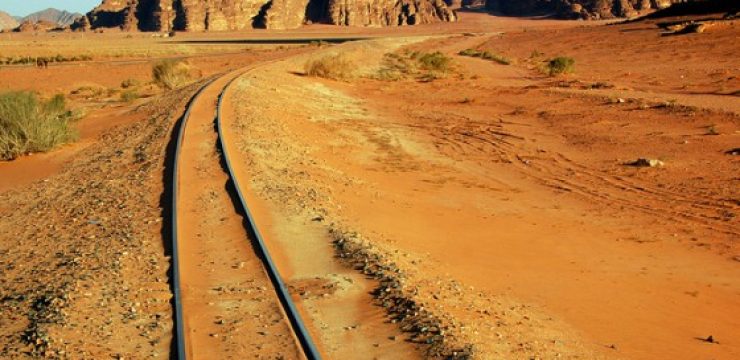
Plans to expand the railway network in Jordan have been given the go-ahead after an assessment that it will cost JD2.8 million Seriously excited to hear that plans to expand the rail network in Jordan have been approved. According to news reports, the Amman-Zarqa light railway project has been announced by the transport minister who […]

Increasingly smoggy skies are in store for Turkey if it follows the energy paths predicted. A mostly dismal list of 2012 predictions that recently appeared in the Eurasia Review, courtesy of Haluk Direskeneli, an energy analyst, consultant, and member of the Chamber of Mechanical Engineers in Ankara, Turkey’s capital city. Low investor interest in alternate fuels and […]

2011 was a big year for the Middle East – not only politically but also environmentally. Step in to see 10 of our most popular stories. Much has been said about the great political upheavals that swept through the Middle East in 2011 – some for good and some for nought – but less attention […]