Can goats predict earthquakes? Dogs a volcano about to blow? Scientists say yes

Can a goat predict an earthquake? This scientist thinks so.


The House of Saud lived in a palace made from mud
Vernacular architecture, often seen in older homes around the world, represents a style of construction deeply rooted in the local environment and culture. Unlike architect-designed structures, vernacular buildings emerge from the resourcefulness of local builders, utilizing available materials and traditional knowledge to create functional, distinctive homes.
So, what exactly is vernacular architecture, and how has it evolved over time? Let’s delve into the practical aspects of this architectural style, with a focus on some examples from around the world.
Vernacular architecture is characterized by its simplicity and region-specific nature. It relies on local materials and craftsmanship, typically without the involvement of professional architects. Instead of adhering to rigid rules or pursuing aesthetic ideals, vernacular builders prioritize practicality and effectiveness, often using affordable, locally sourced materials.
Vernacular architecture traces its origins back to the earliest days of human settlement when people constructed basic shelters to meet their needs. In fact, some historians argue that most buildings erected before the mid-17th century could be considered vernacular, as they were not overseen by formal architects but crafted by local tradespeople using locally acquired skills.
The term ‘vernacular’ gained traction in the 19th century as colonialists encountered various building techniques in different parts of the world. Some architects of that era viewed these structures as quaint and unsophisticated compared to their own designs.
Over time, the term ‘vernacular architecture’ broadened its scope to encompass a wide range of architectural styles found not only abroad but also in Europe and the United States. In 1964, Bernard Rudofsky played a pivotal role in shedding light on these overlooked building traditions through an exhibition.
Vernacular architecture stands apart from other architectural styles due to its practical and context-driven nature. Some distinguishing features include:

This is vernacular architecture from the late 1880s in Northern Ontario, Commanda Region. Settlers obtained free land and bought a blueprint. No architect was involved in building the structure.
In contemporary times, constructing a truly authentic vernacular home can be challenging, given the prevalence of architect-led designs. However, you can still incorporate vernacular-inspired elements into your dwelling. Let’s explore some common examples from the United States and Canada:
Vernacular architecture may not always command attention for its architectural innovation, but it holds a significant place in the history of construction. These homes and structures are a testament to local ingenuity, sustainability, and a deep connection to the community. Exploring vernacular architecture offers valuable insights into the practicality and adaptability of traditional building styles.
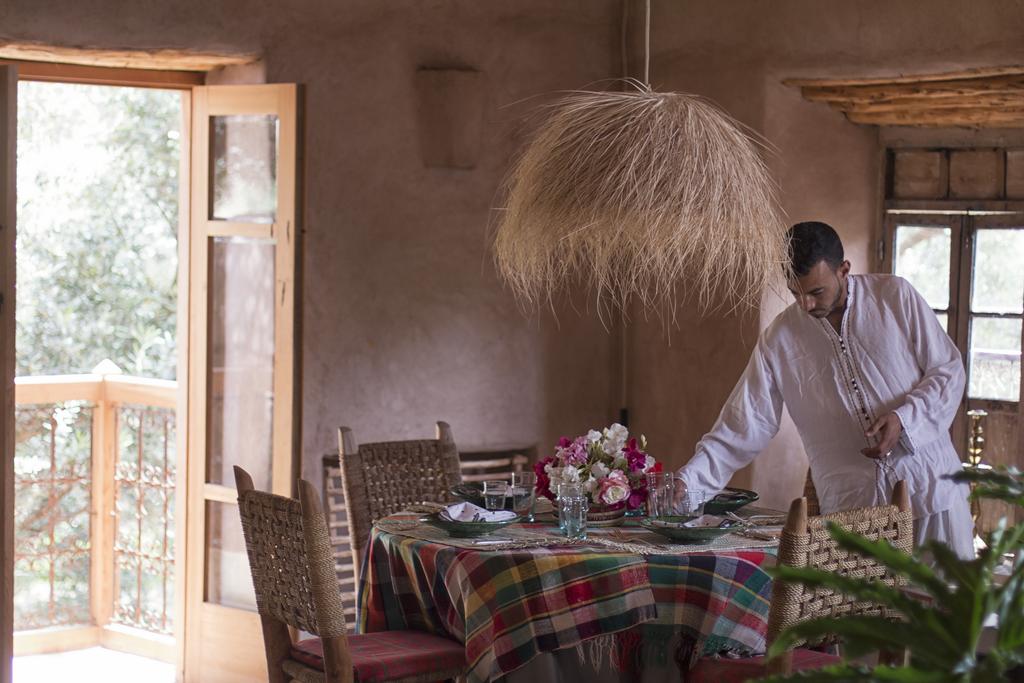
Inside a Berber home

Yemen’s Manhattan of the desert, vernacular architecture from the Middle East
In our era of towering skyscrapers in the United Arab Emirates, steel frames, and hard to insulate glass facades, it’s easy to overlook the humble wisdom embedded in vernacular architecture. Yet as advocates for sustainable living and building we believe that the vernacular approach to building deserves a place of prominence in our modern construction landscape.
The vernacular approach, rooted in local traditions and resourcefulness, offers a path towards sustainability that is often overshadowed by sleek, architect-driven designs. Here’s why sustainable architects should rekindle our appreciation for this time-tested approach:
As we confront the pressing challenges of climate change and peak sand, it’s time to reconsider the virtues of vernacular architecture. In a world where sustainability is no longer a choice but a necessity, we must draw inspiration from the past to build a more sustainable future. By incorporating the wisdom of vernacular building practices into our modern construction methods, we can forge a path towards a more harmonious and responsible coexistence with our planet. It’s not a step backward; it’s a leap forward toward a sustainable, resilient, and culturally rich future.
Can a goat predict an earthquake? This scientist thinks so.

You could say so many things are for the birds. The latest is having children in old age. Jokes aside, scientists are happy to report that a a 74-year-old Laysan albatross with as many as 30 offspring is trying for another child. The bird with the Latin name Phoebastria immutabilis, and called ‘Wisdom’, nests on the […]

In Cork, Ireland you can rent a Christmas tree. Every year Christian families have the same question at Christmas? Should we buy a plastic Christmas tree and pack it up in the box every year, and use it for the next 15 years, or should we buy a real tree? Real trees are expensive and […]

As more time passes since the Egyptian dive yacht sunk on November 25, survivors are asking questions of how so many things could have gone wrong. From lack of batteries in the life vests, to leaking life rafts, to an unresponsive army. Why did it take more than 36 hours for those that couldn't escape the wreck to be rescued. Why was the rescue done by a private crew and not the Navy?

Israelis cross the line when the make hummus with chocolate. Lebanese want to the ceasefire called.

According to Jewish legend, in the first days of creation when water and land were separated, the world's first water, a spring gushed forth out of the center of Jerusalem. The water source is still accessible under the Western Wall, the original wall that surrounded the Jewish Holy Temple.

The UN COP events aren't only about climate change. There is a COP for the land and the meeting is happening now in Saudi Arabia.

Why dive boats in Egypt sink so often? Safety standards need to be checked.

A dive boat sank off the coast of Egypt last week. Several people have died, seven are still missing. Faulty construction and lax safety standards, accuse divers who have experience with the dive company.