How Muslim Families Use Breastfeeding to Make Adopted Babies Their Own

Even if you didn't give birth to the baby, you can still feed it to make it "yours" in Muslim communities. Here's how.


The House of Saud lived in a palace made from mud
Vernacular architecture, often seen in older homes around the world, represents a style of construction deeply rooted in the local environment and culture. Unlike architect-designed structures, vernacular buildings emerge from the resourcefulness of local builders, utilizing available materials and traditional knowledge to create functional, distinctive homes.
So, what exactly is vernacular architecture, and how has it evolved over time? Let’s delve into the practical aspects of this architectural style, with a focus on some examples from around the world.
Vernacular architecture is characterized by its simplicity and region-specific nature. It relies on local materials and craftsmanship, typically without the involvement of professional architects. Instead of adhering to rigid rules or pursuing aesthetic ideals, vernacular builders prioritize practicality and effectiveness, often using affordable, locally sourced materials.
Vernacular architecture traces its origins back to the earliest days of human settlement when people constructed basic shelters to meet their needs. In fact, some historians argue that most buildings erected before the mid-17th century could be considered vernacular, as they were not overseen by formal architects but crafted by local tradespeople using locally acquired skills.
The term ‘vernacular’ gained traction in the 19th century as colonialists encountered various building techniques in different parts of the world. Some architects of that era viewed these structures as quaint and unsophisticated compared to their own designs.
Over time, the term ‘vernacular architecture’ broadened its scope to encompass a wide range of architectural styles found not only abroad but also in Europe and the United States. In 1964, Bernard Rudofsky played a pivotal role in shedding light on these overlooked building traditions through an exhibition.
Vernacular architecture stands apart from other architectural styles due to its practical and context-driven nature. Some distinguishing features include:

This is vernacular architecture from the late 1880s in Northern Ontario, Commanda Region. Settlers obtained free land and bought a blueprint. No architect was involved in building the structure.
In contemporary times, constructing a truly authentic vernacular home can be challenging, given the prevalence of architect-led designs. However, you can still incorporate vernacular-inspired elements into your dwelling. Let’s explore some common examples from the United States and Canada:
Vernacular architecture may not always command attention for its architectural innovation, but it holds a significant place in the history of construction. These homes and structures are a testament to local ingenuity, sustainability, and a deep connection to the community. Exploring vernacular architecture offers valuable insights into the practicality and adaptability of traditional building styles.
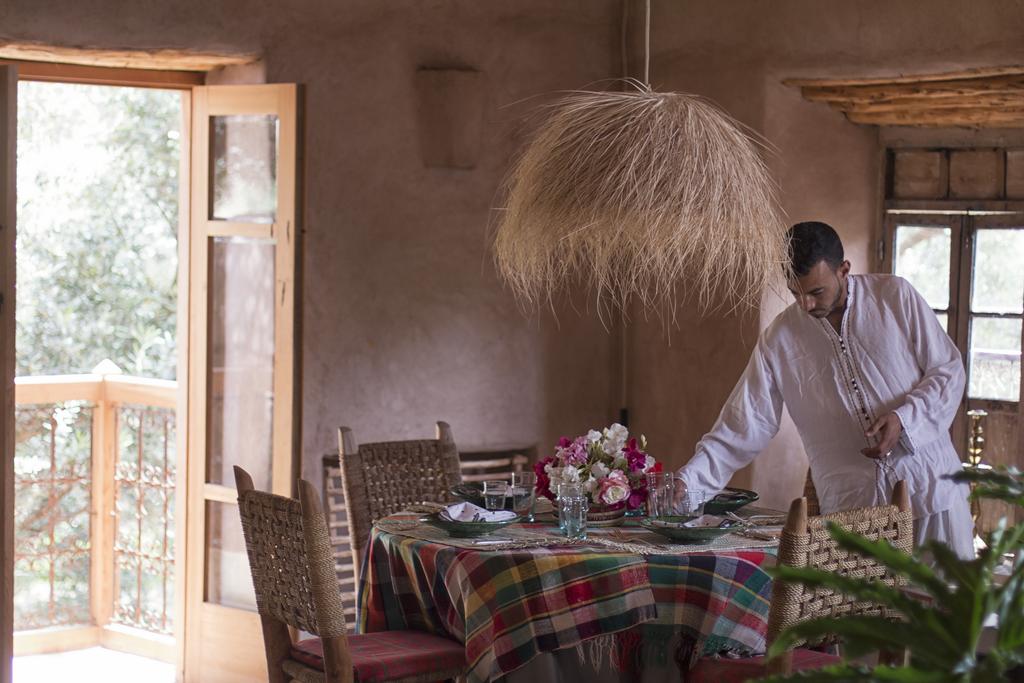
Inside a Berber home

Yemen’s Manhattan of the desert, vernacular architecture from the Middle East
In our era of towering skyscrapers in the United Arab Emirates, steel frames, and hard to insulate glass facades, it’s easy to overlook the humble wisdom embedded in vernacular architecture. Yet as advocates for sustainable living and building we believe that the vernacular approach to building deserves a place of prominence in our modern construction landscape.
The vernacular approach, rooted in local traditions and resourcefulness, offers a path towards sustainability that is often overshadowed by sleek, architect-driven designs. Here’s why sustainable architects should rekindle our appreciation for this time-tested approach:
As we confront the pressing challenges of climate change and peak sand, it’s time to reconsider the virtues of vernacular architecture. In a world where sustainability is no longer a choice but a necessity, we must draw inspiration from the past to build a more sustainable future. By incorporating the wisdom of vernacular building practices into our modern construction methods, we can forge a path towards a more harmonious and responsible coexistence with our planet. It’s not a step backward; it’s a leap forward toward a sustainable, resilient, and culturally rich future.
Even if you didn't give birth to the baby, you can still feed it to make it "yours" in Muslim communities. Here's how.
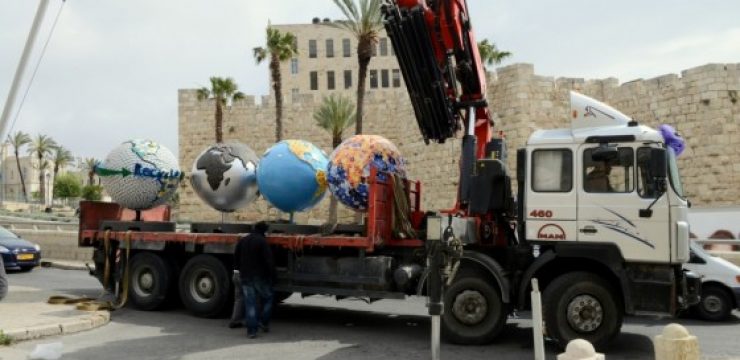
About a decade ago Israelis were much better at green washing and consumerism than caring for our planet through social green action. That’s all changed. The country has leaped into putting environmental awareness at the top of people’s concerns. This year there are dozens of events going on around the country to celebrate April 22, […]

There are many ways to fund terror, and one way is by consuming opium or heroin

Religious organisations are working with conservation groups to help end the consumer demand for products supplied by the illegal wildlife trade A major initiative linking religions and conservation groups in opposing the illegal wildlife trade, which is annihilating the world’s rare and endangered species, has been launched. Leaders of 34 religious traditions presented the Alliance […]

The world’s largest solar-powered ship has been out of commission for a while, but she’s back in business for her first 2013 Port of Call in Morocco. After leaving La Ciotat in France on 8 April, 2013, Planet Solar bobbed on the high seas for nine days. It was a challenging trip, according to Captain Gérard d’Aboville, […]
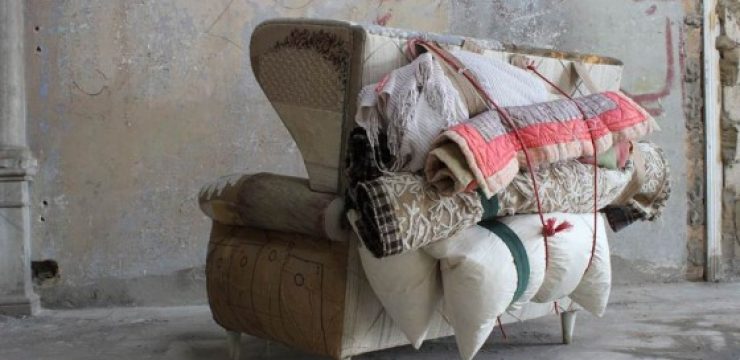
If we only listened to mainstream media, we would know Beirut as a city full of bullet holes, terrorists and Syrian refugees – all of which are unfortunate realities in the densely populated capital of Lebanon, which borders both Israel and Syria. But it is also home to some of the world’s most interesting artists, designers, […]
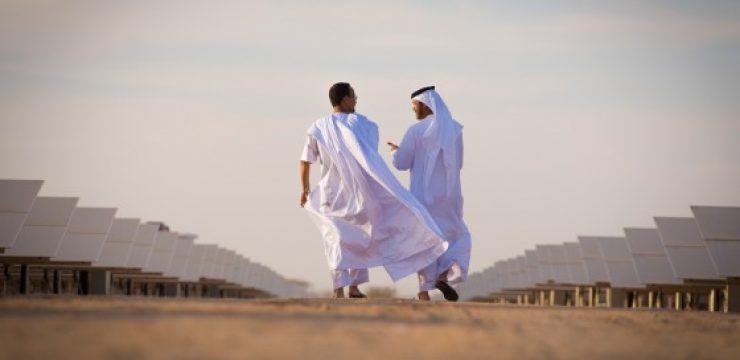
Situated even deeper in the desert than Morocco and prone to locust swarms, Mauritania’s topography consists of the “mostly barren, flat plains of the Sahara” – as the CIA puts it. They’ve got very little water and less than half of one percent of the country’s land is arable. But they’ve got sun and they’ve […]
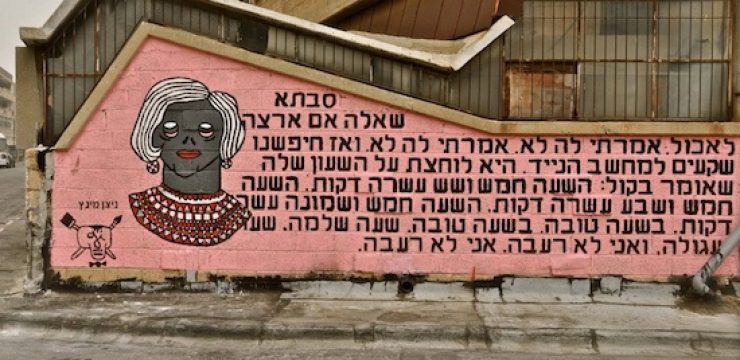
Israeli street artist Nitzan Mintz writes her poems on the streets of Tel Aviv, using disregarded materials she collects from dumpsters and public spaces. “I use only recycled materials in my art,” she said.

Today marks the first annual ‘Green Khutbah Day’ which also coincides with Earth Day 2013 Muslims have been asked to encourage their spiritual leaders, imams, to devote this Friday Khutbah or sermon (19th April 2013) to celebrate the blessings, graces and beauty of all of Allah’s creation. Muaz Nasir from Khaleafa who is leading the effort […]