How green is your abaya?

Designers from around the world will parade their latest collections in Abu Dhabi’s first-ever Eco Fashion Show, a five-day event featuring couture-with-a-conscience this April.


The House of Saud lived in a palace made from mud
Vernacular architecture, often seen in older homes around the world, represents a style of construction deeply rooted in the local environment and culture. Unlike architect-designed structures, vernacular buildings emerge from the resourcefulness of local builders, utilizing available materials and traditional knowledge to create functional, distinctive homes.
So, what exactly is vernacular architecture, and how has it evolved over time? Let’s delve into the practical aspects of this architectural style, with a focus on some examples from around the world.
Vernacular architecture is characterized by its simplicity and region-specific nature. It relies on local materials and craftsmanship, typically without the involvement of professional architects. Instead of adhering to rigid rules or pursuing aesthetic ideals, vernacular builders prioritize practicality and effectiveness, often using affordable, locally sourced materials.
Vernacular architecture traces its origins back to the earliest days of human settlement when people constructed basic shelters to meet their needs. In fact, some historians argue that most buildings erected before the mid-17th century could be considered vernacular, as they were not overseen by formal architects but crafted by local tradespeople using locally acquired skills.
The term ‘vernacular’ gained traction in the 19th century as colonialists encountered various building techniques in different parts of the world. Some architects of that era viewed these structures as quaint and unsophisticated compared to their own designs.
Over time, the term ‘vernacular architecture’ broadened its scope to encompass a wide range of architectural styles found not only abroad but also in Europe and the United States. In 1964, Bernard Rudofsky played a pivotal role in shedding light on these overlooked building traditions through an exhibition.
Vernacular architecture stands apart from other architectural styles due to its practical and context-driven nature. Some distinguishing features include:

This is vernacular architecture from the late 1880s in Northern Ontario, Commanda Region. Settlers obtained free land and bought a blueprint. No architect was involved in building the structure.
In contemporary times, constructing a truly authentic vernacular home can be challenging, given the prevalence of architect-led designs. However, you can still incorporate vernacular-inspired elements into your dwelling. Let’s explore some common examples from the United States and Canada:
Vernacular architecture may not always command attention for its architectural innovation, but it holds a significant place in the history of construction. These homes and structures are a testament to local ingenuity, sustainability, and a deep connection to the community. Exploring vernacular architecture offers valuable insights into the practicality and adaptability of traditional building styles.
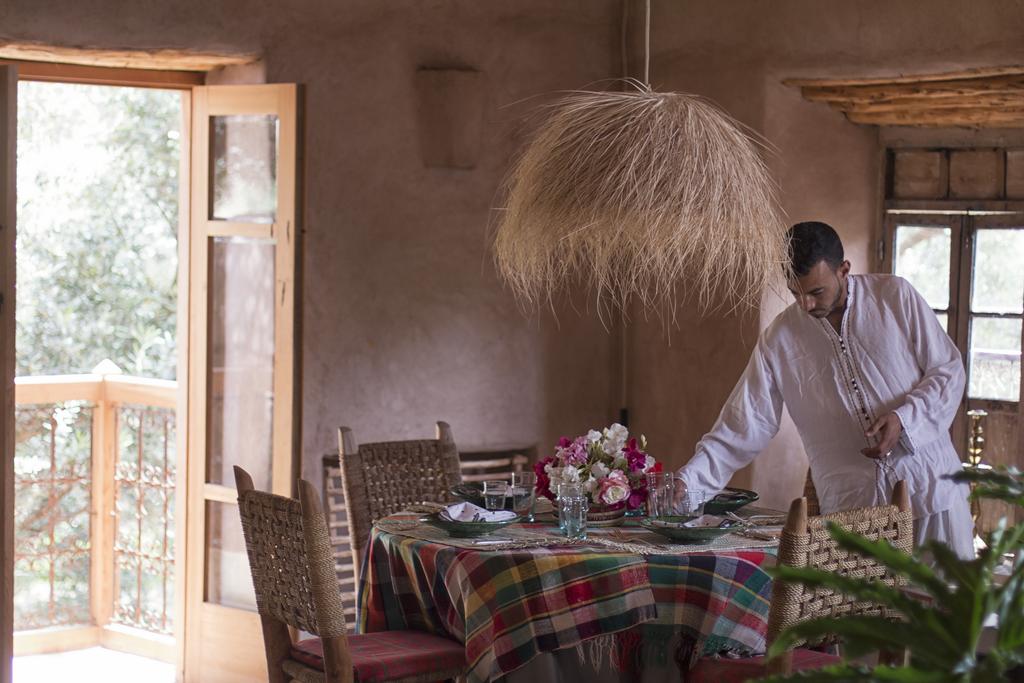
Inside a Berber home

Yemen’s Manhattan of the desert, vernacular architecture from the Middle East
In our era of towering skyscrapers in the United Arab Emirates, steel frames, and hard to insulate glass facades, it’s easy to overlook the humble wisdom embedded in vernacular architecture. Yet as advocates for sustainable living and building we believe that the vernacular approach to building deserves a place of prominence in our modern construction landscape.
The vernacular approach, rooted in local traditions and resourcefulness, offers a path towards sustainability that is often overshadowed by sleek, architect-driven designs. Here’s why sustainable architects should rekindle our appreciation for this time-tested approach:
As we confront the pressing challenges of climate change and peak sand, it’s time to reconsider the virtues of vernacular architecture. In a world where sustainability is no longer a choice but a necessity, we must draw inspiration from the past to build a more sustainable future. By incorporating the wisdom of vernacular building practices into our modern construction methods, we can forge a path towards a more harmonious and responsible coexistence with our planet. It’s not a step backward; it’s a leap forward toward a sustainable, resilient, and culturally rich future.
Designers from around the world will parade their latest collections in Abu Dhabi’s first-ever Eco Fashion Show, a five-day event featuring couture-with-a-conscience this April.
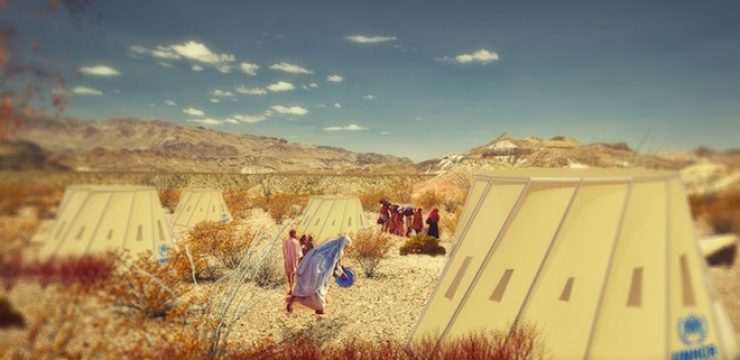
With roughly 600 Syrian refugees crossing into Jordan every day, it’s no surprise that local architects are designing various housing solutions for the devastating influx. Abeer Seikaly’s collapsible woven shelter is lightweight and mobile, while Yahya Ibraheem’s shapeshifting shelters can be customized to fit a suite of climate conditions.

Ah…a cold glass of orange juice, first thing in the morning. Gives you energy, vitamin C and zest to start the day. Right? Is that glass of juice really good for you? Maybe. What’s for sure is that juice gives you lots and lots of sugar. To start with, the vitamin C content in orange […]

In 2010 Arafet Ben Marzou, like an increasing number of Tunisians, began to reach his personal limits of frustration when he saw his home country digress towards a political, religious and economic system that was draining Tunisians from their liberty, thoughts and creativity.

The Jewish holiday of Purim 2018 begins this coming Wednesday night, the 28th of February, and continues through Thursday the 29th. In Jerusalem and other ancient walled cities, the holiday is called Shushan Purim and occurs on Thursday night, the 1st of March, through Friday.
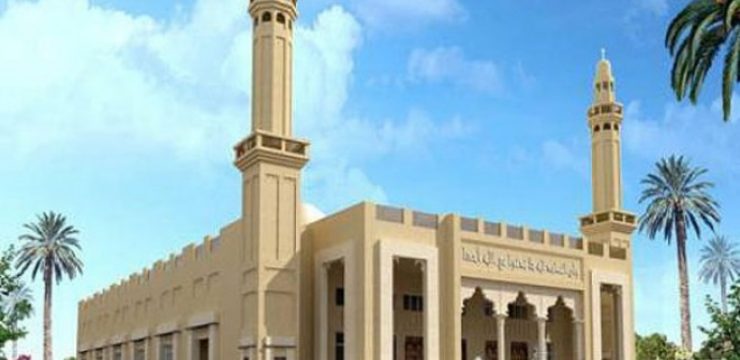
Construction of the first eco-friendly mosque in the United Arab Emirates (UAE) is nearly complete and Tayeb Al Rais, secretary-general of the Awqaf and Minors Affairs Foundation said the green mosque will soon open its doors to worshipers.

Veganism has gone viral in Israel – the number of devotees doubling in the past two years! With over 2% of the population off meat and dairy, it’s perfect timing for animal rights activists to join up with no-animal-product eaters at an inaugural congress of the vegan movement, held last Friday in Tel Aviv.

Biotechnology company Bioglow has developed the world’s first autoluminescent (light producing) plants. The US-based company’s vision is developing ornamental plants that serve as green alternatives to electricity-consuming lights. These guys take “green” literally.

Our breakaway story about collapsible woven shelters (click here) designed to restore dignity to refugees around the world was so popular, we decided to look around for similar projects. Cue Exo emergency shelters by Reaction Housing, which has partnered with the Maram Foundation to deliver short-term security to Syrians in need.