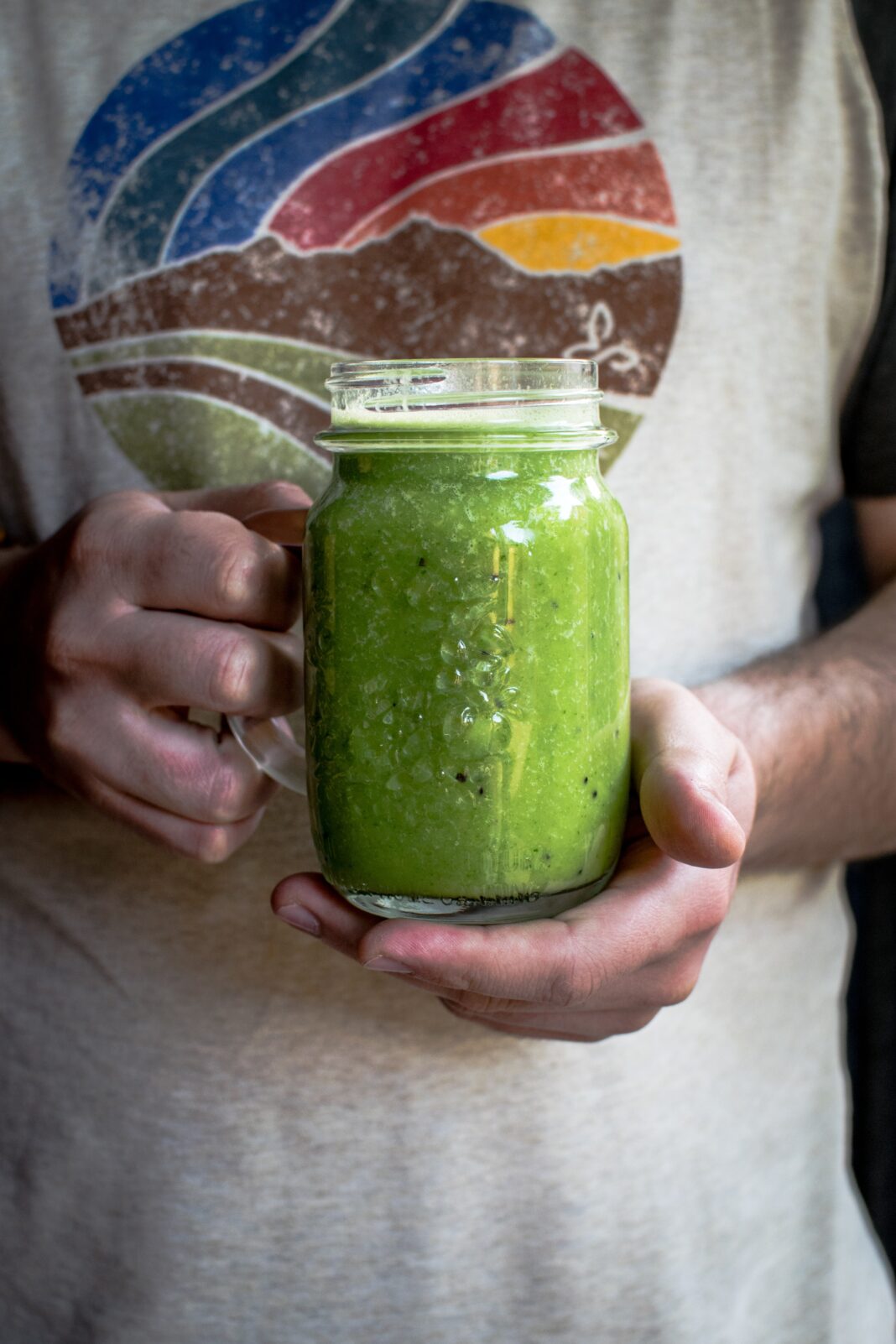

In recent years, the suggestion that the blue-green algae superfood put in green smoothies commonly known as spirulina may rival traditional animal-sourced proteins has attracted growing attention. Some people like health influencers David Avocado Wolfe are suggesting its better to eat a pile of spirulina over a steak for protein value.

The question posed by many nutrition-conscious readers is whether spirulina truly contains more protein than steak. A review of the available data offers a nuanced answer: yes by dry weight, but in practical terms, not in typical servings.
Spirulina, scientifically referred to as Spirulina (dietary supplement) (a biomass of cyanobacteria), when processed into its dry powder form, is remarkably rich in protein. One detailed review reports protein levels ranging from 55 % to 70 % of its dry weight.
An authoritative source from Harvard Health, a respected medical institution, also states that “spirulina boasts a 60% protein content” in its dried form. Against that backdrop, the raw concentration of protein in spirulina appears exceptionally high compared with many foods.
By contrast, typical cuts of cooked lean beef—such as steak—contain significantly lower percentages of protein by weight. According to credible sources, cooked lean beef averages about 22% to 26% protein.
For example, one nutrition database lists a 100-gram portion of grilled beef tenderloin as containing approximately 26 grams of protein. Thus, on a gram-for-gram basis (i.e., comparing 100 g of dried spirulina vs. 100 g of steak), spirulina contains more protein. However, this comparison misses two important practical considerations: serving size and bioavailability. (And well, taste). You can sink your teeth into a 250g steak, raised on organic grass in open pastures. Try eating 250 grams of spirulina.

While spirulina is very protein-dense in dry form, typical daily servings are small—often a few grams. A tablespoon (about 7 g) of spirulina powder provides around 4 g of protein. By contrast, a single steak meal may provide 25 to 50 g of protein in one sitting. For example, a 10-ounce steak (≈ 283 g) has been cited as delivering around 42 to 50 g of protein. If yu are a vegan there is no question that you will eat tofu, and spirulina and beans and pulses for protein. If you are a vegewarian, a fresh, healthy steak may give you more than just protein. It gives you more iron and other amino acids too.
While both spirulina and beef provide “complete” protein (i.e., containing all essential amino acids), the absorption and usability of that protein by the human body may differ. Animal-sourced proteins are often considered more easily digestible and more strongly tied to muscle repair and growth, though the exact difference can depend on numerous factors including cooking method, other dietary components and individual digestive efficiency.

So what’s the verdict? By dry weight spirulina indeed contains a higher concentration of protein. Yet, when the comparison is adjusted to realistic portion sizes and typical consumption, steak delivers far more protein in a single serving. Let’s root for companies like Aleph Farms, making lab-grown steak from real animal tissue so we can bypass the animal suffering bit altogether.