

Egypt is modernizing its massive irrigation network—lining canals, expanding drip and sprinkler systems across approximately 3.7 million feddans, about 6,000 square miles, and deploying smart irrigation technologies—not just for efficiency, but as preparation for potential reductions in Nile water. Sources highlight that Egypt’s modernization targets could slash irrigation waste by up to one-third, potentially saving billions of cubic meters annually.
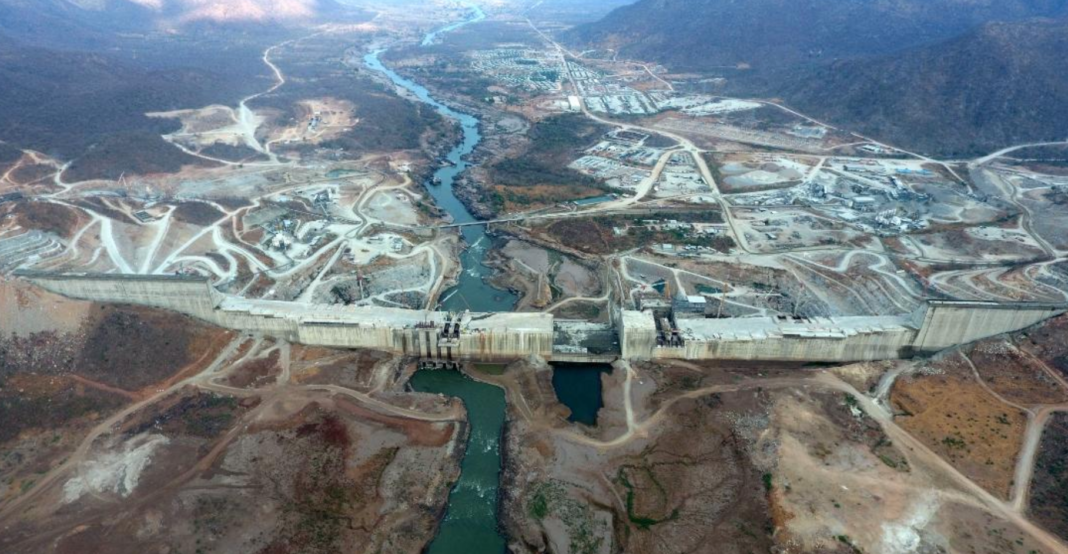
The urgency is fueled by growing water scarcity—Egypt now faces an annual deficit of around 7 billion m³, exacerbated by population growth, climate change, and upstream projects like the GERD a new dam built by Ethiopis. While Egypt remains deeply reliant on the Nile, fears of reduced flows—especially during drought years or due to unilateral actions—have reinforced the strategic urgency for domestic resilience.
Egypt’s irrigation overhaul isn’t just about modern farming—it’s a proactive strategy to stretch its diminishing Nile share and future-proof agriculture in a volatile water landscape. Its expansive irrigation modernization initiative aims to enhance agricultural efficiency and protect its water supply. The plan includes upgrading field-level irrigation systems, lining canals, and introducing smart water management—all aimed at transforming inefficient flood irrigation and securing the Nile’s vital flows.
The Ministry of Planning in Egypt has budgeted nearly EGP 144.8 billion (~$3 billion USD) for agriculture and irrigation in FY 2025–26, including public and private funding, targeting improved irrigation systems and increased yield per feddan. And it is also targeting modernization across 3.7 million feddans, switching from traditional flood methods to semi-modern techniques like drip and pivot irrigation over the next few years. These changes could reduce water usage by up to 30% while boosting productivity by 30–40%.
Egypt’s top farm exports to global markets are led by citrus fruits (about 4.2 billion lb shipped in mid-2025, ≈1.9 MMT) with orchards covering roughly 152,000 ha (~375,600 acres); followed by potatoes (~2.9 billion lb exports; national harvested area ~213,000 ha or ~526,300 acres); fresh onions (~511 million lb exports; ~64,000 ha or ~158,100 acres under cultivation); table grapes (~351 million lb exports; harvested area ~73,000 ha or ~180,400 acres); and sweet potatoes (~273 million lb exports; 2023 area ~12,427 ha or ~30,700 acres).
Collectively, these crops drive roughly $4 billion in annual farm export earnings, underscoring Egypt’s pivotal role in regional food supply chains.
Cotton is still very much a thing in Egypt, though its role has shifted. Egypt is famous for its long-staple and extra-long-staple cotton, often branded internationally as Egyptian Cotton. It has a reputation for high-quality, fine fibers used in luxury textiles and bedding. Production peaked in the mid-20th century, but land competition with food crops, water constraints, and global price fluctuations have reduced its cultivated area.
Yes—cotton remains a notable Egyptian crop. In calendar year 2024, Egypt’s raw cotton exports were valued at about $475 million, driven by the country’s famed long- and extra-long-staple fibers (“Egyptian cotton”). For context, USDA projects MY 2024/25 raw cotton exports at roughly 184,000 bales (480-lb bales).
If implemented well, the overhaul could save billions of cubic meters annually, relieve pressure on groundwater, and strengthen Egypt’s position in Nile water discussions. However, key challenges include financing costs, farmer acceptance, and ensuring “saved” water doesn’t simply expand water-intensive agriculture. Companies like Netafim, the regional and global pioneer of drip irrigation systems, could help Egypt achieve its goals.

Egypt’s irrigation system has roots in millennia-old techniques, from Aswan Dam regulation to historic canal networks. The current program builds on this heritage, blending tradition with pressure-based systems and digital monitoring. Watch developments on the GERD dam opening this year from Ethiopia as water volume from the Nile that goes to Egypt may drop dramatically.
Further reading on Green Prophet: