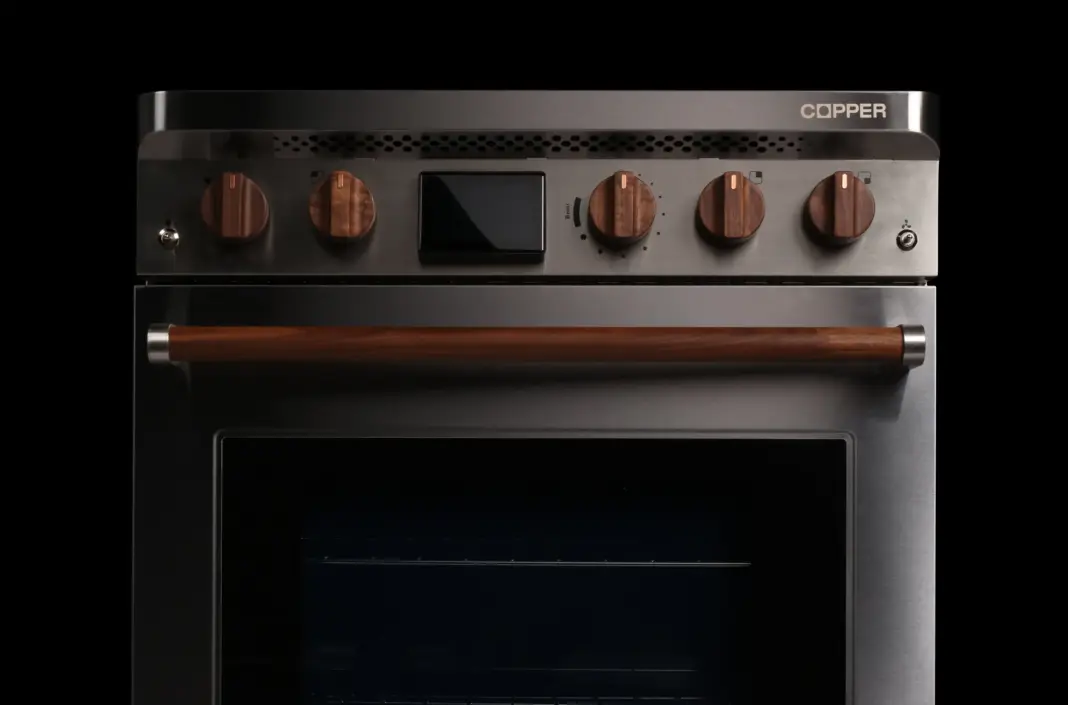

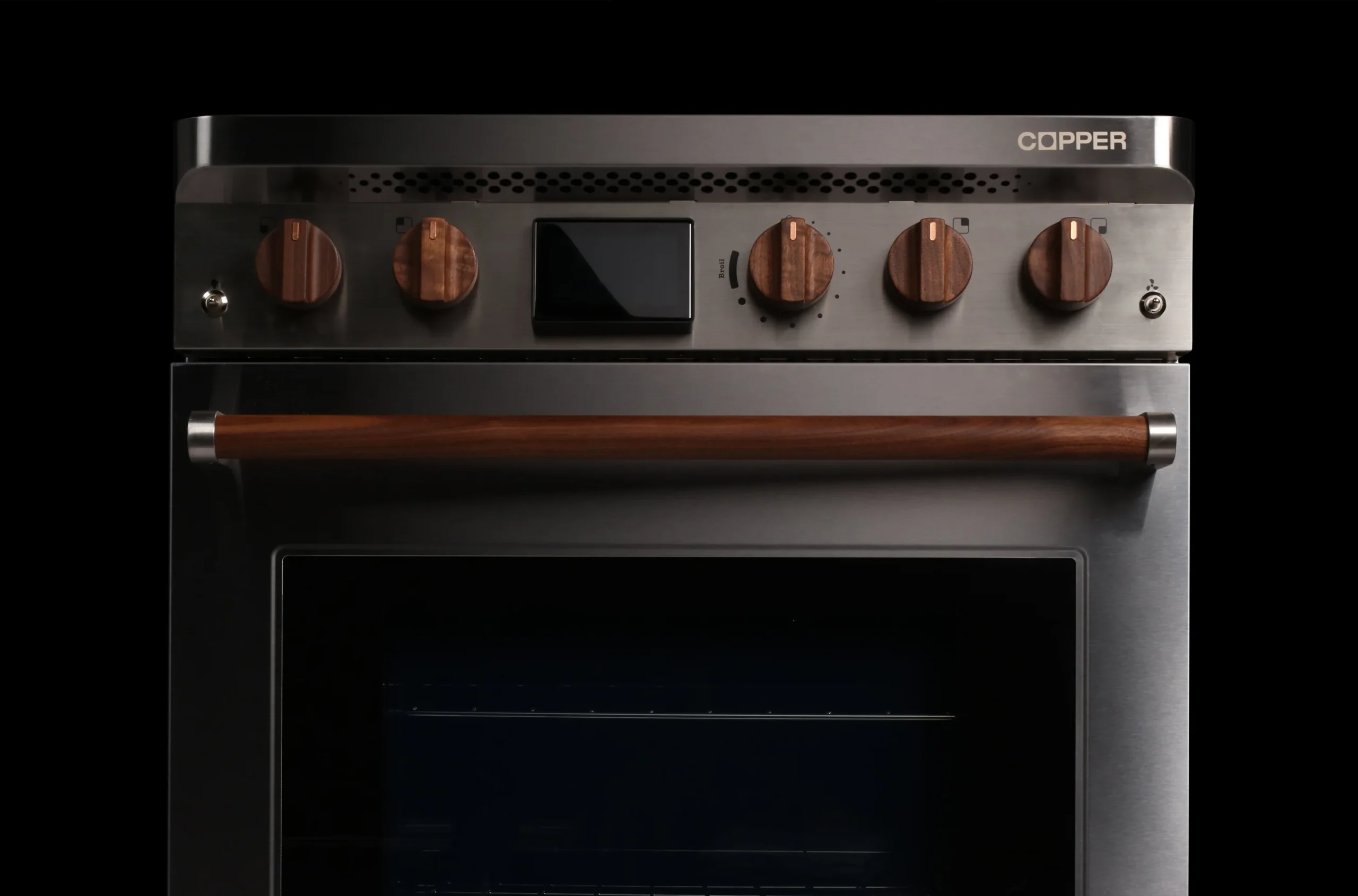
Berkeley startup Copper closes a Series A to scale a new class of “battery-in-appliance” induction ranges that plug into standard outlets, potentially reshaping kitchens, buildings, and the grid.
Battery-equipped induction stoves just took a major step toward the mainstream. Copper—maker of a 120-volt, plug-in induction range with an internal battery—raised $28 million to expand production and enter new markets. As American consumers race to replace their polluting indoor gas stoves and ovens with solutions that work, Copper is a step in the right direction.
The financing was led by climate-focused investor Prelude Ventures with participation from Building Ventures and existing backers Voyager, Collaborative Fund, Climactic, Designer Fund, Necessary Ventures, Leap Forward Ventures, and Climate Capital.
The round comprises equity and venture debt. Prelude Ventures led the Series A; the company also confirmed venture debt in the capital stack. “Copper has built a category-defining company… we were particularly impressed with the team’s relentless execution and the strength of their patent portfolio covering batteries in appliances,” said Mark Cupta, Managing Director at Prelude Ventures.
Copper CEO and co-founder Sam Calisch added, “This new capital will enable Copper to scale into additional products, helping millions upgrade their homes, ditch gas, and support the clean grid.”
Americans have been wary of gas appliances since news came out that cookstoves leaking methane gas may be causing health problems like cancer in the US.
Why is Copper a game-changer?
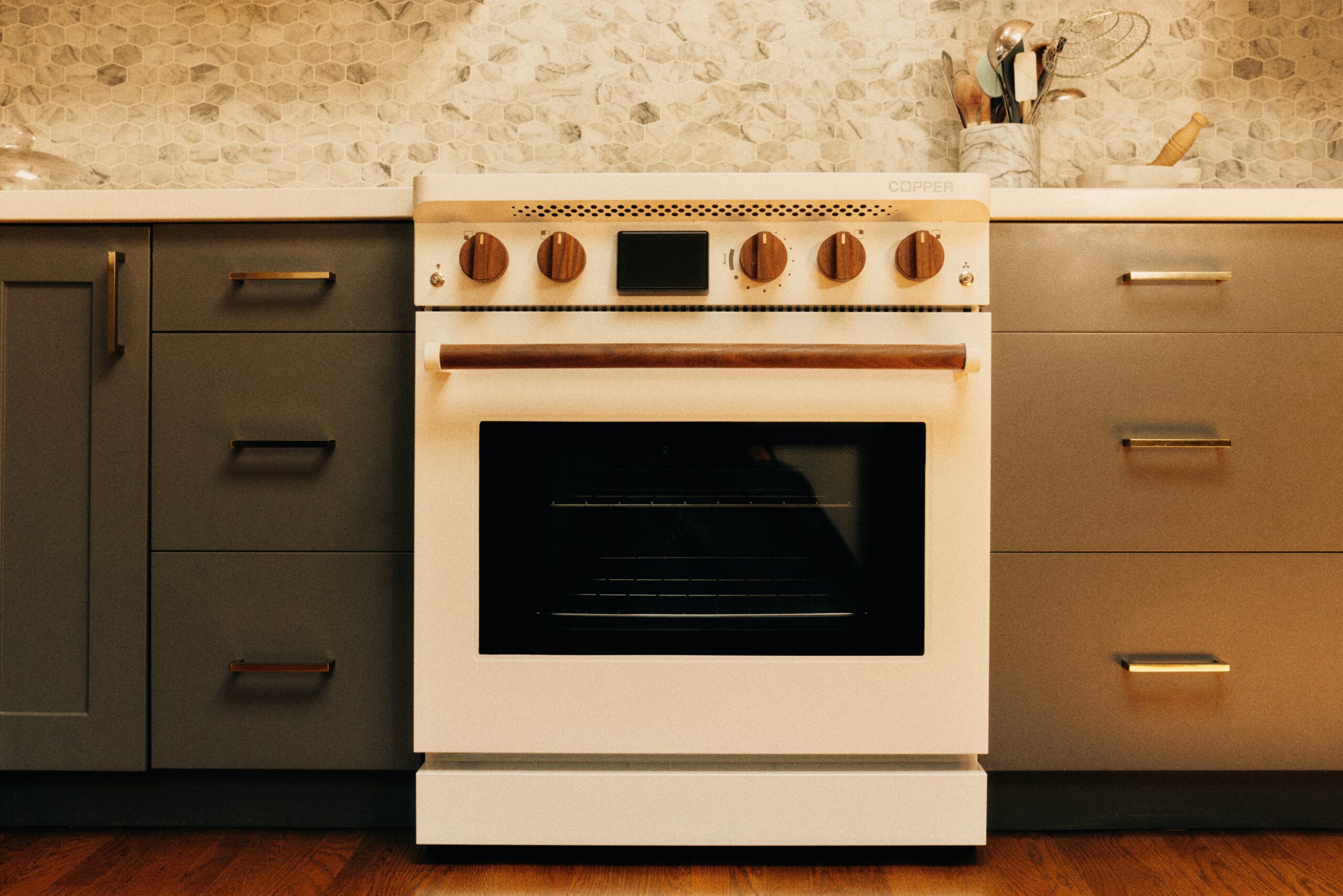
Most induction ranges require a 240-V circuit and an electrical panel upgrade—an expensive non-starter in older buildings. Copper’s range plugs into a standard 120-V outlet; its built-in battery supplies bursts of extra power when needed for searing or boiling. That design slashes installation cost and complexity for landlords and homeowners, accelerates gas-to-electric switching, and opens the door to using millions of small, distributed batteries as flexible grid resources.
The model is already landing fleet-scale deals. New York City’s Housing Authority (NYCHA) selected Copper for a $32 million program to install 10,000 stoves in public-housing apartments—part of a push to reduce indoor air pollution and electrify kitchens without rewiring buildings.
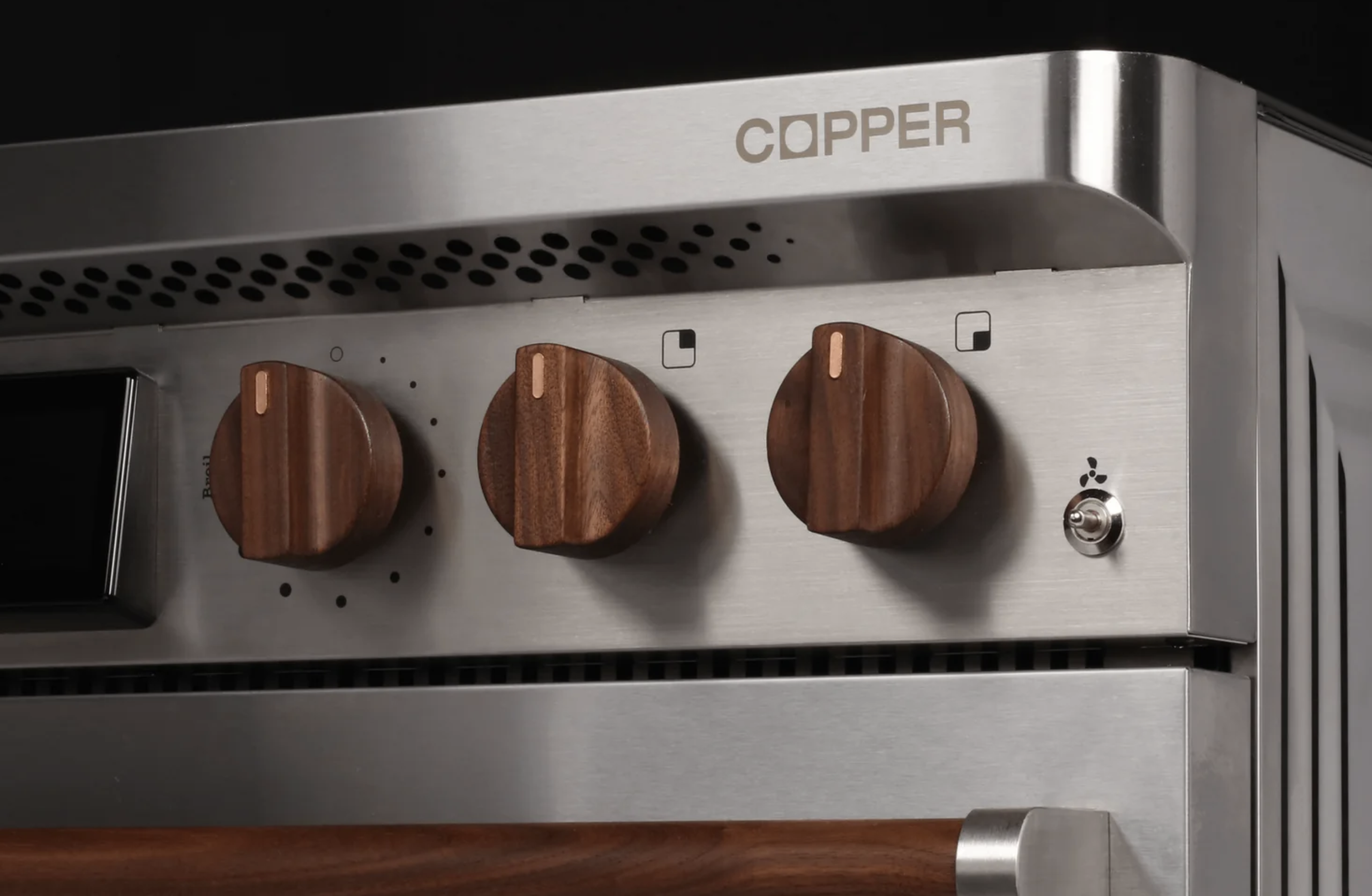
Beyond cooking, embedded batteries can form a virtual power plant (VPP)—so appliances help the grid ride through peaks and avoid gas peaker plants. Copper piloted a California VPP in 2024; broader analyses show VPPs can deliver substantial capacity and consumer savings if programs are funded and scaled.
The science and public-health case for switching from gas
Induction eliminates combustion indoors. Multiple studies from top universities find that gas and propane stoves raise indoor nitrogen dioxide (NO2) to unhealthy levels, contribute to childhood asthma, leak climate-warming methane, and can emit benzene during use. Key findings come from Stanford’s Doerr School of Sustainability and collaborators (NO2 exposures, methane leakage), Harvard T.H. Chan School of Public Health (health burden estimates), and peer-reviewed studies on benzene emissions.
For renters and homeowners, a plug-in induction range removes the need for an electrician and panel upgrade, delivering fast, precise heat and cooler kitchens. Early reviews have praised performance; press reports put retail pricing around $5,999 for Copper’s least-expensive model, with potential incentives available depending on location and policy. $6 grand for a stove is a luxury item that we believe will limit buy-ins, but which will accelerate copy-cat appliance makers, especially from China, to fill the void for lower income earners who want to get rid of gas appliances.
Copper’s financing signals investor appetite for electrification that solves retrofit pain points and unlocks grid value. Expect copycats and adjacent products (battery-equipped heat-pump appliances, water heating, and laundry) to follow.
The company says it will expand its platform into additional products—with patents covering batteries in appliances providing defensive moats.
Related reading on Green Prophet
- Solar batteries 101: what homeowners need to know
- Distributed energy and the Texas grid
- Virtual power plants in Europe’s energy reset
- DIY solar: what to know before you install
- 8 ways to make your home more sustainable
- Heating systems 101 (gas, electric, heat pumps)
- Ventilation and indoor air quality at home
- How air filters cut indoor pollution
- Cookware safety: what to watch
- Cooking in clay: traditional, low-tox alternatives