Our ancestors had wisdom we are quick to ignore when we eat industrialized, dead food. People from the not so distant past used to eat fermented foods with every meal, and they are called probiotics. Fermented foods are often sour, but are not pickled with vinegar, rather they ferment and age with the help of yeast and organisms in the air. A new Chinese study finds that fermented foods and eating them, can probably help you get a better night sleep.
Here is the news: a probiotic strain commonly found in fermented dairy products may hold the key to better sleep, according to a new peer-reviewed study published in Engineering. Scientists from Jiangnan University in China have identified Lactobacillus helveticus CCFM1320 as a potential therapy for insomnia and other circadian rhythm disorders.
Related: Kfir and Mohammad’s gift
In a series of lab experiments and animal trials, the team discovered that this specific bacterial strain produces high levels of S-adenosylmethionine (SAM) — a naturally occurring compound known to play a role in mood, sleep regulation, and overall mental well-being. Researchers observed that insomnia patients had significantly lower levels of SAM in their blood, suggesting it could serve as a biomarker and therapeutic target for sleep disorders.
Using a mouse model of sleep deprivation, the probiotic CCFM1320 was shown to reverse behavioral symptoms such as hyperactivity, poor memory, and reduced exploration. It also influenced the production of melatonin, the body’s sleep hormone, by enhancing the methylation of N-acetylserotonin, a key step in its synthesis. Importantly, this process also restored the normal expression of circadian rhythm genes in the brain.
Lactobacillus helveticus is a lactic acid-producing bacterium naturally found in the human digestive tract and in fermented foods such as Swiss cheese, kefir, yogurt, and other cultured milk products. It belongs to the larger Lactobacillus genus, known for aiding digestion, boosting immunity, and suppressing harmful microbes.
Though L. helveticus has long been used in the dairy industry, it is increasingly studied for its therapeutic properties in probiotic supplements. The newly identified strain, CCFM1320, was singled out in a screening of 60 gut bacteria for its unusually high SAM production.
While the strain is not yet available in commercial supplements, the findings point to a growing recognition of the gut-brain axis — the complex communication network linking intestinal microbes and neurological function. With sleep disorders affecting millions globally and many pharmaceutical treatments showing limited success, scientists say probiotics like L. helveticus CCFM1320 could offer a safe, natural alternative in the near future.
The study underscores a broader shift in medical research: looking to the microbiome not only for digestive health, but for its potential in mental health, hormonal regulation, and now — better sleep.
Famous ferments from China
Chinese fermented foods have a rich history stretching back thousands of years, forming a core part of traditional diets and medicine. Staples like doubanjiang (fermented broad bean paste), douchi (fermented black soybeans), jiang (soy sauce-type pastes), fermented tofu, pickled vegetables, and rice wines such as Shaoxing wine are not only prized for their deep umami flavor but also valued for their digestive and health benefits.
These foods are teeming with beneficial microbes, including various Lactobacillus species, and have long been used in Chinese culture to support gut health, enhance nutrient absorption, and preserve seasonal produce without refrigeration.
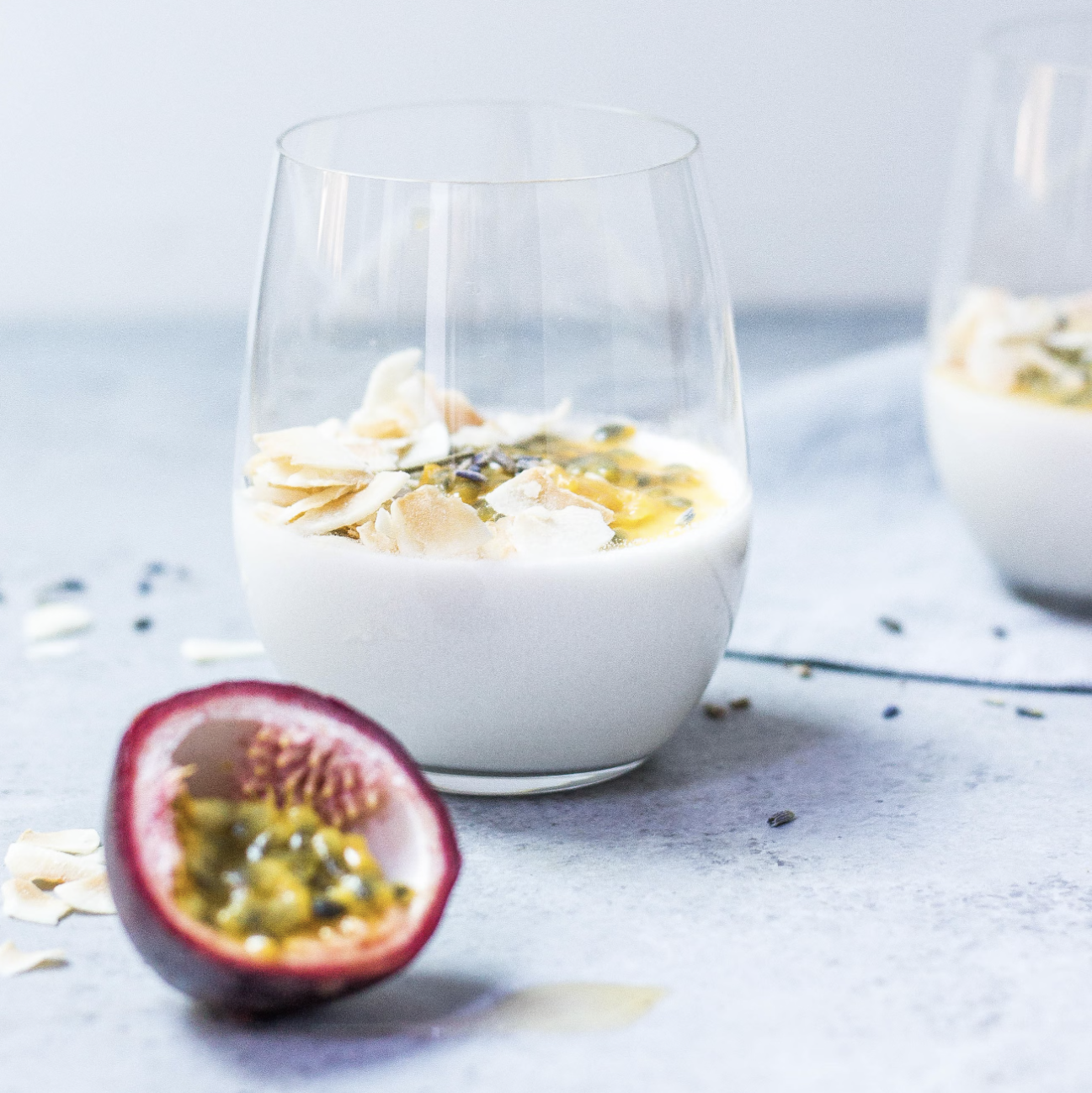
Other globally recognized probiotic-rich foods include kefir, tempeh, natto, kombucha, miso, kimchi, and sauerkraut, all of which support gut health through natural fermentation.
Want to start fermenting?