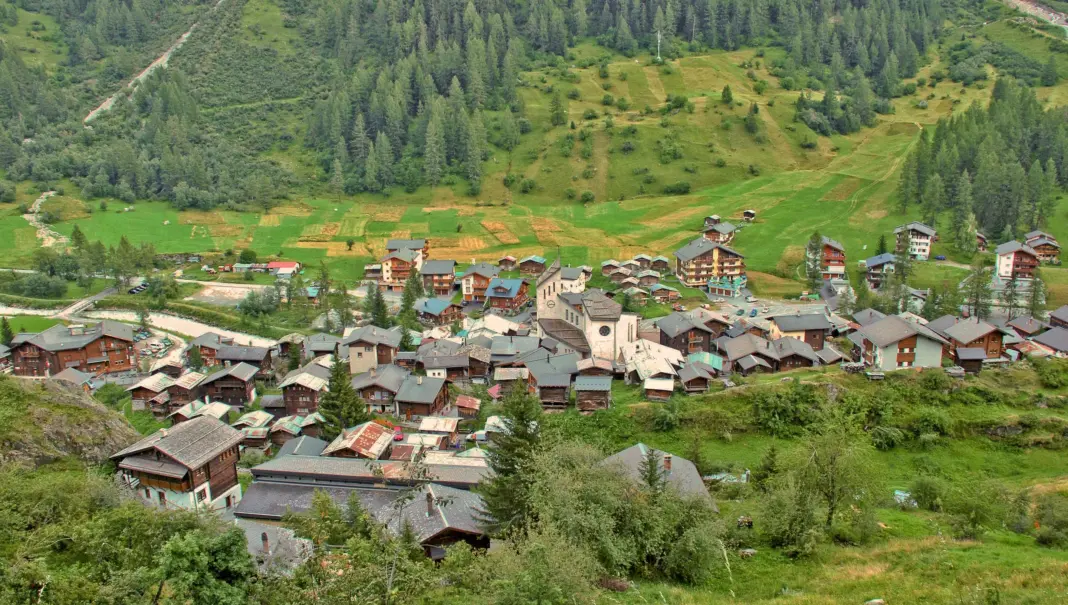

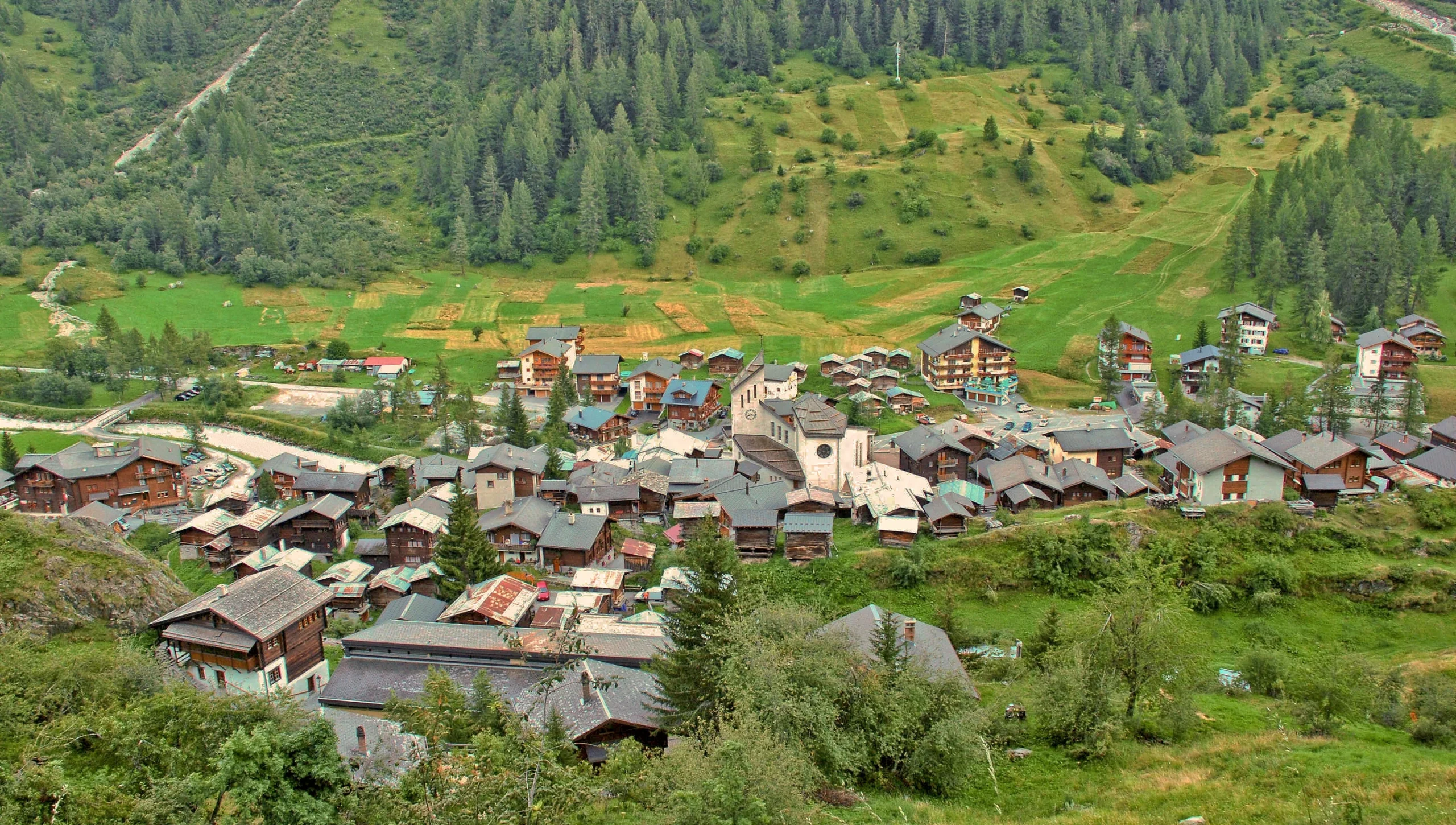
On May 28, 2025, the tranquil Alpine village of Blatten in Switzerland’s Lötschental Valley, about 75 miles west of Geneva, faced a catastrophic event. A massive section of the Birch Glacier, estimated at 1.5 million cubic meters, collapsed, unleashing a torrent of ice, mud, and rock that engulfed the village. Some 90% of the village was destroyed, and one man is missing. Climate change is to blame.

Prior to the disaster, authorities had evacuated approximately 300 residents and livestock due to warnings about the glacier’s instability. Swiss Authorities here issued a warming, 6 days ago. You can count on the Swiss for being prepared. Despite these precautions, a 64-year-old man remains missing, and search operations involving drones with thermal imaging are ongoing hoping to find him.
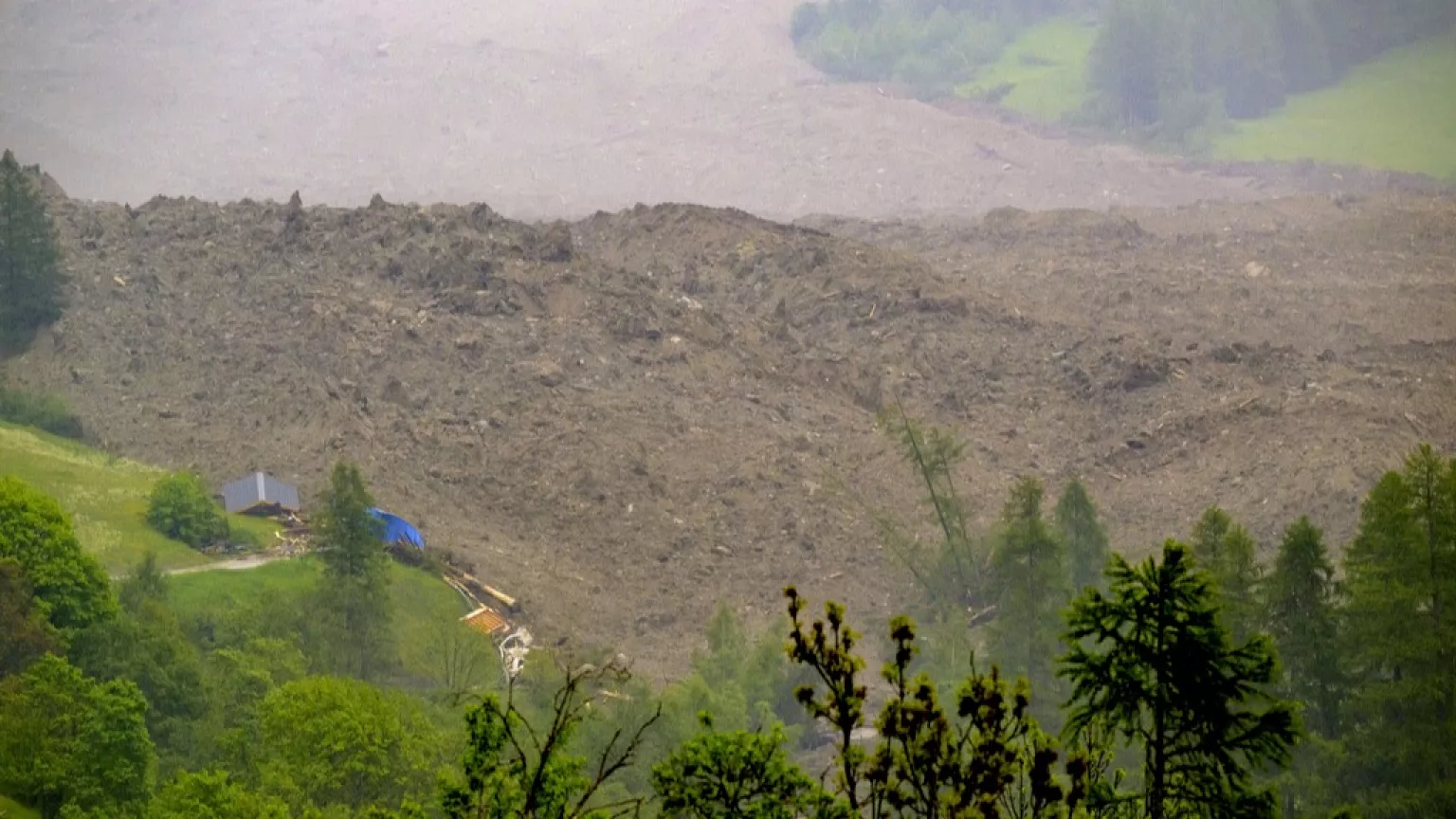
The landslide also buried the nearby Lonza River bed, raising concerns about potential flooding from dammed water flows. The Swiss army has been deployed to assist with rescue efforts and to monitor the evolving situation.
Having hiked the glaciers of the Italian area of the Swiss Alps, I recall the serene beauty and the sense of permanence these ice formations exuded. But I also sensed the danger when hiking on them. One wrong step could make me slide off a cliff. Passages are often intersected by glacial runoff. This tragic event in Blatten underscores the fragility of such landscapes in the face of climate change. The increasing frequency of glacier collapses is a stark reminder of the urgent need to address global warming.

Switzerland, home to the most glaciers in Europe, has witnessed significant glacier volume losses—4% in 2023 and 6% in 2022. The collapse in Blatten is not an isolated incident but part of a broader pattern of glacial instability linked to rising global temperatures, Swiss glaciologists and scientists believe.
People go to Blatten bei Naters for its breathtaking views of the Aletsch Glacier, the largest in the Alps and a UNESCO World Heritage site. It’s a haven for hikers, skiers, and nature lovers, offering dramatic alpine scenery, tranquil trails, and access to the Belalp resort. The village also appeals to families and photographers drawn to its panoramic lookouts over the glacier.
Visitors could reach Blatten by taking a train to Brig or Naters, then a local bus or car up the winding mountain road. No doubt all tourism in the area should be avoided at this time.