
On April 28, 2025, Spain and Portugal experienced a massive power outage that disrupted daily life for tens of millions. The blackout, which began around 12:30 p.m., led to halted transportation, communication failures, and significant economic losses. This event has sparked a critical examination of the challenges associated with the integration of renewable energy sources into national power grids.
According to Spanish Prime Minister Pedro Sánchez, the country experienced a sudden loss of 15 gigawatts of power—approximately 60% of its electricity demand—in just five seconds. This abrupt drop overwhelmed the remaining supply and led to a cascading failure that affected Portugal due to the interconnected nature of their power grids. The blackout was one of the most significant in recent European history, affecting around 60 million people.
Investigations and Potential Causes
While the exact cause of the blackout remains under investigation, several factors are being considered: Grid Inertia: The lack of inertia in renewable energy systems, particularly solar and wind, may have contributed to the instability. Unlike traditional power plants, renewable sources do not provide the kinetic energy needed to stabilize the grid
Preliminary reports suggest that a series of disconnection events in southwestern Spain, a region rich in solar power, may have triggered the collapse.
Authorities have ruled out cyberattacks but are investigating other possibilities, including equipment failures and potential sabotage.
Spain’s Prime Minister Sánchez has called for a thorough investigation into the blackout’s causes and emphasized the need for collaboration between the government and private energy firms. He stated, “All the necessary measures will be taken to ensure that this does not happen again.”
The Spanish government has convened meetings with major energy operators, including Red Eléctrica and Iberdrola, and announced the creation of a commission to investigate the incident.
Implications for Renewable Energy Integration
The blackout has raised concerns about the resilience of power grids heavily reliant on renewable energy. While renewable sources are essential for reducing carbon emissions, their intermittent nature and lack of inertia pose challenges for grid stability.
Related: Germany powers down its nuclear power plants as Turkey fires up its first
Experts suggest that integrating advanced energy storage systems and enhancing grid infrastructure are crucial steps toward mitigating such risks. Investments in technologies that can provide synthetic inertia and rapid response capabilities are also being considered.
As Europe continues its transition toward renewable energy, the Iberian blackout serves as a stark reminder of the importance of grid modernization and resilience. Ensuring a stable and reliable power supply will require a balanced approach that combines renewable energy integration with robust infrastructure and advanced technologies.
The incident underscores the need for comprehensive planning and investment to support the continent’s ambitious climate goals without compromising energy security.
Energy resilience at home – what you can do

At the household level, energy storage systems like Tesla’s Powerwall can be game-changers. These units store solar energy and automatically provide backup power during outages. Tesla’s Storm Watch feature even preps the system in advance of predicted grid instability, making homes part of the solution—not the problem.
SolarEdge and Enphase inverters with smart load balancing.
Sonnen batteries, which allow home-to-grid energy sharing in cooperatives.
Heat pumps with built-in thermal storage, now subsidized across much of Europe. When Green Prophet was invited to tour Finland 15 years ago we met some of the leading heat pump companies. It’s normal there.
Clean Tech Companies to Support
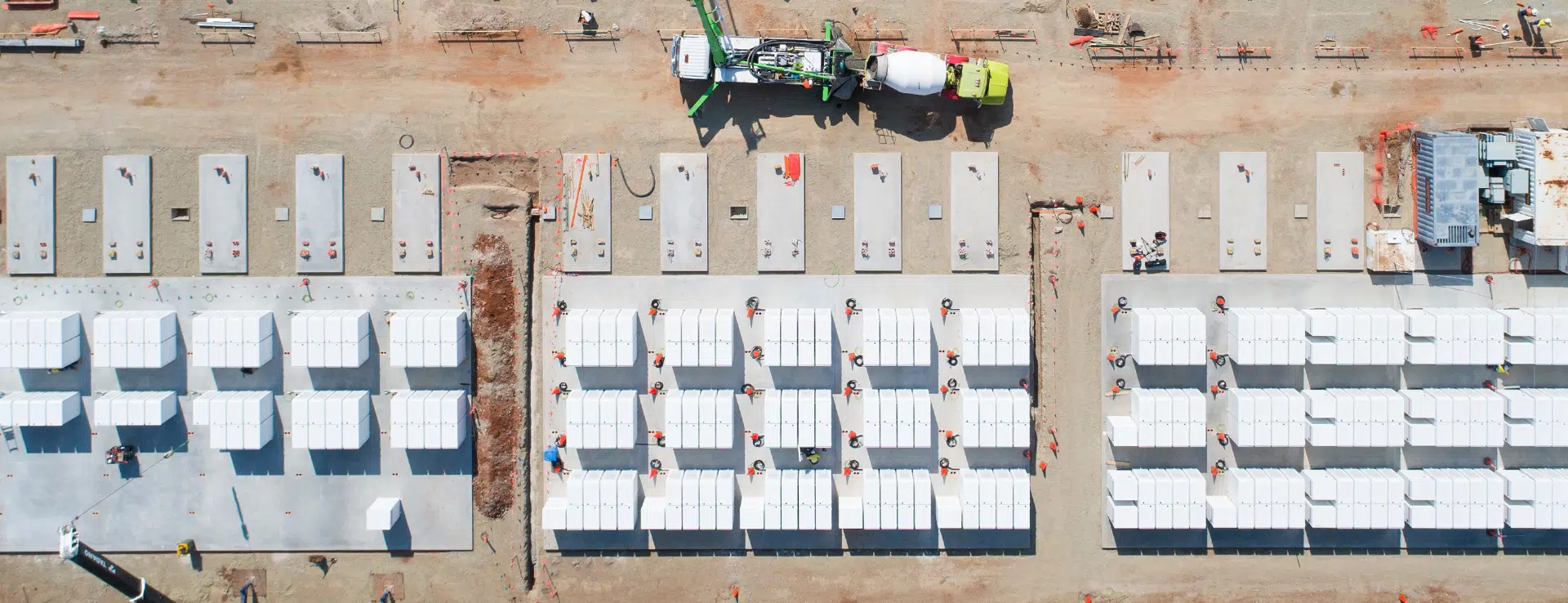
There are several clean technology companies working to solve precisely these challenges:
Neoen (France): Developers of large-scale battery storage like the Hornsdale Power Reserve in Australia. Their solutions are designed to provide the kind of grid stability Spain and Portugal lacked during the blackout.
Moixa (UK): A pioneer in smart home batteries and virtual power plant technology, enabling homes to store and share solar energy efficiently.
GridBeyond (Ireland): Uses AI to manage grid demands in real time, helping to smooth out variability in renewables.
CorPower Ocean (Sweden): Developing wave energy as a consistent, grid-friendly complement to wind and solar.