Pope Francis, the beloved pontiff who served as the head of the Catholic Church since 2013, passed away on Monday, April 21, 2025, at the age of 88. His death, following a long battle with respiratory illnesses, kidney failure, and declining health, marks the end of an era for the Church and the world. As Cardinal Kevin Farrell solemnly announced on Vatican TV, “Dear brothers and sisters, it is with profound sadness I must announce the death of our Holy Father Francis. At 7:35 this morning, the Bishop of Rome, Francis, returned to the house of the Father.”
Born Jorge Mario Bergoglio in Buenos Aires, Argentina, Francis was the first pope from the Americas. His humble roots shaped his commitment to simplicity and a life dedicated to the service of others. Born to Italian immigrant parents, Francis often referred to his people as “poor” and considered himself one of them. In his biography, the Vatican noted, “My people are poor and I am one of them,” encapsulating his deep connection to the marginalized and his refusal to live lavishly despite his status.
Before becoming pope, Francis had a remarkable career in the Jesuit order, beginning his vocation as a chemical technician and later studying philosophy and theology. His tenure as Archbishop of Buenos Aires and as a cardinal further solidified his reputation as a man of deep spirituality and action.
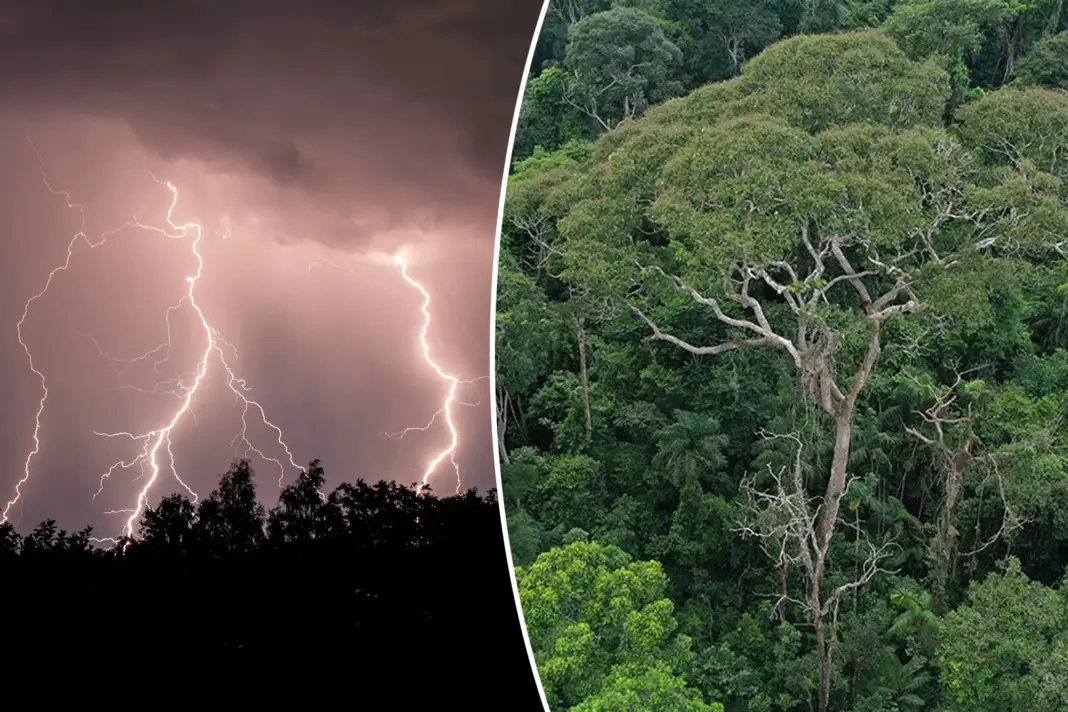
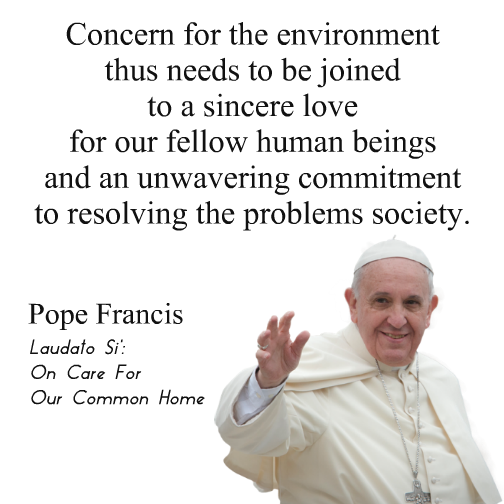
Pope Francis’ legacy is also defined by his profound commitment to environmental justice and the protection of our planet. He was undoubtedly the most ecological pope in history, consistently advocating for sustainable development and the urgent need to address climate change. His landmark 2015 encyclical, Laudato Si’, urged global leaders to act decisively in safeguarding the environment and to recognize the interconnectedness of all creation. In this pivotal document, Francis called for a “revolution of tenderness” and stressed the importance of protecting the Earth for future generations.
As highlighted by Green Prophet, Pope Francis was ahead of his time in recognizing the ecological crisis as a moral and spiritual issue. His teachings challenged the status quo, urging individuals and institutions to live in harmony with nature, and he called for a global response to environmental destruction that went beyond politics and borders. The Vatican’s own sustainability practices, from solar panels on St. Peter’s Square to more eco-friendly operations within the Holy See, reflected his personal commitment to the cause.
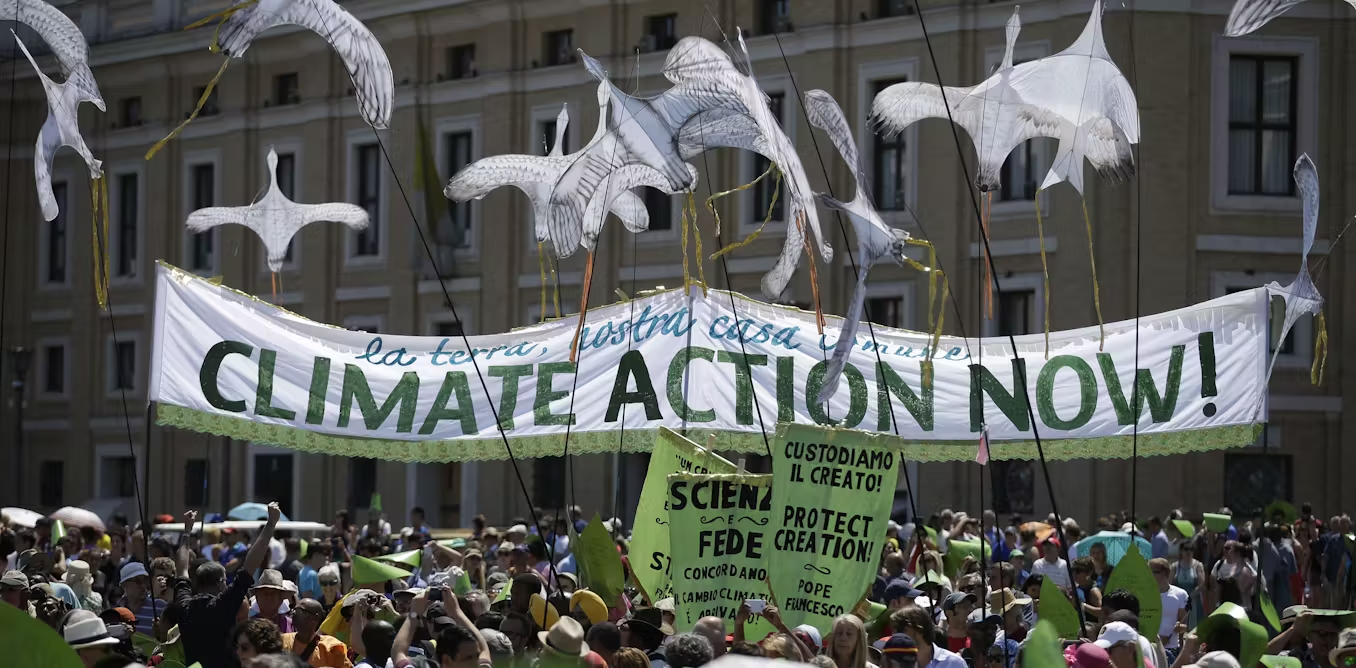
Francis was also a vocal advocate for addressing environmental racism, emphasizing the disproportionate impact of climate change on poorer communities around the world. His messages of hope and activism were powerful calls to action, inspiring a generation of young people to take up the mantle of environmental stewardship.
Pope Francis’ health had been in decline for several months, with his final hospitalization occurring in February 2025 for treatment of double pneumonia. Despite his ongoing health battles, he remained active in his mission until his passing. On Easter Sunday, just days before his death, Francis greeted the faithful from the open-air popemobile in St. Peter’s Square and offered a special blessing for the first time since Christmas. The sight of the pope in his final days, appearing frail yet steadfast, was a testament to his dedication to his role as a spiritual leader.
The Vatican confirmed that Pope Francis suffered a “breathing crisis” along with “an episode of vomiting with inhalation,” which led to the sudden worsening of his respiratory condition. Despite the efforts of medical professionals at Rome’s Gemelli Hospital, Pope Francis passed away early on Monday, leaving behind a legacy of peace, compassion, and ecological awareness.
Pope Francis’ leadership transcended religious boundaries. Paraguay’s ambassador to the Vatican, Romina Taboada Tonina, reflected on the pope’s significance during services for his well-being last month, saying, “Not only for Catholics, but he is a great political leader as well.” Francis was unwavering in his commitment to justice, whether through his stance on immigration, his condemnation of abortion, or his calls for peace in regions torn by conflict.
Francis will be remembered not only for his theological and spiritual contributions but for his deep moral convictions, especially in his tireless efforts to protect the Earth and fight against the injustices that affect vulnerable populations worldwide.
In his final words, which resonated with his lifelong commitment to peace and justice, Pope Francis reminded the world that the spiritual and ecological paths are inextricably linked, urging humanity to care for both our fellow humans and the planet we share.
As the Church and the world mourn the loss of Pope Francis, his message of love, environmental stewardship, and humility will continue to inspire those who seek to build a more just and sustainable world.
Further Reading on Pope Francis and His Ecological Legacy: