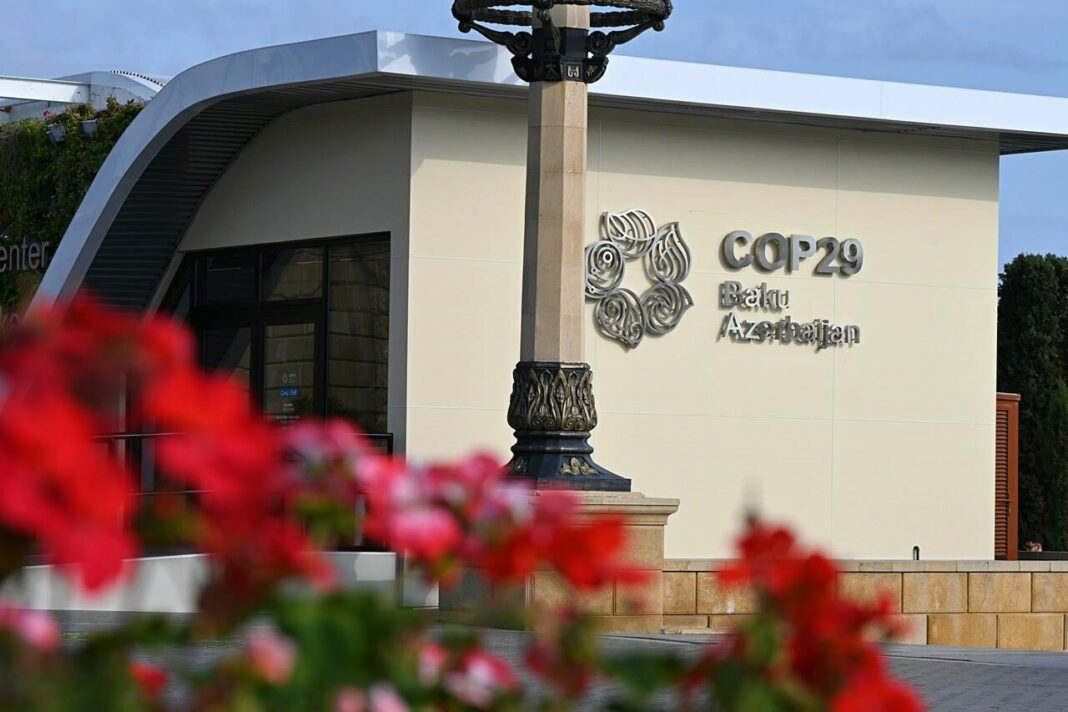

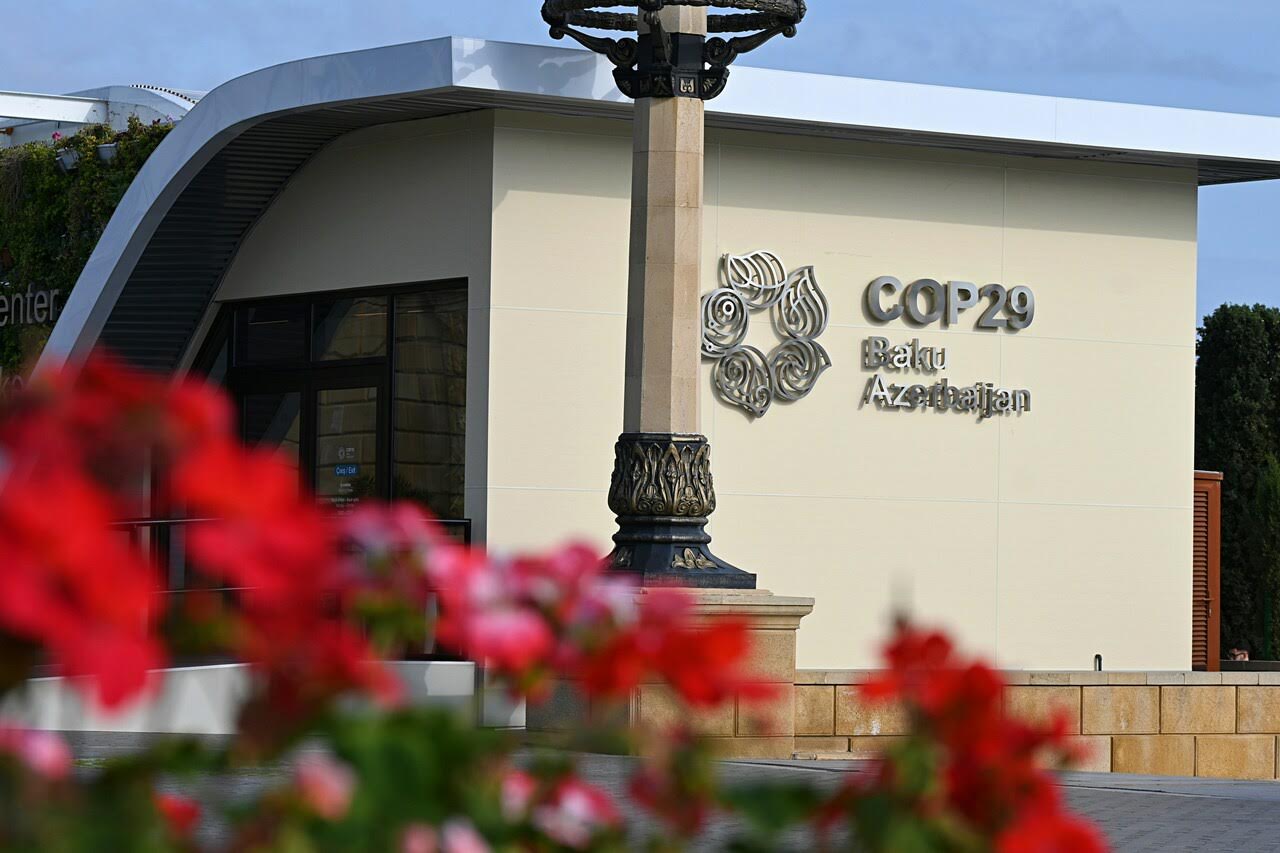
As Europe faces mounting environmental challenges, European Commission President Ursula von der Leyen’s decision to skip the COP29 climate summit in Baku signals a troubling lack of urgency. While the Commission cites its “transitional phase” as the reason for her absence, this explanation feels hollow against the backdrop of an escalating climate crisis that demands the EU’s full attention and leadership. COP29, held in a country economically tethered to fossil fuels, is already mired in controversy. Von der Leyen’s absence only adds to concerns that the summit will lack the commitment needed for substantive progress.
The climate summit’s agenda this year is as pressing as ever, focusing on critical topics such as funding climate action in developing countries and establishing frameworks for carbon trading. With the frequency of climate-driven natural disasters increasing worldwide, immediate action is essential. In Spain’s Valencia region, for instance, deadly floods have recently destroyed homes and taken lives, serving as a sobering reminder that climate change is not a future threat—it is already here. Against this urgent backdrop, von der Leyen’s absence could be interpreted as a troubling signal that the EU has other, more pressing concerns than addressing the climate crisis.
An Inconvenient Absence Amid Global Turmoil
Von der Leyen is not alone in her decision to miss COP29; other prominent leaders, including French President Emmanuel Macron and the outgoing U.S. President Joe Biden, are also skipping the summit. However, the EU’s role as a climate leader sets it apart, particularly as it faces the likelihood of a less climate-conscious U.S. administration. Without strong EU representation, there is a risk that COP29 will be dominated by fossil fuel-producing countries like Azerbaijan, which holds a vested interest in slowing the transition away from oil and gas. This situation threatens to turn the summit into more of a greenwashing spectacle than a forum for meaningful action.
European lawmakers and environmental advocates have voiced their disappointment. Michael Bloss, a German Green MEP, called von der Leyen’s decision “a fatal signal,” while WWF’s climate specialists warned that the absence of key leaders could undermine confidence in global climate commitments. The climate crisis will not pause for political convenience, nor will it wait for ideal conditions to act. Europe’s climate leadership is critical, particularly as other global powers waver on their commitments.
The EU’s Complicated Climate Commitments
In recent years, the European Union has prided itself on its ambitious climate policies, from the European Green Deal to its commitment to cut emissions by 55% by 2030. Yet, von der Leyen’s absence from COP29 raises questions about the EU’s true priorities. As discussions around implementing the European Green Deal remain contentious, the debate on front of pack labeling systems such as Nutri-Score somehow continues to attract attention. This controversial system, which rates foods based on a simplified color code, has sparked endless debate and backlash. This focus reflects misplaced priorities, as time is diverted from more significant issues like climate action.
Initially implemented in France in 2017, Nutri-Score aims to help consumers make healthier food choices by ranking products from green “A” to red “E.” However, this attempt at nutritional clarity has been met with widespread backlash for oversimplifying complex dietary information, confusing consumers, and undermining cultural food traditions that define the European diet. It has also been criticised for encouraging the consumption of proteins, which often translates into eating meat – hardly an environmentally friendly consumer choice.
The EU’s emphasis on initiatives like the harmonization of labeling over pressing climate issues can appear tone-deaf in the current context. Prioritizing these debates while Europe endures deadly climate-induced events sends a confused message to the world.
Financing and Transparency: The Stakes of COP29
COP29 is a critical moment for securing climate finance for developing nations—a key factor in enabling them to implement their climate action plans. Developing countries have long called for clear commitments from wealthier nations, not just promises. Yet, the financing debate has stalled, with disagreements over the amounts, sources, and mechanisms of support. With the EU’s leadership role diminished by von der Leyen’s absence, there is a real risk that the conference will yield only superficial outcomes.
Azerbaijan, as COP29’s host, has established the Baku Global Climate Transparency Platform, intended to enhance transparency in climate commitments. But Azerbaijan’s poor track record on transparency, coupled with its dependence on fossil fuels, calls into question its commitment to meaningful climate action. The country ranks high in corruption indices, and restrictions on civil society have intensified ahead of the summit. The irony of a petro-state presiding over a climate summit is not lost on observers, and von der Leyen’s absence only adds to the perception that the EU is failing to lead.
The Path Forward: A Call for Focused Climate Leadership
The stakes at COP29 could not be higher. From the latest global temperature records to the devastating floods in Valencia, the evidence of climate change’s impact is undeniable. Europe, with its legacy of environmental leadership, has a unique responsibility to push for substantial progress, particularly as other global leaders falter in their commitments. The EU’s leaders must urgently re-evaluate their priorities to reflect the gravity of the climate crisis. Instead of being sidetracked by secondary issues or internal political considerations, Europe needs to focus on the larger picture, pressing for robust international commitments and ensuring that financing mechanisms meet the scale of the challenge.
In von der Leyen’s absence, the EU delegation will be led by climate commissioner Wopke Hoekstra, but the symbolic weight of Europe’s top official missing the summit will linger. As world leaders convene in Baku, the hope is that they can overcome the limitations imposed by the summit’s context and make real progress on climate action.The world needs a climate commitment it can count on, not only when it is politically convenient but when it matters most.